

Europe gives South Africa the green light


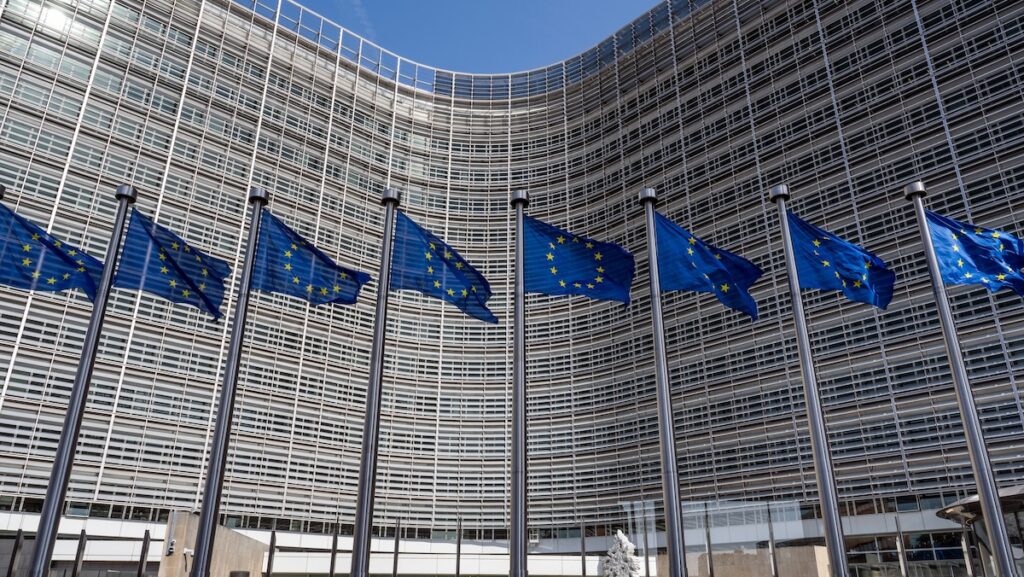
South Africa has been removed from the European Union’s list of High-Risk third-country jurisdictions after it was taken off the Financial Action Task Force’s (FATF’s) grey list.
South Africa was added to the EU list in August 2023 as an automatic consequence of its greylisting earlier that year.
The country was added to the grey list for failures in its response to illicit financial flows, including money laundering and the funding of terrorism.
The EU listing required third-country jurisdictions with strategic deficiencies in their systems for detecting illicit financial flows to be identified, thereby protecting the functioning of the EU’s internal market.
EU law requires that its financial institutions apply a higher level of scrutiny to transactions involving parties in countries seen as high-risk.
National Treasury stated that this results in more rigorous and intrusive checks, increased documentation requirements, continuous monitoring, and senior management approval for transactions.
These requirements added friction to financial transactions and flows, which impacted trade, payments and investment.
Following a massive undertaking by the National Treasury, the South African Reserve Bank (SARB), and others, South Africa met 22 action items and was removed from the grey list in 2025.
With South Africa now off the grey list, it has also been taken off the European Union’s list of “High-
Risk Third Country Jurisdictions.
South Africa’s removal from the EU’s list will take effect officially on 29 January 2026.
Not done yet

National Treasury stressed that the removal from the EU’s list does not compel EU financial institutions to rescind their risk assessment policies towards South Africa.
It rather allows willing EU financial institutions to adjust their risk assessment policies as they see fit.
National Treasury also noted that the removal from the FATF and EU lists does not mean that all of South Africa’s challenges in implementing its Anti-Money Laundering and Countering the Financing of Terrorism system have been resolved.
It recognised that much work will need to be done to strengthen deficiencies in the prevention, identification, investigation and prosecution of money laundering and terrorism financing.
South Africa will enter a new round of evaluation by FATF in the coming months, with the final report scheduled to be presented to the FATF plenary in October 2027.
“Preparation has begun in earnest, incorporating the lessons learnt and experience gained during the process to exit FATF greylisting,” said the National Treasury.
While South Africa is not yet out of the woods, being removed from the grey list adds to the many positives going into 2026.
Economic growth is expected to reach around 1.5% in 2026, supported by lower inflation and interest rates.
This represents a significant improvement from the 0.7% recorded in 2023 and 2024, with 2025 expected to reach around 1%.
Looking at the specifics, inflation is expected to remain broadly around the SARB’s new target of 3% for the financial year, supported by a stronger rand, lower fuel prices, and good rains.
The lower inflation figures should enable the SARB to continue its interest rate-cutting cycle, with two 50-basis-point cuts widely expected for 2026, taking the repo rate to 6.25%.















 Loading ...