

South Africa is losing an important group of people


South Africa’s public schools are experiencing a serious teacher replacement crisis. Many teachers are retiring, and younger educators are not adequately prepared to face the socio-economic challenges.
Nearly half of publicly employed educators are already 50 or older, and thousands of teaching positions remain unfilled.
With a retirement age of 60, the basic education system is preparing for a substantial wave of retirements, which could leave nearly 50% of teaching posts vacant.
According to a parliamentary response from Basic Education Minister Siviwe Gwarube, as of the end of January 2026, there were 17,450 vacancies out of 389,286 allocated posts, based on Persal data.
This equates to a national vacancy rate of 4%. The Western Cape province reported the highest vacancy rate at 11%, followed by the Northern Cape at 10% and Limpopo at 8%.
Gwarube emphasised that these figures do not fully capture the situation. Vacancies occur due to resignations, retirements, promotions, and temporary absences.
In response, schools and provinces use temporary, substitute, acting, and permanent appointments to ensure that teaching and learning continue smoothly.
“Accordingly, headline vacancy figures do not always equate to the strict position of there being no educator in front of the class,” the reply read.
Gwarube stated that educator positions allocated through approved provincial establishments were intended to be funded posts.
However, the Post Provisioning Norms did not allow the allocation of “unfunded” positions as part of the approved establishment, or the formal freezing of posts once allocated.
She noted that filling funded vacancies could be delayed by the provincial administration, budget constraints, and post-filling arrangements, all of which are the provincial employer’s responsibility.
The teaching crisis is a systemic issue
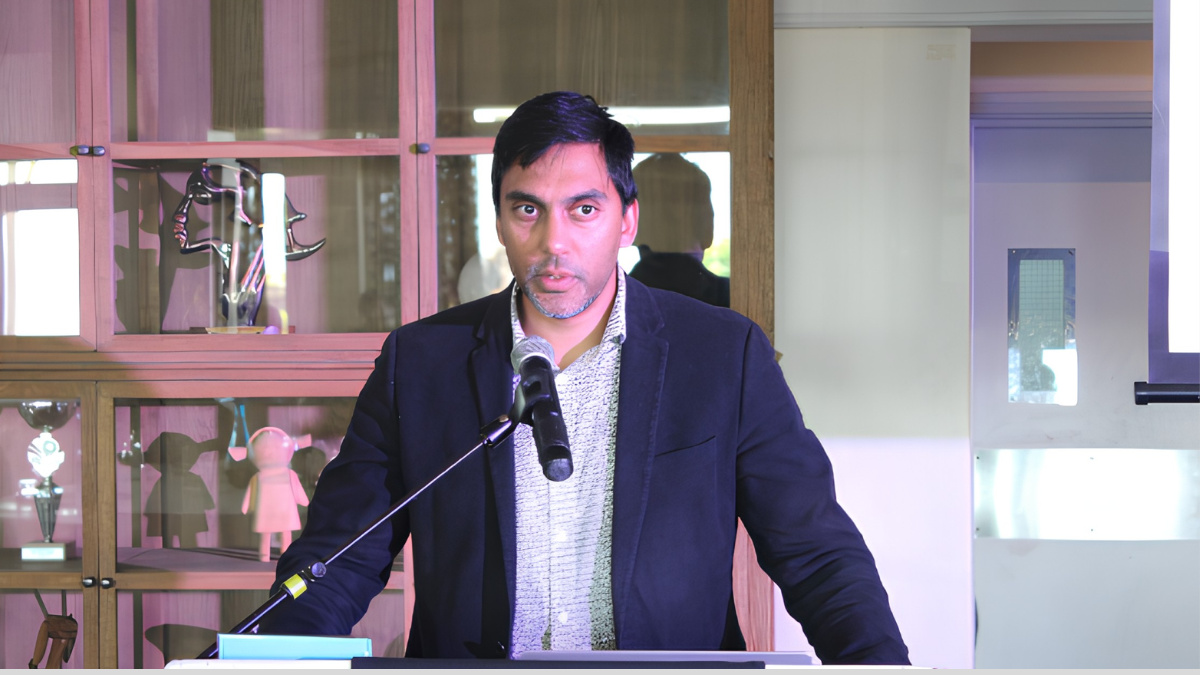
Cape Peninsula University of Technology Faculty of Education Associate Professor Zayd Waghid told Talk Radio 702 that high salaries are not associated with the teaching profession in South Africa.
He explained that because of this, teachers need to have a love and passion for teaching, with an aim of transforming society.
“In terms of the issue around the number of teachers who are retiring, it is, of course, a systemic issue,” said Waghid.
He compared the issue to similar cases of medical doctors being unable to find work in South Africa.
“There are teachers who want to teach, but if there are no particular vacancies available, it’s quite problematic,” he said.
He said that the fundamental issue among young teachers in South Africa is that, although they are prepared with disciplinary and pedagogical knowledge, they may not be fully equipped to address the socio-economic challenges they face in practice.
“I think one of the biggest problems is that in terms of teacher education, we are not speaking to the stakeholders as part of this system,” said Waghid.
“So, teacher education curricula designed by teacher education institutions are critiqued on the notion that when you prepare graduates for schools, they are not prepared because we’re not working more closely alongside schools,” he said.
He explained that to address this issue, there needs to be a collaborative curriculum designed in partnership with communities, schools, and the government.
“I would like to see a curriculum that is more inclusive, holistic, and pragmatic, with the idea of ensuring that you have university educators who are actually visiting schools and working alongside teachers towards redesigning the curricula,” he explained.
Waghid also urged existing teachers to return to university after gaining some teaching experience to showcase real-life issues in schools and share strategies they think could help.

















 Loading ...