

One of the most dangerous professions in South Africa



A profession in politics is one of the most dangerous jobs in South Africa, with a growing trend of politically motivated killings in the country.
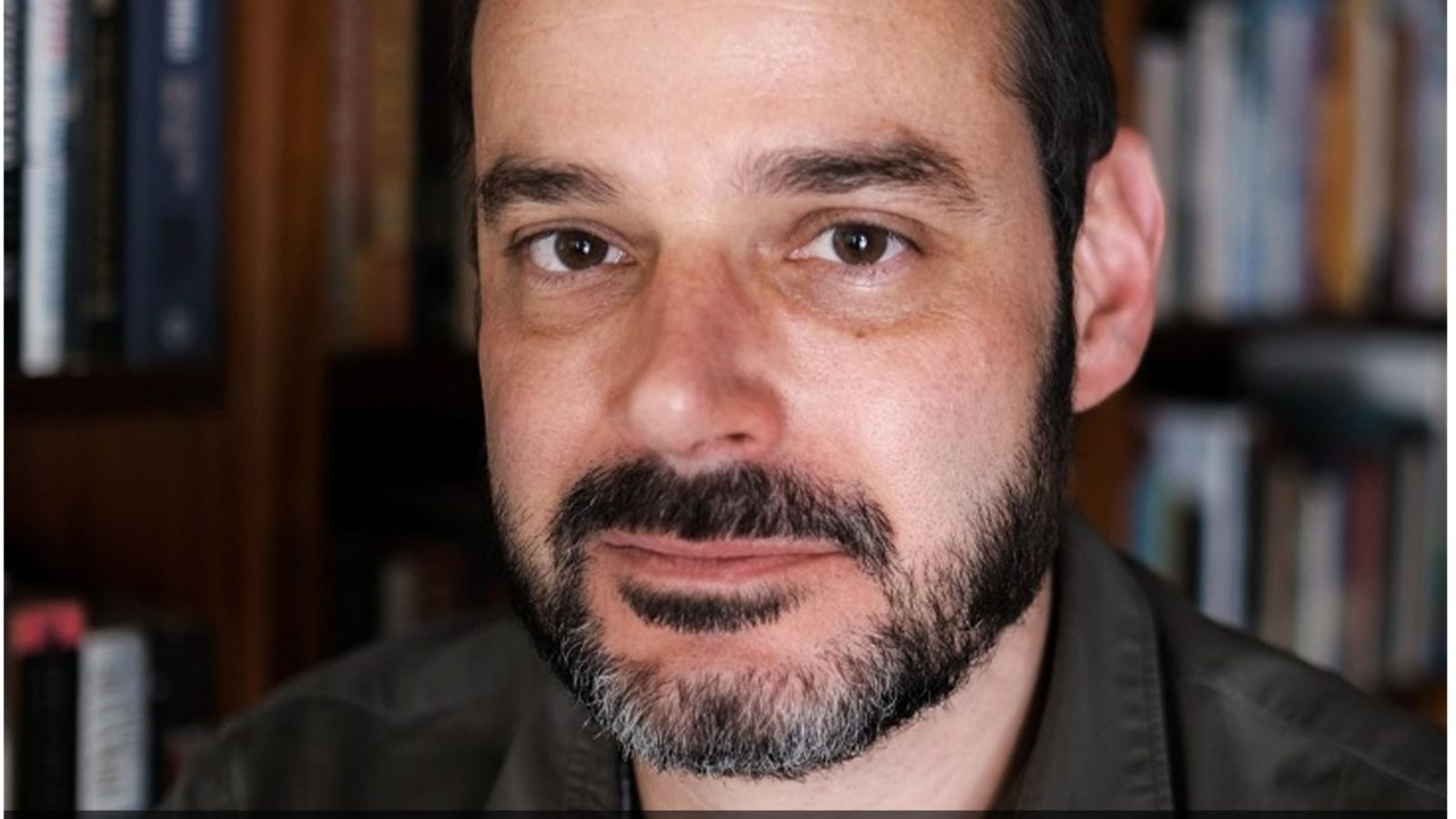
Julian Rademeyer, senior advisor to the Global Initiative Against Transnational Organised Crime, said that suspected politically motivated hits were continuing to occur across the country in 2026.
In an interview with 702 Drive, he said the organisation has documented close to 200 political assassination cases in South Africa since 2000, with a clear link between election periods and an increase in killings.
“Many of those, what we do see is a particular spike around municipal and local government election years,” Rademeyer said.
He said more than half, or around 56%, of the political assassinations documented since 2000 took place during local government election years. This is linked to increased competition over municipal resources, tenders and political positions.
“It’s a period when there’s contestation over resources in municipalities and increasingly dwindling resources,” he said.
“It’s when tensions over access to tenders, resources come to a head, but it’s also in some instances a way of eradicating opposition to people taking up positions.”
This warning comes as South Africa heads towards another local government election period, with his research recording 23 suspected political assassination incidents involving 26 deaths across five provinces since the start of 2026.
However, he cautioned that political killings are not always straightforward to classify, as political competition can overlap with organised crime, the taxi industry, extortion and other criminal activities.
According to Rademeyer, individuals involved in the taxi industry, extortion or political contests over positions and access to money and tenders can become caught up in the violence.
He said the criminalisation of politics is not a new phenomenon and has been highlighted by previous commissions of inquiry, including the Moerane Commission in 2018.
The violence is also not confined to major political parties. Rademeyer said killings involving civic organisations and activists have been “extremely worrying for a long time”.
A growing sense of impunity
While the sample of cases involving civic movements remains relatively small, Rademeyer said the broader pattern is concerning, particularly as political killings appear to be spreading across different political organisations.
He also pointed to the renewed concentration of political killings in KwaZulu-Natal during an election year. The province has historically been one of the main centres of political violence in South Africa.
Rademeyer warned that the country may be reaching an “inflexion point” where political violence becomes increasingly entrenched.
“I think that we’ve reached a point, an inflexion point in some ways in our politics,” he said, adding that there is growing recognition at the national level that action is required.
However, he argued that South Africa remains poorly equipped to deal with the scale of political killings and other forms of assassination.
“Apart from, for instance, the political killings task team and the work that they’re doing, we are still sorely underequipped to try and tackle the scale of political killings, never mind other assassinations in South Africa,” Rademeyer said.
A major concern is the apparent lack of consequences for those involved. Rademeyer said there appears to be a growing perception that contract killings can be carried out with limited risk, while the amounts paid to assassins can be relatively low.
“There does seem to be a greater sense of impunity and a sense that you can get away with this,” he said.
According to Rademeyer, the amounts offered for a hit can range from around R5,000 to R75,000 or R100,000, depending on the circumstances.
He also warned that South Africans may be becoming increasingly desensitised to political and organised crime killings, particularly when incidents receive limited media attention.
“It’s become more common, and I think we’ve somehow become a bit more inured to it,” Rademeyer said.
He argued that the relatively limited coverage of many killings, particularly those occurring in rural areas, risks allowing the problem to become normalised.
“You do reach, I think, a tipping point where this becomes almost, I wouldn’t say an accepted part, but certainly an acknowledged part of political processes, and that’s very dangerous,” he said.
















 Loading ...