

One province in South Africa asks residents to start producing their own food


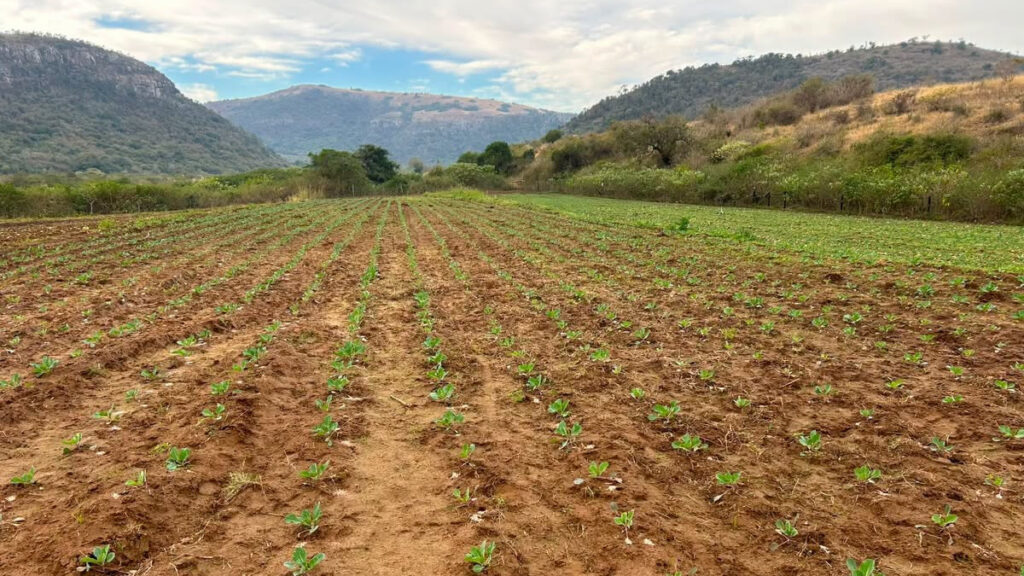
The Eastern Cape Department of Agriculture has urged communities to grow their own food through the province’s Ilima Lokulima (“Let’s cultivate together”) programme to combat food insecurity.
Eastern Cape Agriculture MEC Nonceba Kontsiwe recently visited food gardens and community agricultural projects in Makhanda, located in the Sarah Baartman District.
This visit was part of the department’s initiative to promote household food production, reduce poverty, and strengthen food security.
The programme was launched in 2024 following findings from the South African Human Rights Commission, which reported high levels of poverty and malnutrition in the province.
Through Ilima Lokulima, households and smallholder farmers have received production packs, farming tools, and equipment support.
The department’s spring water protection programme has led to the installation of taps in several villages, providing households with access to water and creating employment opportunities.
Beneficiaries at the Makhanda projects reported that access to land, equipment, and agricultural support has significantly improved their livelihoods and reduced their household food costs.
The project also aims to reduce household costs and create income opportunities through agricultural production.
Union Against Hunger Founder Mark Heywood told the SABC that the hunger and malnutrition crisis in the Eastern Cape is very severe.
“Over 30% of children by the age of five are stunted due to insufficient nutritious food. Hundreds of children die every year because of severe acute malnutrition,” said Heywood.
He explained that thousands of families in the Eastern Cape live with hunger as an “almost permanent condition.”
“The Eastern Cape is one of the provinces in the country that is worst affected by hunger and malnutrition,” he said.
While the Eastern Cape is being hard hit, Heywood said that hunger and malnutrition are a nationwide crisis in South Africa, affecting all provinces.
Although food insecurity in South Africa is high, it is not an agriculturally constrained country. South Africa is a country that produces a significant agricultural surplus.
Safety concerns over informal grocery shops in Gauteng
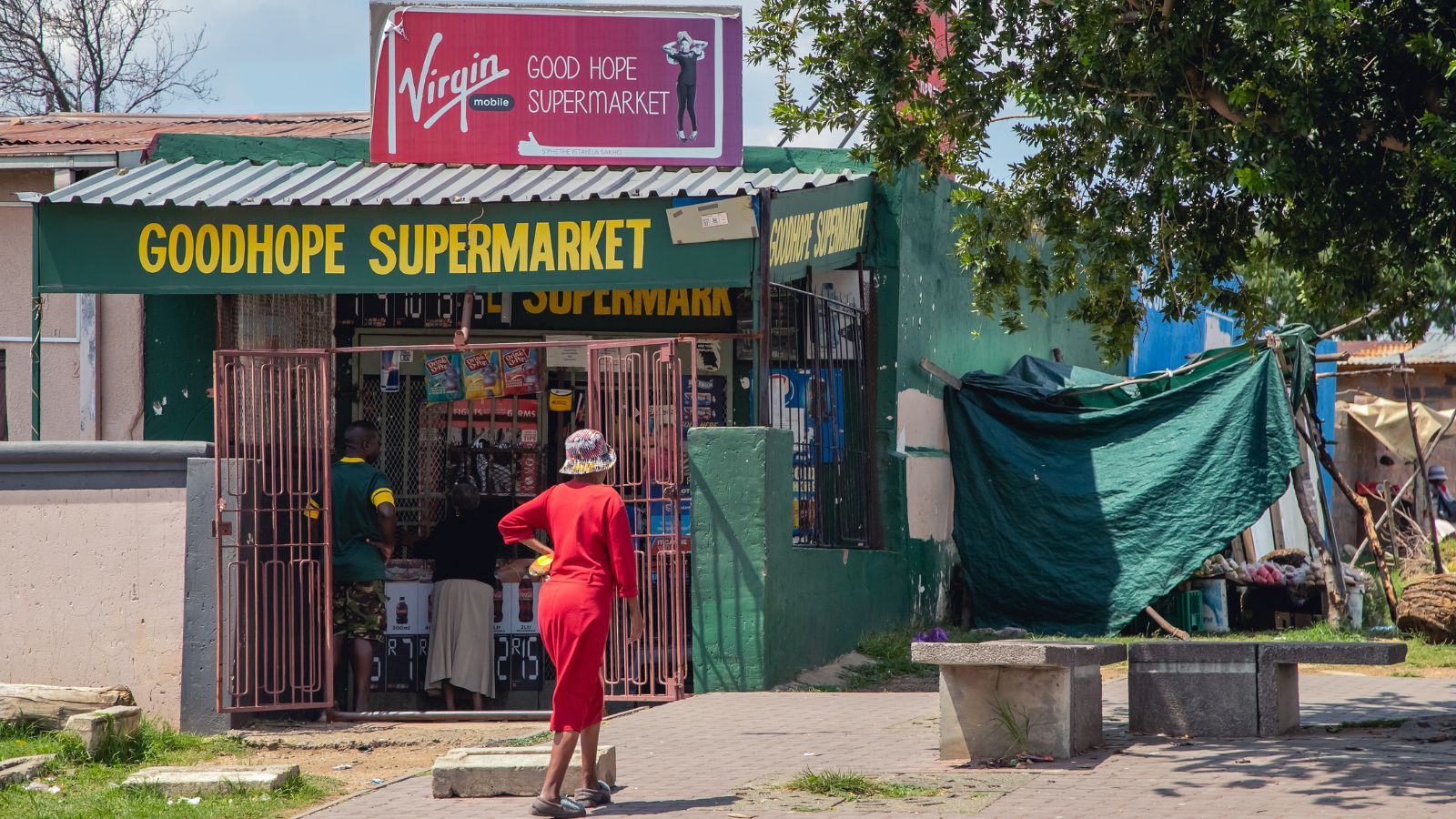
Food insecurity is present in many of South Africa’s provinces, pushing people to rely more on the informal market.
Earlier this year, the Public Protector published preliminary findings concerning the enforcement of food safety regulations at spaza shops in Gauteng.
The report indicated that municipalities in the province have failed to effectively enforce food safety regulations in tuck shops and other food-handling businesses.
This investigation was initiated after several children across the country tragically lost their lives in 2024 after allegedly consuming snacks from spaza shops.
Specifically, 20 children, most of whom were aged between eight and ten years old, died in this incident.
The investigation revealed the presence of toxic organophosphate pesticides in the snacks that the children consumed.
The report highlighted that Gauteng has only about 30% of the environmental health inspectors it requires.
This shortage means that many tuck shops, informal shops, and other food outlets operate with little to no oversight.
The Public Protector identified a critical shortage of inspectors, which has resulted in ongoing food-poisoning risks.
About 72% of informal spaza shops across South Africa are operating without the necessary licenses.
Spaza shops, also known as tuck shops, originated during the Apartheid-era South Africa when historically disadvantaged individuals were restricted from owning formal businesses.
In response, they began setting up informal, micro-convenience shops from their homes to serve the daily needs of their communities in the townships.
The term “spaza” is a generic Northern Sotho colloquial expression meaning “hidden” or “camouflaged.”
Vusumuzi Dlamini, Gauteng Provincial Representative and part of the investigations, informed SABC that the local government, specifically the municipality, holds primary responsibility for enforcing food safety in the country.
He said that municipalities must employ inspectors to ensure compliance from food retailers, spaza shops, and other food preparation establishments, as required by the Constitution.


















 Loading ...