

New rules to stop politicians from spreading lies in South Africa


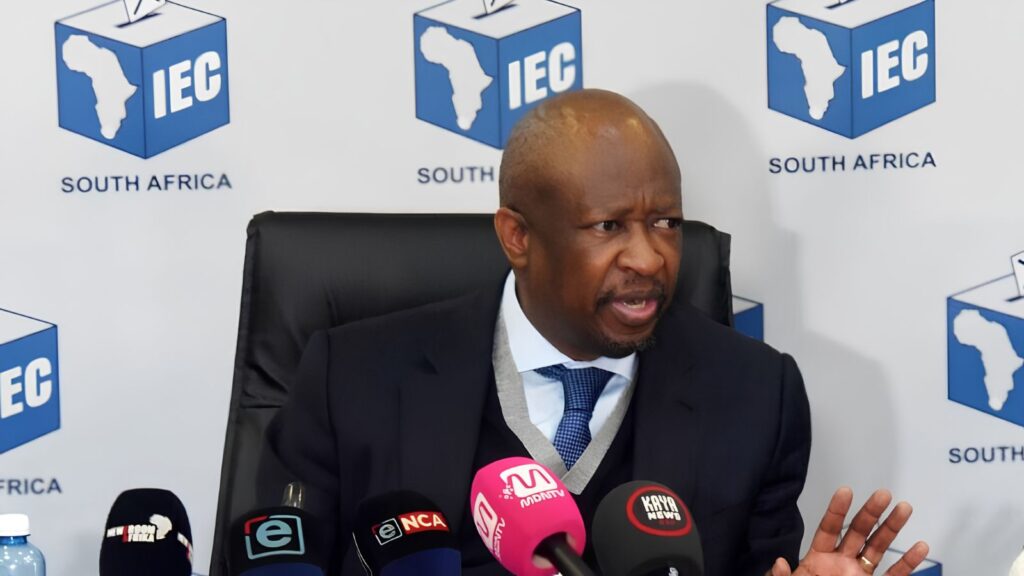
The Independent Electoral Commission (IEC) has gazetted new rules for political parties, introducing stricter rules for spreading and responding to disinformation.
The Electoral Code of Conduct Countering Disinformation in the Local Government Elections (disinformation code) was introduced by the IEC as part of the electoral code of conduct.
“The Disinformation Code is part of the Electoral Code of Conduct. Any contravention of the Code is therefore treated as a breach of the Electoral Code of Conduct and is subject to sanction under the Act,” the IEC said.
The code will require political parties to verify the accuracy of information they share, or that is shared on their behalf, before it is distributed.
It will also require parties and political candidates to publicly retract and correct any false or misleading information they share within 36 hours of becoming aware of it.
The code specifies that parties and candidates must avoid using “deceptive practices” such as fake online accounts, bot networks, and coordinated inauthentic behaviour.
Coordinated online bot campaigns have become increasingly prevalent in global politics, where fake social media accounts are used to spread disinformation or discredit parties and candidates.
Videos and images generated using AI will also have to be labelled as “synthetic” before being distributed by any political figure.
The disinformation code will require that political advertising is clearly identified as such, “so the public can identify who is behind it.”
“The Code also specifically prohibits disinformation targeting the Commission, its Commissioners or its staff, requiring parties and candidates to correct it publicly where it occurs,” the IEC said.
Violations of the disinformation code can be reported on the site Real411, which is available to all South Africans.
According to Real411, digital disinformation encompasses false, inaccurate, or misleading information strategically crafted and presented to sow discord and cause public harm.
All election-related complaints are shared with the Electoral Commission’s Directorate for Electoral Offences.
Real411 submits its independent outcomes to the IEC, which, with its integrity and impartiality, carefully assesses each case and ensures that appropriate measures are taken.
The IEC said the new code will provide “guard rails for political parties, candidates and anyone acting on political parties’ or candidates’ instructions”.
The commission also specified that the code “explicitly protects legitimate and robust debate” by ensuring information being shared is accurate.

















 Loading ...