

Encouraging oil recycling in the engineering and mining industries with the ROSE Foundation


The engineering and mining sectors are at the heart of South Africa’s economic development, providing energy, raw materials, and infrastructure for industries that power the nation.
However, these sectors also generate large volumes of used lubricating oil – one of the most common yet hazardous industrial wastes left unmanaged.
When disposed of irresponsibly, used oil can contaminate water supplies, damage soil quality, and release toxic pollutants that are harmful to communities, ecosystems, and future generations.
It takes just one liter of used oil to pollute up to one million liters of clean water.
This sobering fact highlights the urgent need for engineering and mining companies to manage oil waste responsibly.
This is where the ROSE Foundation (Recycling Oil Saves the Environment) plays a crucial role.
For more than 30 years, ROSE has provided a framework for the safe collection, recycling, and reuse of used lubricating oil across South Africa.
By partnering with ROSE, the industries can embed sustainability into their operations while meeting compliance requirements and advancing their Environmental, Social, and Governance (ESG) goals.
Why used oil recycling matters in engineering and mining
Mining and engineering operations rely heavily on machinery, vehicles, and equipment that use lubricants.
Over time, this oil becomes contaminated with dirt, chemicals, water, and metal particles, making it unsuitable for further use.
If improperly handled, this waste can:
- Pollute groundwater and soil, creating long-term environmental damage.
- Harm workers and surrounding communities through toxic exposure.
- Violate environmental legislation, resulting in fines and reputational harm.
On the other hand, when recycled correctly, used oil transforms from an environmental liability into a valuable resource.
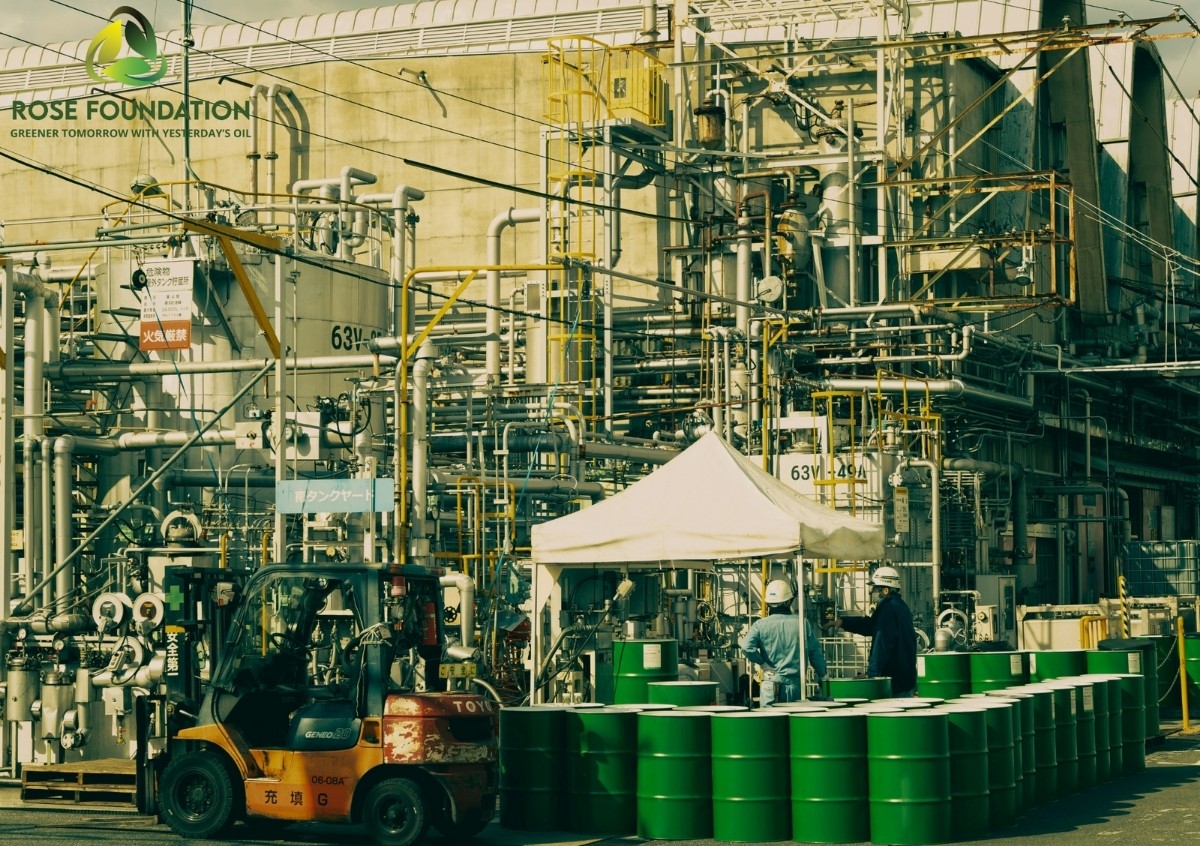
Through ROSE’s approved collectors and processors, used oil is safely transported to facilities where it is either re-refined into base oil, converted into industrial heating fuel, or used in other energy-recovery applications.
This circular approach reduces demand for virgin oil extraction, lowers carbon emissions, and supports South Africa’s transition to a more sustainable economy.
The ROSE Foundation Model: A partnership approach
ROSE Foundation operates a national network of licensed collectors and processors, ensuring that used oil is managed in line with legal and environmental standards.
The organization also works closely with government, industry stakeholders, and the public to drive awareness and education on responsible oil management.
For engineering and mining companies, partnering with ROSE offers several advantages:
Compliance and peace of mind
The collection, storage, and recycling of used oil is regulated by South African law.
Partnering with ROSE ensures that companies remain compliant with the National Environmental Management Act (NEMA) and Waste Act requirements.
Trusted collection network
ROSE-accredited collectors are trained, equipped, and certified to handle hazardous waste responsibly.
This removes the risk of oil being collected by informal or unlicensed operators who may dump it illegally.
Environmental stewardship
Companies demonstrate measurable commitment to sustainability by preventing pollution and reducing their carbon footprint through recycling.
Industry recognition and stakeholder value
Demonstrating responsible oil management supports corporate ESG strategies, strengthens stakeholder confidence, and positions companies as leaders in sustainable mining and engineering practices.
Practical steps for engineering and mining companies
Partnership with ROSE Foundation is straightforward.
Engineering and mining firms can implement the following measures to align with the national oil recycling ecosystem:
1. Audit Oil Usage
Start by quantifying the volume of lubricating oil consumed and the waste generated.
This creates a baseline for monitoring and reporting progress.
2. Designate Safe Storage Areas
Used oil should be stored in sealed, labeled containers placed on bunded (spill-proof) surfaces to prevent leaks and contamination.
3. Engage an Accredited Collector
Work only with ROSE-approved collectors who follow strict safety, transport, and reporting standards.
4. Educate Staff & Contractors
Train employees on safe handling of used oil, the importance of recycling, and reporting procedures for spills or leaks.
5. Document & Report
Keep records of oil collected and recycled.
ROSE Foundation provides certificates of safe disposal that can be used for compliance reporting and ESG disclosures.
6. Collaborate Beyond Compliance
Partner with ROSE on awareness campaigns, community outreach, and sustainability projects that expand impact beyond the mine or plant gates.
Success stories in action
Several engineering and mining companies in South Africa have already embedded oil recycling into their sustainability practices.
Through partnerships with ROSE Foundation-accredited collectors, these businesses have diverted thousands of liters of used oil from landfills and waterways, contributing to cleaner environments and safer communities.
This collective impact demonstrates that sustainability and industrial growth can go hand in hand.
By adopting circular economy principles, the mining and engineering sectors can ensure their operations remain viable while safeguarding South Africa’s natural resources for future generations.
A Greener Tomorrow with Yesterday’s Oil.
Click here to learn more about the work of the foundation and how you can be a part of the movement.


















 Loading ...