

Strengthening Township Industry: Gauteng’s Chemical Support Programme builds Market-Ready Manufacturers


The Gauteng Department of Economic Development (GDED) has successfully concluded the Chemical Support Programme for the 2025/26 financial year, one of the flagship projects under the Department’s High Impact Partnership Delivery Model (HIPDM).
The programme is part of GDED’s broader strategy to strengthen priority sectors through structured, partnership-led implementation.
Under the HIPDM, the Department works through specialised incubators and sector experts to ensure that support is practical, measurable and directly linked to business growth.
Rather than offering fragmented assistance, the model focuses on coordinated interventions that drive compliance, competitiveness and sustainable market access.
Through the Chemical Support Programme, 28 MSMEs operating within the chemical, cosmetics, and cleaning products value chain were supported during the 2025/26 financial year, exceeding the initial target of 25 businesses.
The impact has been tangible:
- 28 MSMEs supported (Target: 25)
- 25 new jobs created
- 13 jobs sustained
- R2,676,895.96 in revenue generated
The programme significantly outperformed its revenue target, demonstrating the effectiveness of structured market access support and product positioning.

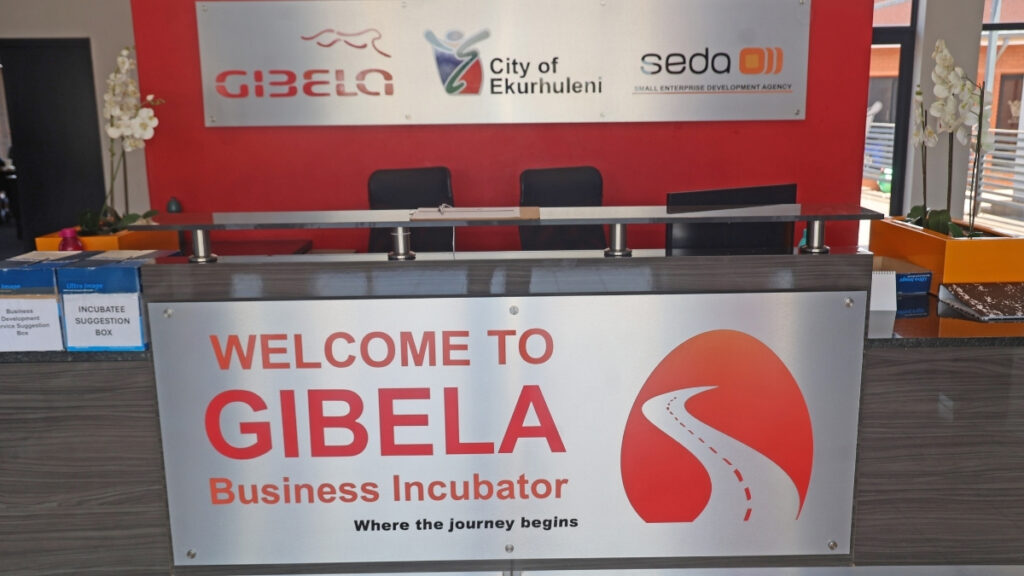
A key implementing partner under the HIPDM was the Gibela Business Incubator, which was contracted to support 25 SMMEs and exceeded its mandate by assisting 28 enterprises.
Collectively, the supported businesses created 25 new jobs, sustained 13 jobs and generated over R2.6 million in revenue through expanded market access opportunities.
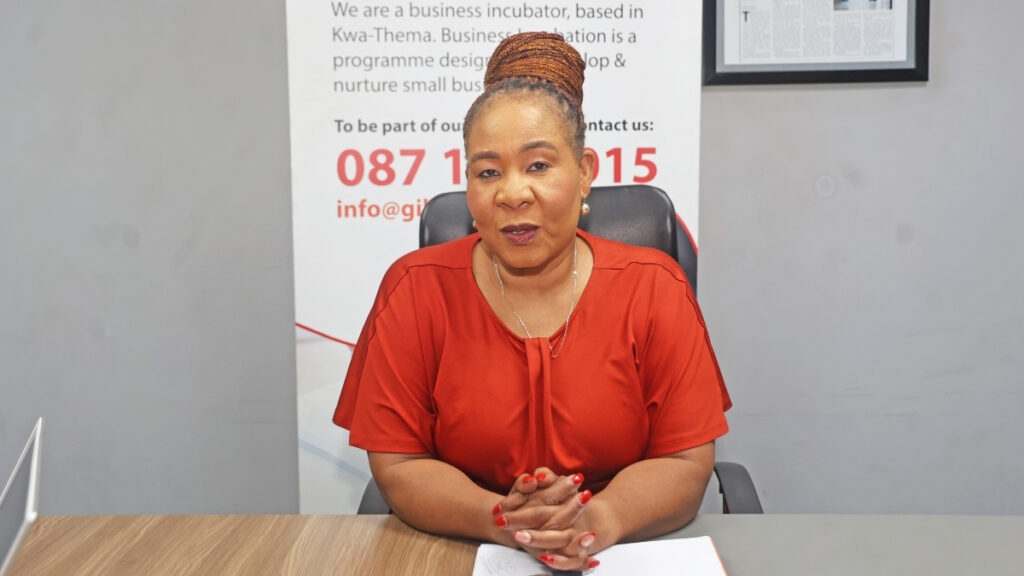
Gibela CEO Justine Mogashoa said the results highlight the growth potential within township-based manufacturing when structured support is applied.
“We were funded to support 25 SMMEs, and we exceeded that target by supporting 28. Those businesses created 25 jobs and sustained 13 more, generating approximately R2.6 million in revenue. This demonstrates that township-based manufacturers in the chemical sector can grow and compete when provided with focused, technical and practical support.”

Support provided through Gibela went beyond classroom-based training. Businesses received:
- Product development and formulation support
- Compliance assistance (SARS, CIPC and B-BBEE certification)
- Workplace hazardous control training
- Guidance on SABS quality standards
- Intellectual property and branding advisory
- Packaging redesign and barcode (GS1) implementation
- Digital marketing tools, including websites, logos, email signatures and business profiles
- Facilitation of funding applications through SEDFA, NYDA, DSBD and other agencies
The objective was clear: ensure enterprises are not only compliant, but retail-ready and positioned for formal market participation.
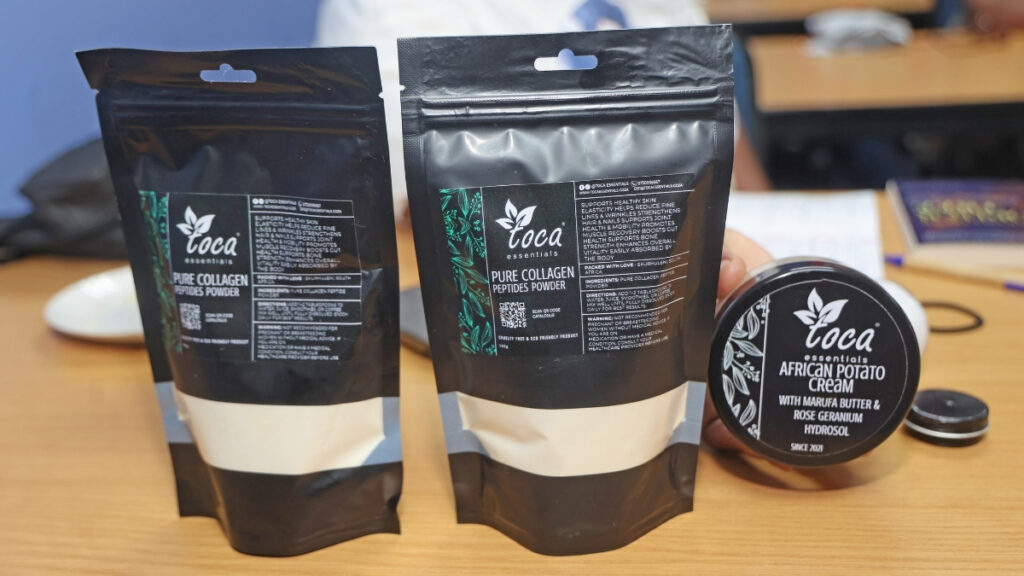
For Lebo Skosana, founder of Toca Essentials, the programme delivered transformative results.
Her business manufactures wellness and cosmetic products using African indigenous herbs.
“The programme assisted us with testing our product, designing the packaging and improving our African potato cream,” she said. “We were also supported to secure a GS1 barcode, which gives our product a globally recognised identity and positions us for international markets.”
Today, Toca Essentials operates as a compliant, professionally branded business with the capacity to expand beyond township markets.
Similarly, Babalwa Mnyanda, founder of B Detergents, strengthened her brand positioning and market reach through the programme.
“I benefited significantly from the programme. With their support, I repositioned my brand and intensified my marketing efforts. My logo was redesigned to professionalise the business and give it a fresh perspective, and I received digital marketing support to amplify my products.”

As a result of this structured support, B Detergents secured listings on major e-commerce platforms, including Makro, Amazon, Takealot, and the Proudly South African online store, demonstrating enhanced competitiveness.
Mr Uyabongeka Walaza, who oversees the programme at the department, noted that the Chemical Support Programme demonstrates how the High Impact Partnership Delivery Model translates policy into measurable outcomes.
“The High Impact Partnership Delivery Model allows us to leverage specialised incubators like Gibela to deliver structured, measurable results. The achievements, from jobs created and sustained to revenue generated and market access secured, demonstrate how strategic partnerships can drive inclusive industrial growth in township economies.”
The Chemical Support Programme confirms that township-based manufacturers in the chemical sector are not merely surviving, they are formalising, scaling and competing in mainstream markets.
By exceeding its targets in business support, revenue generation, youth and women participation, and disability inclusion, the programme stands as a practical example of how partnership-driven implementation can unlock township industrial potential.
As one of the key projects under the High Impact Partnership Delivery Model, the initiative reflects Gauteng’s broader commitment to strengthening local manufacturing, deepening economic inclusion and building market-ready enterprises capable of driving long-term provincial growth.
Click here to learn more about the Gauteng Department of Economic Development High Impact project.















 Loading ...