

The strong investment case for residential property in South Africa



At the IHS Affordable Housing Conference 2026, sponsored by Nedbank Corporate and Investment Banking (CIB), experts highlighted the excellent investment case for residential rental properties at an institutional level.
The development of affordable residential property is an important part of growing South Africa’s economy.
However, for institutional investors, the positive impact of affordable housing must be matched by a strong investment case that balances risk and return.
This was one of the main themes at the annual IHS Affordable Housing Conference 2026, held in Johannesburg on 10 September 2026. Since 2005, International Housing Solutions (IHS) has been investing in the affordable housing sector across South Africa, Namibia, Botswana and Kenya. Over this period, IHS has delivered more than 33,000 homes across the continent, raised over R25 billion in institutional capital from local and international investors, and built a portfolio with more than R7 billion in assets under management.
The experts at the conference all agreed that there is growing interest in the sector and capital available for such projects.
They also agreed that there is a clear housing shortage in South Africa, and it is unlikely to diminish anytime soon without private sector participation.
“The availability of data builds confidence in terms of the risk profile of the asset class, so many more investors are now comfortable to play in this space,” said Khayise Mashifane, Executive: Residential Finance at Nedbank Corporate and Investment Banking (CIB).
Now, the challenge lies in developers convincing institutional investors that their specific developments and property portfolios present a strong enough investment case. Panel moderator Solly Mboweni, Managing Director of IHS South Africa, highlighted another critical point that permeated the event: the strong investment case for affordable housing is now found in professionally managed investable rental portfolios.
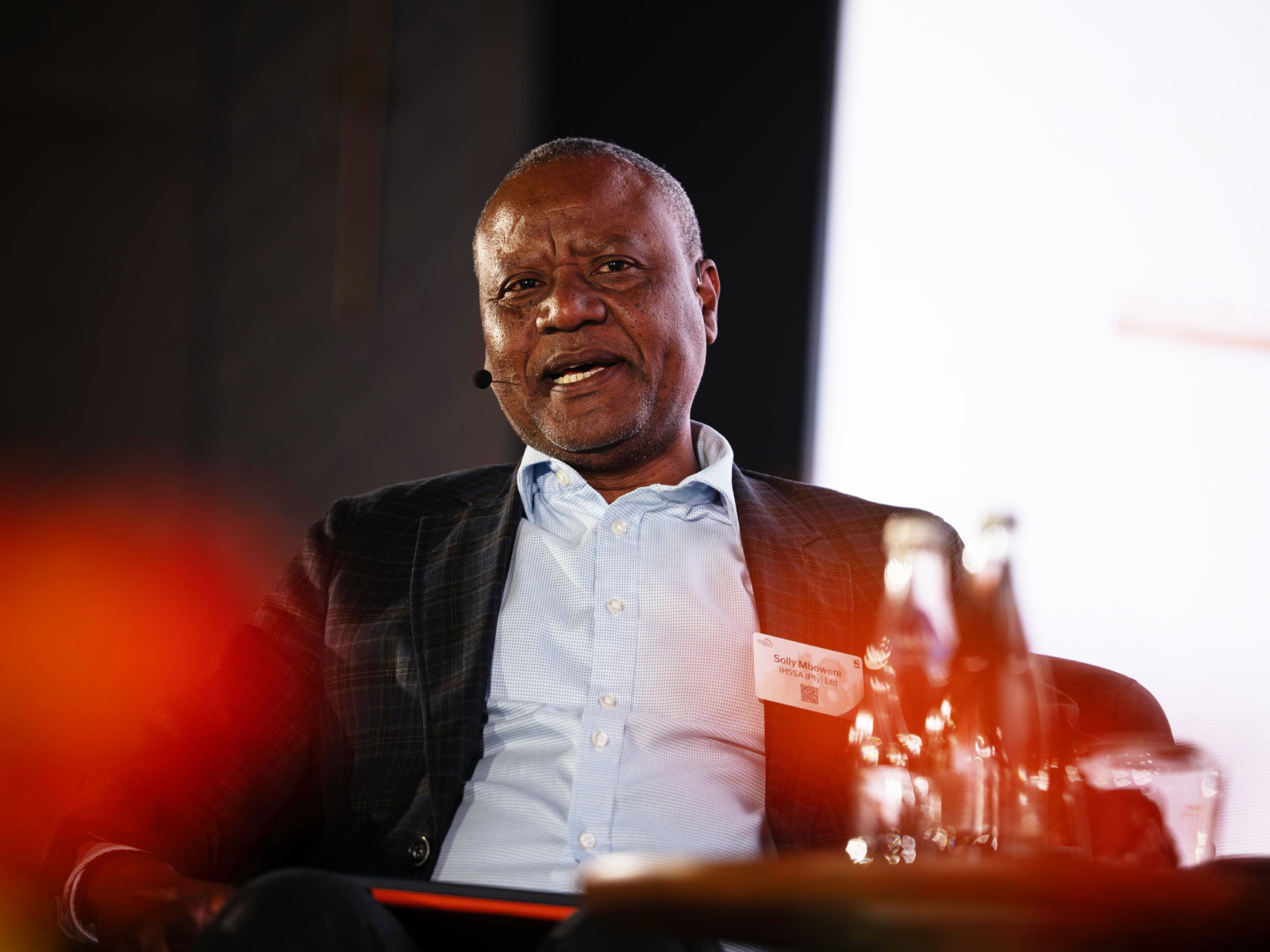
Solly Mboweni, Managing Director of IHS South Africa
The reason for this is simple: residential rentals have a track record of success that is easily provable to the holders of capital.
“We have clear data to justify investment – high levels of occupancies, high rental recoveries, and the ability to be a defensive asset,” said Gregory Coe, Head: FSC Fund at Old Mutual Alternative Investments, Impact Investing.
Of particular benefit is the fact that rental property is a tangible asset that comes with a relatively predictable yield.
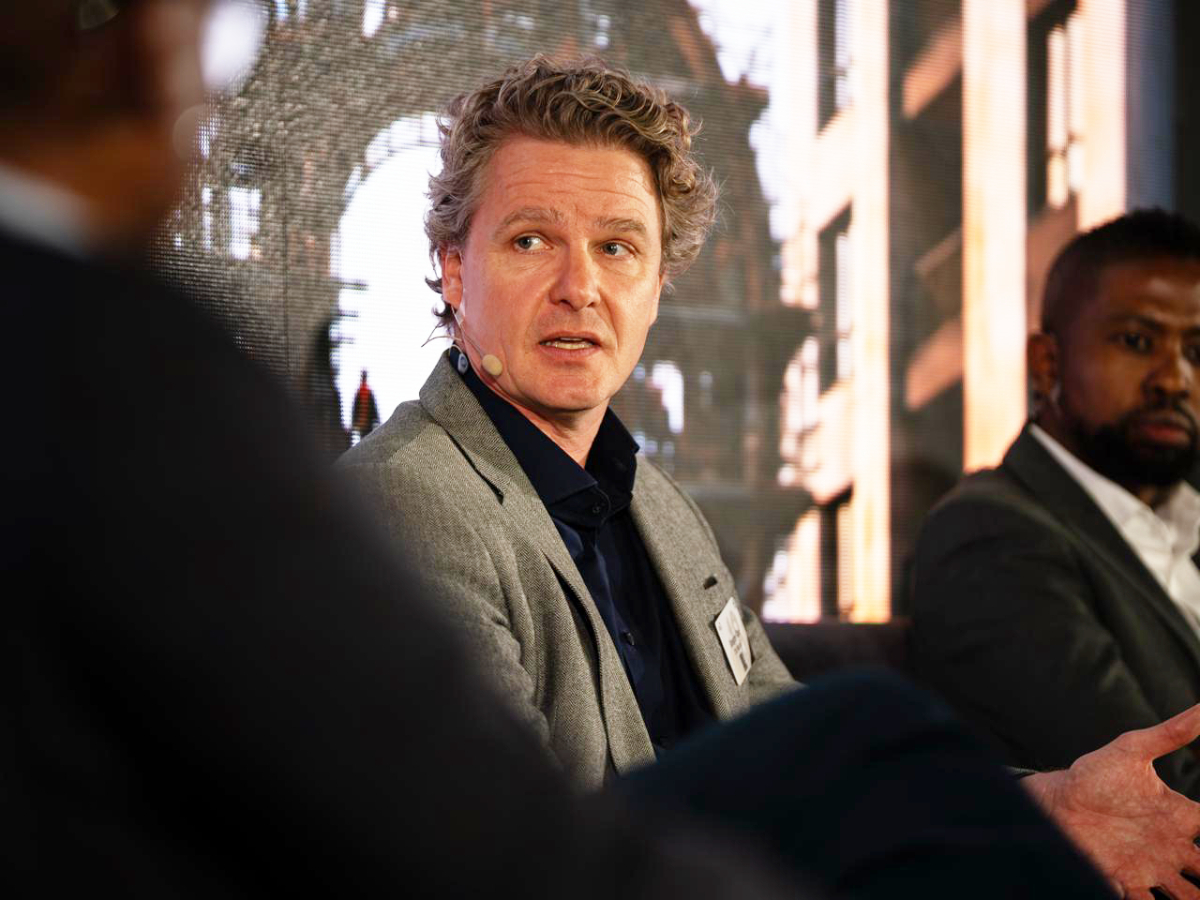
Gregory Coe, Head: FSC Fund at Old Mutual Alternative Investments, Impact Investing
“Rent goes up every year, and it beats inflation,” added Modise Mongane, Investment Analyst – Alternative Investments at Alexander Forbes.
He explained that from a payer’s point of view, that is not good.
But from an investor’s point of view, it provides important inflation protection.

Modise Mongane, Investment Analyst – Alternative Investments at Alexander Forbes
It also positions affordable housing rental portfolios as a strong defensive investment asset class.
“It really came home to roost in COVID, where shopping centers couldn’t trade,” said Rob Wesselo, Group Managing Director at the IHS.
Wesselo explained that during the COVID pandemic, the rental housing market was a rare steady investment at a time when most other industries were brought to a standstill.
This was a great way to prove that the affordable housing rental market is a defensive investment.
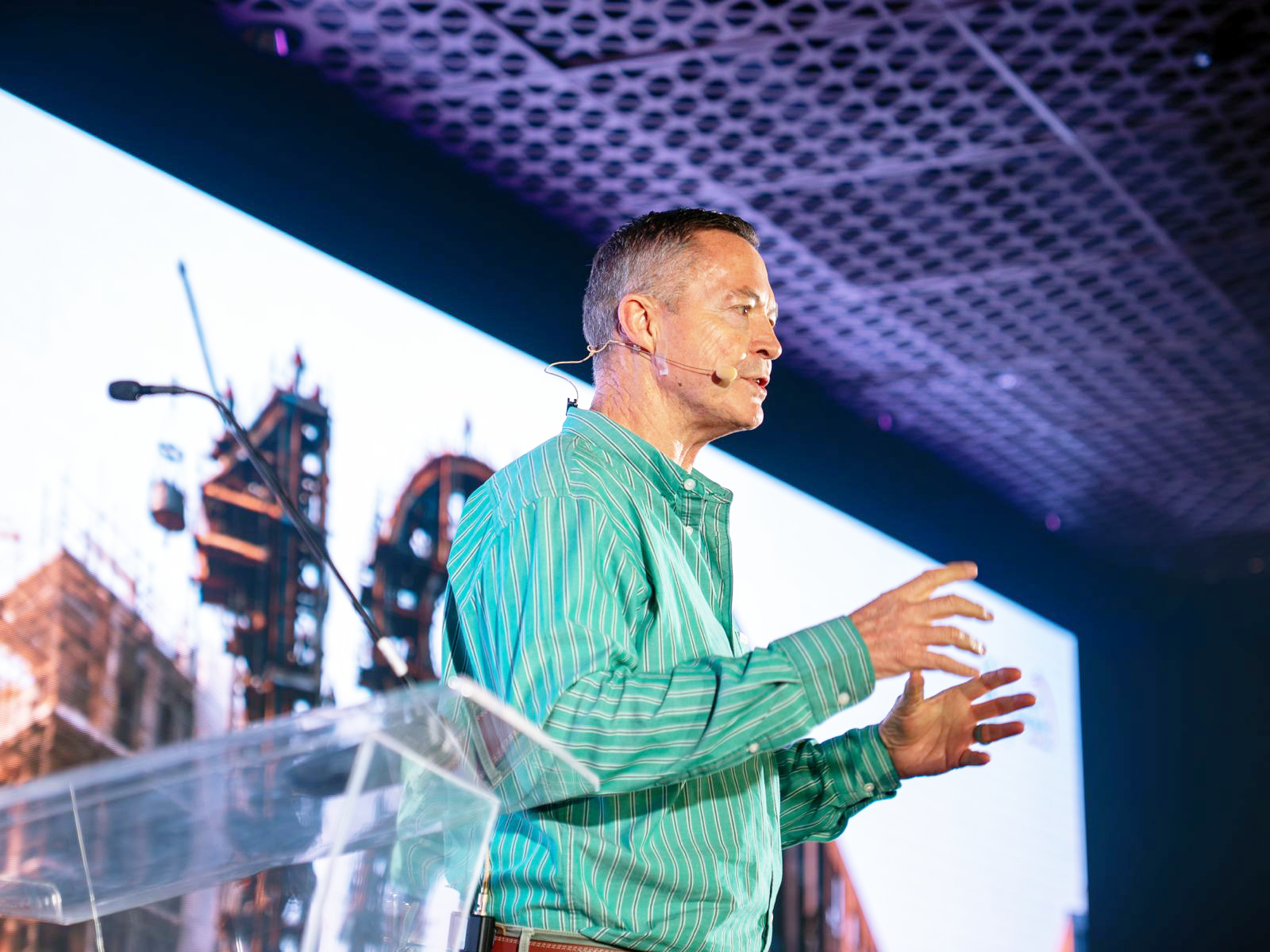
Rob Wesselo, Group Managing Director at the IHS.
Finding the right investors
Attracting investors, therefore, is the next step – but not every investor is going to be the right fit.
Heleen Goussard, Head of Alternative Investment Services at RisCura, said that when approaching investors, it is first important for developers to understand how these investors want to make a social impact.
“It [The desired impact] is usually localized and personalized to the pool of money that is being managed,” said Heleen.
Some of these investors prioritise affordable housing, and are therefore a great match, but others are focusing on other types of impact, such as environmental sustainability.
It is therefore important for developers to identify the investors who are most suitable to invest in the affordable housing sector.
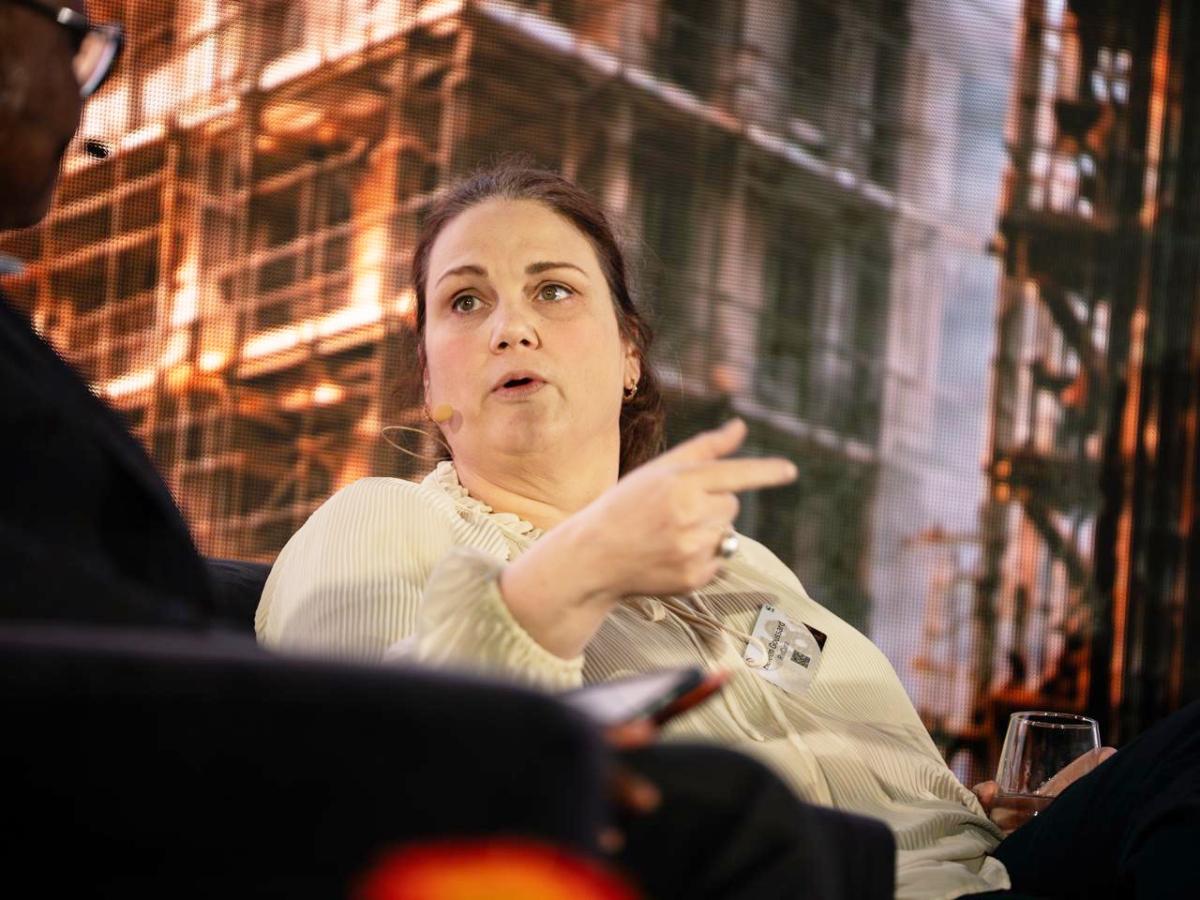
Heleen Goussard, Head of Alternative Investment Services at RisCura
Across all these scenarios, however, one trend is clear – impact as a general concept is an increasingly important priority for institutional investors.
For Tshepo Radebe, Private Markets Analyst at the EPPF, the impact opportunity is exciting and easily marketable because it targets the missing middle.
This is not a common opportunity, but it is one that is extremely important for growing South Africa’s economy – making investors feel like they are making a real difference.

Tshepo Radebe, Private Markets Analyst at the EPPF
Vanessa Murray, Divisional Executive: Property Finance at Nedbank CIB, emphasized that while capital is looking for a home, developers must make sure they are investable.
“Skill, technical capability, and the track record of the developer are probably the biggest stumbling blocks we face when assessing a project,” said Murray.
Once the investor is comfortable with those factors, the final challenge is whether the product they are offering is fit for purpose.
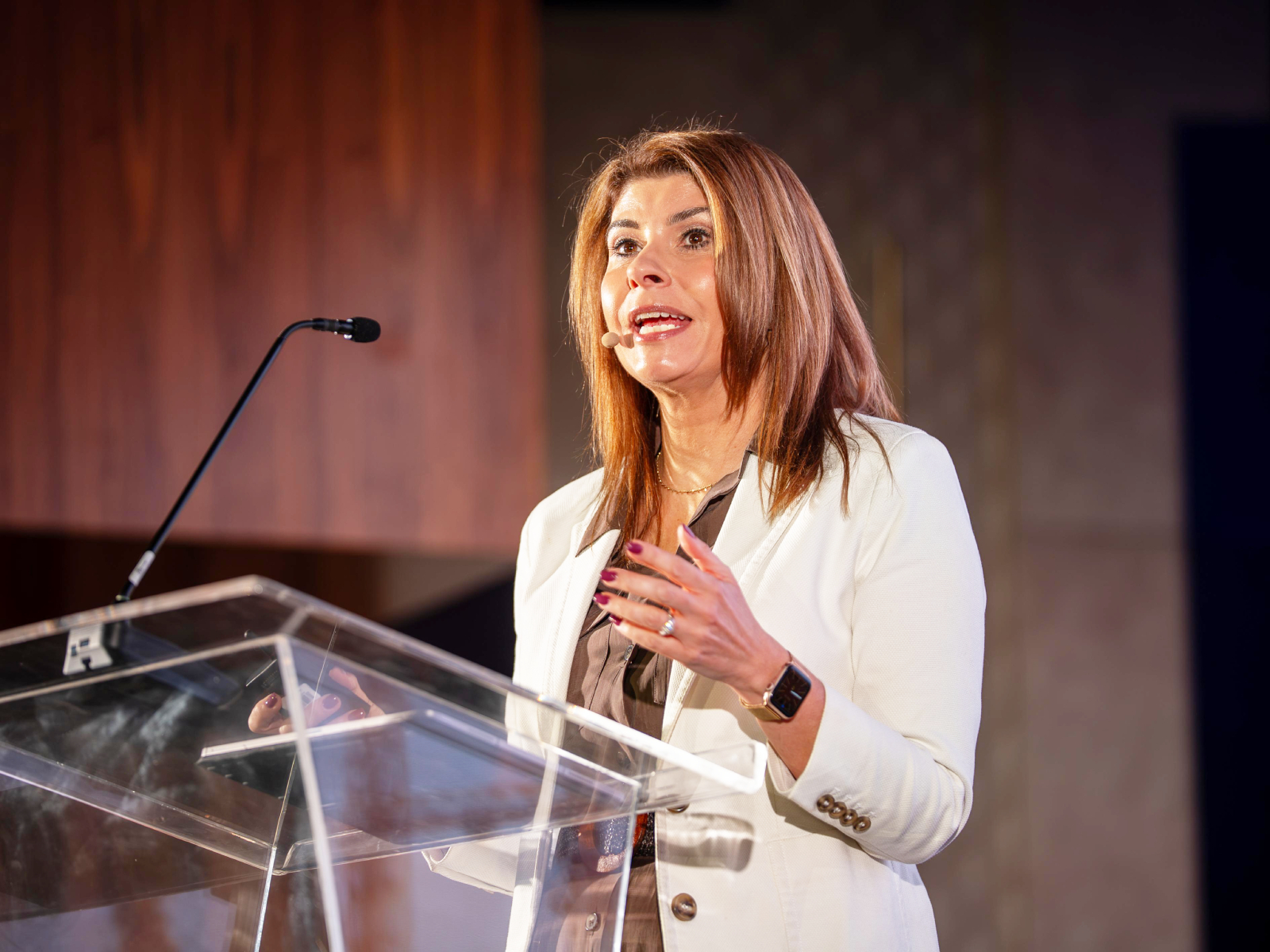
Vanessa Murray, Divisional Executive: Property Finance at Nedbank CIB
Furthermore, the residential property investment must be easy to understand for the investor.
Thato Dikgale, Executive Head: Investment Consulting Services at NBC Holdings, said that in his experience, over-complicating matters with confusing terms and concepts distracts potential investors from the true value in the sector.
“Unless we remove the opaqueness of the sector, we are effectively robbing this asset class of cash flow and money flowing in its direction.”

Thato Dikgale, Executive Head: Investment Consulting Services at NBC Holdings
Lowering costs
The investment case is clearly there for affordable housing, but to seal the deal, it is important that costs are kept down to keep investors interested.
Further discussions were therefore held on how the costs of developing affordable housing can be brought down.
The experts agreed that cost issues are usually most prevalent before construction even begins.
These risks include factors like project development, the planning phase, and choosing the right teams for specific projects.
Managing these risks is important to ensure costs don’t balloon out of control – or scare investors off.
Furthermore, procurement is a critical component – as choosing the wrong materials can result in increased financial implications down the line.
There are interesting opportunities in the procurement space, including importing from markets like China, but it is only applicable on a case-by-case scenario.
Across all these areas, with the right development and project management teams in place, decision-making is more effective.
IHS Affordable Housing Conference 2026
Conversations like these made the IHS Affordable Housing Conference 2026 an impactful event.
Attendees heard great insights about the important topics impacting affordable housing, with further panels highlighting the importance of female representation in the housing sector and the adoption of PropTech and AI for developers, managers and funders.


















 Loading ...