

Town with one of the most polluted dams voted as the best in South Africa


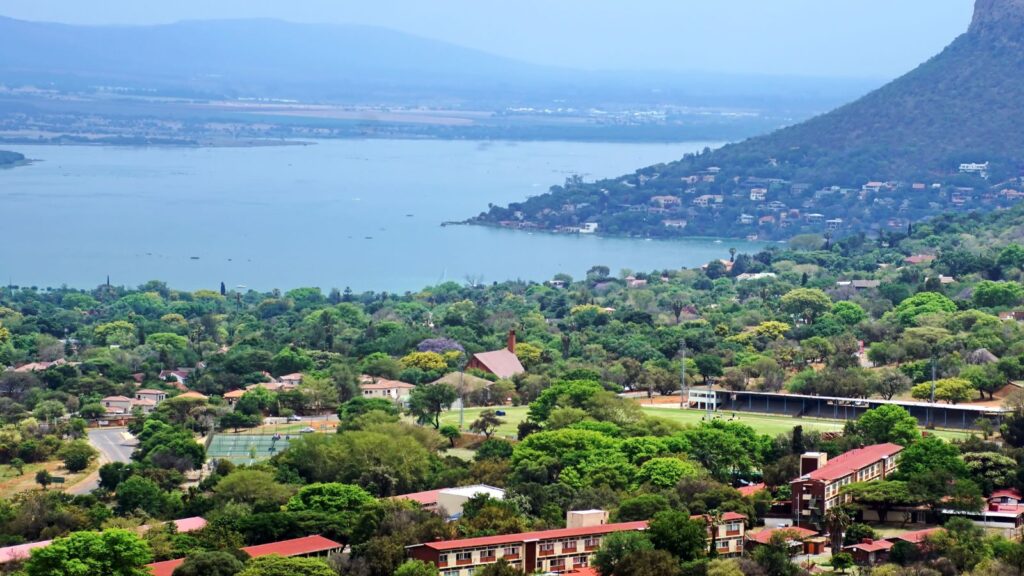
Hartbeespoort has been named South Africa’s Town of the Year by kykNET’s Afrikaans magazine programme Kwêla.
However, the town’s main attraction, the Hartbeespoort Dam, is slowly deteriorating in front of everyone’s eyes.
The North West town was the winner for 2026 after competing against nine other finalists in the annual competition, which is open to towns in South Africa and Namibia with populations of fewer than 500,000 people.
The competition recognised small-town character, resilience, hospitality, community involvement and civic pride.
As part of its prize, Hartbeespoort received R1 million from Lottoland to invest in infrastructure, along with R1 million worth of airtime from kykNET.
The award highlighted Hartbeespoort’s tourism appeal and the lifestyle associated with living around one of South Africa’s best-known inland holiday destinations.
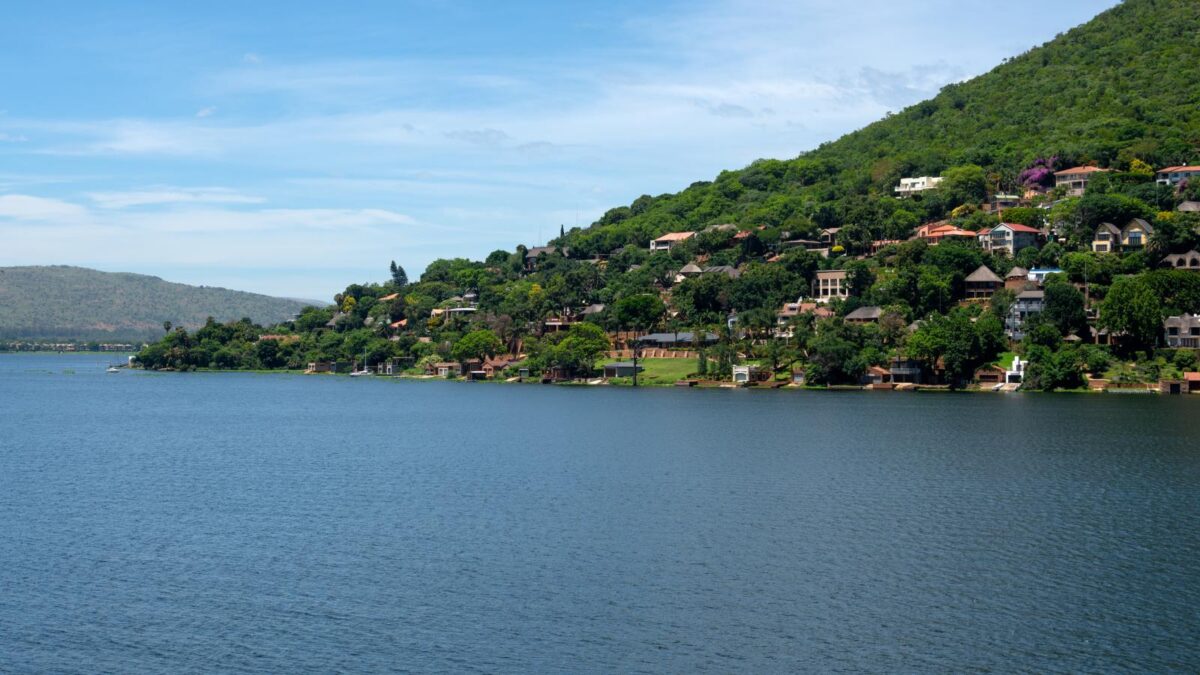
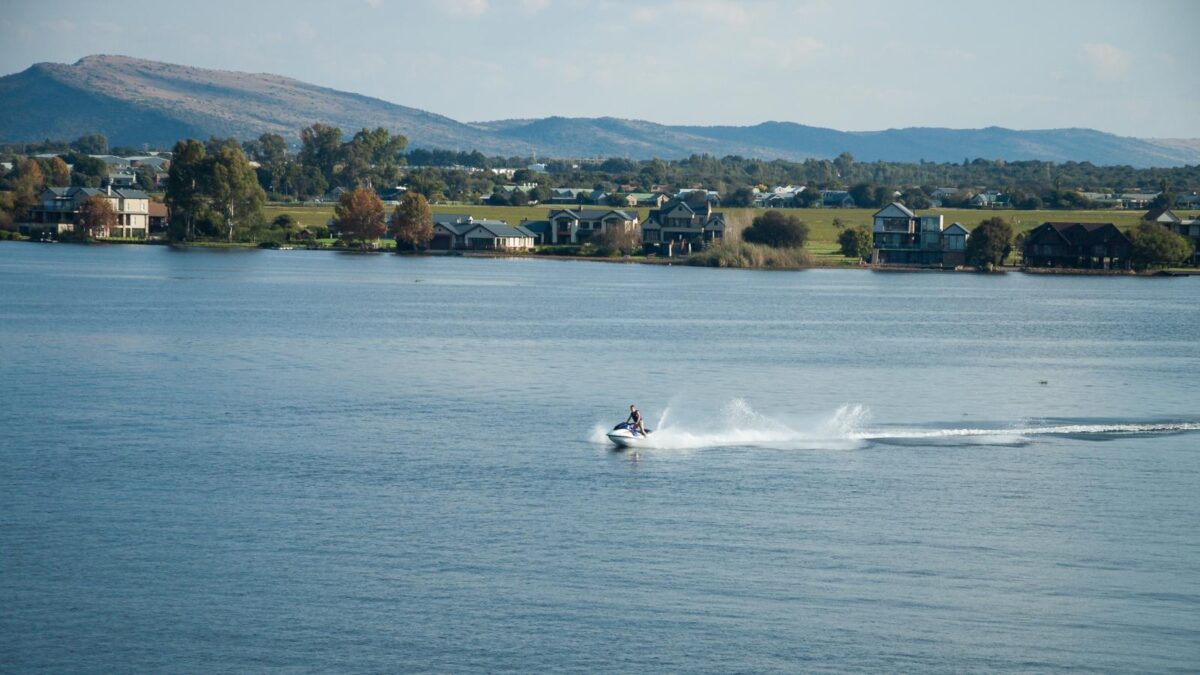
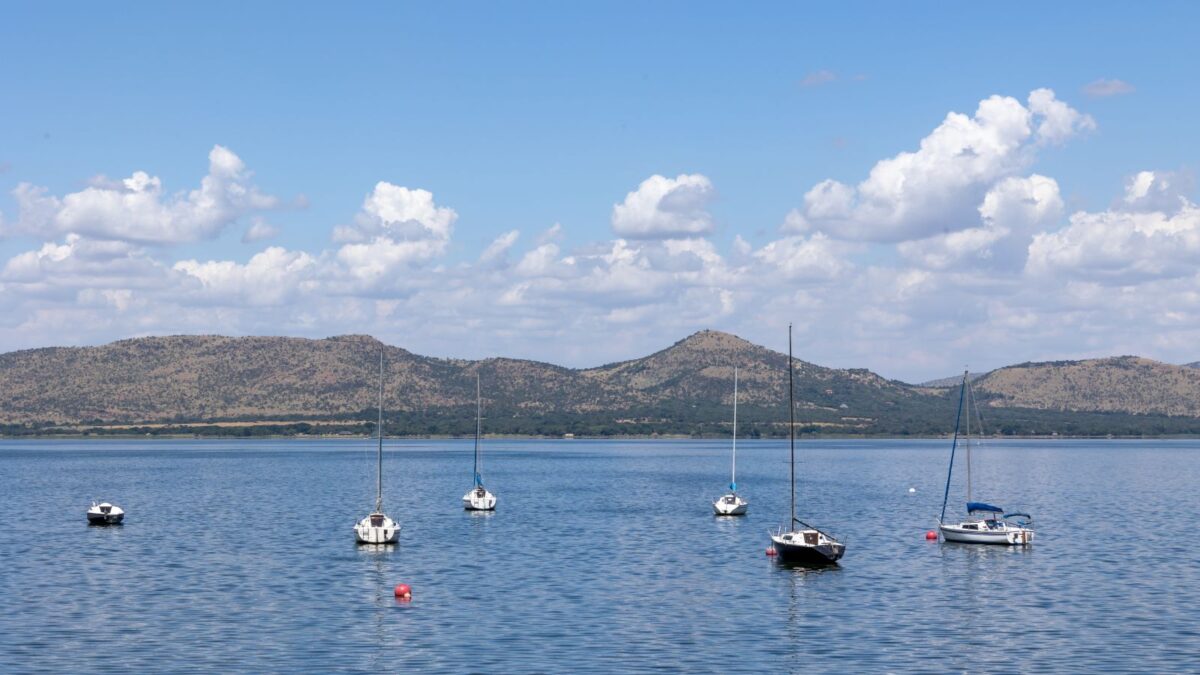
Situated around Hartbeespoort Dam and against the Magaliesberg mountains, the town offers access to boating, fishing, water sports, golf, restaurants and other leisure activities.
The Hartbeespoort Aerial Cableway is another major attraction, offering views across the dam and surrounding valley, while nearby attractions include the Ann van Dyk Cheetah Centre and Elephant Sanctuary.
Pecanwood Golf Estate also features a Jack Nicklaus-designed golf course. Hartbeespoort Dam has been central to the town’s identity for more than a century.
Construction was completed in 1923, and the dam was renovated in 1969. It has a storage capacity of about 195 million cubic metres and was built across a gorge in the Magaliesberg.
The Crocodile and Magalies rivers feed the dam, while a network of canals supplies water to surrounding agricultural areas producing crops including tobacco, wheat, lucerne, fruit and flowers.
The dam has also supported recreational activities for generations, with the TYC Yacht Club operating there since its construction.
However, the dam’s environmental conditions cast a significant shadow on the town’s appeal.
Government mismanagement is spoiling the award-winning town
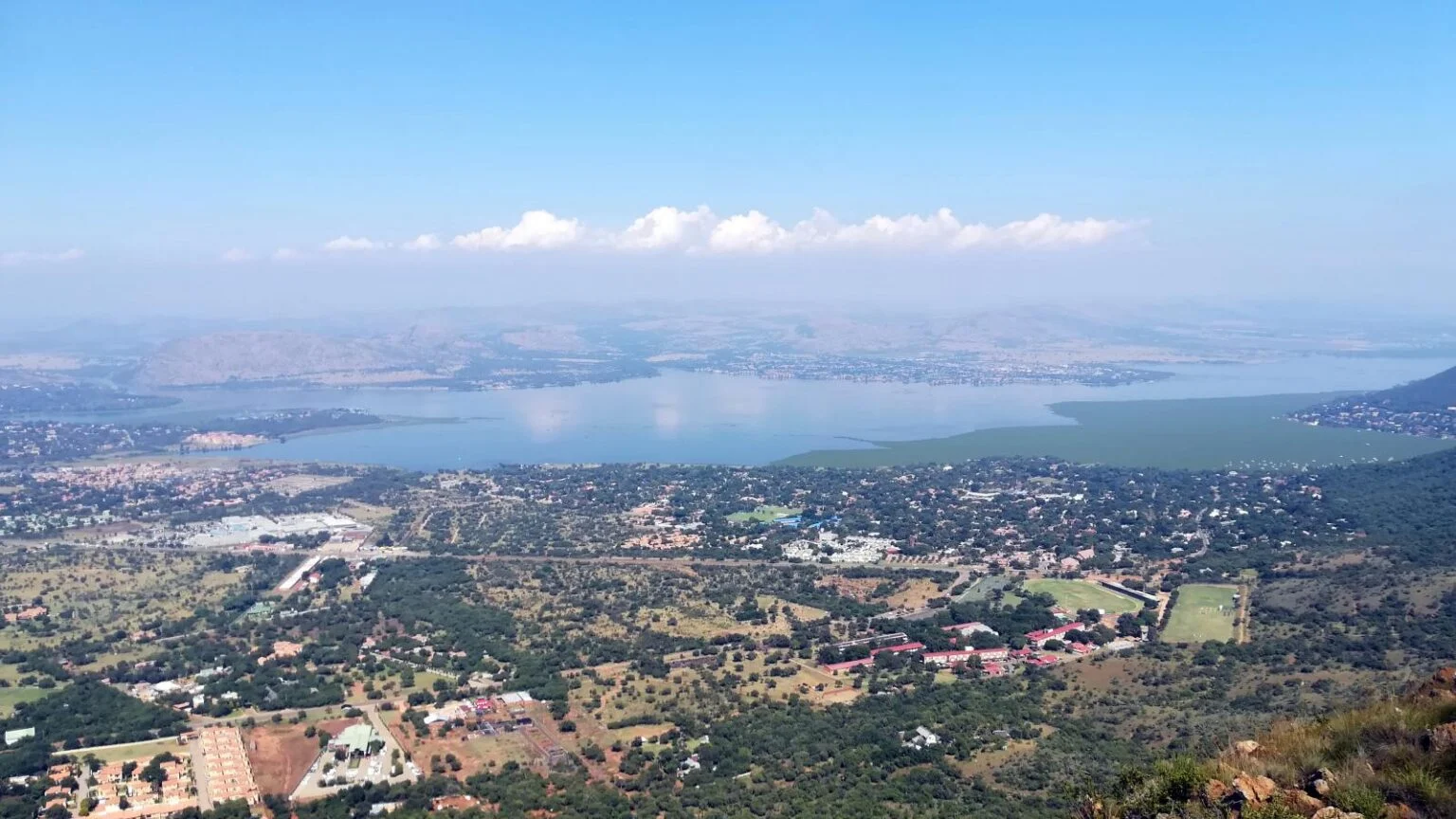
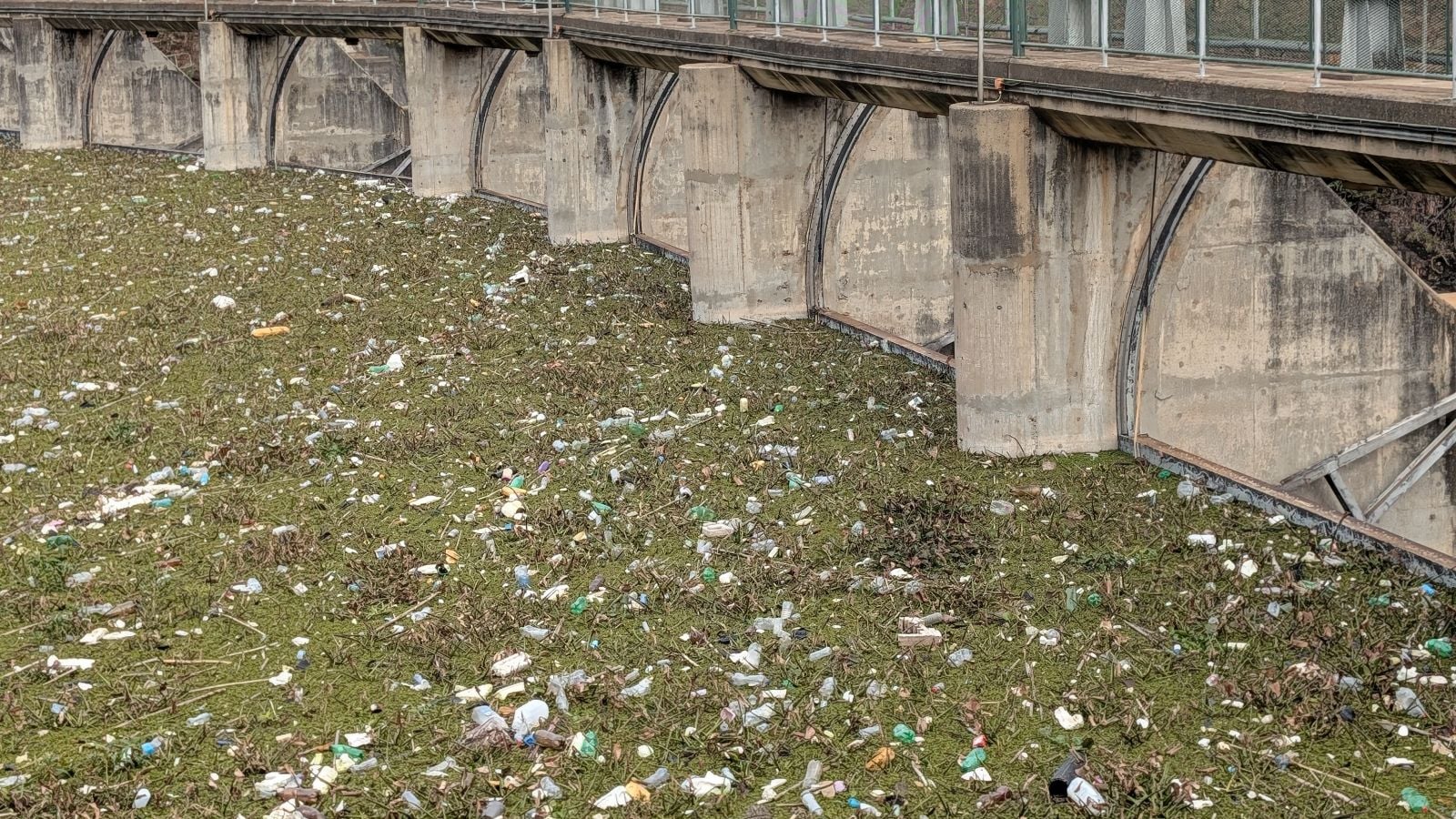
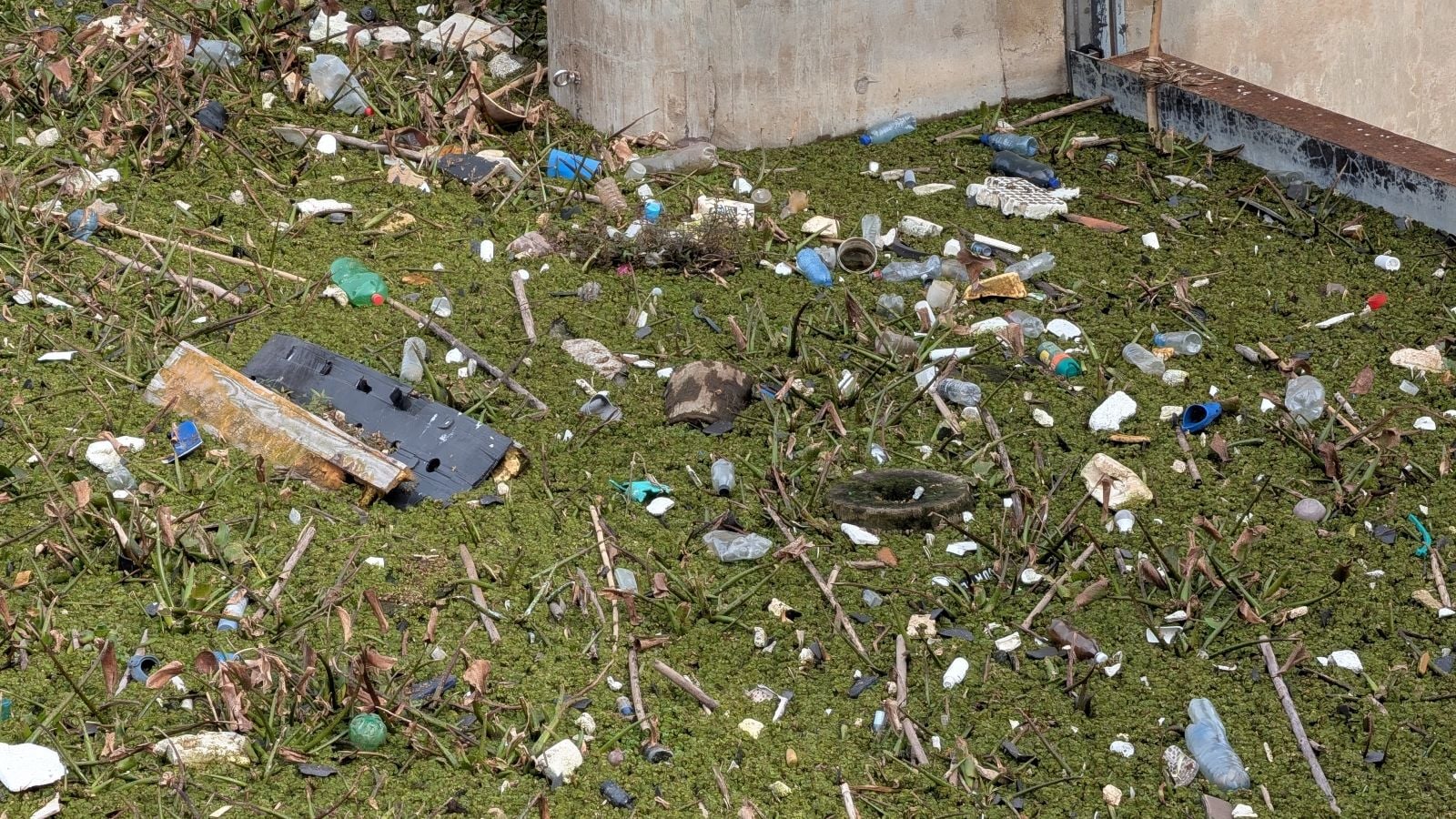
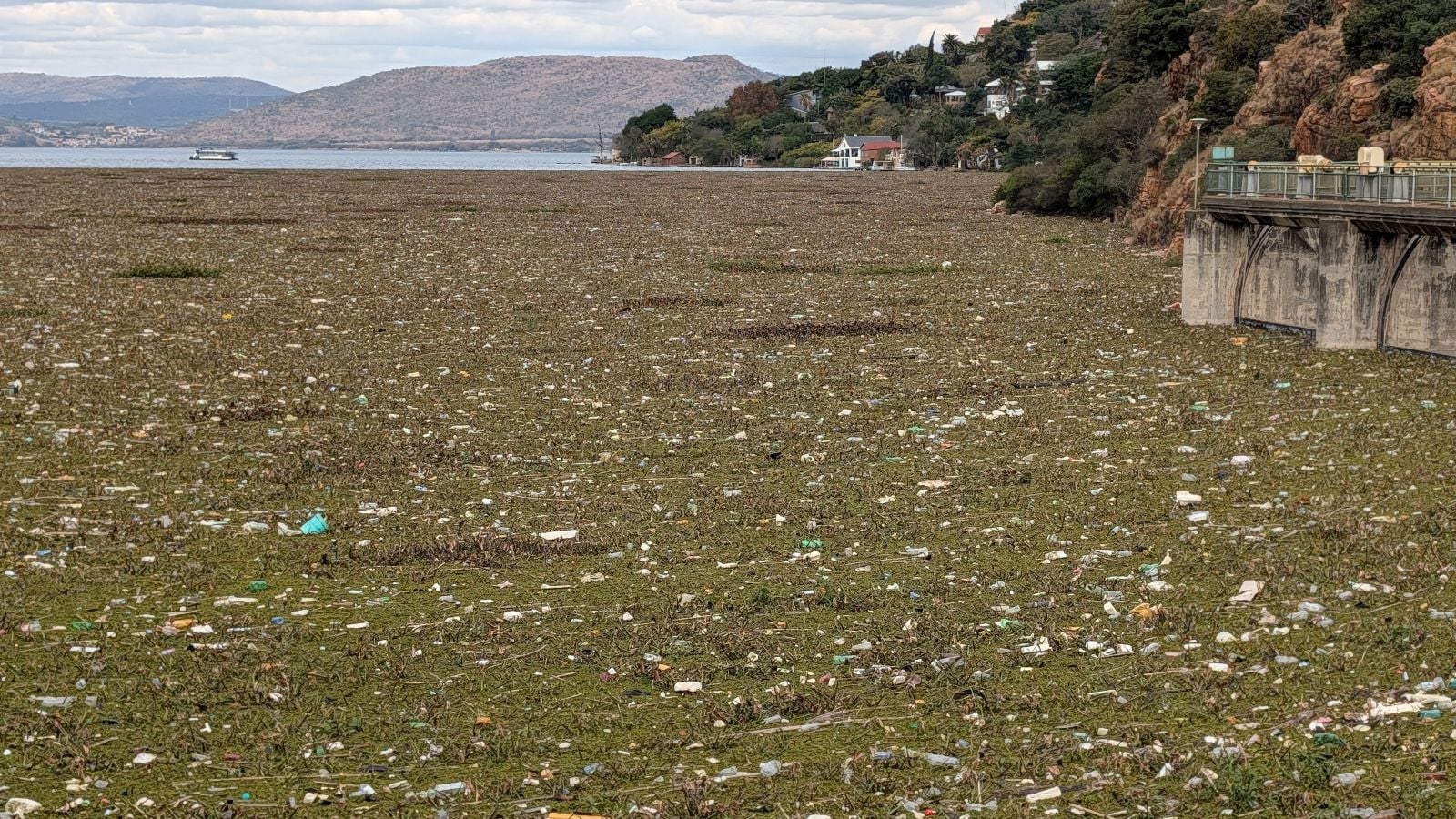
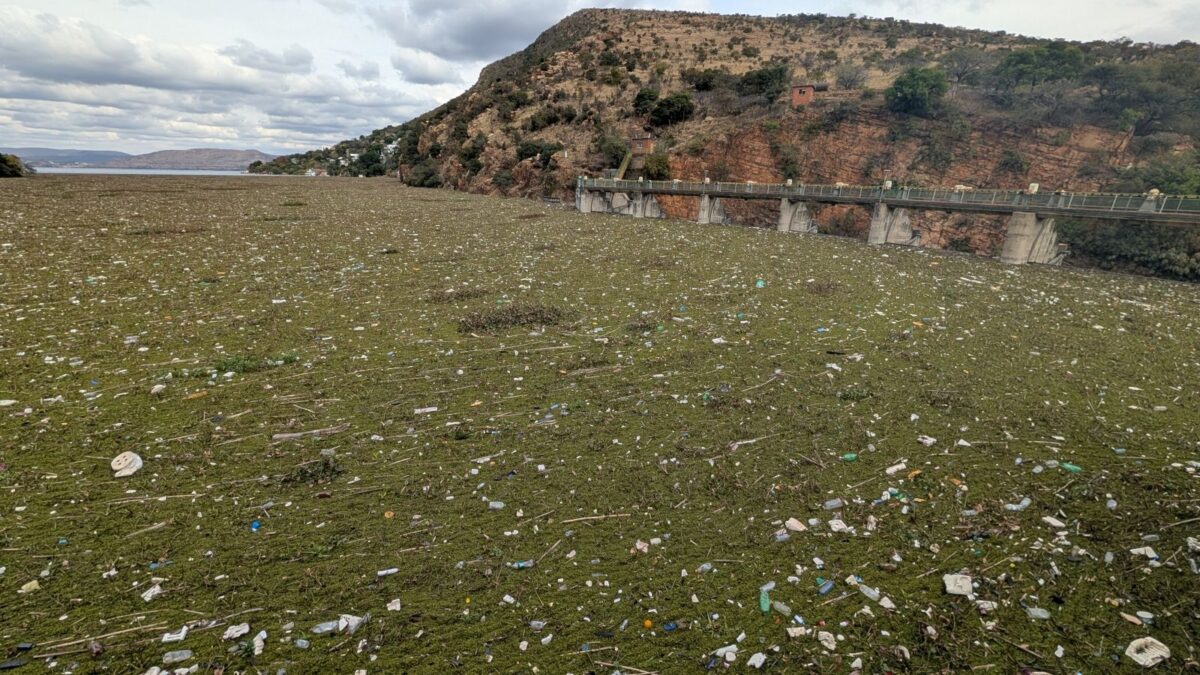
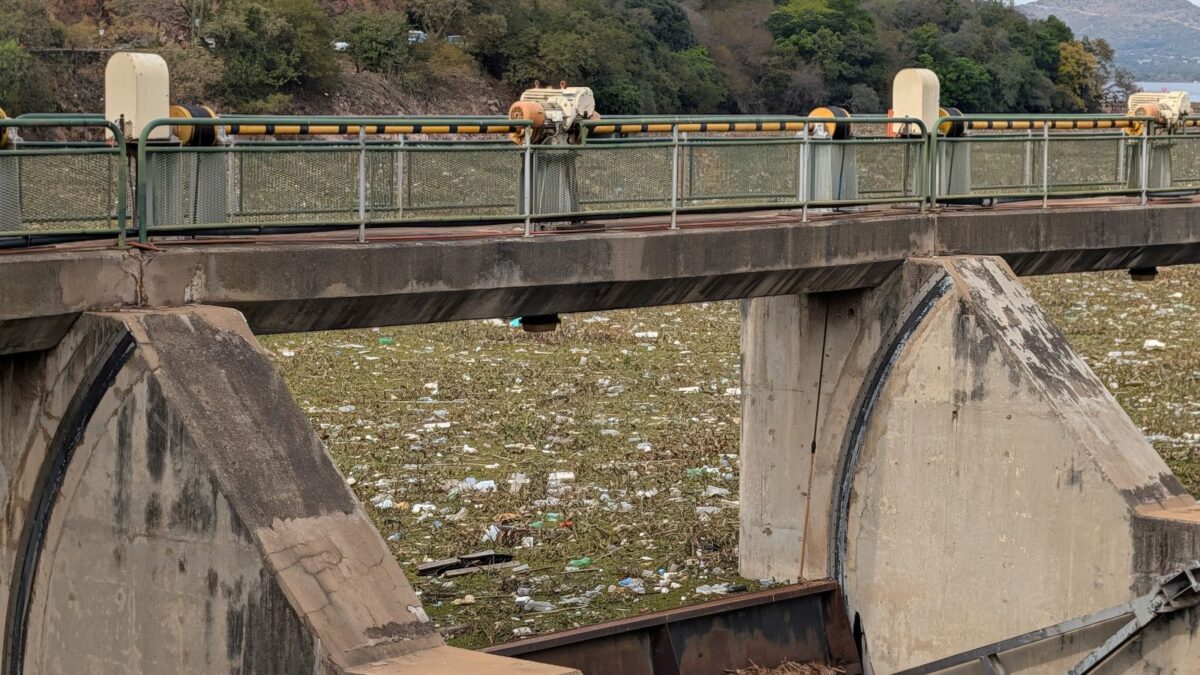
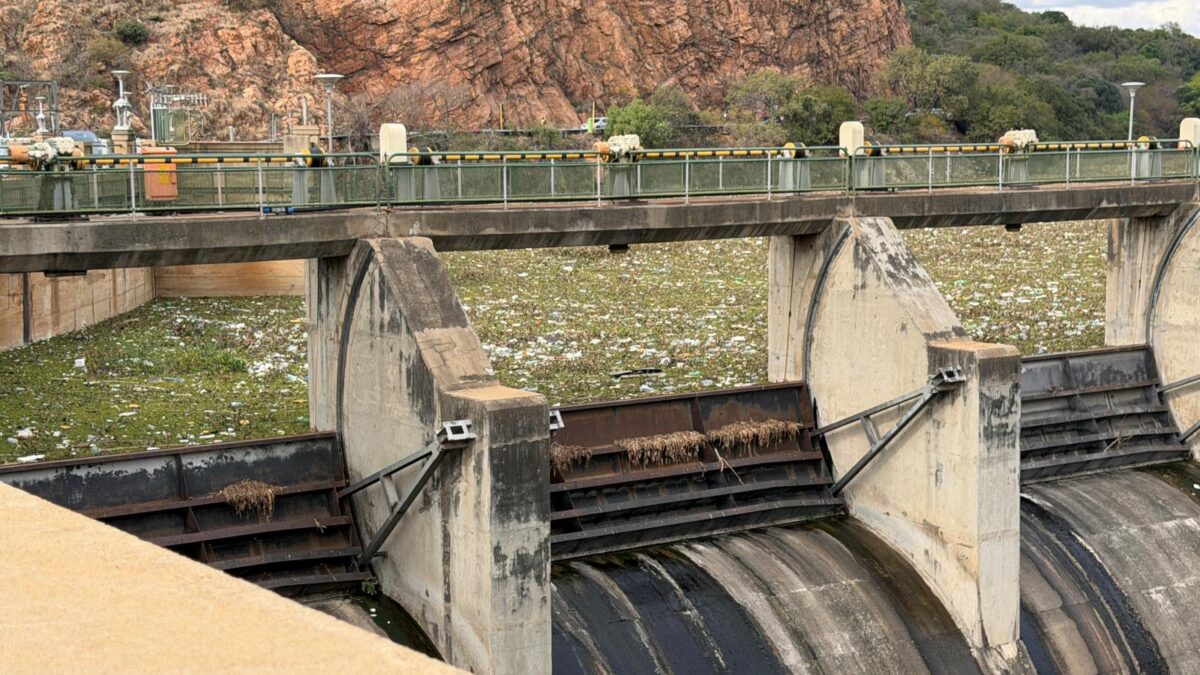
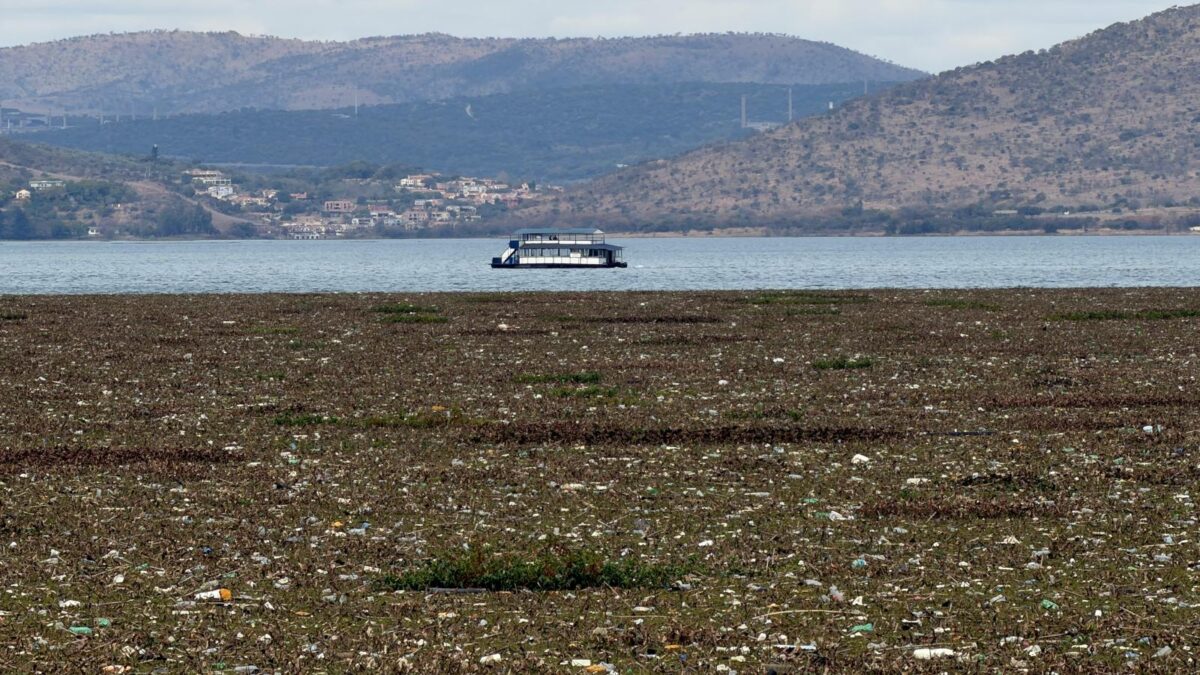
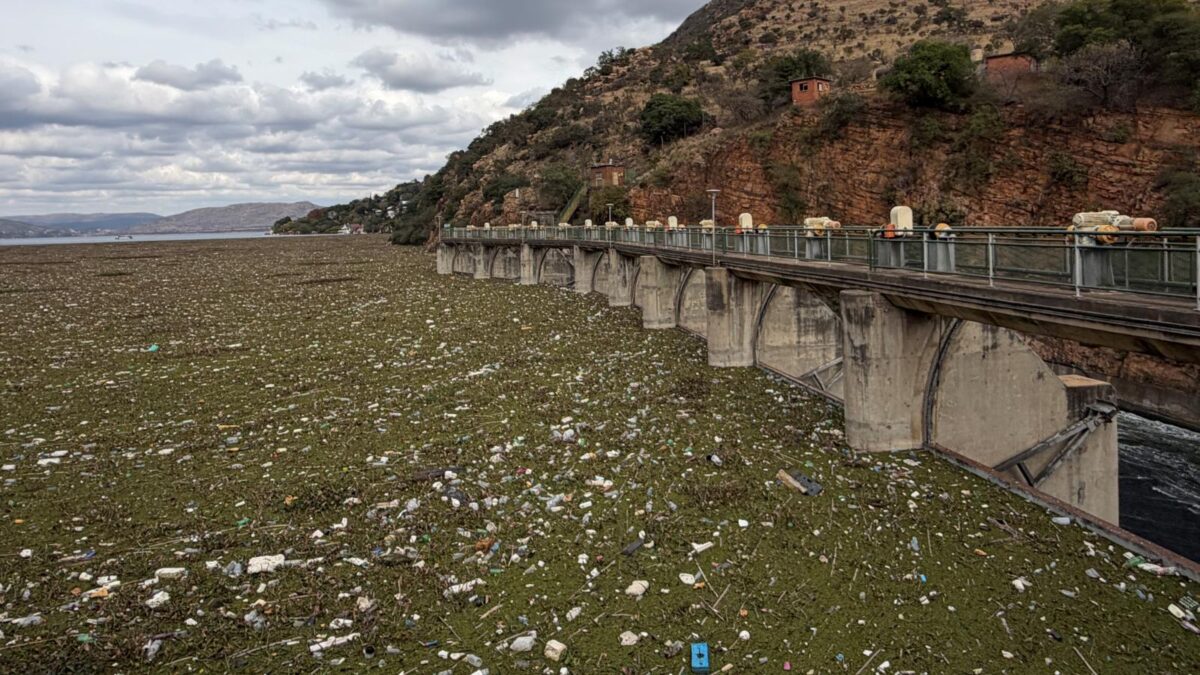
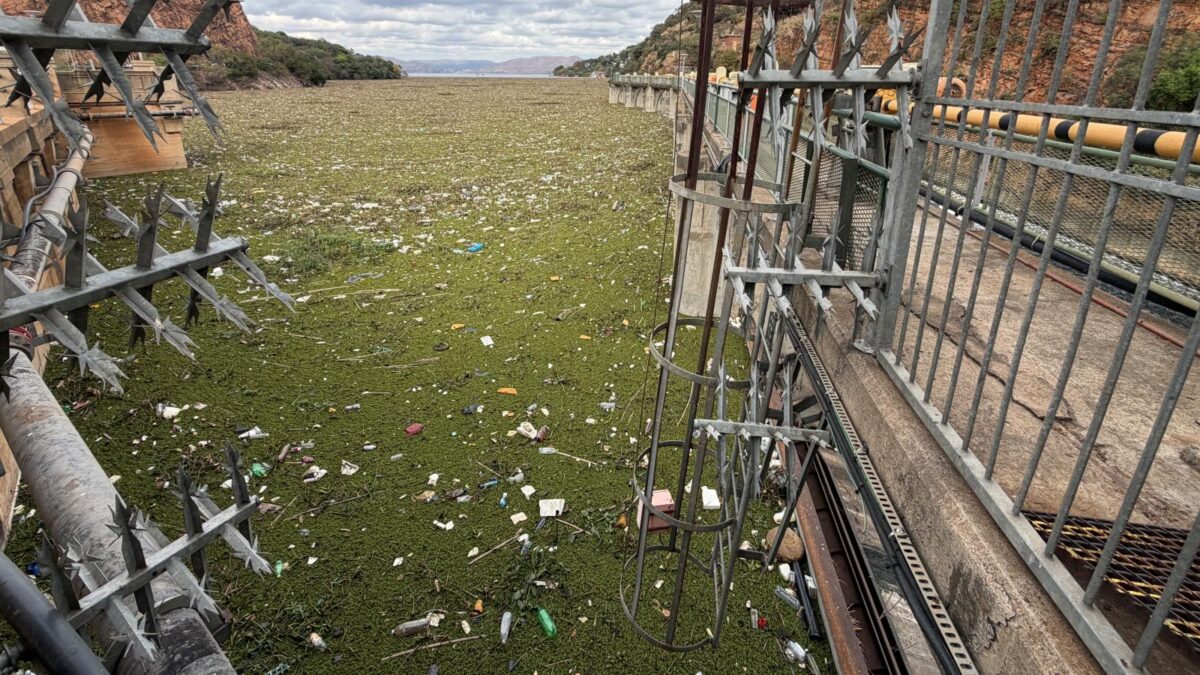
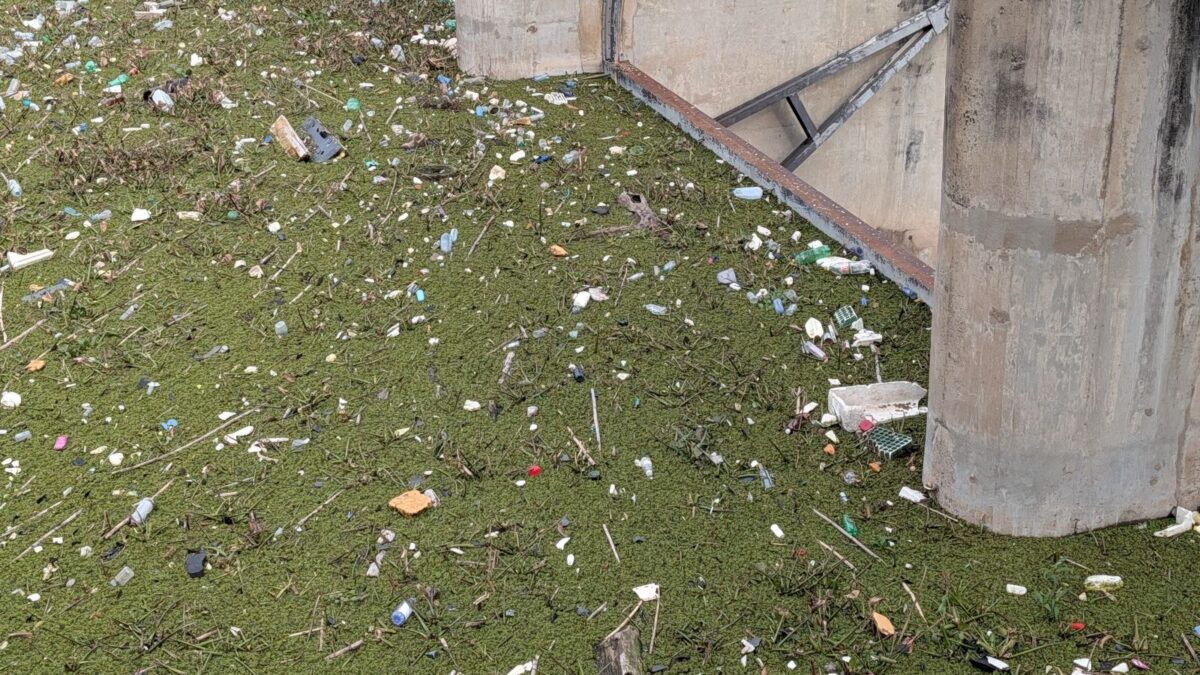
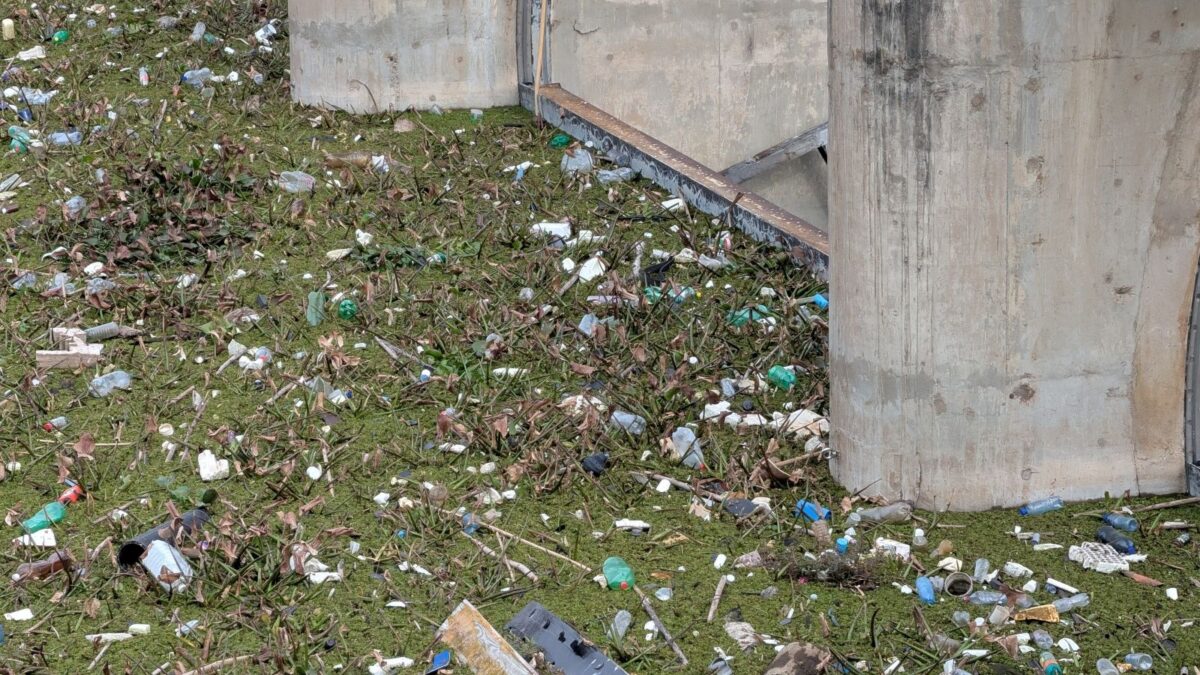
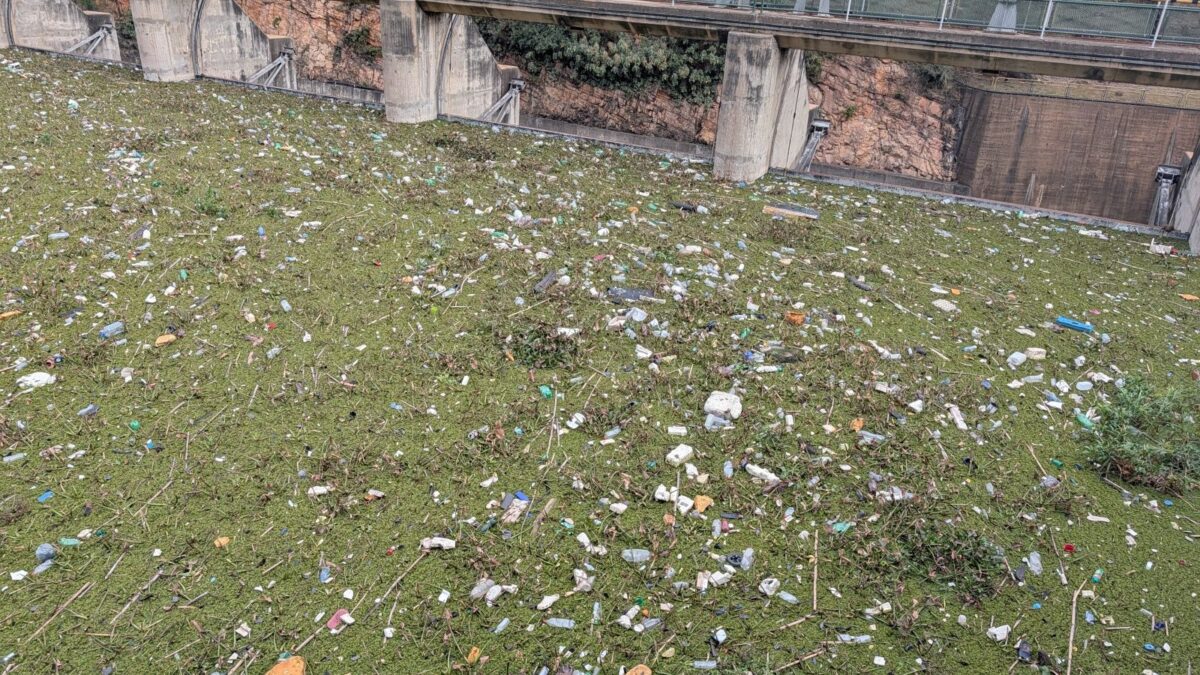
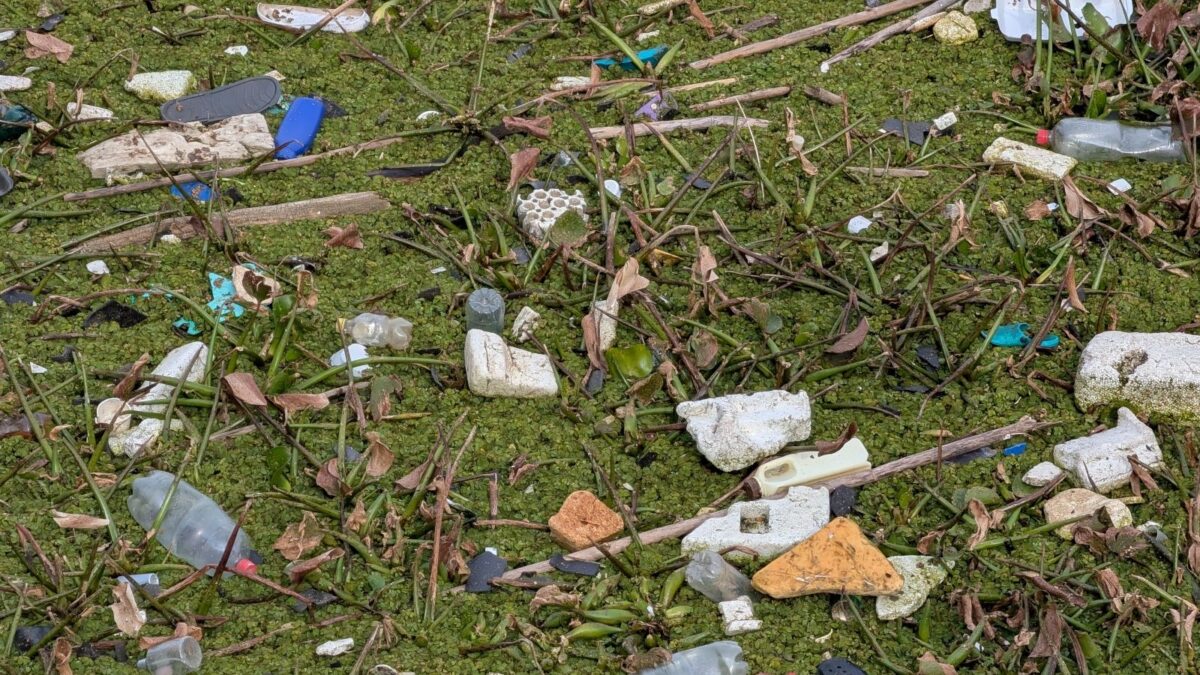
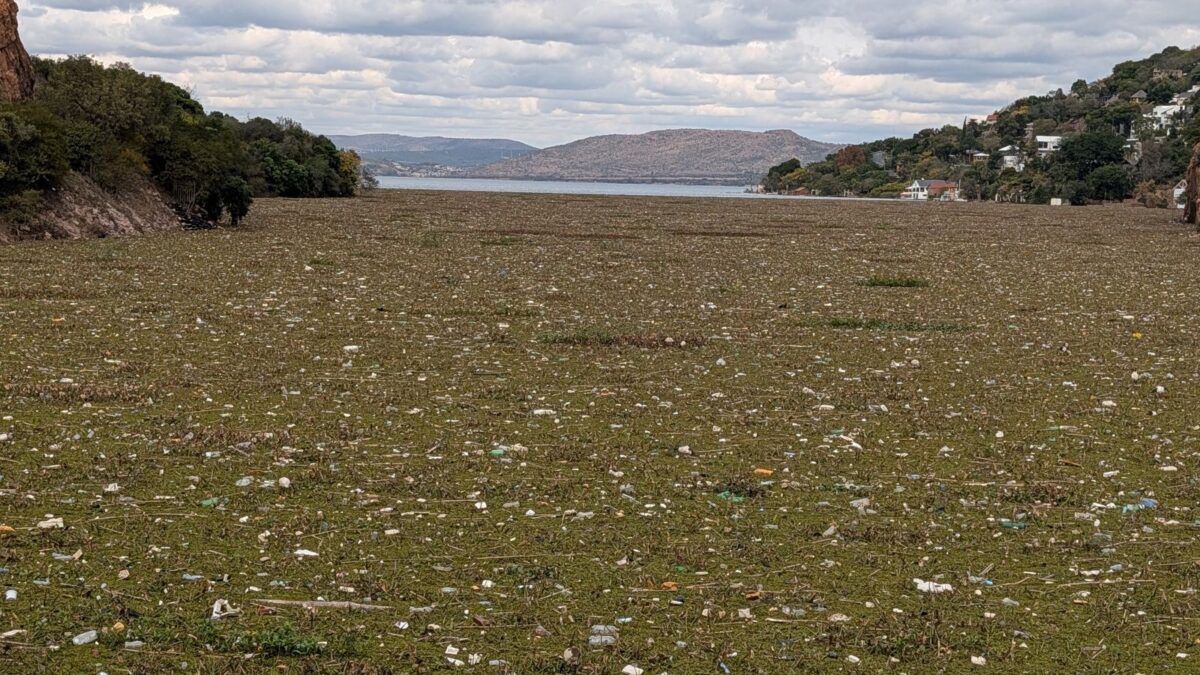
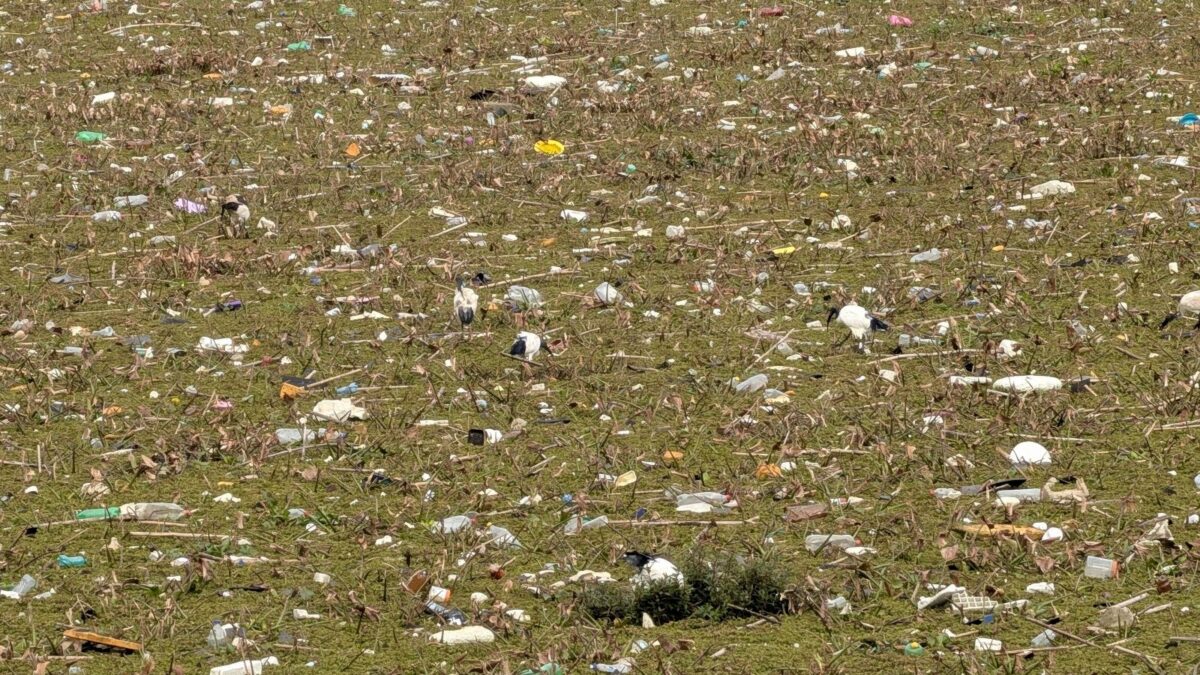
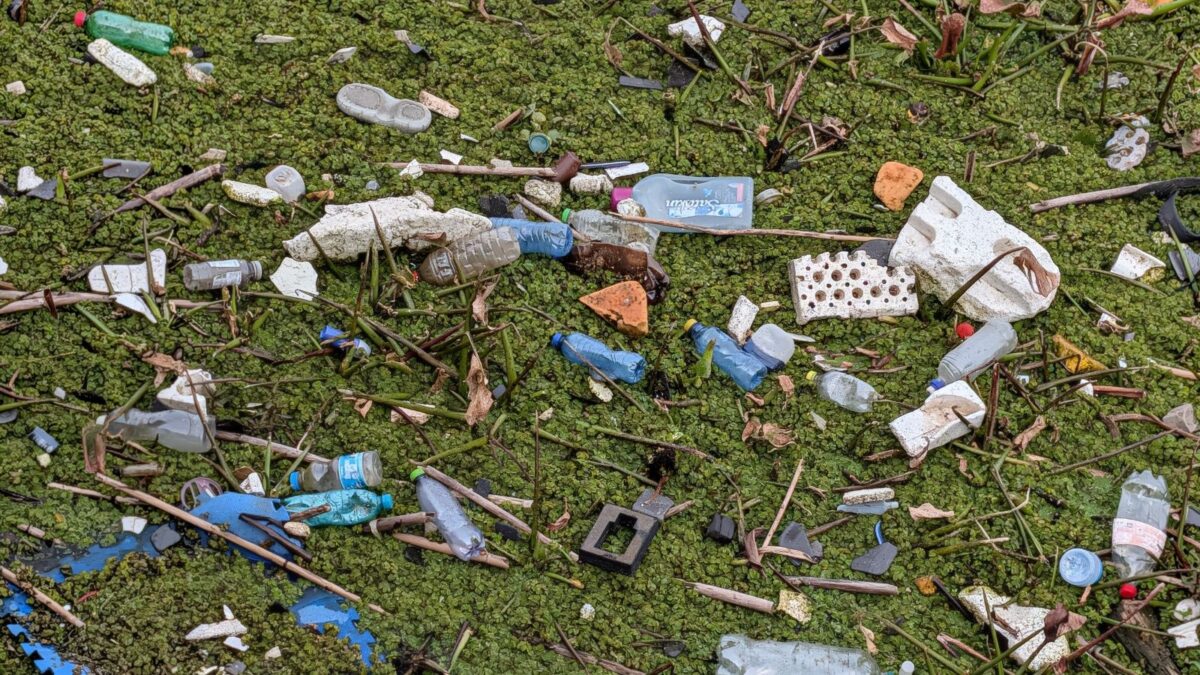
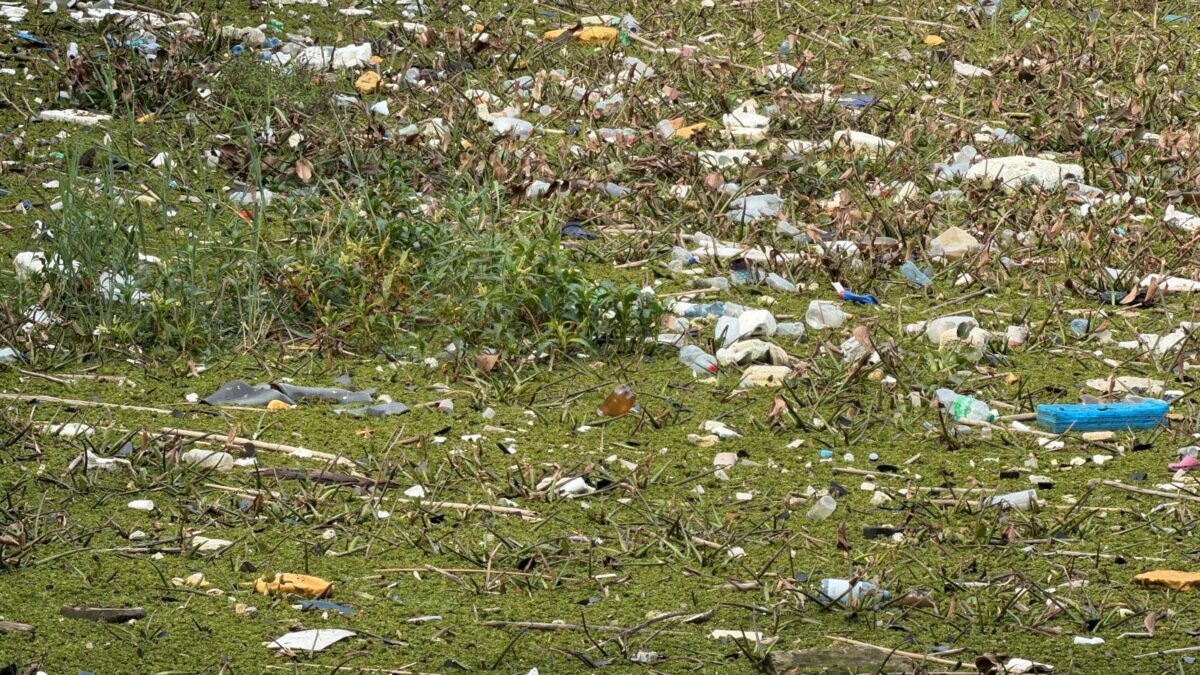
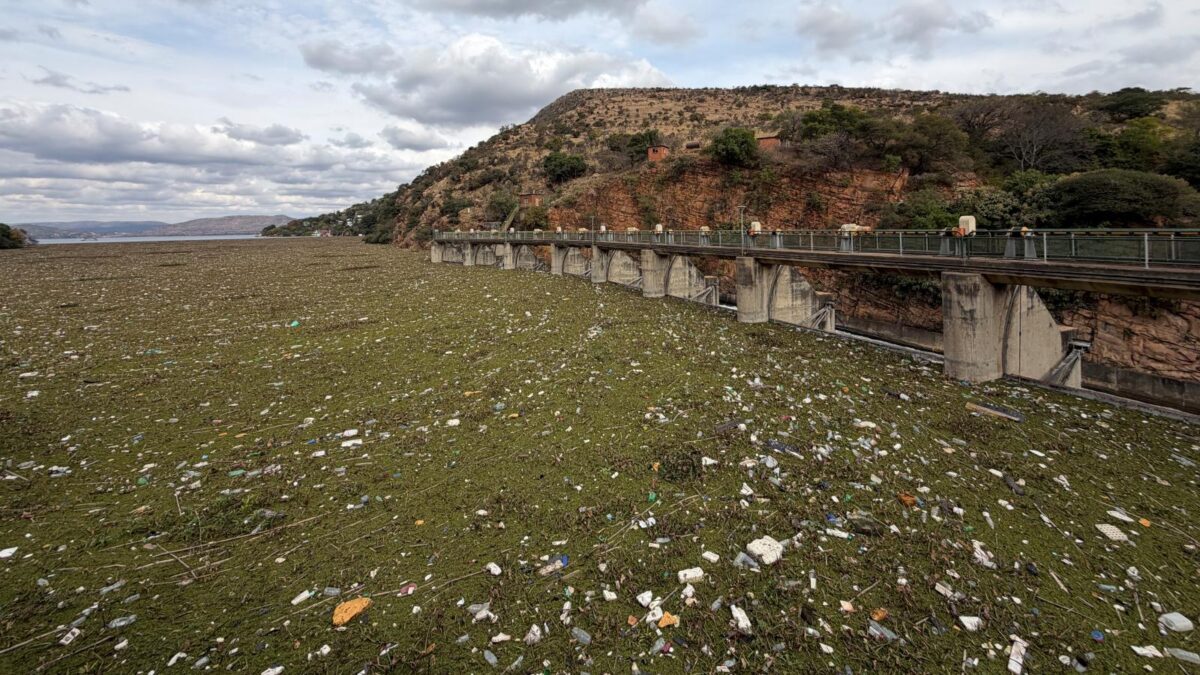
Large areas of Hartbeespoort Dam have become covered by water hyacinth, an invasive aquatic plant associated with nutrient-rich and polluted water.
Plastic bags, bottles, polystyrene and other waste have also accumulated on parts of the water surface.
The National Sea Rescue Institute has warned water sports enthusiasts about the conditions and urged boaters not to navigate through the dense hyacinth mats.
The pollution problem is closely linked to wastewater management across the dam’s catchment area.
Poorly maintained, malfunctioning, or vandalised wastewater treatment works often discharge inadequately treated or untreated sewage into rivers that eventually flow into the dam.
Johannesburg and the surrounding areas contribute significantly to this problem. Rivers, including the Jukskei, Hennops, and Swartspruit, carry polluted water towards the Crocodile River, which is the main inflow into Hartbeespoort Dam.
In June 2026, the Environmental Affairs Oversight Committee highlighted the scale of Johannesburg’s wastewater problems.
It said three of the City of Johannesburg’s wastewater treatment works were responsible for approximately 90 million litres of untreated sewage entering rivers each day.
The committee also highlighted severe maintenance backlogs and said six wastewater treatment plants in Johannesburg no longer had sufficient capacity to process the growing volume of sewage.
Johannesburg’s position on a watershed means wastewater entering the river system can eventually be transported downstream.
Much of the flow moves northwards through the Jukskei River and ultimately towards Hartbeespoort Dam.
This results in the nutrient load contributing to excessive growth of algae and water hyacinth, placing pressure on the dam’s ecosystem and affecting people and animals using the water.
Hartbeespoort Dam pollution photos
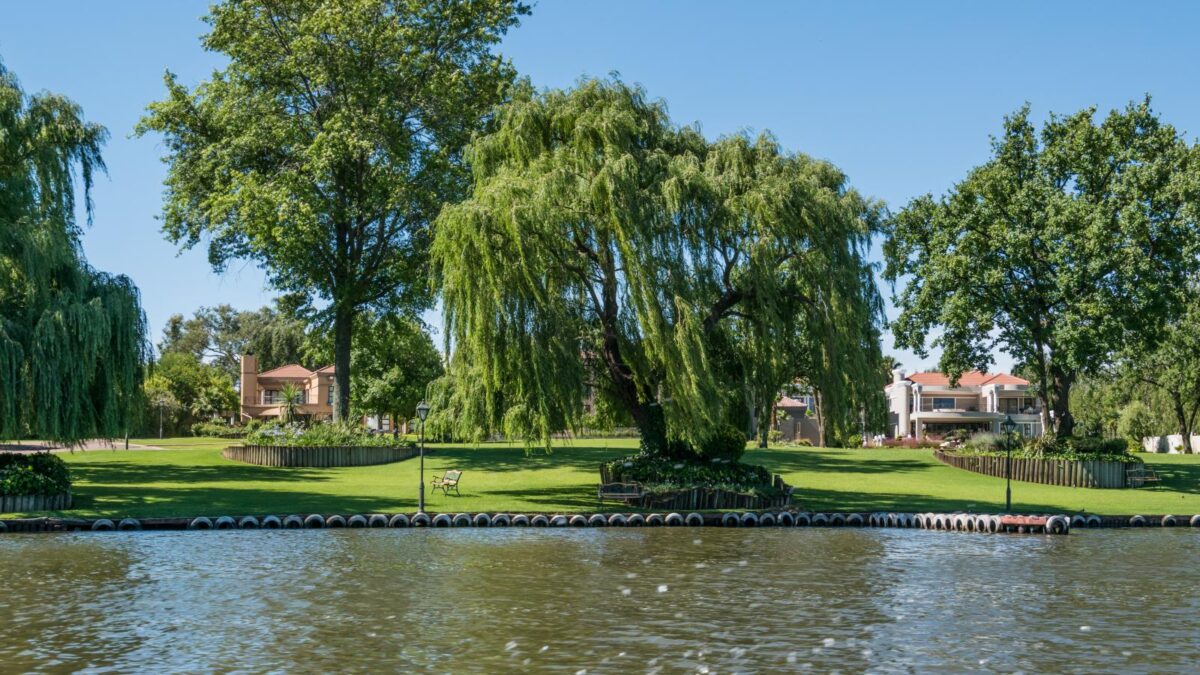
What the Hartbeespoort Dam looked like previously


















 Loading ...