

Private school fee warning for South Africa


Private schools across South Africa are warning of dire financial consequences if proposed changes to VAT rules are implemented.
The Independent Schools Association of Southern Africa (ISASA) and leading schools like St John’s College have stressed that the amendments will push up fees, reduce scholarships, and undermine access to quality education.
Tshepo Motsepe, ISASA’s Director of Legal, Policy and Government Relations, said the proposal amounts to a forced deregistration from the VAT regime.
Many schools currently reclaim VAT on expenses and commercial activities. If the rules change, they will no longer be able to do so and will be left carrying the costs themselves.
“This will create quite an unfortunate situation where schools will have to bear the brunt of a VAT liability,” Motsepe said.
That liability could be crippling. Schools may have to pay millions of rands back to SARS within 12 months, with the money coming directly from parents.
“Such a VAT liability to be paid back, unfortunately, would have to come from fees,” he said. This would also limit schools’ ability to fund infrastructure and development projects.
Uncertainty over how far back the liability could stretch is making matters worse. “In the draft legislative piece, they’ve not given a date. So we could be talking as far back as 2011,” Motsepe explained.
Some schools are already calculating massive figures. “One school was talking around R400 million based on the infrastructure development and activities they’ve engaged in over the past 20-odd years.”
Motsepe said many South Africans wrongly assume independent schools only cater for the wealthy.
ISASA represents 900 schools across the country, accounting for just 5% of the total schooling system.
He pointed to examples such as City Kids in downtown Johannesburg, which serves families in areas where the government has not built new public schools in decades.
“The work they do is the same as what we’ll find is being done either by St John’s or St Stithians when they run community projects – and all of that money comes from the main activities and fees parents pay.”
Serious consequences for thousands of families
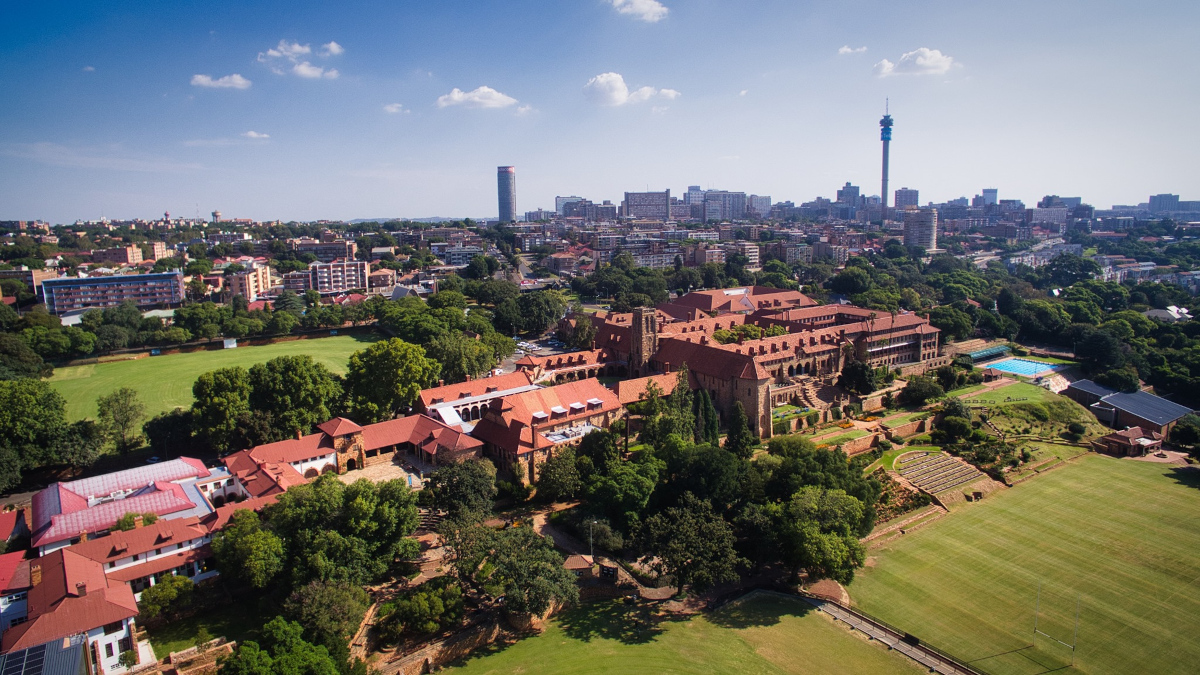
Even South Africa’s most prestigious schools provide scholarships that broaden access. “Hilton would offer scholarships, and there’s a large proportion of young learners in elite schools in the country who are on scholarships,” Motsepe said.
Removing VAT benefits would directly threaten these programmes, as those who are donors and the schools that are ring-fencing money for scholarship purposes will now have to admit fewer and fewer children into these schools.
In a letter to stakeholders, St John’s College, one of the country’s most established independent schools, has also raised alarms.
Tina Playne, chair of council at the school, said the amendment would have serious financial and educational consequences for both St John’s and the wider sector.
“St John’s College is a registered non-profit organisation. We receive no state subsidies and operate on a strictly break-even basis, reinvesting all resources into our students’ education and well-being,” she said.
The school currently recovers VAT on expenses such as classrooms, infrastructure, security, IT equipment, transport, catering, and medical services.
Without VAT registration, these costs would rise sharply. “Parents will ultimately bear the burden through higher fees or levies, threatening affordability and access.”
Playne also criticised the “deemed supply” rule, which treats deregistration as if a school had sold its assets, creating an artificial tax bill.
“This is a purely artificial liability, potentially running into millions of rand, despite there being no sale, profit, or change in use. This unfair burden would again fall on parents who had no part in historic VAT claims,” she said.
The Bill is set to take effect on 1 January 2026, leaving schools little time to adjust. “The suddenness of this measure risks destabilising independent education across South Africa, with serious consequences for thousands of families,” Playne warned.
On behalf of St John’s, she said the school would call on Treasury and SARS to exempt independent schools from the deemed supply provision.
She also called for continuing VAT registration for schools with mixed activities and delaying the changes at a minimum to allow proper consultation and planning.














 Loading ...