

The tiny South African Town home to a marvel found in only three places on Earth


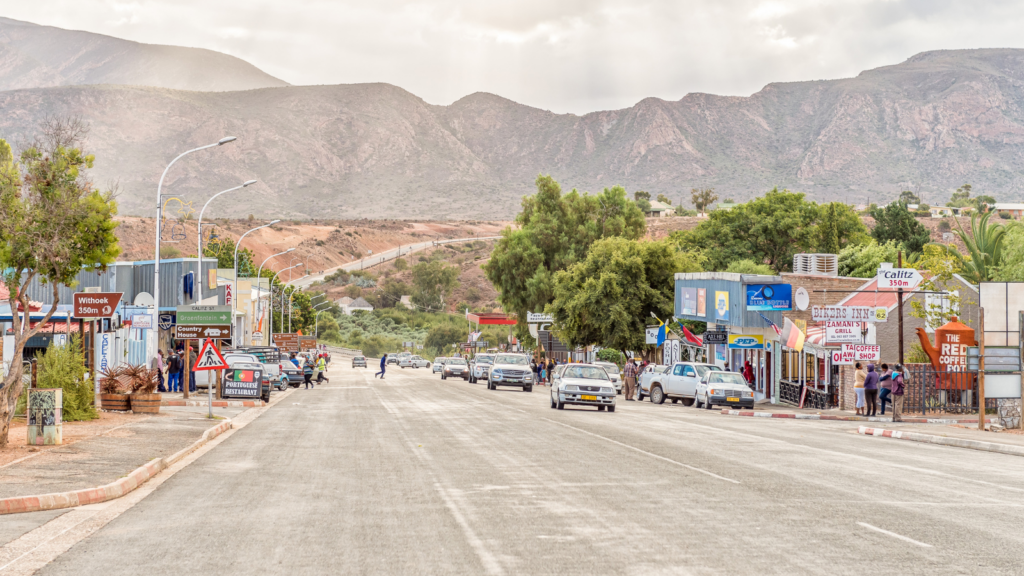
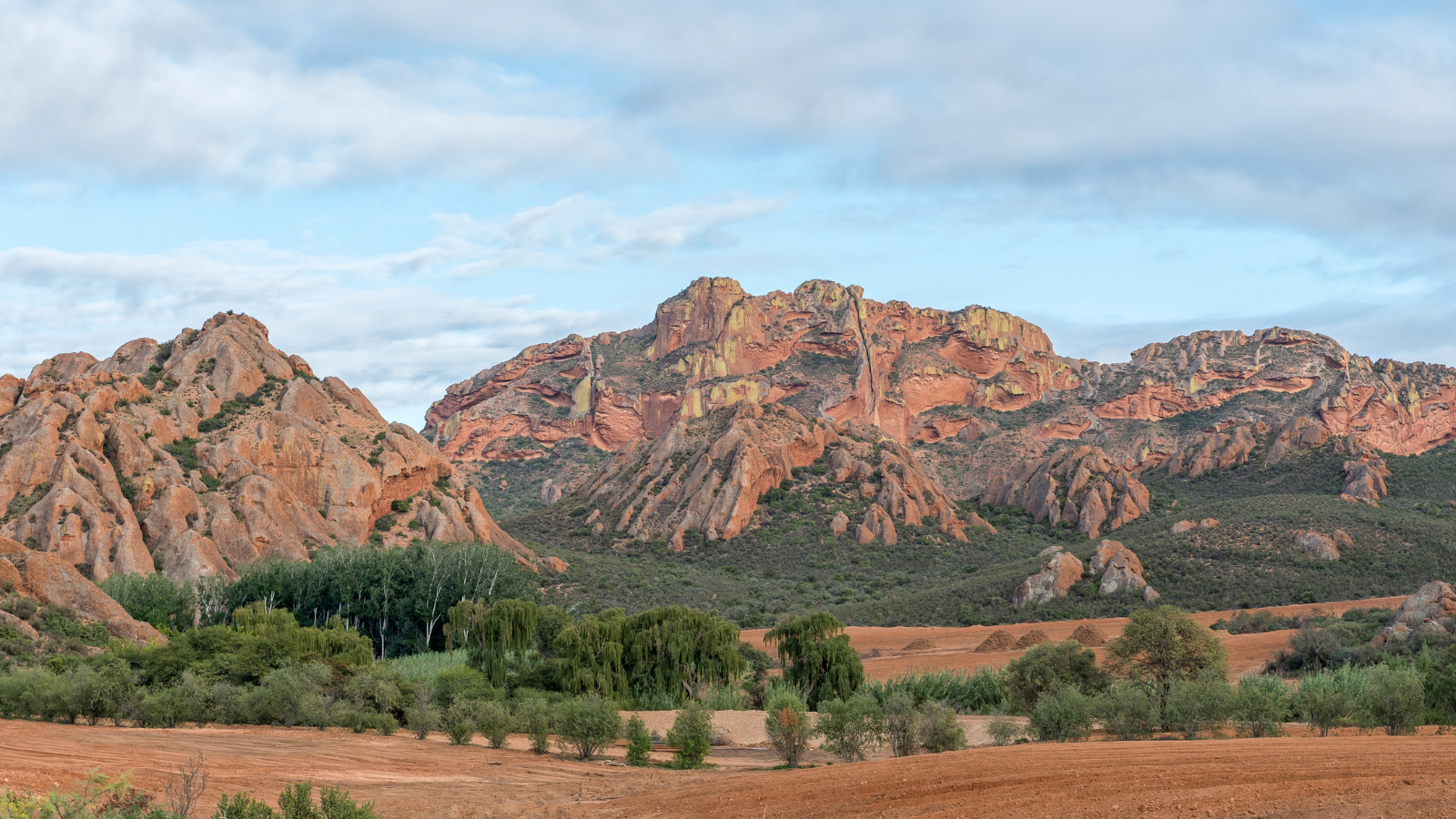
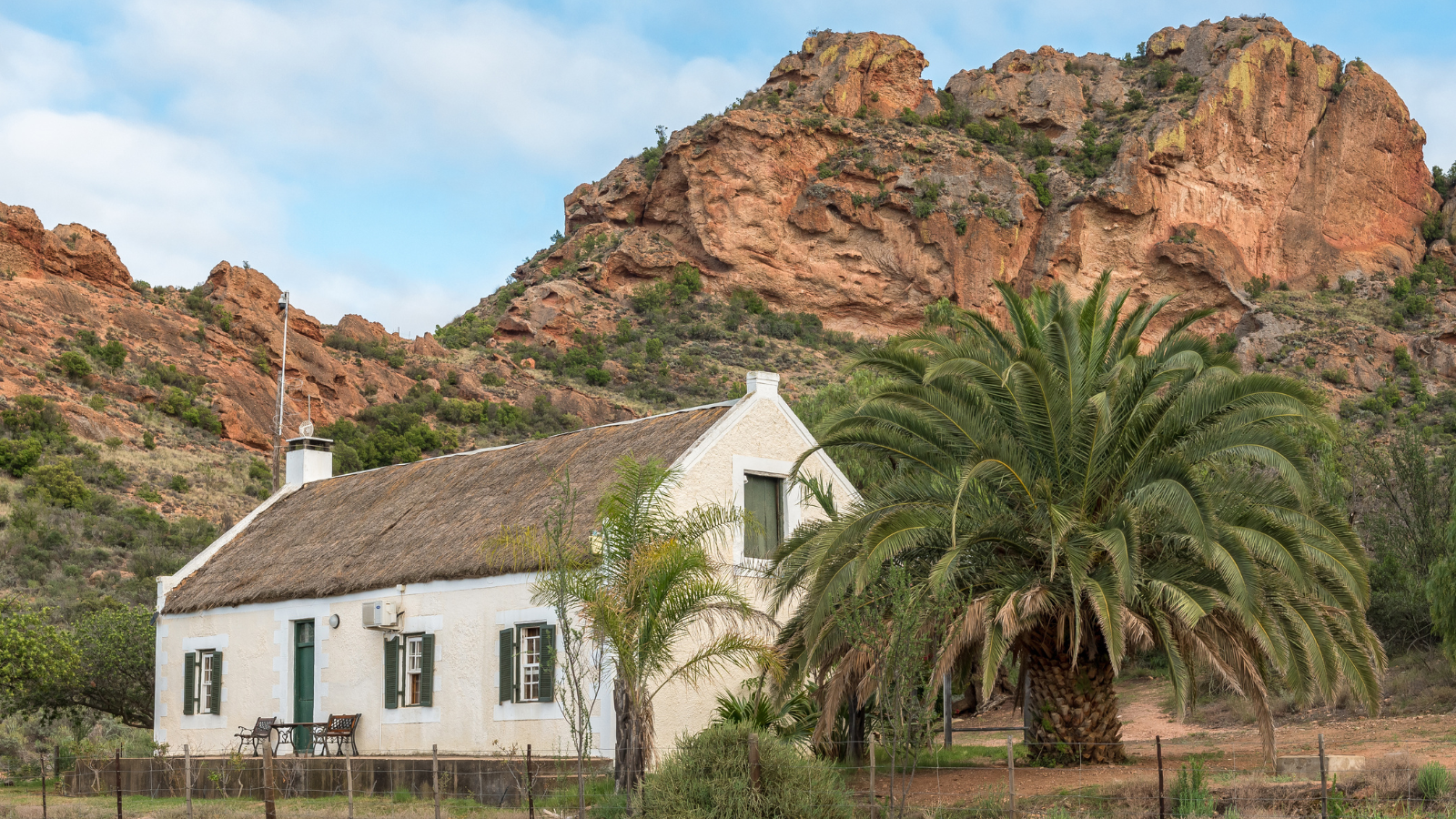
Calitzdorp is one of only three places in the world where you can see the Red Stone Hills, which feature iron-rich conglomerates.
The small Karoo town of Calitzdorp was established formally in 1909 and proclaimed a municipality in 1913.
However, its roots trace back to the early 1800s, when the land belonged to Khoi and San inhabitants, as evidenced by rock paintings in the mountains.
In 1821, the Deed of Transfer for the quitrent-tenure farm Buffelsvlei was issued to M Calitz and his brother J Calitz.
In 1834, portions of Buffelsvlei were transferred to new owners. By 1842, the remaining portions were divided among M Calitz’s son and two sons-in-law, ensuring that each section had access to either the Gamka or Nels River.
By 1854, a farming community had developed, and although there was no church, a minister from Oudtshoorn served the area.
Records show that Reverend Van der Riet baptised 14 children in what would be known as Calitz Dorp, named after the numerous Calitz residents.
Towards the end of 1854, land near the Nels River was sold to the Church Council to build a church, which was consecrated in June 1857.
In 1858, a school was also established on church grounds by selling subdivided land to fund its construction. At this time, Calitzdorp consisted of Buffelsvlei, a church, and a school, with no official village structure.
A divisional council was formed in Oudtshoorn in 1858, with BL Saayman representing Calitzdorp for 12 years.
In 1986, a management board was created, but Calitzdorp was not yet officially recognised as a village. The town was declared a sub-district of Oudtshoorn in 1905 and became a town in 1909.
In 1913, it gained independence, with its own divisional council and was declared a municipality, with JSF Brink as its first mayor.
Home to the Red Stone Hills
The town, located on the longest wine route in the world, has seven wine cellars, and a mineral-rich natural hot spring is situated 24 kilometres from Calitzdorp.
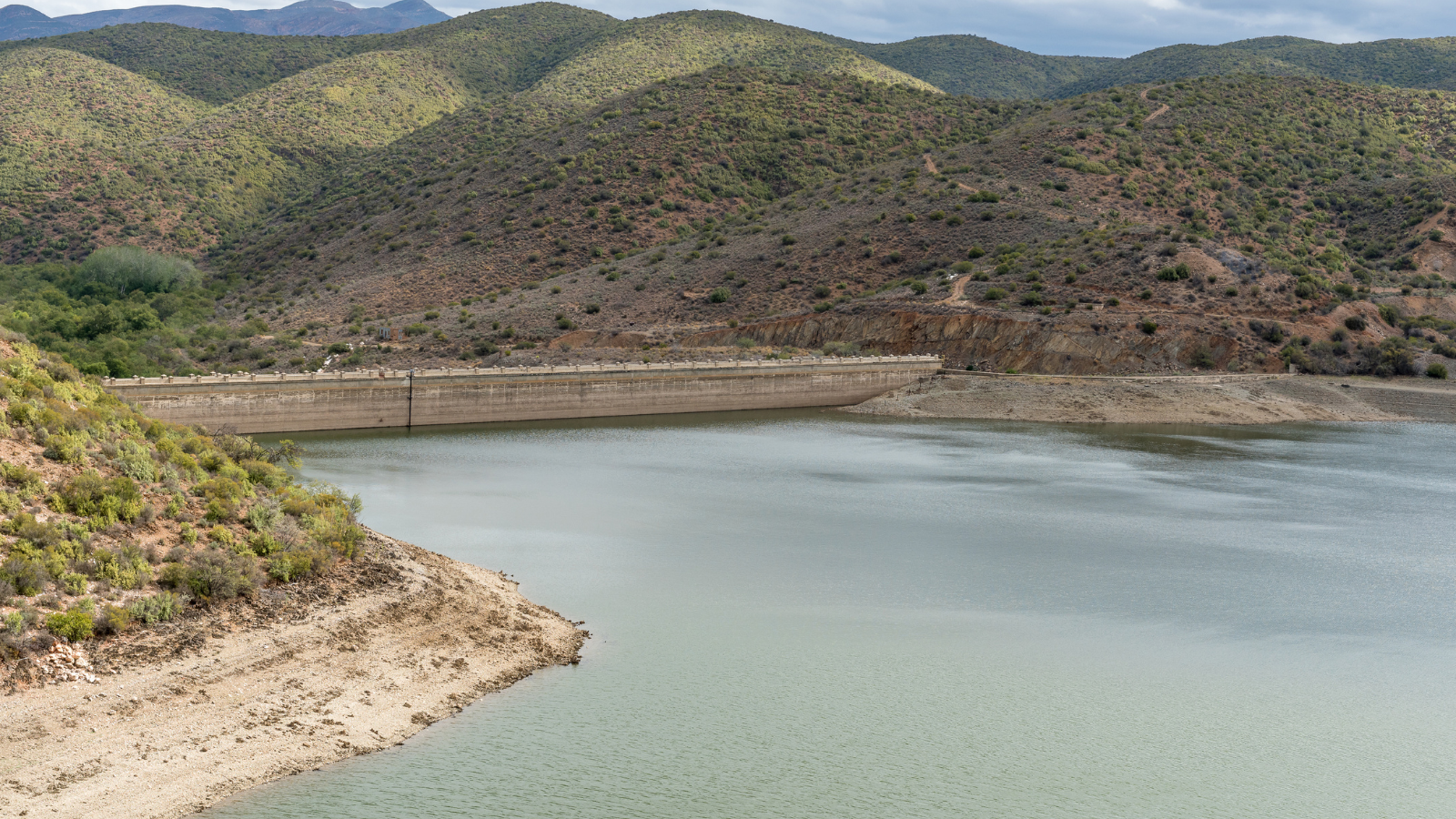
Within a 130-kilometre radius, there are 21 accessible mountain passes. It is also home to the oldest cement dam of its kind in South Africa, the Nel’s River Dam.
The town’s Dutch Reformed Church is recognised as a National Monument, while St Mark’s is the second smallest Anglican chapel in the world.
Gamkaberg Nature Reserve is home to the endangered Cape Mountain Zebra, and world-renowned handmade pipes are crafted in Calitzdorp.
It is part of the Gouritz Cluster Biosphere Reserve, the only region where three global biodiversity hotspots converge.
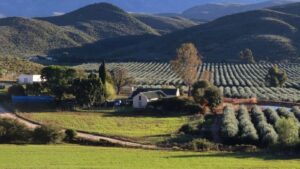
Calitzdorp is home to the Red Stone Hills, which consist of iron-rich conglomerates which can be seen in the town’s mountain range.
According to regional geological records and tourism archives, there are only three locations in the world where this specific type of iron-rich, water-sculpted conglomerate formation can be found.
Aside from the Klein Karoo in South Africa, the other two locations are in South America.
Specifically, in ancient tectonic rift basins in Patagonia and the Andes, as well as the South Sea Islands, which feature volcanic and tectonic conglomerate cliffs in the South Pacific.
According to historical records, the erosion of the African interior followed the continent’s bulging due to significant lava outpourings that ended Karoo sedimentation 180 million years ago.
This caused some of the eroded material to become trapped in the valleys of the Cape Fold Mountains. This occurred particularly during the Cretaceous period, around 145 to 66 million years ago.
The deposited material, known as the “Enon Conglomerates,” was carried by high-energy, fast-flowing rivers and can be found between Calitzdorp and Oudtshoorn, where it forms the red “Redstone Hills.”
Another significant geological feature of the Little Karoo is the 300 km-long fault line along the southern edge of the Swartberg Mountains.
The Swartberg Mountains were uplifted along this fault, exposing the base rocks of the Cape Supergroup in the Oudtshoorn region.
These rocks are locally referred to as the Cango Group but are likely continuous with the Malmesbury Group, which forms the foundation of Table Mountain on the Cape Peninsula and similar outcrops in the Western Cape.
In the Little Karoo, this outcrop consists of limestone, into which an underground stream has carved the Cango Caves.
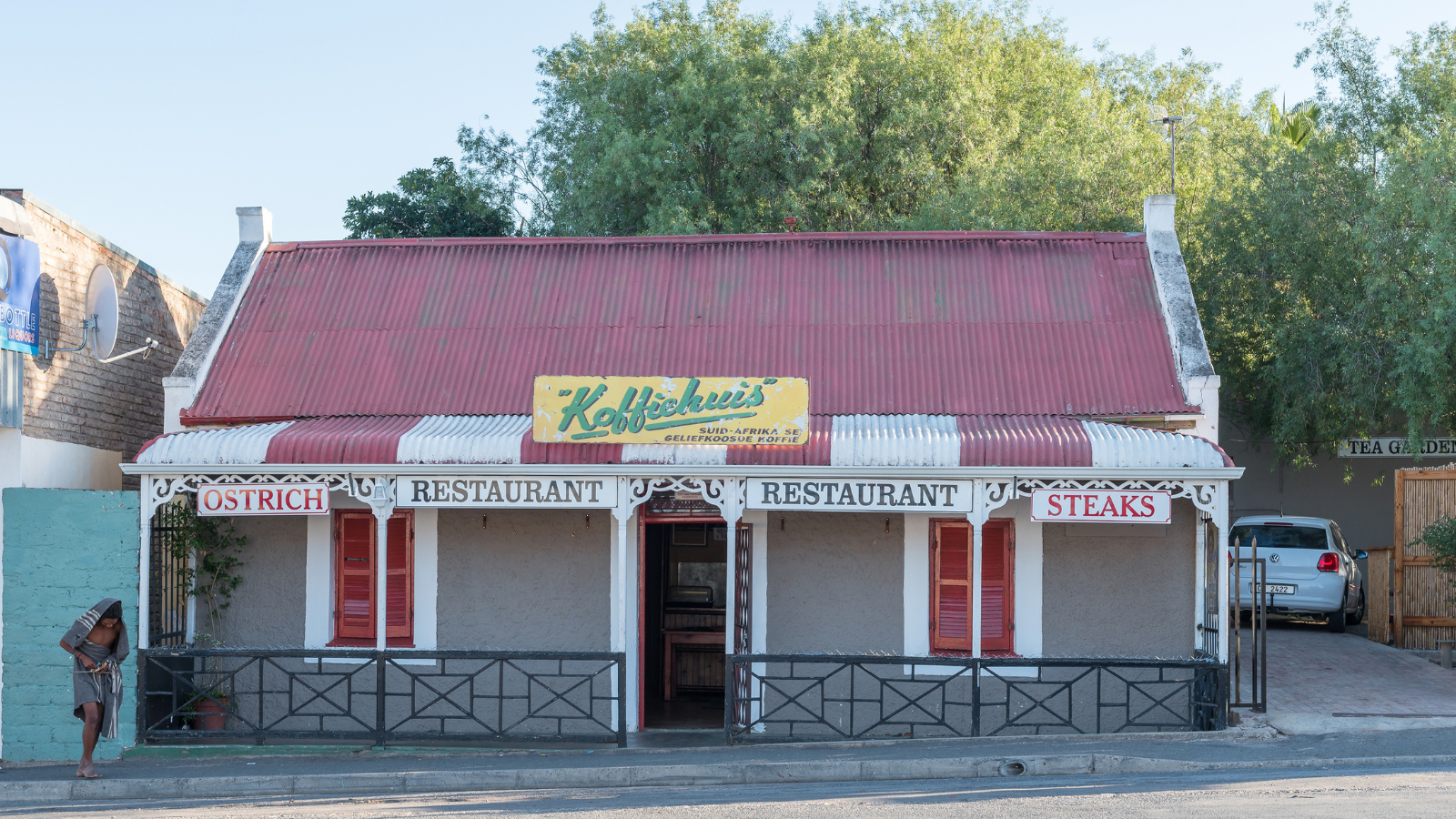
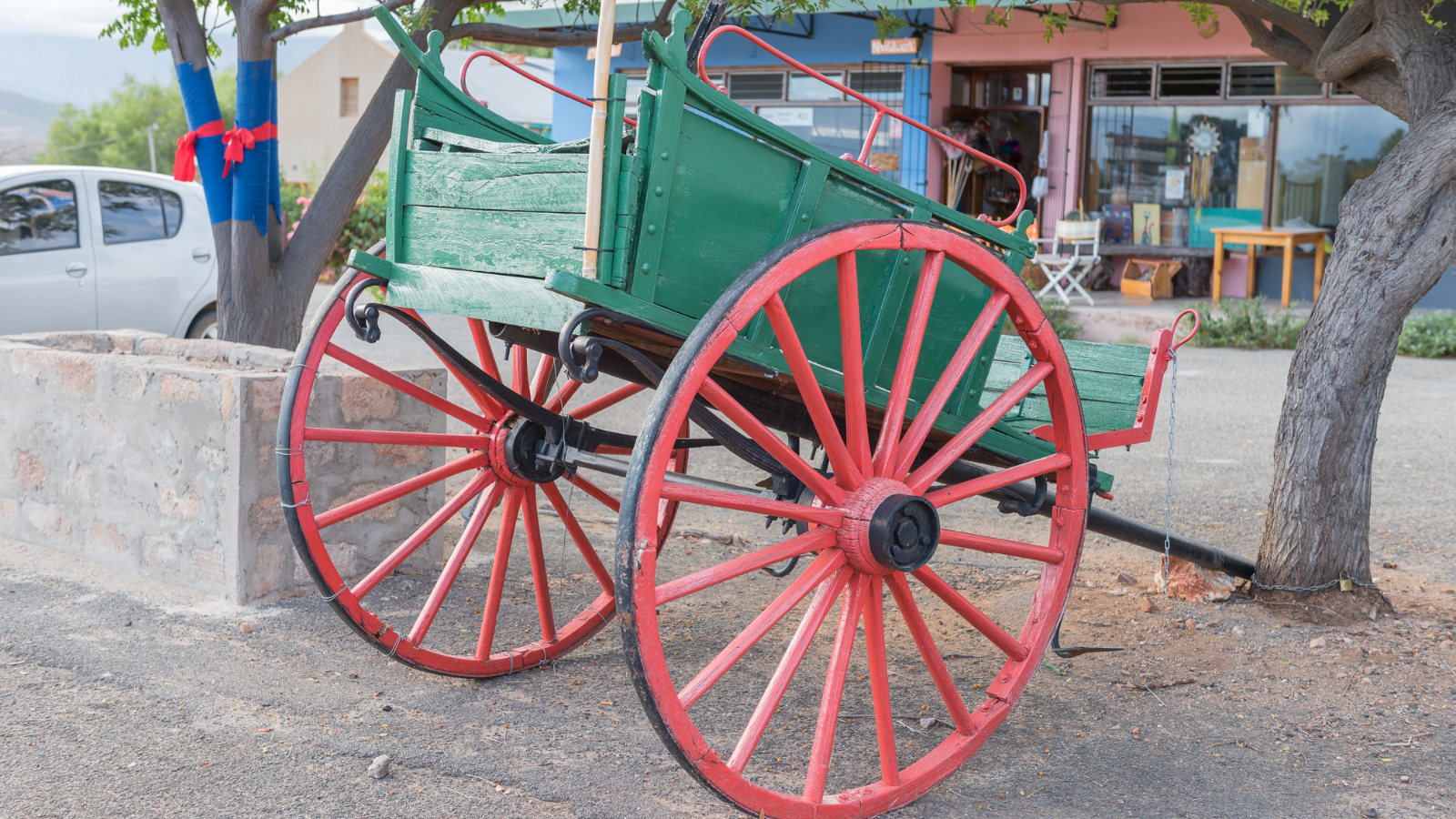
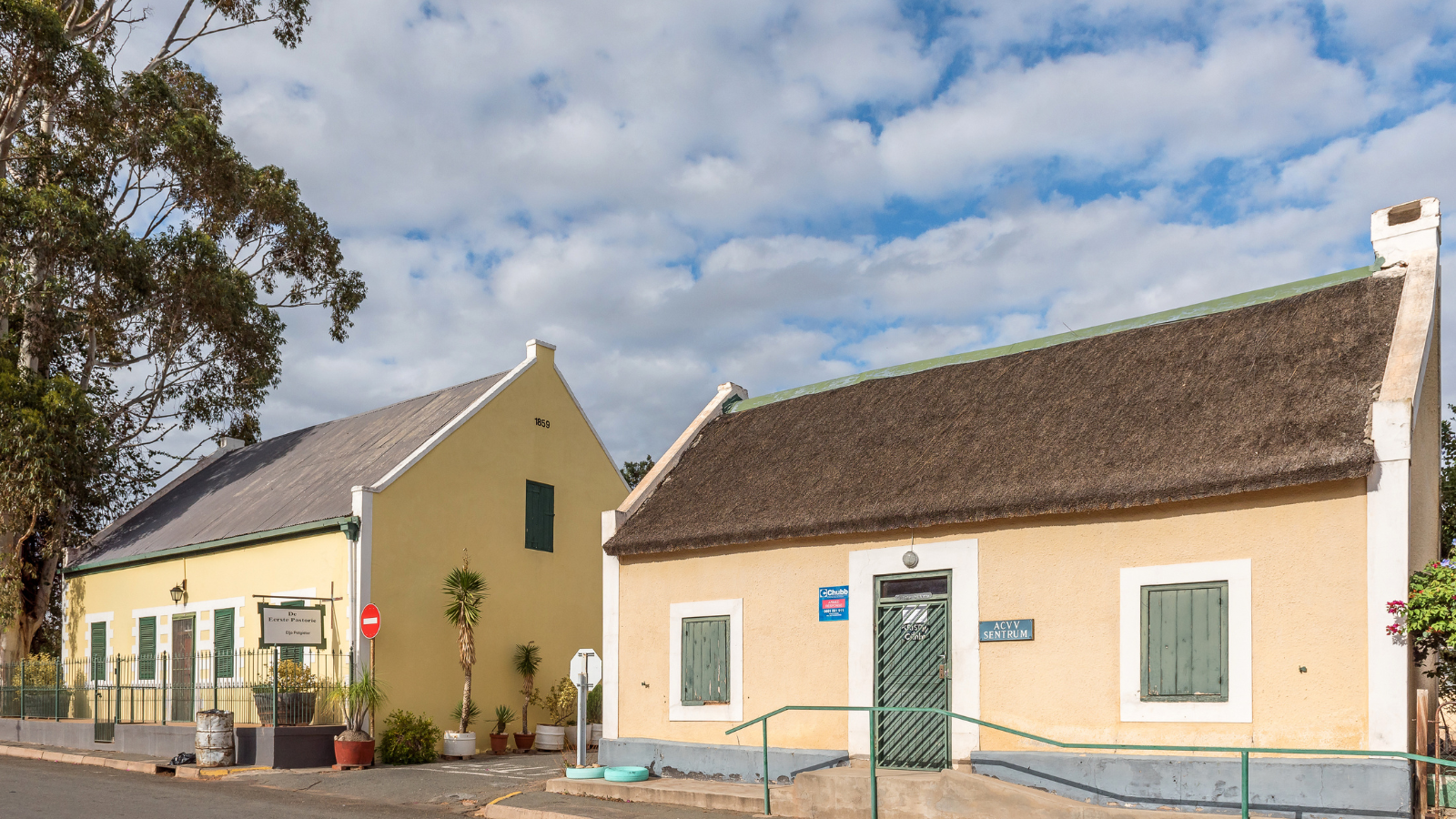
Photos of Calitzdorp
















 Loading ...