

The most expensive province for groceries in South Africa


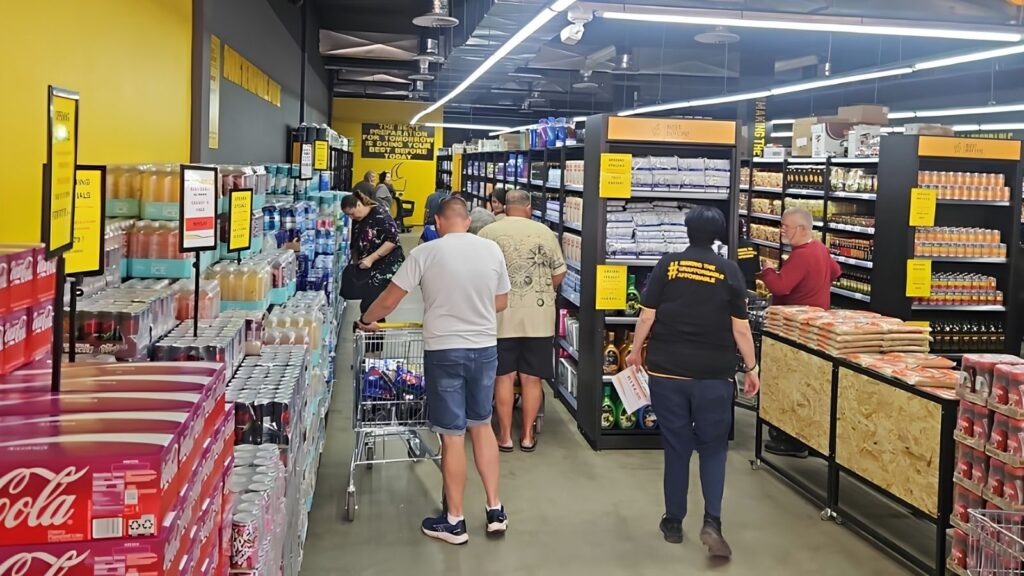
As of the end of July 2026, Springbok in the Northern Cape remains the most expensive city among South Africa’s major metros for groceries, followed by Johannesburg and Mthatha.
This is according to data from the Pietermaritzburg Economic Justice and Dignity (PMBEJD) group, which tracks the cost of a household food basket across the three major provinces.
The PMBEJD report found that while 16 of the 44 tracked food items became cheaper or showed no year-on-year increases, the other 28 experienced price hikes, with six items seeing double-digit inflation.
The headline inflation rate cooled for the first time in five months, declining to 4.3% in July from 5.0% in June. The monthly increase in the consumer price index (CPI) was 0.2%, down from 0.7% in June.
According to Stats SA, food inflation has hit its lowest point in 16 years, with the annual rate for food & non-alcoholic beverages (NAB) declining to 0.9% in July.
The last time food NAB inflation hit these levels was June 2010, when it was 0.7%. Incidentally, that was the month when South Africa hosted the FIFA World Cup, the stats body noted.
Investec’s Annabel Bishop said that food price deflation has helped South Africa’s CPI greatly.
“CPI inflation would be at 5.8% y/y instead of 5.0% y/y, if food and non-alcoholic beverages prices were excluded,” she said.
However, she warned that this, too, will wane over the rest of 2026 and into 2027. This is likely to happen alongside lower oil and fuel pricing, which should balance it out.
The lower rate for food & NAB in July 2026 was mainly due to cereal products and meat. Cereal products recorded an annual change of -2.0%, down from -1.5% in June.
Several products recorded softer monthly rates, most notably maize meal (-3.1%), macaroni (-0.7%) and white bread (-0.6%).
Annual meat inflation slowed to 1.5% from 5.1% in June.
Unprocessed beef products reflected negative annual price changes, with stewing beef at -7.9%, beef steak at -6.1% and beef mince at -5.8%.
However, several processed meat products recorded an increase, including corned meat (+11.8%), meat patties (+7.8%), russians (+7,7%) and sausages (+6.2%).
Food & NAB categories that registered higher annual inflation rates in July include fruits & nuts; fish & other seafood; vegetables; oils & fats; cold beverages; and milk, other dairy products & eggs.
Oils & fats, for example, saw their rate rise from 2.3% in June to 2.8%.
Several fish products recorded sharp monthly increases, including battered or crumbed fish portions (+3.5%); fish fingers (+2.3%); hake (+2.1%); and canned fish (excluding tuna) (+2.0%).
Most expensive province for groceries
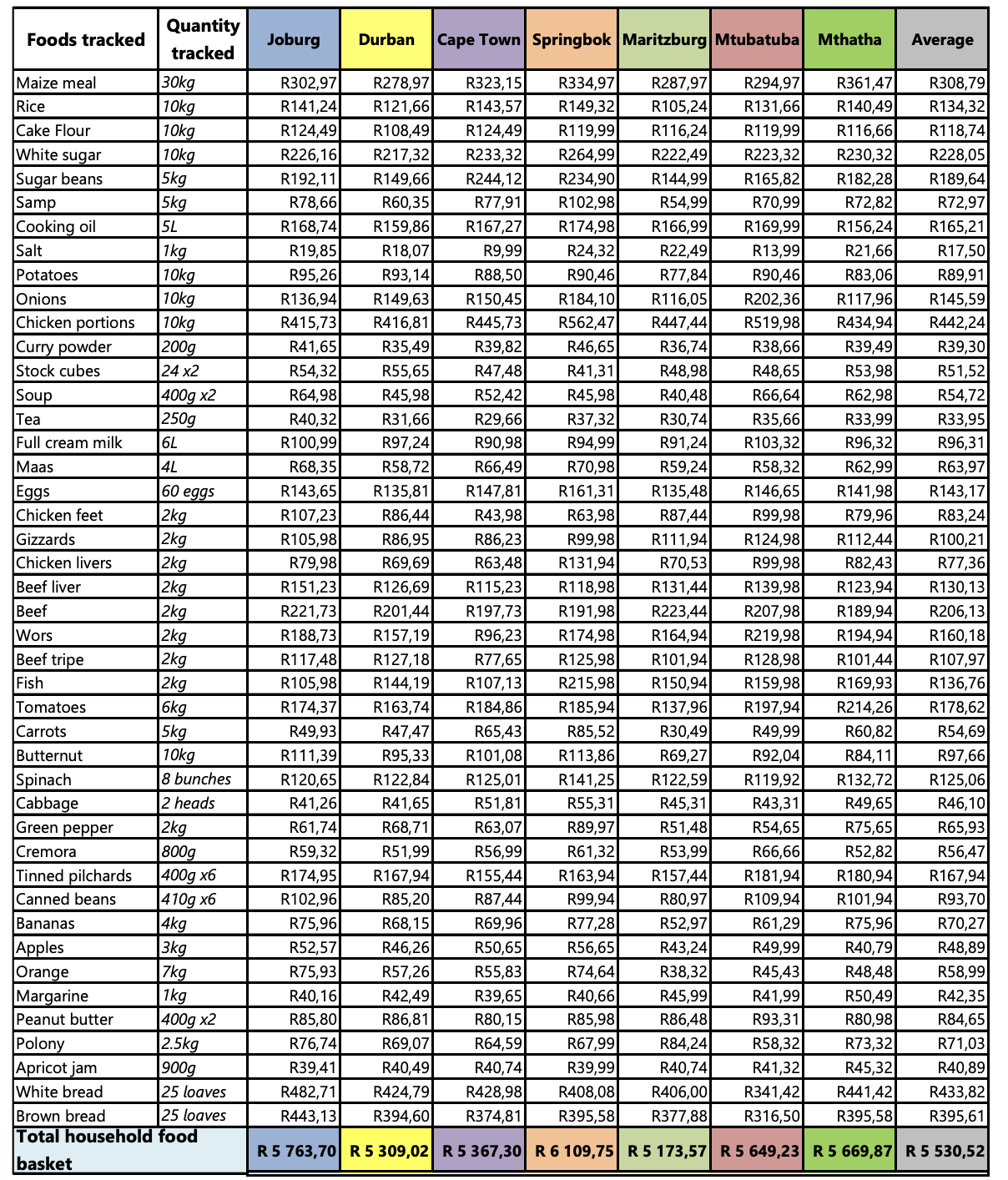
As of July 2026, the average cost of a household food basket in South Africa, comprising 44 essential items that reflect typical purchasing patterns, reached R5,530.52.
This is a 1.6% annual increase of R87.81 compared to July 2025. Month-on-month, the basket price increased by R28.11 compared to June 2026.
However, a breakdown of costs in each city shows that the change in food prices is greater in some areas than others.
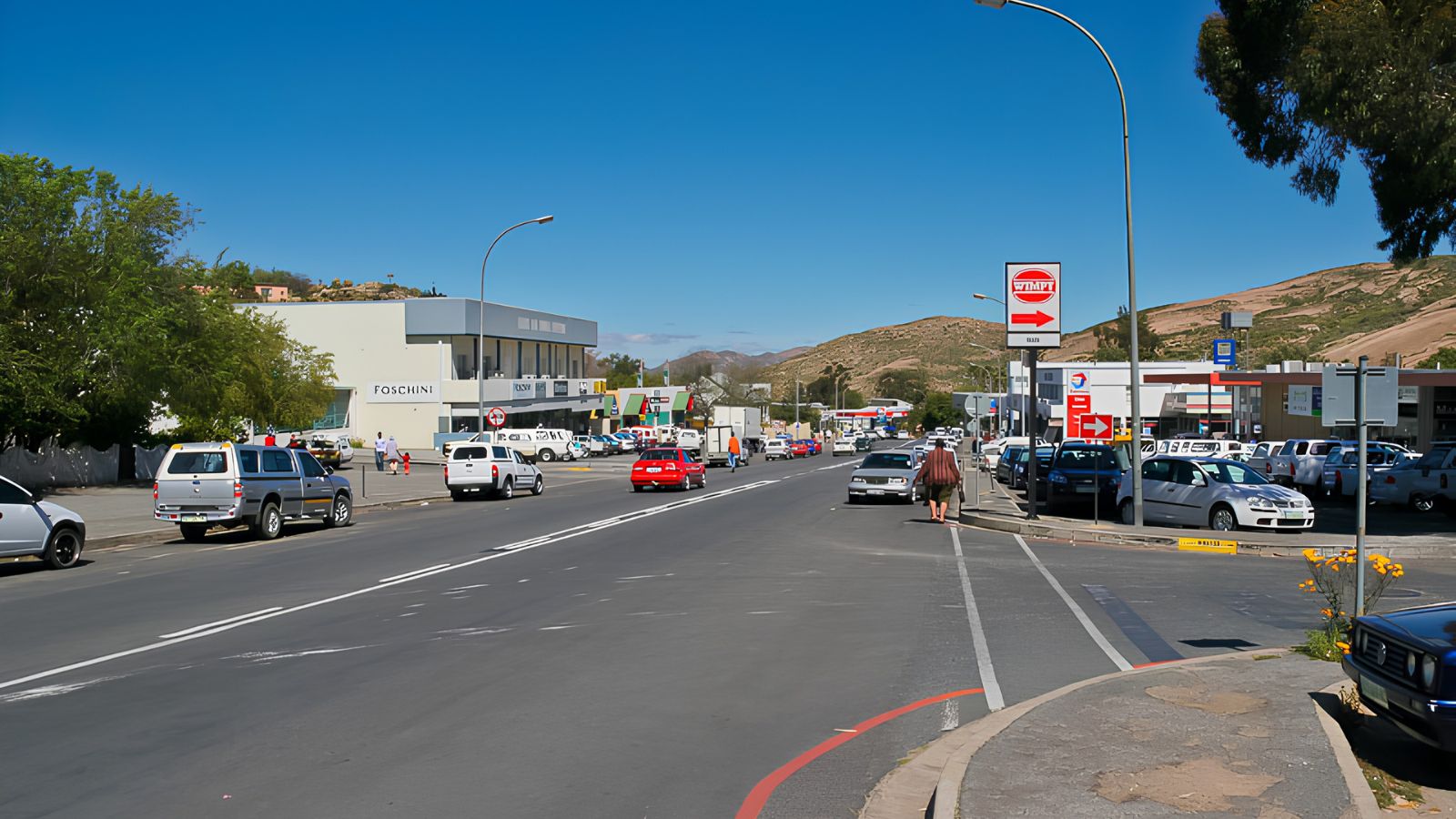
In July 2026, the household food basket cost R6,109.75 in Springbok, a 6.5% increase of R374.25 from the previous year. However, this is also R164.70 more than the basket price of RR5,945.05 in June.
This notable increase makes Springbok and the Northern Cape the most expensive city and province for groceries.
Springbok is a town of the Namaqualand region in the northwest of the Northern Cape, nestled in a narrow valley.
It is surrounded by the high granite domes of the Klein Koperberge and serves as a lifeline for the vast, arid region around it.
The town, located roughly 570 km north of Cape Town on the N7 highway, is an essential stopover for people travelling to Namibia.
The household food basket cost R5,763.70 in Johannesburg, making it the second most expensive city for groceries in South Africa. This was followed by Mthatha in the Eastern Cape, with the same basket priced at R5,669.87
Maritzburg maintained its position ahead of Durban as the cheapest city for groceries, recording further decreases compared to last month and the year before.
The cost of the Pietermaritzburg household food basket decreased by R2.56, from R5,176.12 in June 2026 to R5,173.57 in July 2026.
The city also saw an annual increase of 0.4%, or R20.77, from R5,368.58 in December. Despite the increase, it is still R126.33 less expensive than Johannesburg.
The cost of the Durban household food basket decreased by R49.07 (-0.9%) from R5,358.09 in July 2025 to R5,309.02 in July 2026.
Additionally, year-on-year, the cost of the Cape Town household food basket decreased by R4.05 (-0.1%) from R5,371.35 in July 2025 to R5,367.30 in July 2026.
Grocery basket comparison July 2026

















 Loading ...