

The private school in South Africa that costs R2,985 per month


UCT Online High School has recorded a massive influx of students as thousands of parents struggle to secure placement for their children in public schools.
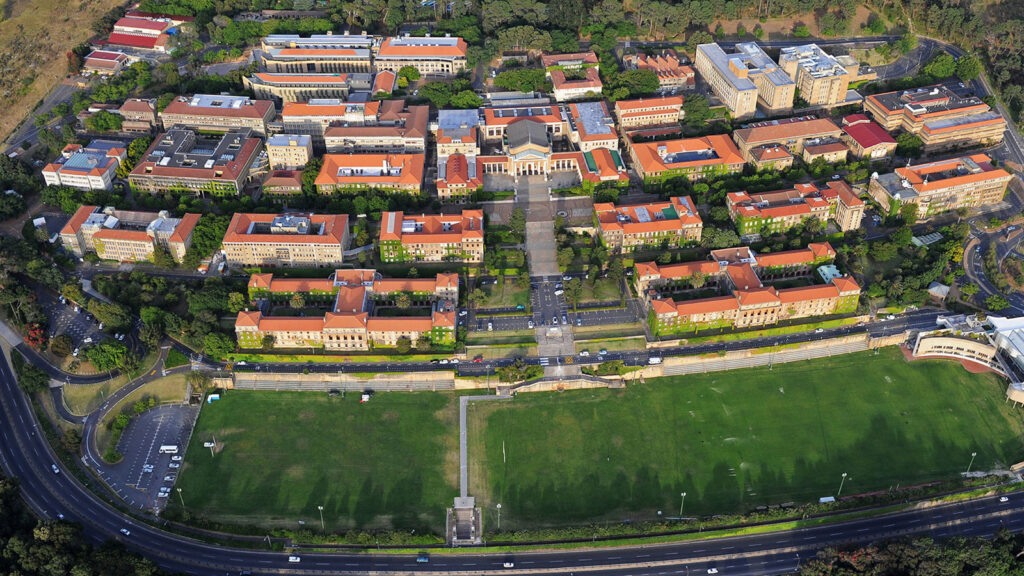
In 2021, the University of Cape Town launched UCT Online High School, becoming the first university on the African continent to extend its expertise to secondary schooling.
While maintaining a relationship with a state-owned institution, the school is private and is designed to serve learners from a broad range of socioeconomic backgrounds.
It offers a CAPS-aligned NSC curriculum for learners in grades 8 through 12, with remote study available at a monthly fee of R2,985.
This makes the remote distance-learning school one of the most affordable private schools in the country.
Its learning model combines self-paced learning with structured flexibility, allowing the school to adapt its teaching methods using data-driven insights.
The school recorded the highest application interest in its history during the 2026 academic year, with over 19,000 applications across Grades 8 to 12 for 2026 – the most since its launch in 2021
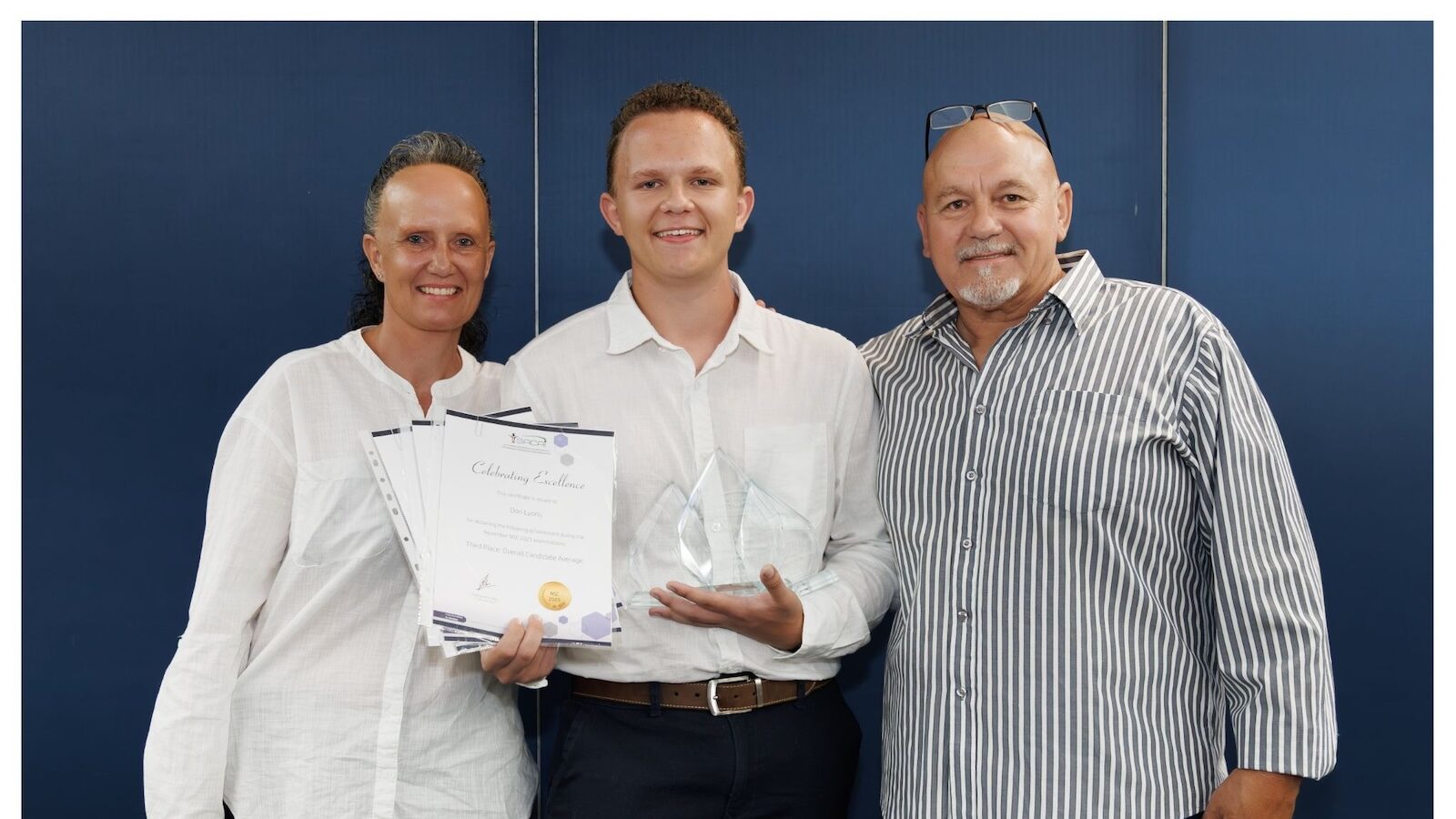
Students from the school have also shown strong academic prowess, with its top student named one of SACAI’s Top 3 Learners nationally for achieving an average of over 90% and six distinctions.
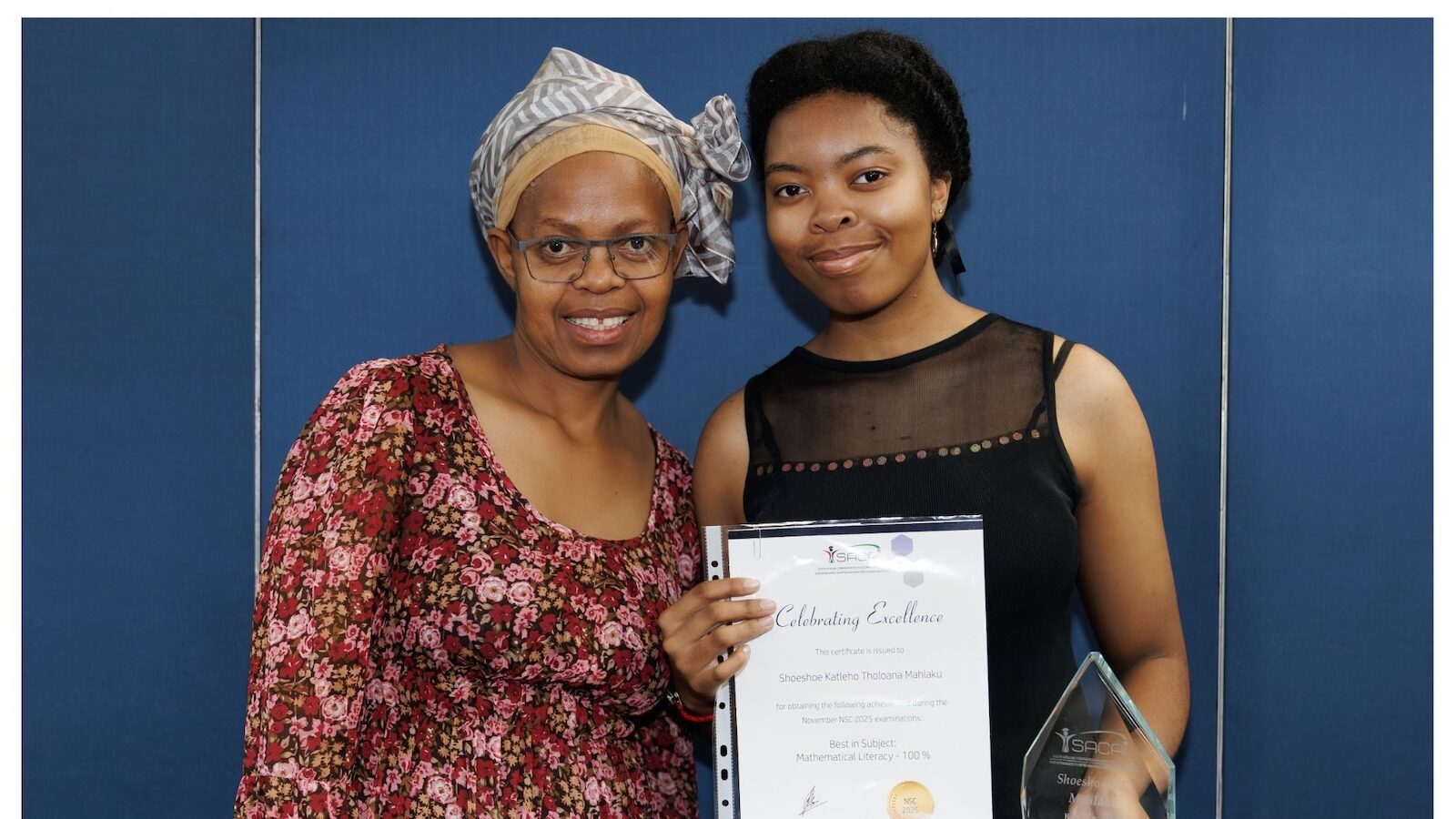
Another candidate scored 100% for Mathematics, earning the SACAI Best in Subject award.
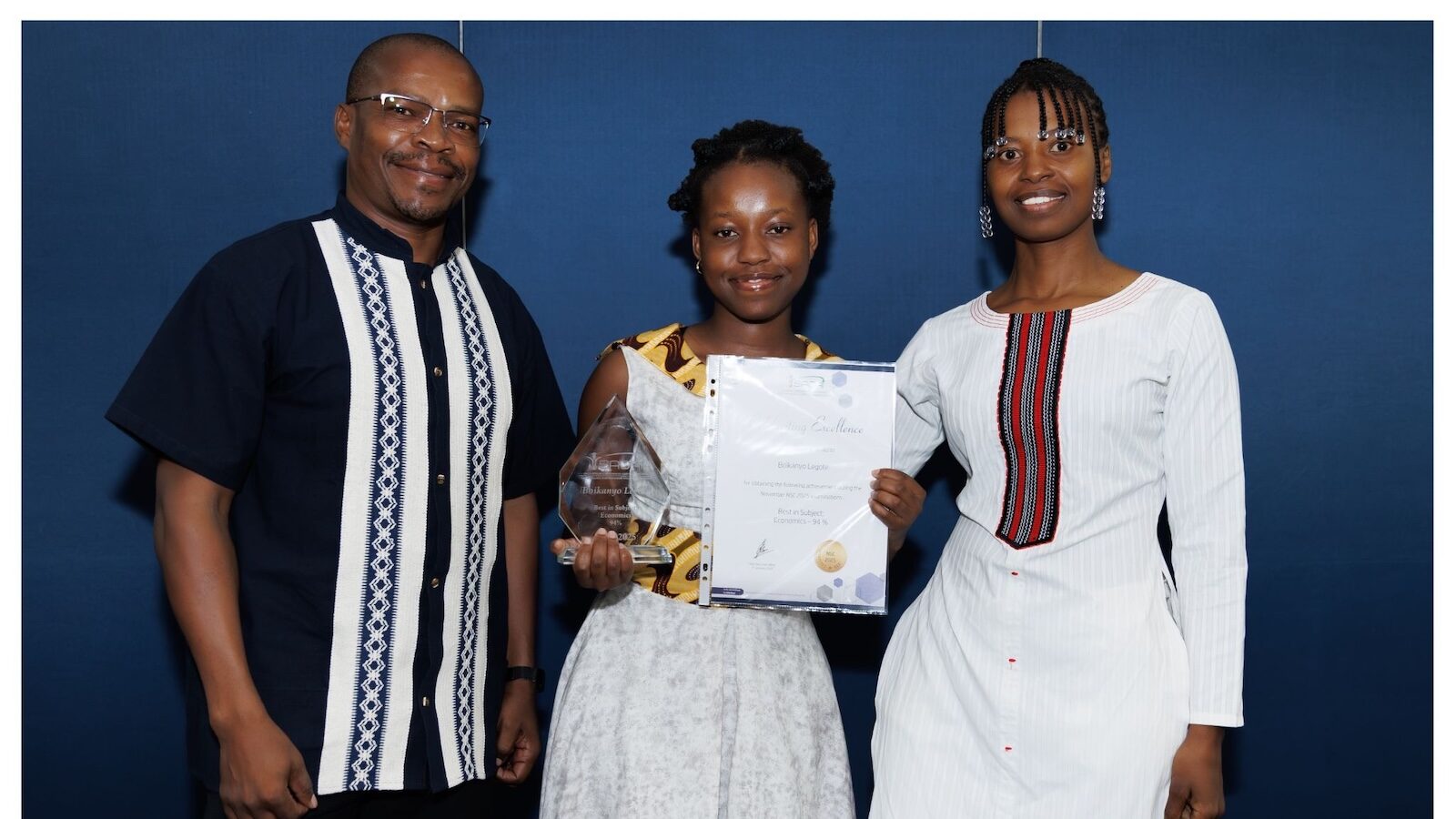
The top 25 students at the school achieved over 600 subject distinctions across key NSC subjects, with strong performances in Economics, Physical Sciences, Accounting, English, Afrikaans and more.
Troubles for schools in South Africa
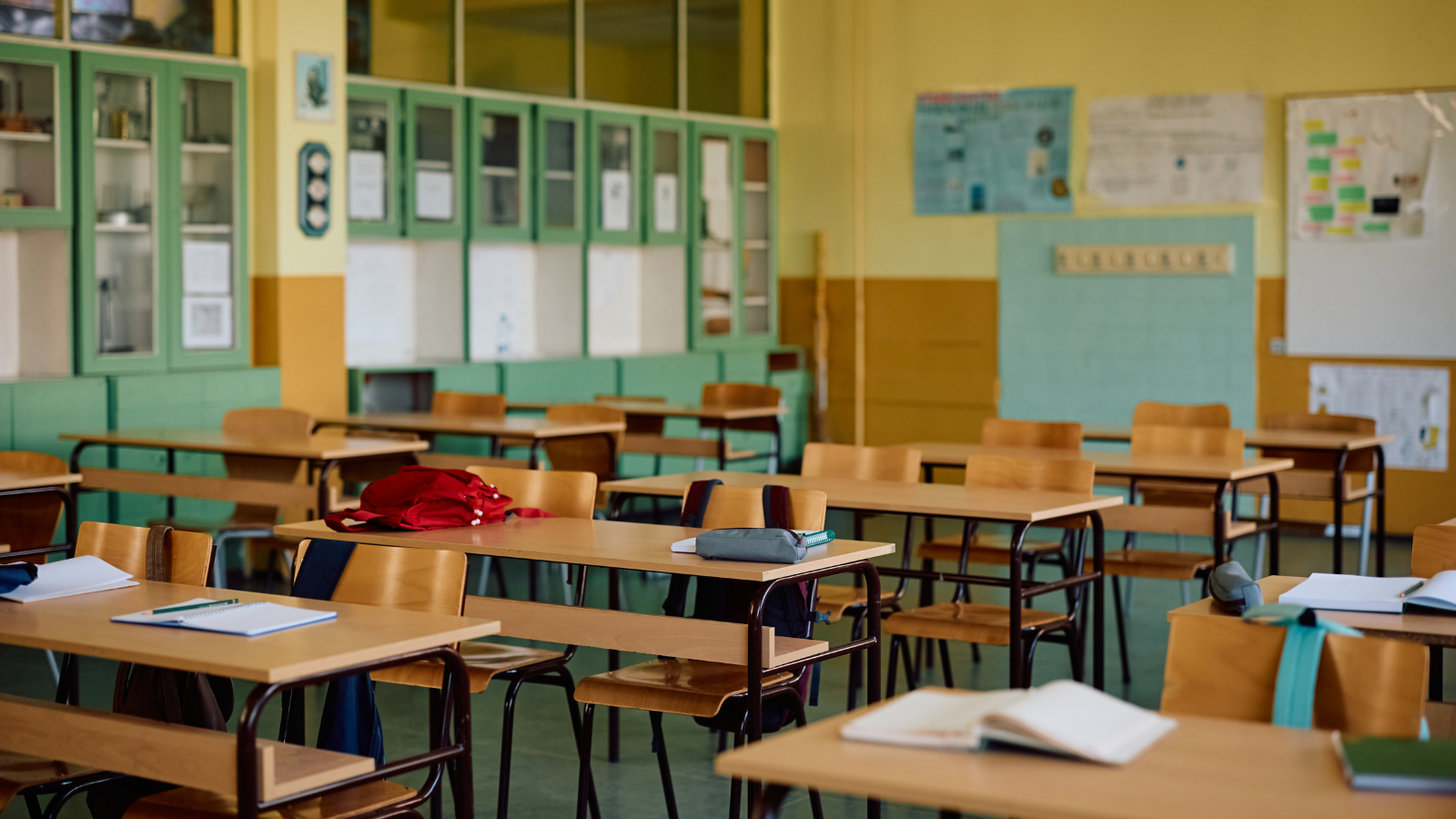
The private school noted that this high level of interest reflects the growing pressure on families that have been unable to place their high school learners in brick-and-mortar schools.
This has led to a growing shift from traditional classrooms to online learning, with interest outpacing the school’s expectations.
“We continue to receive queries from parents eager for their children to begin this year, still as part of our 2026 intake,” said Judith Nshimba, UCT Online High School’s Head of Admissions.
South Africa’s existing schools lack capacity, have late placements, and face infrastructure limitations, forcing many families to explore alternative education models.
The Western Cape Education Department (WCED) already processed the first round of placements for 2027 in June.
With many families rejected and the placement activity paused until late July due to school holidays, many parents are looking for immediate alternatives.
In the Western Cape alone, over 40,000 learners are routinely “double-parked,” meaning they were accepted to more than one school, leaving others in limbo.
Thus, online high school has moved from being seen as a niche option to a structured pathway for teens requiring accredited education.
UCT Online High School also benefits from having learners enrolled from across South Africa, including rural and under-resourced areas.
It did, however, stress that online school will not replace public education but rather complement it.
This is done by “absorbing excess demand, offering alternatives where physical placement is unavailable, and providing options for learners who thrive in flexible environments.”
The school sees the record number of applications as a reflection of mounting demand for accessible schooling amid the nationwide placement challenges.
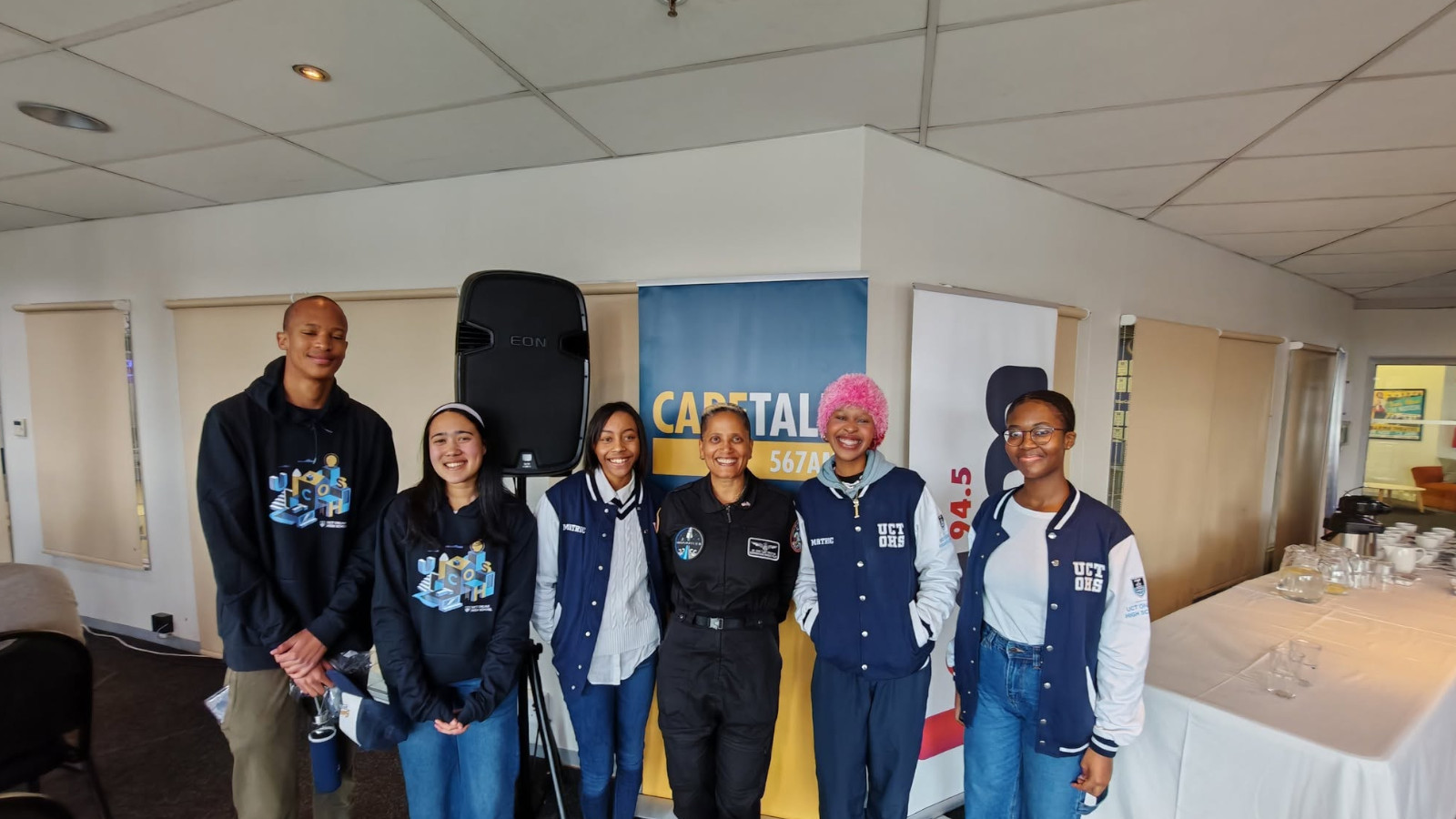
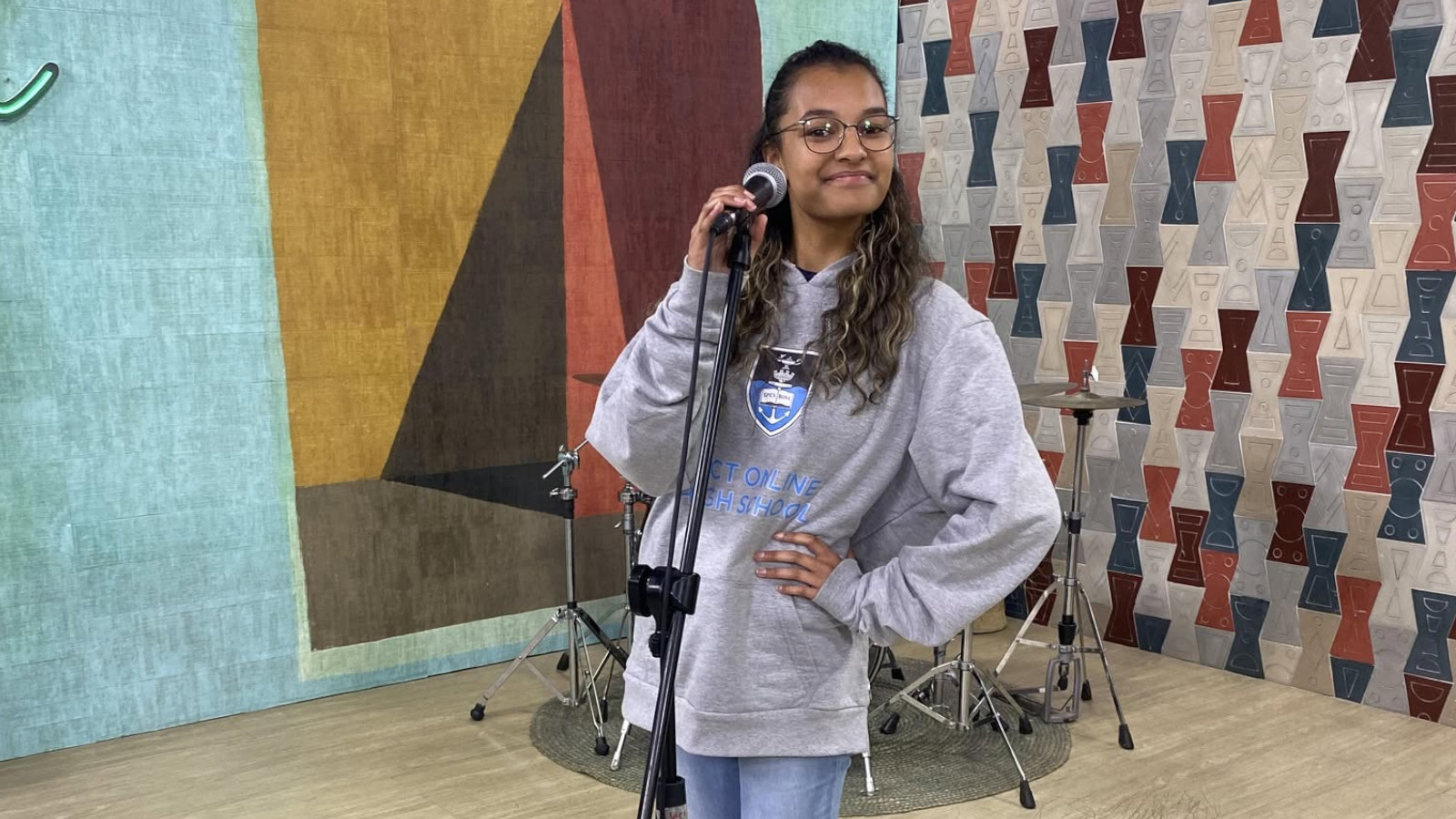
Photos of UCT Online High School





















 Loading ...