

Rich South Africans, Germans, and Brits flocking to buy homes in a collapsing coastal town – spending up to R78 million


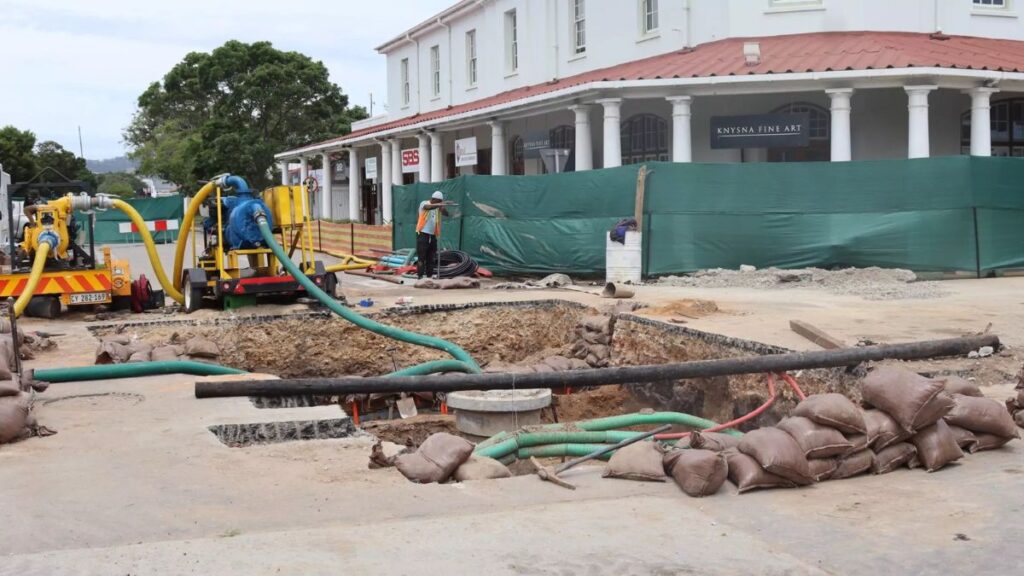
Knysna has become one of South Africa’s most expensive coastal property markets, and is attracting wealthy local and international buyers willing to spend up to R78 million on homes.
This is despite growing concerns about the town’s municipal governance and the deterioration of basic services.
According to Gail Rimbault, licensee for Seeff Knysna, the town generates more than R2 billion in property transactions annually.
It is also the highest concentration of second homes owned by multi-millionaires outside Cape Town’s Atlantic Seaboard, surpassing Plettenberg Bay.
Nearly one-third of homes valued above R500,000 are worth more than R5 million, while premium properties exceeding R10 million can fetch between R52 million and R78 million.
The market has remained resilient despite local challenges, with transaction volumes last year exceeding those recorded in the previous two years, Rimbault said.
Most buyers come from the Western Cape, while Gauteng accounts for approximately 30% of purchasers.
Knysna is also the second-most popular destination for international property buyers outside Cape Town, attracting particular interest from the United Kingdom, Germany, and continental Europe.
The market is driven largely by affluent buyers relocating from other parts of the country, retirement purchases and demand for luxury second homes.
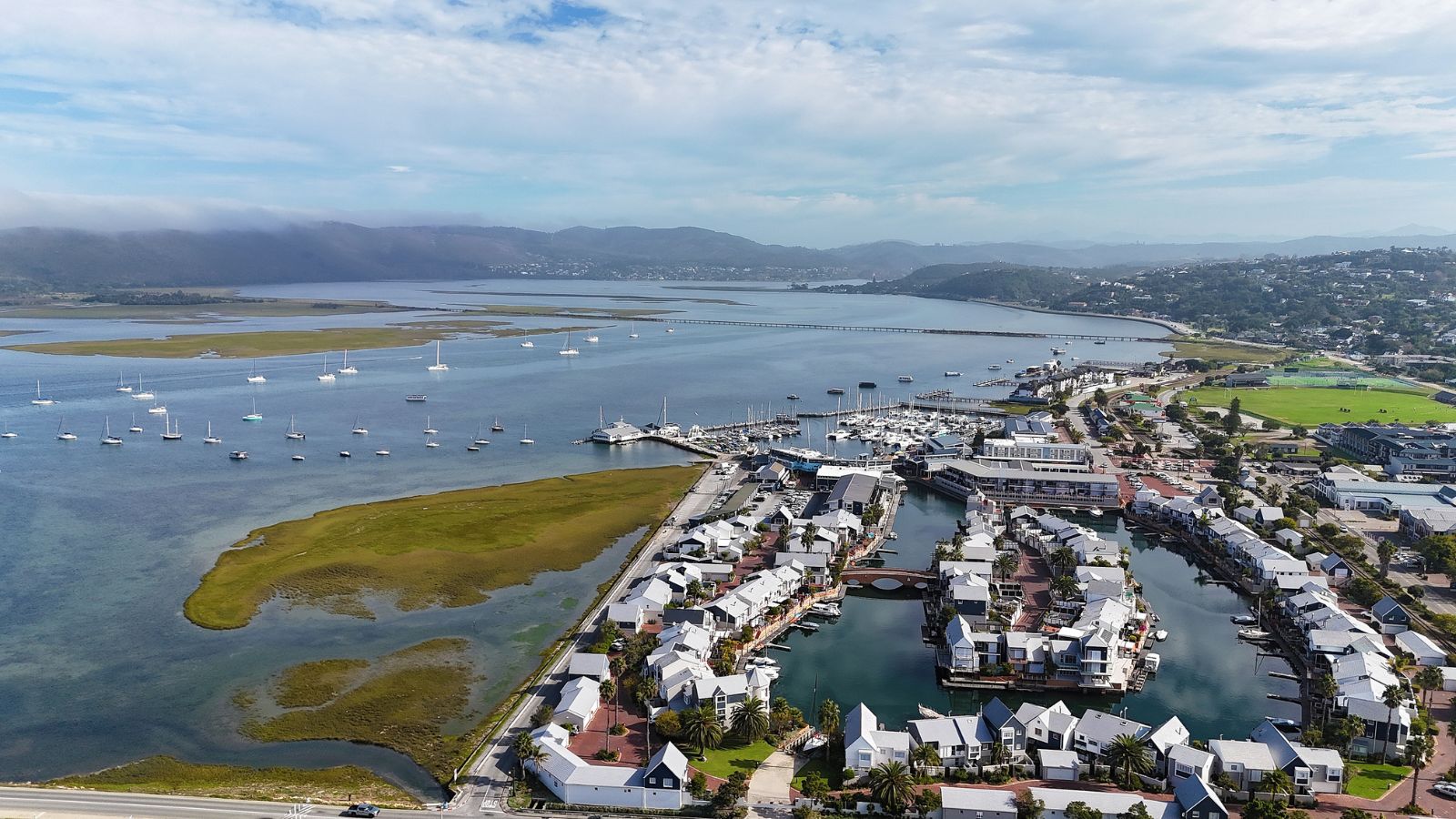
Estates such as Thesen Island, Pezula, Simola, Eastford Country Estate and Belvidere remain popular, with Thesen Island properties averaging approximately R8.4 million.
Demand is also growing for environmentally sensitive developments that offer privacy and a connection to nature.
One example is Hagedashi Luxury Estate in the Gouna Hills, about 10 minutes from central Knysna.
The 24-hectare development, situated within the Cape Floral Kingdom, will comprise just 15 residences surrounded by fynbos, wetlands, natural dams and Afromontane forest.
Rimbault said secure estate living remained particularly attractive to affluent buyers seeking self-sufficiency, tranquillity and long-term capital preservation without sacrificing access to amenities.
Knysna’s tourism economy also supports a short-term rental market, although returns are influenced by seasonal demand.
Political instability and toxic coalition arrangements

The town attracts retirees, remote workers and families relocating from elsewhere while maintaining employment outside the area.
However, the property market’s strength contrasts sharply with the municipality’s mounting governance and service-delivery problems.
Knysna Local Municipality has faced recurring water shortages and sewage failures despite operating on a budget of approximately R1.5 billion annually.
Investigations into alleged corruption and repeated political instability have added to concerns about its ability to maintain essential services.
In September 2025, the Western Cape government attempted to place the municipality under full administration through a Section 139C intervention.
The proposal was overturned by the National Council of Provinces. Knysna has instead continued receiving provincial support, with between R70 million and R80 million provided over the preceding 24 months.
Ron Weissenberg of The Accountability Group, which supported the administration proposal, said the interventions had failed to address the underlying problems.
“They tend to paper over the problems, and they address urgencies and emergencies on a short-term basis,” he told BizNews.
“When the money ends, and the resources are withdrawn, we are left with exactly the same staff complement, management, and issues around leadership.”
The municipality has 1,117 approved positions, but only 633 are occupied, leaving 484 vacancies. Nearly 80% of those vacancies are in critical functions, including plumbing, electrical work, road maintenance and engineering.
Weissenberg blamed political instability and coalition arrangements for undermining accountability and effective administration.
He argued that Knysna needed a majority-controlled municipality in which responsibility for service delivery could be clearly assigned to political leaders.
“One thing communities can do is use current legislation and best practice to pressurise those political parties or individual independents into more appropriate action,” he said.
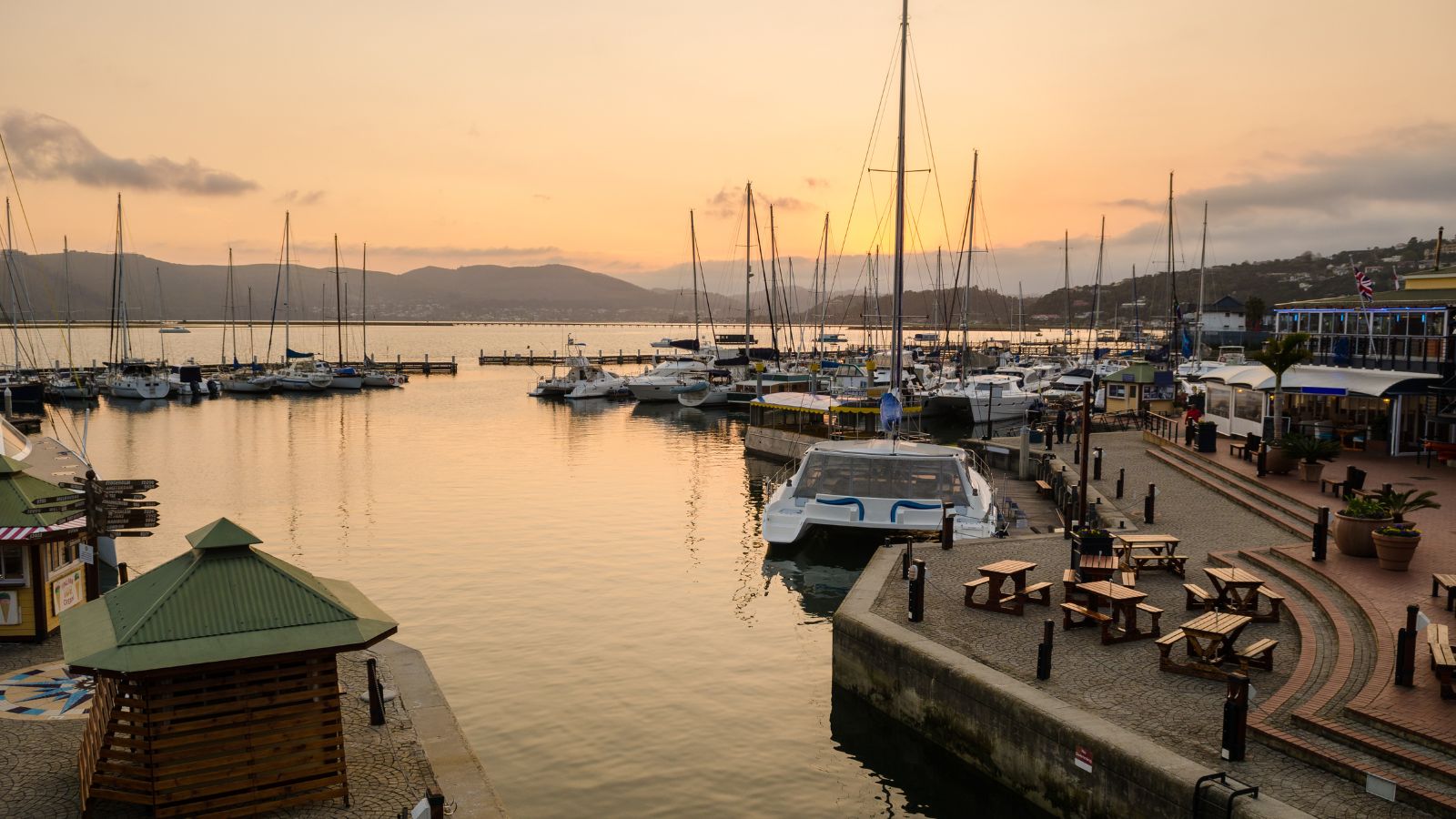
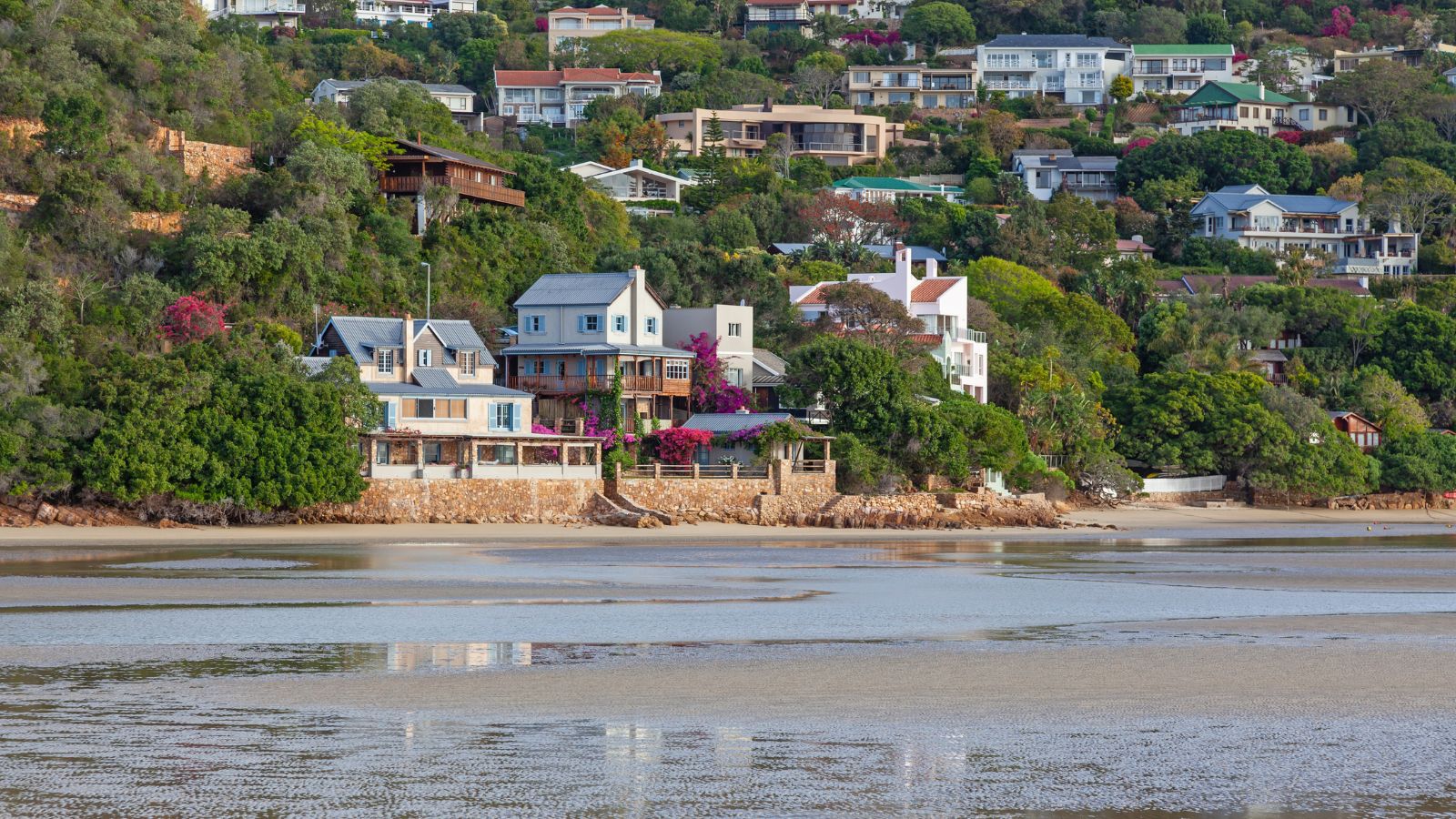
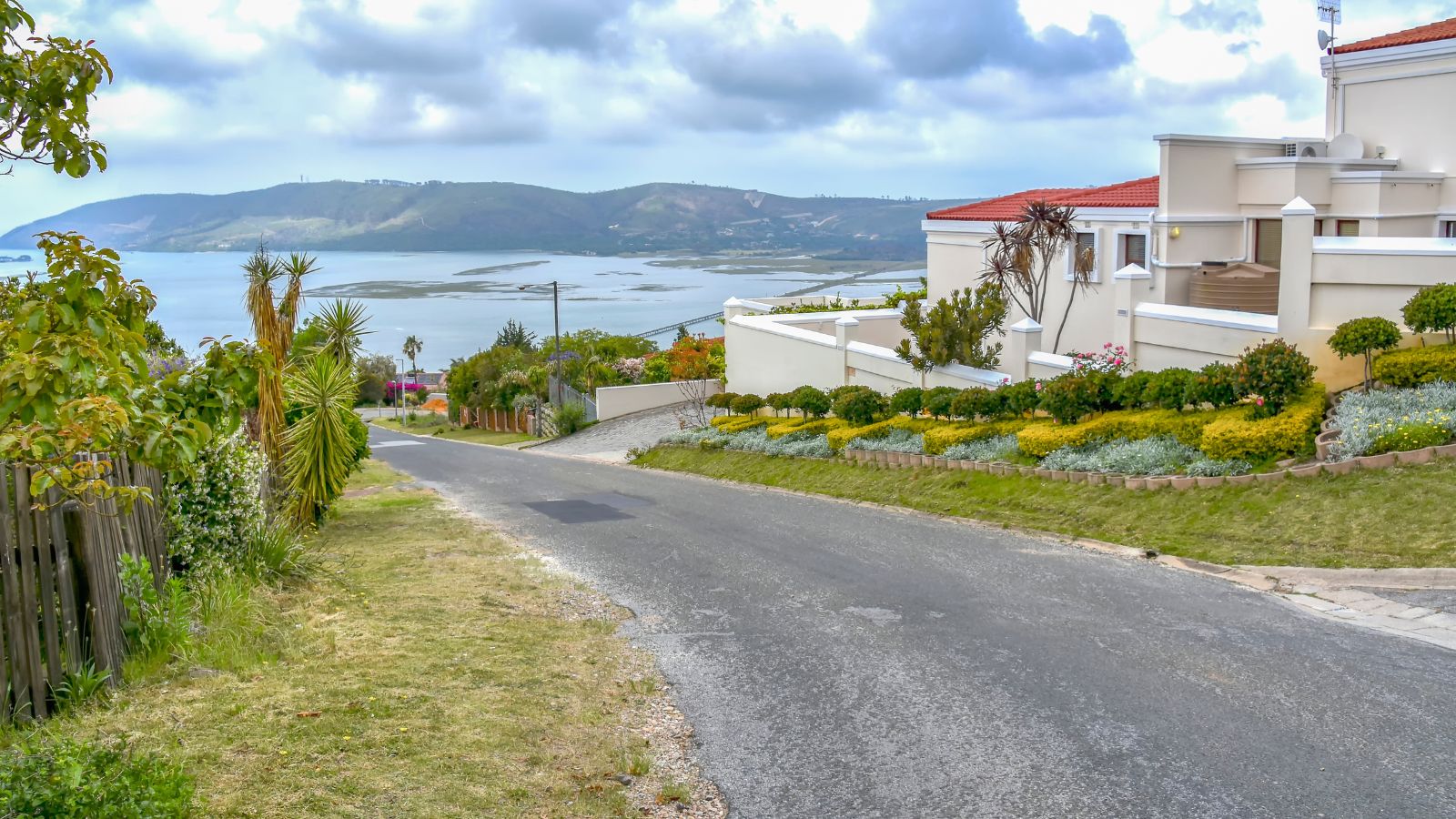
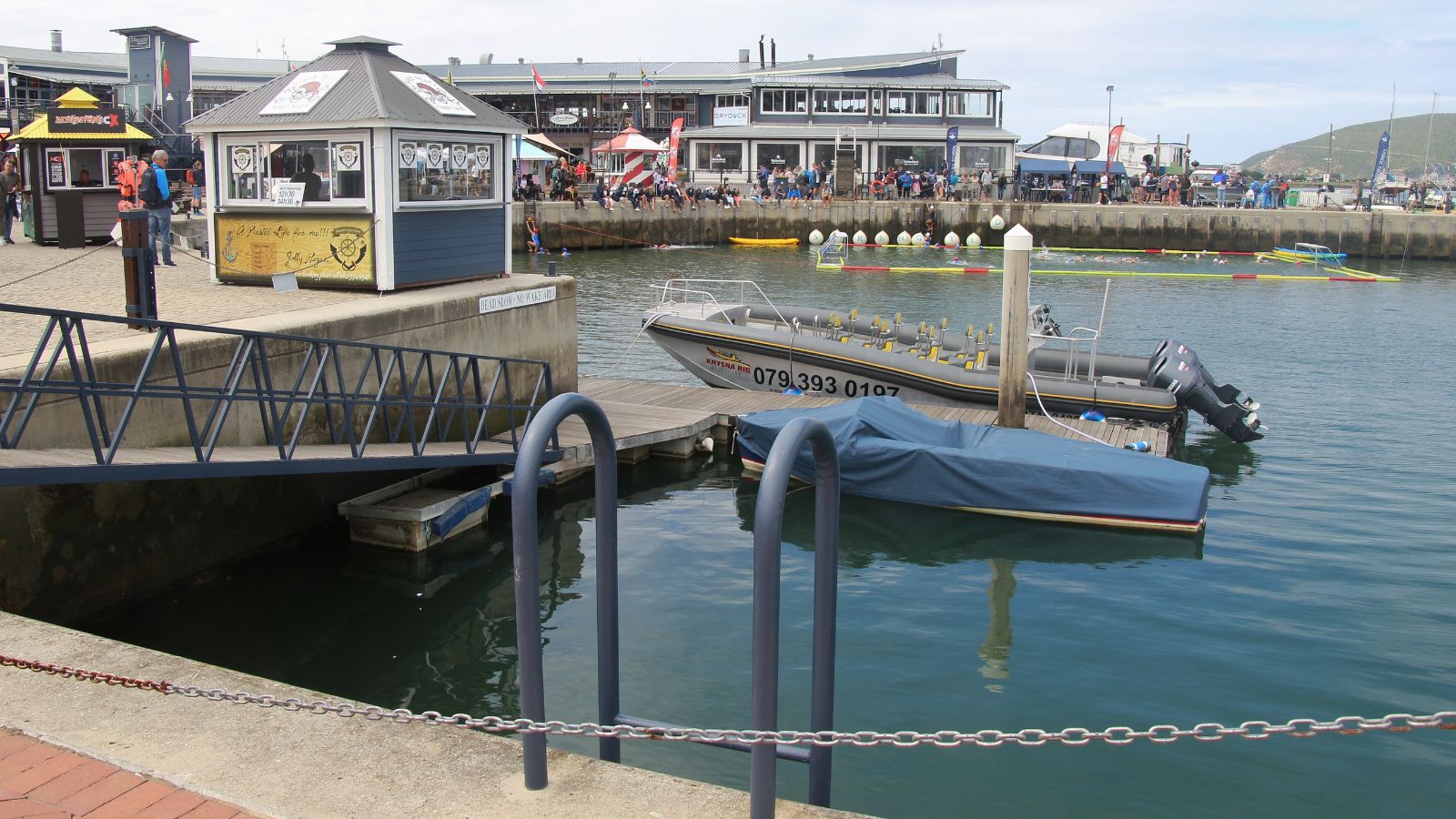
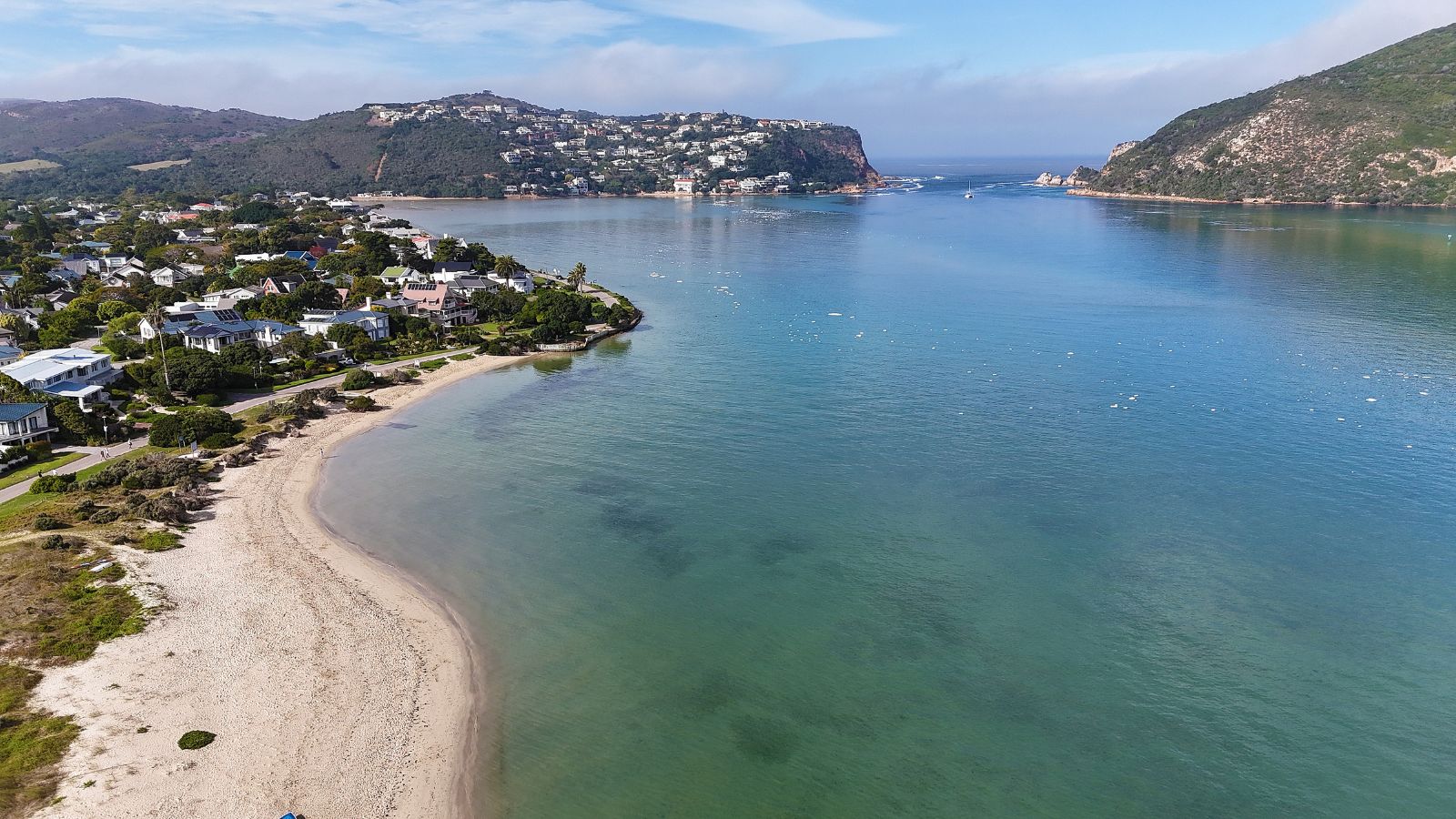
Photos of Knysna


















 Loading ...