

Vodacom under siege


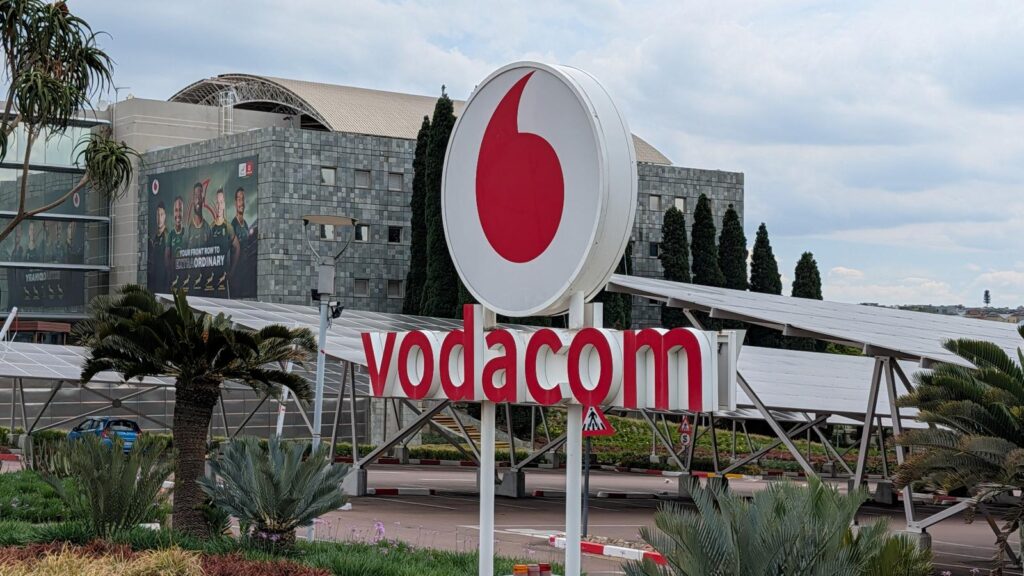
Vodacom said it will appeal a Kenyan High Court decision invalidating the government’s sale of a stake in East Africa’s biggest mobile-network operator to the South African-based wireless carrier.
The court ordered that the 15% stake in Safaricom be returned to the government.
It ruled that the sale violated public-finance management laws and failed to fully comply with public-participation requirements.
Judges Francis Gikonyo, Roselyne Aburili and Tabitha Ouya handed down the decision on Tuesday (15 September) in Nairobi.
“As interim steps, Vodacom will lodge an appeal against today’s decision with the Court of Appeal and will also apply for a stay pending the determination of the appeal,” the company said in response to questions sent by text message.
Vodacom shares fell nearly 4%, the most since July 27, in Johannesburg trading after the ruling before retracing losses. Safaricom shares jumped as much as 2.2% during Kenya’s trading session.
The divestiture was undertaken in contravention of the constitution and the law and was therefore “invalid, null and void,” the judges said.
“The 15% shares are hereby restored to the government of Kenya.”
If the appeal is unsuccessful, Kenya’s cash-strapped state may need to refund about $1.9 billion (R31 billion) it’s already received for the stake.
Critical transactional documents such as the share-purchase agreement and a dividend rights purchase pact weren’t disclosed for public scrutiny, while the state didn’t explain in court why it settled on Vodacom as a buyer without a competitive selection process, the judges said.
In addition, the upfront monetisation of future dividends violated the constitution by disenfranchising citizens, and the transfer of control of a strategic asset to a foreign shareholder threatened national security, they ruled.
“The divestiture involved the acquisition of effective control,” the ruling states. “It was a takeover. This detail of information was not disclosed to the public.”
Vodacom agreed to buy an additional stake in Safaricom from the Kenyan government in December, increasing its shareholding to about 55% from almost 40%. The Kenyan Treasury’s interest was reduced to 20%.
The court said the parties didn’t apply for exemption from takeover requirements, and there was no evidence that the Competition Authority approved the transaction.
Transaction advisory services were also procured from KCB Investment Bank Ltd. in contravention of the nation’s laws.
Vodacom said the transaction was completed on June 30 following the lifting of the conservatory order by the Court of Appeal and the fulfilment of all relevant conditions precedent.
The sale raised about 204.3 billion shillings ($1.6 billion), along with an additional 40.2 billion shillings from the securitisation of future dividends.
President William Ruto’s administration is privatising state assets to raise project financing needed to fire up the $141 billion economy.
His administration has a $39-billion infrastructure pipeline that includes railways, airport upgrades, roads, power lines, dams and irrigation projects that he says will create jobs and cut transport and energy costs.
The build-out will be partly funded by cash raised from the sale of assets, including Kenya Pipeline Co., and co-investment from the private sector, according to Ruto.













 Loading ...