

How much you need to earn to be considered rich in South Africa


In South Africa, there is no exact amount someone needs to earn to be considered rich, and estimates vary widely, ranging from as little as R30,000 to over R400,000 a month.
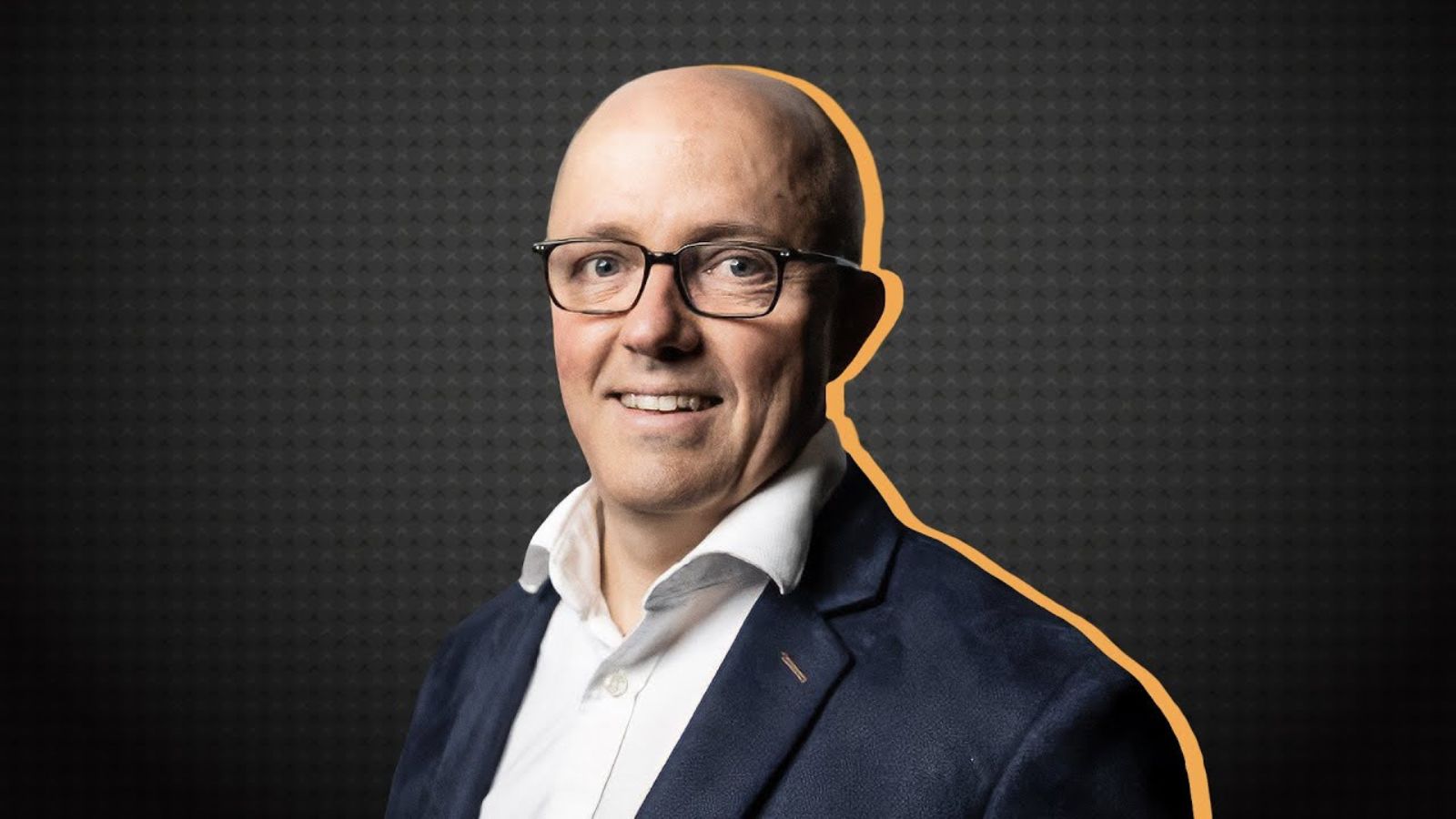
Ranmore Fund Management founder and portfolio manager Sean Peche says being considered rich in South Africa depends on how you compare with everyone else.
Sean Peche has achieved something which very few fund managers can claim. He significantly outperformed the S&P 500 and MSCI World indices over the last five years.
Speaking at the BizNews Conference last month, Peche explained that you fall into the wealthy category if you’re in the top 10% in South Africa, earning about R1 million a year, or if you have more than R10 million in assets.
For the country’s top 1%, he said the threshold rises further if you earn R2 million or more a year and R25 million of assets. “This is the benchmark for being economically rich or wealthy in South Africa,” he said.
However, this benchmark drops significantly if you include the entire population and not just those who are formally employed.
For example, Stats SA shows that the average monthly salary in South Africa is R29,690 per month. This is roughly R360,000 a year.
When compared to the entire population, including the employed, this amount puts you in the top 8% in South Africa, according to the World Income Inequality Database.
However, if you ask an ordinary South African what they consider to be rich, their estimate blows even Peche’s numbers out of the water.
According to a BusinessTech poll of over 1,200 South Africans, 27% believe that one must earn R5 million or more a year, or R400,000 or more a month, to be considered rich.
18% believe you need to earn R1 million a year or R83,300 a month, while 7% believe you need to earn at least R750,000 a year or R62,500 a month.
Regardless of the exact number, Peche stressed that the real challenge is not getting rich but staying rich.
Real wealth is not only measured by income and assets
According to Peche, the fastest routes to financial ruin are straightforward. “They spend more than they earn. They also rely on high-cost debt and ignore risk and diversification,” he said.
These mistakes leave people without a financial cushion when life goes wrong. This includes losing your job, getting divorced, or having an illness with medical bills.
“We need to save, we mustn’t use high-cost debt,” Peche said. Saving creates the chance to build “a nest egg”, while risk management and diversification help protect it.
On investing, Peche said one of the most important lessons is that wealth preservation is less about chasing spectacular returns and more about avoiding permanent losses.
Peche said investors can turn the odds in their favour by focusing on businesses that generate cash flow, have strong balance sheets, honest management, and are not overpriced.
However, even then, you’re still going to get it wrong, with Peche explaining that even top fund managers make mistakes 30%, 40% of the time.
That is why diversification is critical. He argued that many legendary investors were far more diversified than ordinary investors assume.
He pointed to John Templeton, who held up to 100 stocks, Anthony Bolton, who held between 80 and 140 positions, and Peter Lynch, who at one point held hundreds.
“You don’t need highly concentrated portfolios to do well. In fact, concentrated investing can be dangerous because it places a huge burden on being right and leaves investors vulnerable when things go wrong.”
For those serious about preserving wealth, Peche said the ideal setup is to be “diversified in regulated products which are liquid, so you can get your money when you need it.”
Investors should make sure the vehicle they use is properly regulated and that the regulator is globally respected.
But he said wealth should not be about protection and growth alone. “You don’t want to be rich and miserable,” he said, arguing that generosity matters too.
Peche said giving to effective charities can bring meaning and happiness, while also helping create jobs and support vulnerable South Africans.
In his view, real wealth is not only measured by income and assets, but also by whether you can keep it, use it wisely, and put it to good use.














 Loading ...