

Bad news for McDonald’s, Wimpy, and Steers in South Africa


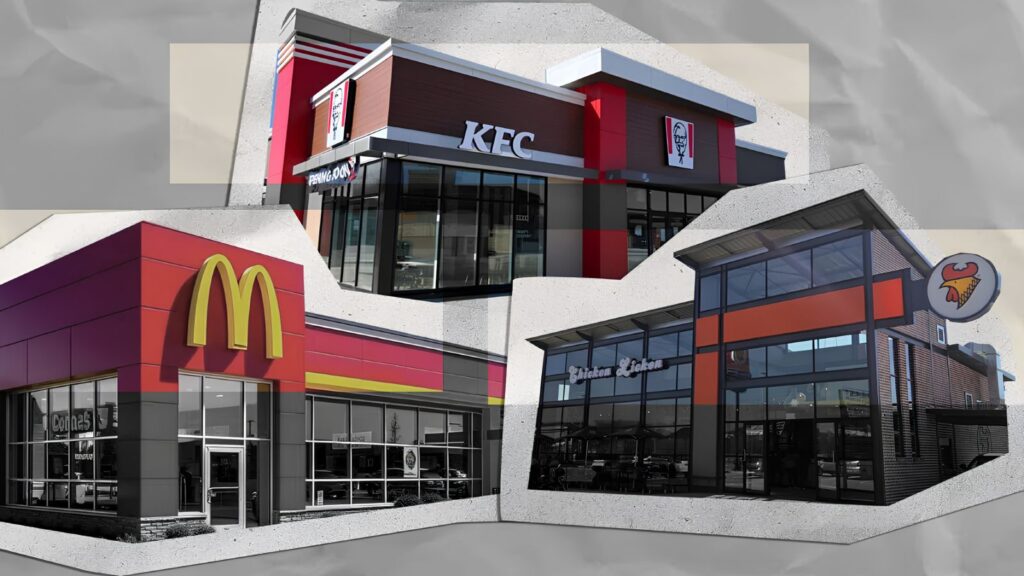
Recent statistics reveal a decline in the number of people visiting fast-food restaurants in South Africa, according to a report by the consumer strategy and analytics company Eighty20.
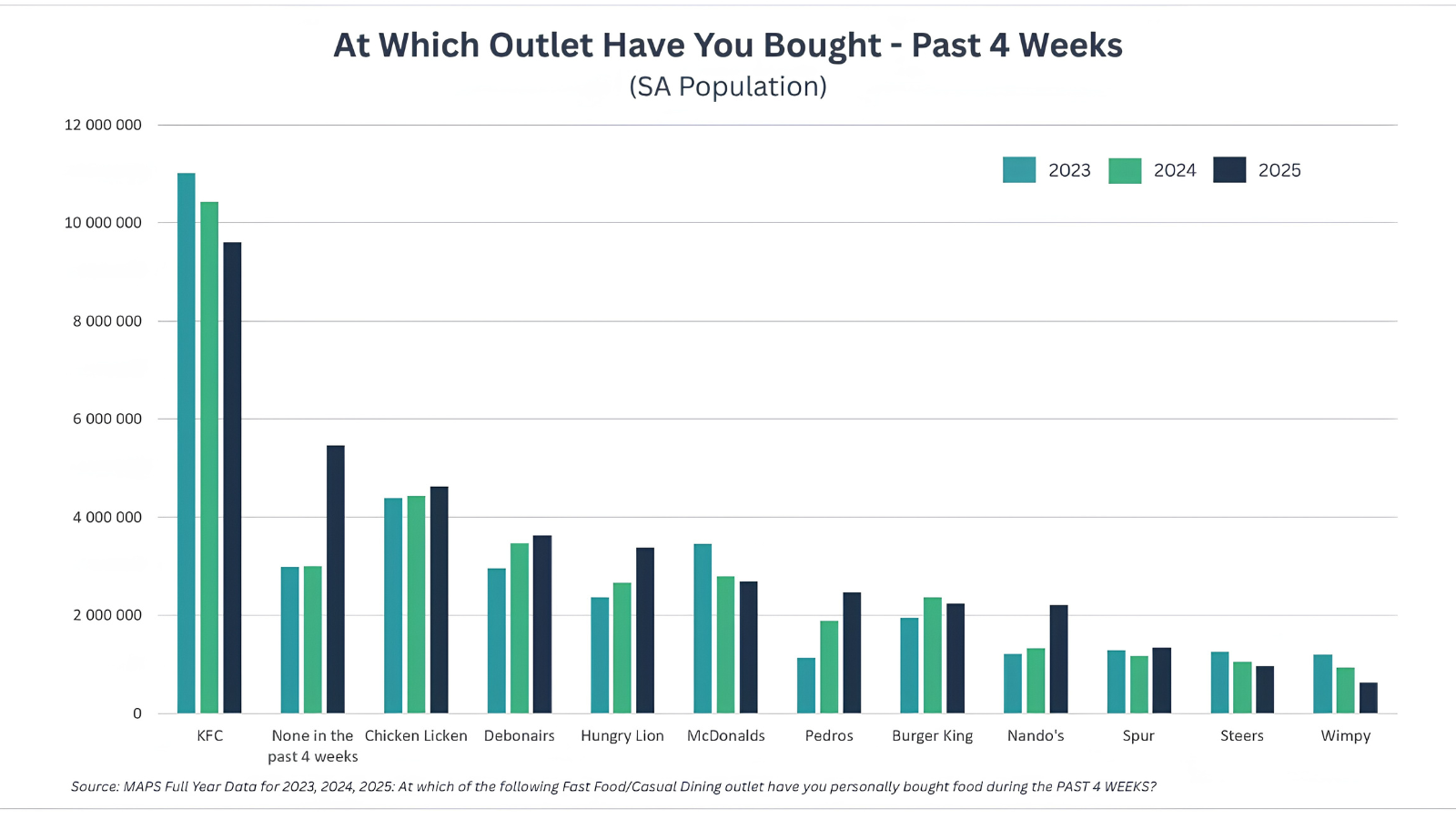
This trend is evident from the increasing percentage of respondents who reported not eating at a fast-food outlet in the past four weeks.
While the overall number of consumers dining out has remained stable over the year, they are simply doing so less frequently.
Eighty20’s Director, Andrew Fulton, noted a shift towards more affordable protein options, particularly chicken.
Brands traditionally associated with burgers, such as McDonald’s, Wimpy, and Steers, have seen a decline, while chicken-focused brands like Hungry Lion, Pedros, and Nando’s, along with two pizza chains, have gained popularity.
Fulton said that this trend aligns with recent media coverage highlighting how Hungry Lion and Pedros have been expanding their store networks and experiencing strong growth in foot traffic.
In contrast, brands like Wimpy and The Fish and Chip Company have encountered slower growth.
Eighty20’s MAPS data, a nationally representative survey of 20,000 people conducted by the Marketing Research Foundation (MRF), asked respondents which fast-food outlets they visited over the past month, three months, and year, alongside various behavioral questions.
In mid-2025, beef inflation surged sharply, peaking between May and July with prices jumping nearly 30% year-on-year, marking a severe blow to meat affordability in South Africa.
For the past year, meat has dominated the inflation story, with at least half of the top ten highest-inflation items being meat products, while chicken prices also remained high.
According to Eighty20, South Africa has experienced its worst outbreak of foot-and-mouth disease in decades, affecting cattle and dairy herds across all nine provinces.
This supply squeeze includes not only livestock lost to illness but also healthy animals being quarantined, compounding the shortage and resulting in higher prices.
The effects of inflation
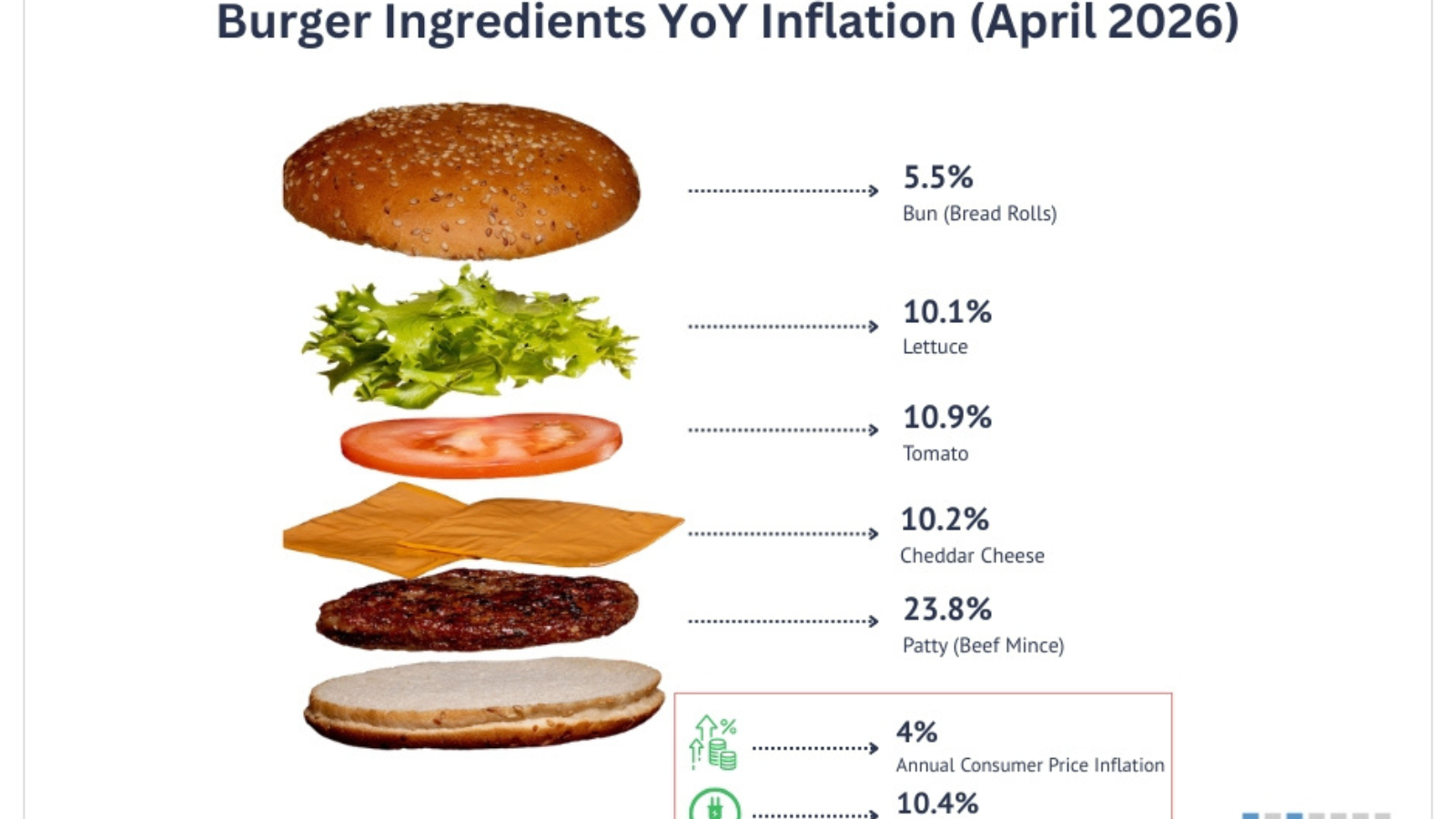
The image above shows how the cost of inputs for a homemade burger has increased over the past year.
Only tomato sauce saw price growth below inflation, while most inputs increased at more than double the inflation rate.
Using a Big Mac as a reference point, its price rose from approximately R55 (~$3) in May 2025 to R70.90 ($4.30) by 17 May, 2026, as listed on the McDonald’s app.
This represents nearly a 30% increase in rand terms and a 43% increase in dollar terms.
Recent financial results from two major food groups, Spur and Famous Brands, reflect these trends.
Spur’s 2026 financial results indicate an 8% increase in sales and that average spending per person grew above menu price inflation, albeit with only a slight increase in annual customer counts.
This suggests price-led growth rather than volume-led growth. Famous Brands’ latest results showed that patrons continue to dine out but are opting for smaller, simpler, and more affordable items.
In response to changing consumer preferences, Famous Brands is investing more in smaller-format restaurants and drive-thrus to cater to demand for value and convenience.
Another dataset, BrandMapp, which focuses on wealthier South Africans living in households earning R10,000 or more, shows a related trend, possibly driven by health concerns.
It finds that 1.7 million people plan to eat less meat (similar to those intending to reduce alcohol consumption), with 400,000 planning to become vegetarian and a quarter of a million intending to go vegan.
The top ten fast-food outlets include two pizza restaurants, Debonairs and Roman’s Pizza, alongside primarily beef-focused and burger establishments: McDonald’s, Spur, Burger King, and Steers.
Notably, Eighty20 reported that one in four South Africans dined at KFC last month, surpassing the combined customer count of the other five outlets in the top ten.

















 Loading ...