

South Africa no longer considered a “low catastrophe risk” country: expert


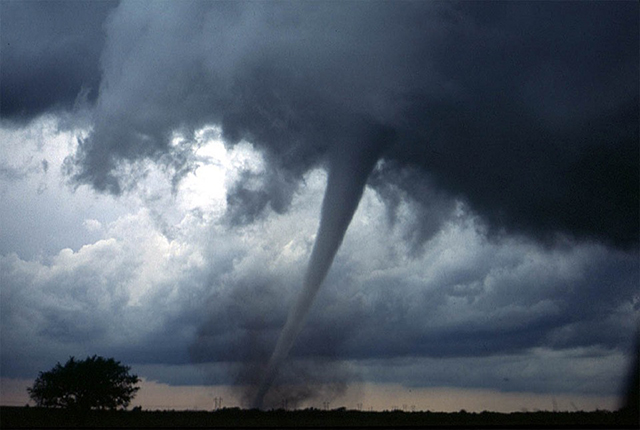
Global risk consultancy, Aon, has released its latest weather, climate & catastrophe report which evaluates the impact of the natural disaster events that occurred worldwide during 2017.
The report reveals that there were 330 natural catastrophe events in 2017 that generated economic losses of $353 billion.
97% of these ($344 billion) were due to weather-related events, including Hurricanes Harvey, Irma and Maria in the USA, Typhoon Hato in China, and Cyclone Debbie in Australia.
For historical context, 2017’s natural catastrophe losses were 93% higher versus the 2000-2016 average.
Insured losses to the private sector and government-sponsored programs were among the costliest ever incurred, reaching $134 billion in 2017 – just behind the record $137 billion in 2011.
This is 139% higher than last year’s $56 billion, primarily due to high insurance penetration in the US that suffered a very active Atlantic hurricane season, severe weather events (convective storms) and wildfires.
South Africa
Speaking on local statistics, Pieter Visser, a catastrophe analyst at Aon South Africa said that the combined catastrophe insured losses for South Africa in 2017 was the highest ever recorded, driven by the Knysna fires and flooding in Durban.
“Insurance released more than R5 billion towards affected parties, which is absolutely necessary to rejuvenate economic recovery and renewal in affected regions,” said Visser.
“Reinsurers do not regard South Africa as a low catastrophe risk region anymore, with the country having experienced a high frequency of large loss events in the last five years,” he said.
“This is now regarded as the new normal and has resulted in adjustments and steep price increases by reinsurers. Insurers are retaining more risk than ever before, which is driving a need for greater understanding of these risks.
“When combined with high global losses, insurers will need to review risk premiums associated with natural catastrophes,” Visser said.
Read: South Africa at risk of credit downgrade due to Cape Town drought














 Loading ...