

Rand takes a beating as stage 6 load shedding bites


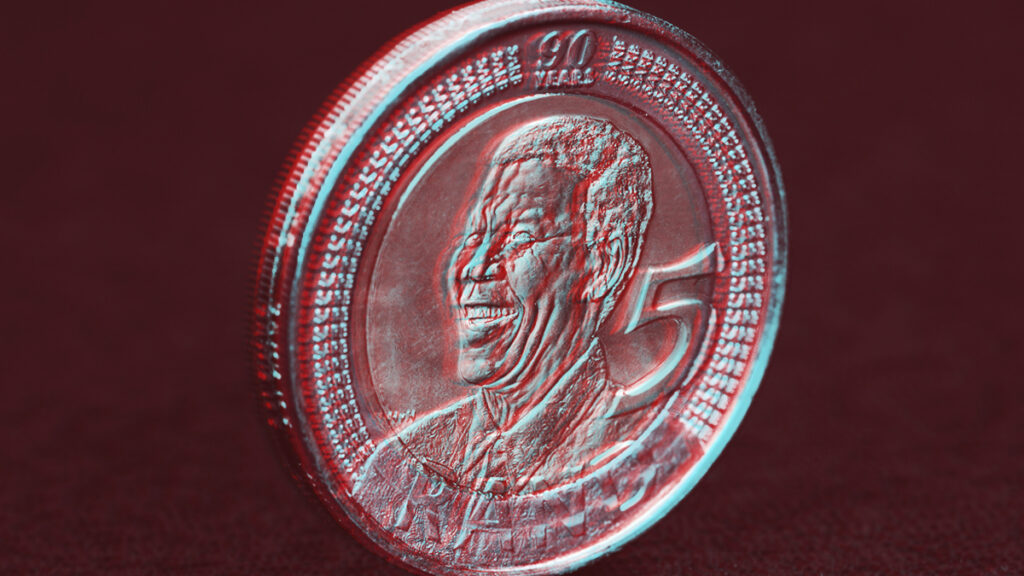
The South African rand continued to trade on the back foot on Tuesday, settling well over R19 to the dollar as stage 6 load shedding kicked in, rattling markets, while the dollar traded stronger.
The local unit was trading at R19.18 on Tuesday afternoon, virtually unmoved by the higher-than-expected GDP print from Stats SA.
The stats body reported GDP growth of 0.6% qoq for the second quarter of the year, beating economists expectations of between 0.1% and 0.4%.
The mood from better-than-expected economic growth was soured by the implementation of stage 6 load shedding, however, with warnings from the minister in charge that higher or more intense stages of outages are likely to persist for some time.
While South Africa’s ongoing power crisis has been priced into markets for some time, the rapid escalation to stage 6 comes after months of relative calm and amid assurances from the government and power utility Eskom that the energy situation was improving.
According to economists at Nedbank, the rand has been jittery for last week, falling and recovering on various data points as they are released locally and globally.
As has been the case for the past year, the rand’s weakness is also reflective of a stronger dollar, with the greenback hovering near three-month highs near the end of last week.
The rand is also suffering from shifts in global sentiment, especially pertaining to China.
Citadel Global noted that recent Chinese PMI reflected slowing overseas demand and are likely to result in increased calls on Beijing to unlock more stimulus spending.
The dampened market conditions, however, are pushing investors into safe-haven currencies like the dollar, which negatively impacts riskier markets like South Africa.
As a commodity exporter, a slower Chinese economy also spells bad news for South Africa and the rand.
At 15h00, the rand was trading at these levels against major currencies:
- ZAR/USD: R19.19
- ZAR/EUR: R20.57
- ZAR/GBP: R24/08

















 Loading ...