

R150 million dump rescue in South Africa


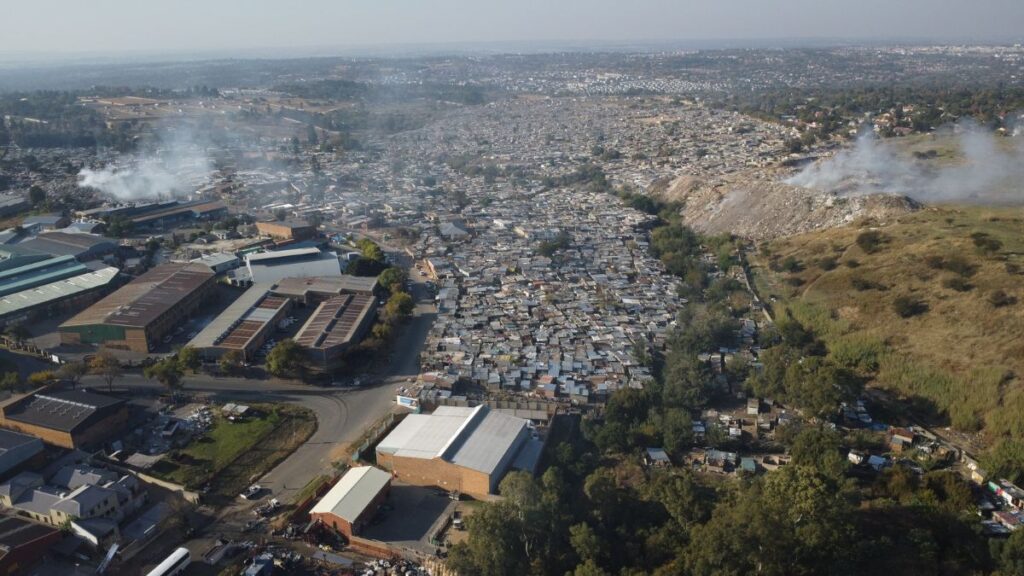
After over a decade of neglect, Johannesburg has announced a R150 million plan to rehabilitate the decommissioned Kya Sands landfill.
The site closed in 2010 after reaching full capacity, but which has since become a magnet for illegal dumping, burning waste, and toxic smoke that has plagued nearby communities for years.
Makhosazana Mtshali, Director of the city’s Waste Management and Regulation Unit, said the project is long overdue.
“This project will restore environmental integrity, improve air quality, and create a safer, healthier space for the community. Public consultation and air quality testing are already underway,” she explained.
The Kya Sands site has posed serious environmental and health challenges, with smoke from burning waste reducing air quality to below 35% in parts of Fourways, Cedar Lakes, and Bloubosrand.
Around 80,000 residents are estimated to be affected, many of whom have complained about the choking pollution that drifts over their homes and businesses.
Illegal dumping has also damaged the surrounding environment and driven away business investment in the area.
“The rehabilitation will cover surveying, identifying, and quantifying illegal dumping; clearing and recycling dumped waste; developing a rehabilitation plan for the closed landfill; and restoring the boundary wall, among other measures,” Mtshali said.
Additional steps will include installing security infrastructure such as fencing, lighting, and a guardhouse to prevent further dumping and implementing long-term environmental monitoring of water and air quality.
The city believes the local community will play a central role in the clean-up. Consultations are already underway, and residents will be included in job opportunities such as waste clearing and site monitoring.
The hope is that, over time, the project will result in cleaner air, safer surroundings, and reduced dumping—directly improving living conditions for nearby households.
Mtshali stressed that sustainability will be key. “We are putting in place systems to ensure this does not become a problem again,” she said.
“That includes enforcement of environmental compliance, ongoing monitoring, and community engagement in reporting illegal activities.”
A National problem
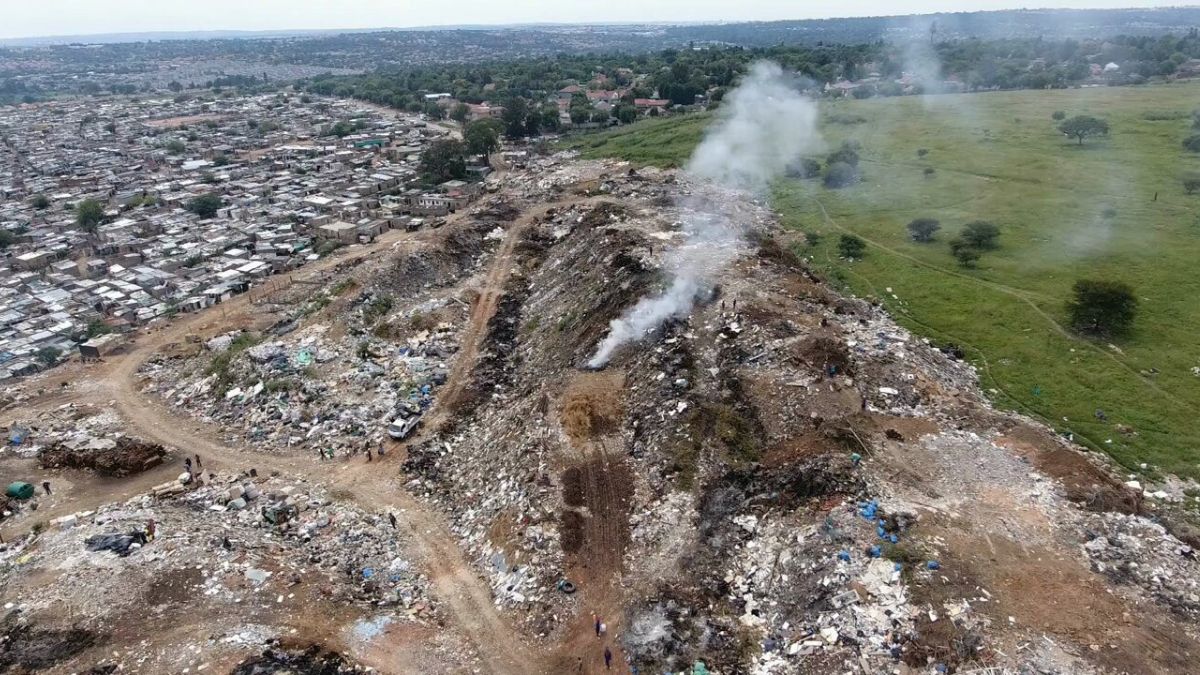
If successful, the project could have far-reaching benefits. The city expects renewed business confidence in the Kya Sands and Bloubosrand areas, where some companies have been reluctant to operate because of environmental risks.
“This initiative is about ensuring long-term environmental compliance, curbing illegal dumping, and contributing to healthier, more sustainable communities,” Mtshali added.
At the end of last year, it was reported that more than 80% of municipal dumps across South Africa have mostly ignored environmental regulations.
The Green Scorpions have opened more than 50 criminal cases, but compliance remains low.
According to the National Environmental Compliance and Enforcement Report, only 19% of municipal landfill sites inspected nationwide were compliant.
The Free State scored worst, with none of its landfill sites meeting standards. Only Gauteng and the Western Cape showed some levels of compliance or partial compliance.
Municipalities have largely blamed a lack of financial, human, or technical resources for the dismal state of waste management. However, the consequences are severe.
Residents have faced direct health risks from pollution, and rivers and farmland near landfill sites are often contaminated by leachate and chemical runoff.
A 2025 air-quality survey by Breathe Cities and the Seriti Institute revealed that 92% of Johannesburg residents are worried about air pollution, with over three-quarters believing it is harming their health.
Alarmingly, only 5% were aware of any policies designed to address air-quality issues. The City of Johannesburg is also trying to align the Kya Sands rehabilitation with its broader waste-reduction strategy.
Originally, Johannesburg aimed for “zero waste to landfill” by 2022 through reuse, recycling, and alternative treatment methods.
That target has since been revised. By 2025, the City wants to divert 40% of waste from landfills, rising to 55% by 2030 and 70% by 2035.












 Loading ...