

Lifeline for South Africa cut short by US tariffs


The Trump administration supports a one-year extension of the African Growth and Opportunity Act (AGOA), according to a White House official, offering a boost to the decades-old trade pact set to expire at the end of the month.
Despite the support, odds for renewal, before its expiration, of the Clinton-era program — which has been strained by President Donald Trump’s imposition of unilateral tariffs ranging from 10% to 30% on African nations — remain long.
AGOA, which promotes duty-free access to the US for goods from sub-Saharan Africa, has been an important trade stimulant since its implementation in 2000.
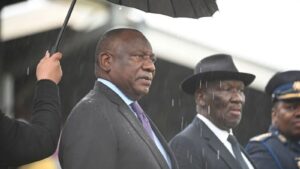
South Africa’s president, Cyril Ramaphosa, in September appealed for an extension to the program, a call echoed by the trade minister of Lesotho.
There is likely to be a “major drop” in apparel and tuna exports from countries including Kenya, Tanzania, Cape Verde, Lesotho and Eswatini, according to research by the International Trade Centre in Geneva.
South Africa — the continent’s largest economy — faces a 17% decline in shipments, with losses concentrated in metals, vehicles and chemicals, the ITC said in an analysis sent by email on 25 September.
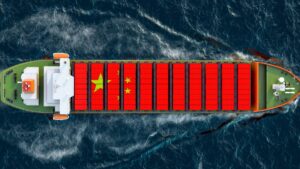
Still, trade under AGOA has waned in recent years as other countries including China have ratcheted up competing exports and Trump has moved ahead with country-specific tariffs.
“Trump’s imposition of reciprocal tariffs using emergency powers already effectively killed off AGOA,” Capital Economics said in a 26 September note.
“Nonetheless, a formal end to the program would be symbolic and, alongside the imposition of tariffs and slashing of aid, further underline that (under President Trump at least) the US is disengaging with Africa.”
Countries that stand to benefit from the expiration of AGOA include Angola — one of Africa’s top oil producers — and Senegal, thanks to its exports of critical minerals including titanium and zirconium.
The former has been exempted from new US tariff measures, while zirconium will face a 10% levy.
“The country is the third-largest supplier of zirconium to the US, behind South Africa, which will now face 30%, and Australia, which also faces 10%. Senegal’s competitive position has therefore improved, and demand in the US is not expected to contract sufficiently to offset this effect,” the ITC said.













 Loading ...