

Massive R50 billion development coming to Gauteng


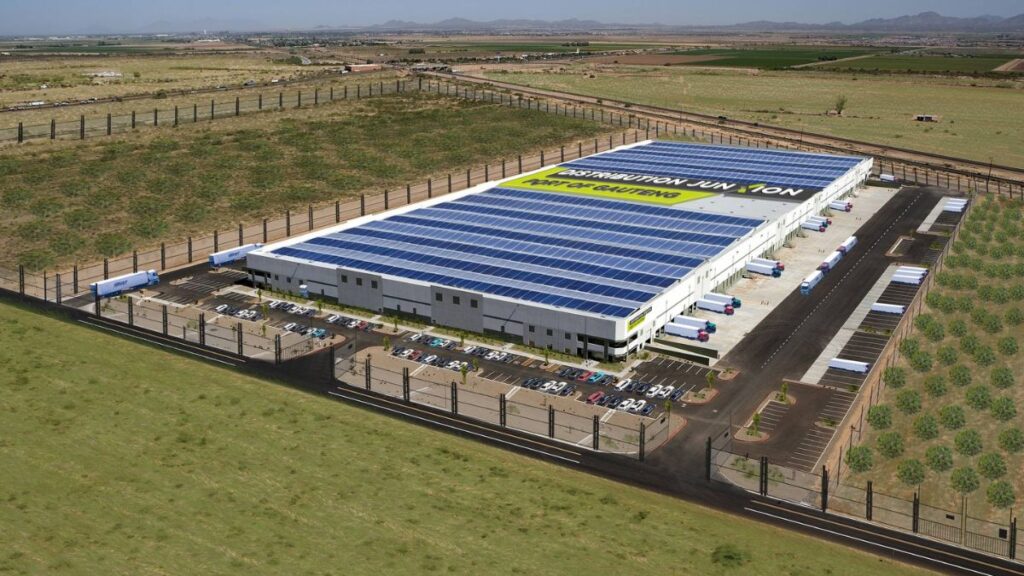
Port of Gauteng has released a White Paper outlining a R50 billion inland logistics development that aims to address South Africa’s growing freight transport challenges.
The document was published at the start of Transport Month and highlights the need for urgent action as the country struggles to meet its 2030 freight transport targets.
The proposed development, located at the junction of the Container Rail Corridor and the N3, N12, and N17 highways, is intended to ease pressure on the Durban–Gauteng Freight Corridor, which carries the bulk of the country’s imports and exports.
According to the plan, the facility will create more than 50,000 permanent jobs, while also improving road safety and helping to restore balance between road and rail transport.
Francois Nortjé, the project’s developer, said the plan was designed in response to South Africa’s logistics crisis.
“Since the 2013 National Development Plan set ambitious 2030 targets for shifting freight from road to rail, little progress has been made—and with just four years to go, the need for decisive action is urgent,” he said.
“As road congestion worsens and rail volumes decline, this paper outlines a practical solution by leveraging the Port of Gauteng’s inland port to restore balance, reduce costs, and unlock long-term economic growth.”
The paper explained that South Africa’s freight volumes are growing rapidly, driven by the rise of global e-commerce companies such as Shein, Temu, and Amazon.
It noted that as these companies expand, they are expected to shift from air freight to container shipping.
Imported car volumes are also increasing, adding further pressure on the Durban–Gauteng Corridor, where rail currently carries less than 14% of freight volumes, which is far below the National Development Plan’s target of 50%.
The White Paper highlights the extent of the decline in rail performance. Between 2014 and 2019, Transnet lost around R1 billion annually on the Durban–Gauteng Corridor.
A massive upgrade
During the COVID-19 period, these losses rose to about R3 billion a year. Daily train volumes dropped from around 80 trains to just 15 by 2023–2024.
Mike Daniel, CEO of RailRunner South Africa, said the project could help make rail more competitive.
“Port of Gauteng changes everything. It provides the missing link that makes rail competitive again. With purpose-built rail alignments and future three-hour turnaround times at the container and car terminals, we can finally deliver the reliability that shippers demand.”
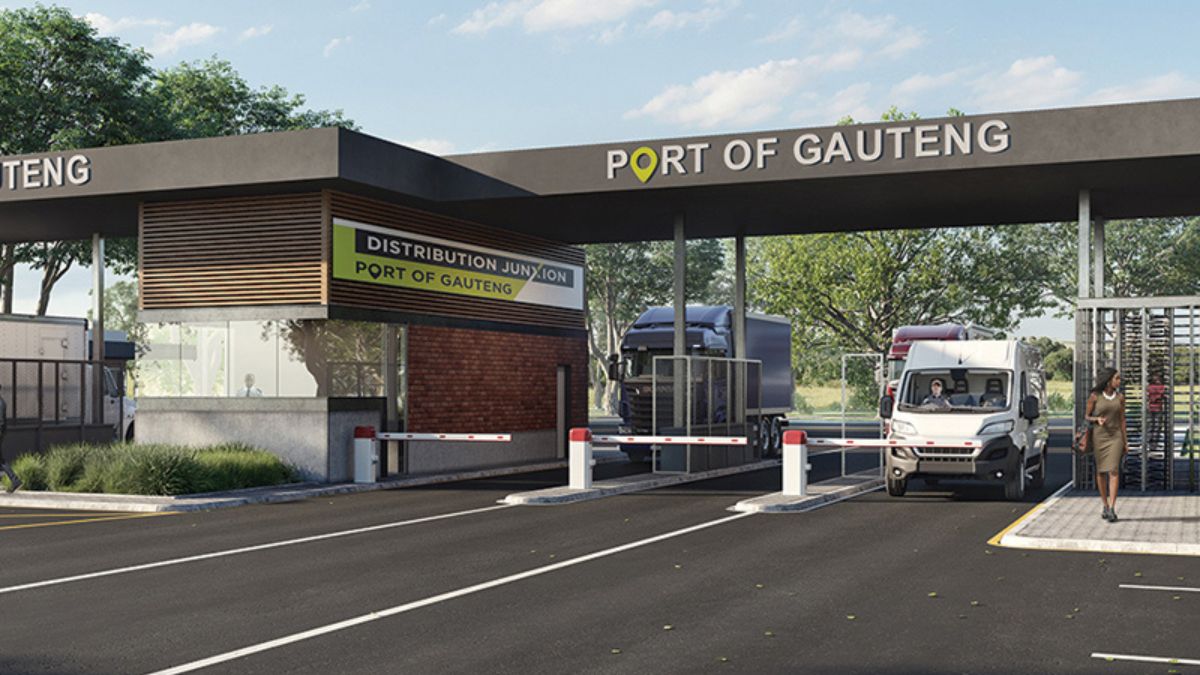
The planned development includes two 2.2-kilometre flat rail alignments for container handling, a container rail terminal, and a car terminal designed to handle high volumes.
The site is expected to incorporate solar power, rainwater harvesting, and recycling systems.
A central feature of the plan is the use of Performance-Based Standards (PBS) vehicles, which are long truck and trailer combinations that can carry two containers at once.
These trucks, combined with new rail infrastructure, are expected to reduce the number of heavy vehicles on the N3 by up to a third.
Paul Nordengen, Director at Heavy Vehicle Transport Technology Africa, said the PBS system marked a significant step forward.
“Port of Gauteng’s integration of PBS vehicles represents the most significant advancement in heavy vehicle transport efficiency we’ve seen in decades, reducing truck movements by up to 40% and improving safety outcomes on our most critical trade corridor.”
The White Paper argues that three key changes are needed if South Africa is to meet its 2030 goals.
One of these goals is a decisive shift from road to rail, a reduction in truck traffic on the N3, and lower logistics costs without further state subsidies for rail.
With container volumes expected to grow from 2.8 million to 11.2 million annually in the coming years, the paper stressed that new infrastructure will be necessary to meet demand.
The current PBS pilot project is expected to be extended by three years to allow for further research before any decision is taken on incorporating the approach into legislation.












 Loading ...