

New problem for Chinese car brands in South Africa


The large number of Chinese brands now competing in South Africa could end up being a problem for the brands themselves.
According to incoming Mazda Southern Africa CEO Bonite van der Merwe, with so many new options, she believes the market risks “cannibalisation”.
This is because too many similar cars are competing against each other, weakening the brands rather than strengthening them.
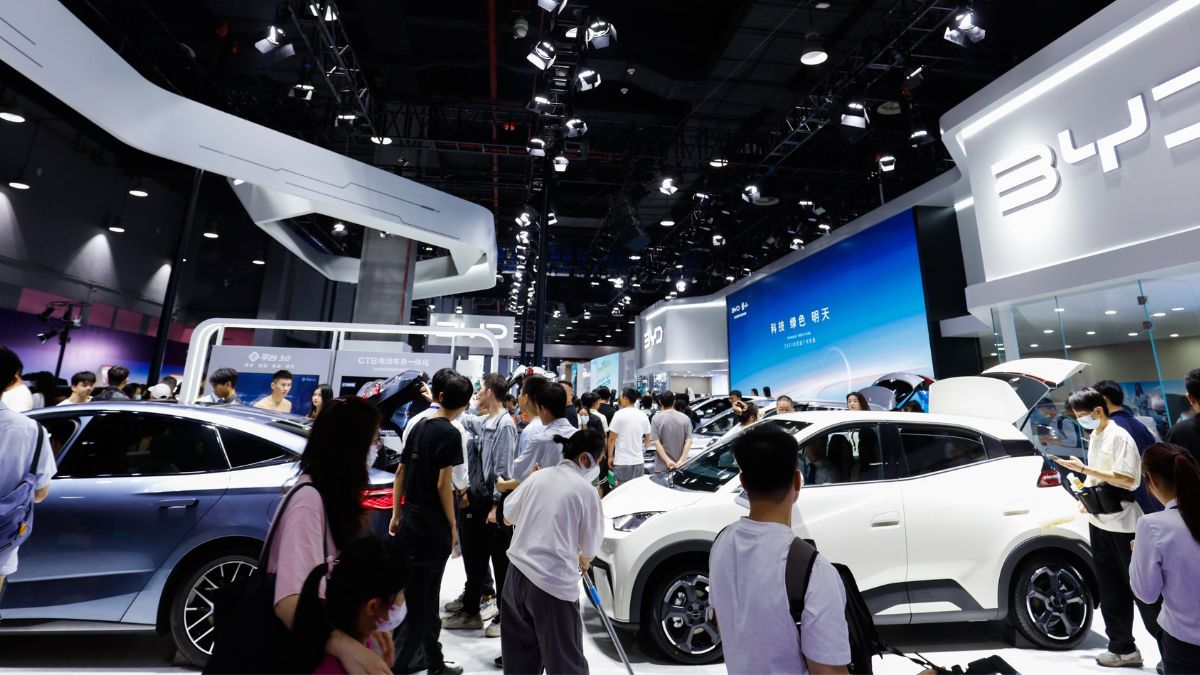
Chinese car brands have quickly become a big part of the South African car market, winning buyers over with affordable prices and modern features.
As of May 2025, there are 41 new Chinese passenger models on sale locally, with prices ranging from R269,900 to R1.4 million.
For South Africans struggling with high living costs, these cars have been attractive options. However, industry leaders are warning that the surge in Chinese imports comes with some drawbacks.
While well-known names like Great Wall Motor (GWM) and Chery have already built good reputations, van der Merwe said newer players still need to prove themselves.
She explained that the real test will come when these cars reach the used-car market. South Africans will then see whether the vehicles keep their value or drop sharply in price.
She said this depends on the quality of the cars, the cost and availability of parts, and whether manufacturers have a reliable service network to support owners.
Van der Merwe warned that without this, buyers could be left with cars that are expensive to maintain and worth very little when they try to sell them.
“At the end of the day, the consumer is the one who will be left with the vehicle and the financial burden, if they do not have strong residual values or there are issues with the after-market parts supplies,” she said.
This concern is shared by Faan van der Walt, CEO of WeBuyCars, who also urged South Africans to be careful.
Governement also considering getting involved
He previously said that while many of the new Chinese vehicles look appealing, not all of the brands are likely to survive in the local market. If a company closes or pulls out, its cars will lose resale value, and parts may be hard to find.
“It’s fantastic to have a variety of brands available, and we’re getting good value for our money,” he said.
“However, just as we’ve seen certain European car manufacturers try to establish themselves here and ultimately fail, I’m certain that some Chinese manufacturers will also give up at some point.”
His advice is to stick to established Chinese brands until the newer ones show they can last. On top of these risks, Chinese carmakers could soon face additional problems at home and in South Africa.
The South African government is considering higher tariffs on imported vehicles, which would make Chinese cars more expensive.
Government subsidies and incentives may also be adjusted to encourage more locally made cars and parts.
Trade Minister Parks Tau has already warned that the growing number of cheap imports is hurting South Africa’s own automotive industry, which has been in decline.
In China, the government is also cracking down on discounting practices that helped drive sales worldwide. These changes could push up prices for Chinese vehicles, weakening their main advantage in South Africa, which is affordability.
The experts have warned that in the short term, South Africans benefit from lower prices and plenty of options. However, in the longer term, questions remain about resale values, after-sales service, and whether all these brands will still be around in a few years.

















 Loading ...