

Warning to Temu and other platforms operating in South Africa


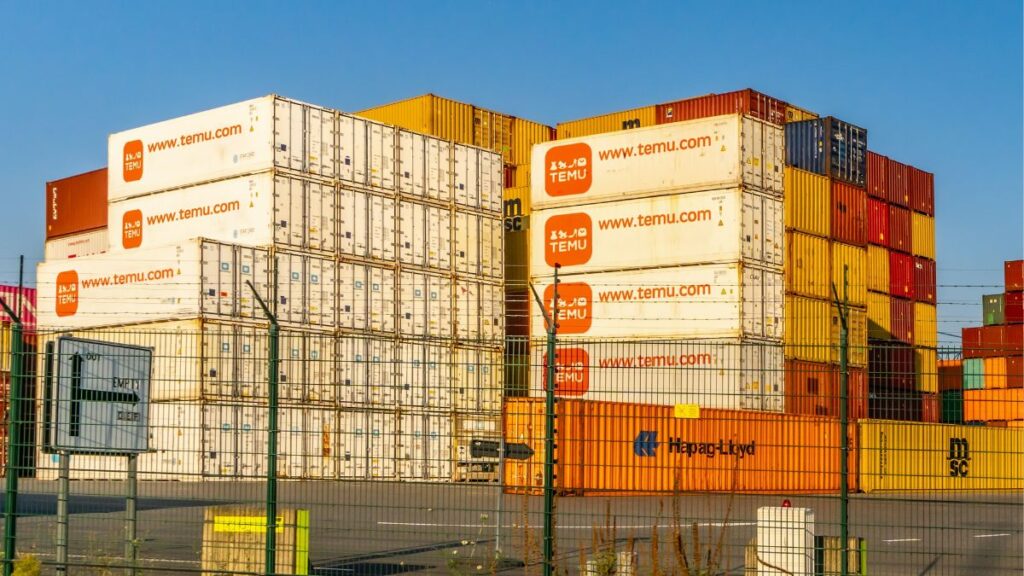
The Department of Trade, Industry and Competition (DTIC) and the National Consumer Commission (NCC) have warned foreign online shopping platforms, such as Temu, that they must comply with South African laws or face potential action.
This comes after the Minister of Trade, Industry and Competition was asked in a parliamentary Q&A whether his department was aware that Temu had been promoting “local warehouses” in South Africa, even though it doesn’t actually own or operate any.
The minister confirmed that the department is aware of these claims and that the NCC is watching the company’s activities closely.
Temu, a fast-growing online retailer that ships goods directly from China, announced in July that it had launched a “local warehouse” in South Africa.
It said this would allow for faster deliveries, sometimes in less than two days. Items stored locally are marked as “local” or “local warehouse” on the platform.
However, Temu has since clarified that it does not run any warehouses itself. Instead, it uses third-party logistics companies to store and deliver goods in South Africa.
“Under the local fulfilment model, sellers store inventory in local warehouses, manage logistics, and provide after-sales support,” Temu explained.
“As Temu continues to enhance its fulfilment capabilities, South African shoppers can expect faster delivery directly from local warehouses to their doorstep.”
The NCC has taken note of Temu’s claims and said it will be monitoring the company’s operations and their impact on South Africa’s retail sector.
“The operations of Temu in the country have to comply with all relevant legislation, including the Consumer Protection Act,” the minister said.
He added that Temu, like any other company selling to South Africans, must ensure that its advertising and marketing follow local laws and do not mislead consumers.
The NCC has made e-commerce a key focus in its 2025–2030 strategy. It plans to conduct a detailed review of the South African online shopping market during the 2025/2026 financial year to identify areas that may require further investigation.
Chinese retailers have already had a major impact

Although there have been no official complaints against Temu in South Africa yet, the NCC is aware of concerns raised in other countries about misleading advertising, poor product quality, and unsafe goods.
“These are some of the practices that the scoping of the e-commerce market seeks to understand, and to particularly assess if South African consumers are affected,” the minister said.
Once it gathers more data, the NCC will decide whether to open a formal investigation. The DTIC is also developing a broader plan to regulate online shopping more effectively.
The goal is to make sure the market remains fair, transparent, and competitive—while protecting local businesses and consumers.
The department is looking at ways to modernise and align the Consumer Protection Act and Competition Act with new digital trends.
This could include updating regulations to better reflect how e-commerce platforms operate and to give local small and medium-sized businesses a fair chance to compete.
“The department is considering measures to strengthen and align the CPA with the e-commerce ecosystem,” the minister said.
Despite these warnings, experts believe that platforms like Temu and Shein will continue to attract South African shoppers.
A report from the Localisation Support Fund found that the two Chinese retailers have already had a major impact, costing the local clothing and textile industry an estimated 8,000 jobs.
While Takealot remains the country’s most popular online store, used by about 32% of shoppers, Temu and Shein have gained significant ground, with around 15% of online consumers using them in 2024.
E-commerce expert Andy Higgins, founder and CEO of Bob Group, said that while new import duties have reduced the price advantage of Chinese platforms, they remain highly competitive.
“The recent SARS changes have narrowed the gap, but even with import duties, many Chinese platforms still offer strong value compared to local retailers,” Higgins said.
He added that although higher duties have slowed growth slightly, Temu and Shein’s scale and pricing continue to appeal to cost-conscious South Africans. “These platforms are here to stay, albeit in a more competitive and regulated environment,” he said.


















 Loading ...