

The most expensive province in South Africa to buy groceries


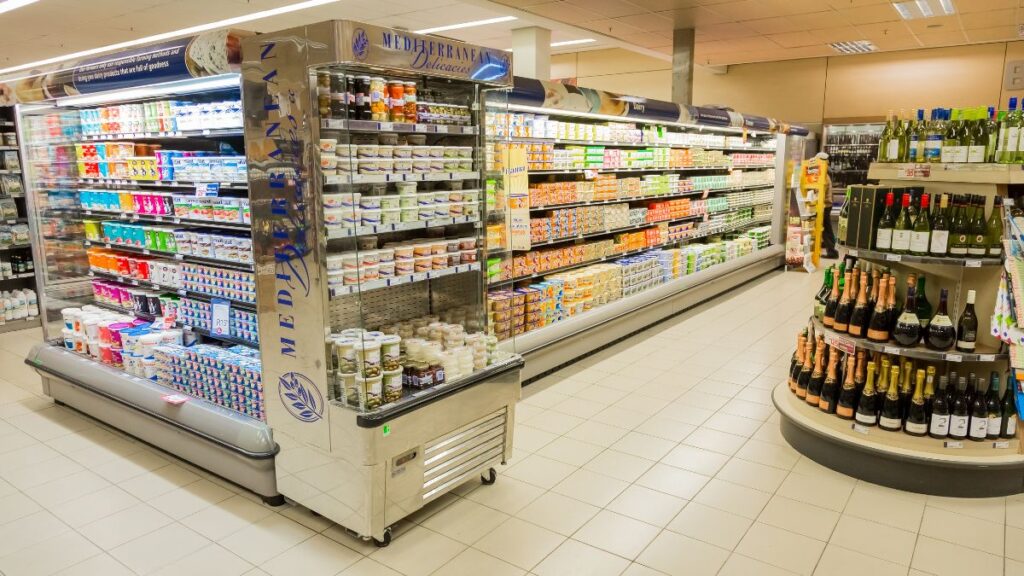
In October 2025, Johannesburg is beginning to break away as the most expensive city among South Africa’s three major metros for groceries for six consecutive months, followed by Cape Town and then Durban.
This is according to data from the Pietermaritzburg Economic Justice and Dignity (PMBEJD) group, which tracks the cost of a household food basket across the three major provinces.
The PMBEJD report found that while 16 of the 44 tracked food items became cheaper or saw no increases year-on-year, 28 experienced price hikes, with seven items seeing double-digit inflation.
Annual consumer price inflation rose slightly from 3.3% in August to 3.4% in September, with meat inflation reaching a seven-year high as South Africans spend more at the till for beef, pork, lamb, and chicken.
CPI increased by 0.1% month-on-month in September 2025, with three of the 13 categories seeing monthly declines.
Food & NAB showed mixed results over the month, with meat and maize meal inflation remaining high while price decreases were recorded for products such as milk, eggs and white rice.
Meat inflation reached 11.7%, the highest annual rate since January 2018 (13.4%). Although month-on-month increases for beet products have slowed, price levels have remained high.
Beef prices have shot up in South Africa as suppliers have struggled with an outbreak of foot-and-mouth disease.
Other meat categories seeing significant increases are pork and lamb, which Stats SA said rose notably in September.
Chicken inflation has also risen, even at a slower rate. IQF (individual quick frozen) chicken climbed from 4.4% in August to 5.0%.
That said, the milk, other dairy products & eggs category remained in deflationary territory for a fourth straight month, with prices on average 1.6% lower than a year ago.
Most varieties of milk were also cheaper. The prices for fresh full-cream milk decreased by an annual 2.1%.
NAB eased from 4.9% to 4.1%, a marked decrease from the 9.5% rate seen in September 2024. Inflation for hot beverages also eased to 9.0% from 10.0% in August, and was lower than the 15.8% recorded a year ago.
Coffee lovers again saw the largest increase in the category, with prices rising 12.2%. This was well ahead of fizzy drinks in a can (7.8%), black tea (7.1%) and Fizzy drinks in a bottle (-1.3%).
Most expensive city for groceries
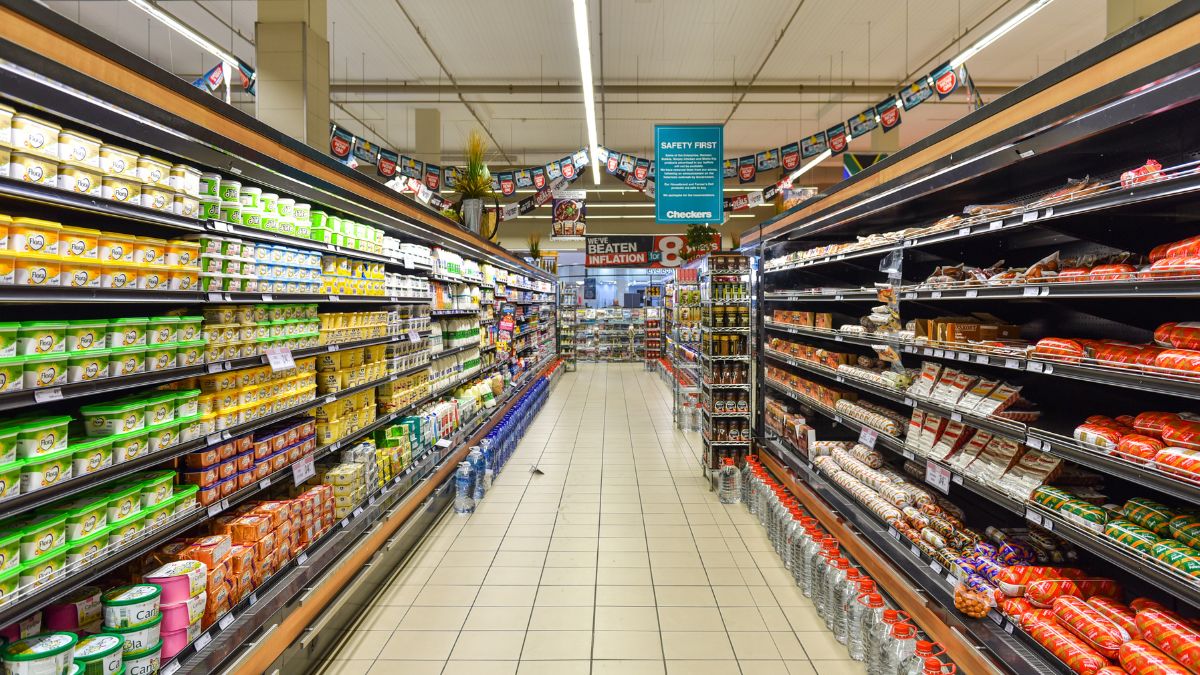
As of the end of October 2025, the average cost of a household food basket in South Africa, comprising 44 essential items that reflect typical purchasing patterns, reached R5,440.60.
This is a 1.7% annual increase of R91.95 compared to October 2024. Month-on-month, the basket price decreased by a notable R61.18 compared to September 2025.
However, a breakdown of costs in each city shows that the change in food prices is higher in some areas than others.
In October 2025, the household food basket cost R5,671.73 in Johannesburg, a 3.4% increase of R184.86 from the previous year. This is also R117.32 more than the basket price of R5,554.41 in September.
Joburg’s basket price surpassed the national average by R231.13, making Johannesburg the most expensive metro for groceries.
In comparison, Durban overtook Cape Town as the cheapest city for groceries, although it still recorded an annual increase.
Cape Town’s food basket, recorded at R5,372.28, increased by R8.23 (0.2%) from R5,364.04 in September 2025.
The city also saw an annual increase of 1.6%, or R82.20, from R5260.07 in October 2024. Despite the increase, it is still R299.45 less expensive than Johannesburg.
Durban’s food basket increased by R112.84 (2.2%) from R5,229.11 in September 2025 to R5,341.95 in October 2025.
Additionally, year-on-year, the Durban household food basket cost increased by only R84.54 (1.6%) from R5,257.42 in October 2024.
















 Loading ...