

Big trouble for petrol and diesel prices in South Africa


After a small cut to fuel prices in November, rising global oil prices are catching up, putting local recoveries on the back foot at the start of the month.
While petrol price recoveries are still positive – showing a small over-recovery after the first week of the month – diesel recoveries have completely flipped, showing a significant under-recovery.
According to data from the Central Energy Fund (CEF) for the first week of the month, petrol prices are showing a small over-recovery of between 3 and 8 cents per litre.
Diesel, meanwhile, is showing a big under-recovery of between 57 and 70 cents per litre.
A clear sign of trouble for prices going forward is that both the exchange rate and movement in international product prices (tied to oil prices) are showing under-recoveries.
International product prices are showing a small over-recovery for petrol, but with oil prices trending upward, this also risks swinging into an under-recovery as the month goes on.
These are the projected levels at the start of November:
- Petrol 93: decrease of 8 cents per litre
- Petrol 95: decrease of 3 cents per litre
- Diesel 0.05% (wholesale): increase of 57 cents per litre
- Diesel 0.005% (wholesale): increase of 70 cents per litre
- Illuminating paraffin: increase of 68 cents per litre
It must be noted that indicators at the start of the month are far too early to make any decisive call on what the fuel price changes in December will be.
However, it does give a solid indication of what would need to happen in the coming weeks to impact that result.
For instance, oil prices would have to drop significantly, or the rand would have to get much stronger against the dollar to balance the recoveries.
The rand has had a remarkably resilient year against the US dollar, even going as far as testing a break past the R17/$ resistance level.
However, the rand’s fortunes have been inextricably tied to the weakness of the dollar, rather than to any inherent power.
This resilience is now under pressure as the dollar starts regaining lost ground.
According to Investec chief economist, Annabel Bishop, the dollar has been on a strengthening trend from mid-September, since the first US interest rate cut this year.
This bolstered investor sentiment, while the US shutdown—which kicked in from 1 October—has added to the support for the dollar.
Commodity currencies like the rand found support from higher risk appetite, which carried through to October, but this is weaker in November.
Commodity prices are ticking lower, particularly for metals and minerals, but commodities in general are seeing weakness, along with their currencies, Bishop said.
Market sentiment has also lost momentum since the US Fed highlighted that interest rate cuts at every meeting cannot be relied on.
As a result, the rand has been trading weaker against the dollar, moving from a range between R17.20 and R17.30/$, to a higher range between R17.30 and R17.40/$.
Oil prices climb higher
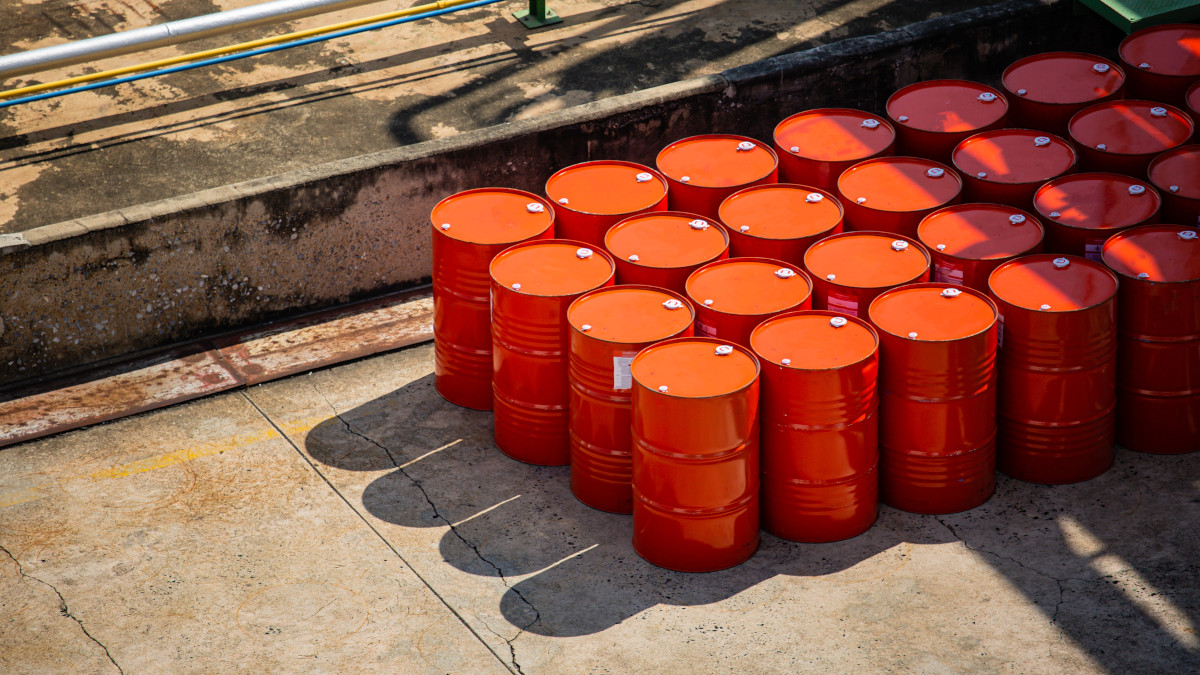
The real driver for lower recoveries—for diesel in particluar—is higher oil pricing, where crude has been trading in a wide range for the past month or so.
Despite heading for a weekly decline of about 2%, Brent crude moved towards $64 a barrel—a far reach from the sub-$60 levels seen in early October.
Global benchmark Brent has lost 15% this year, with the International Energy Agency predicting record oversupply in 2026.
Oil producers’ (OPEC+) output rose slightly last month, as key members restarted supplies, adding to production increases in other nations, including Brazil and the US.
However, threats to flows from Russia — the second-biggest oil exporter — have provided some upside to the pricing, keeping futures at elevated levels, relative to the previous month.
While oil prices trend higher, the impact on diesel is more pronounced due to season effects—such as higher demand for the fuel in the northern hemisphere during winter.
This, and other factors, lead to significant deviations between petrol and diesel when it comes to recoveries.
The positive news for motorists is that oil prices are still expected to decline, with analysts projecting an average of $62 a barrel in for the fourth quater of the year, and even lower (mid-$50s) in 2026.
However, the shorter-term fluctuations will still be felt in local recorveries, with the start of the month pointing to trouble ahead for local prices in December.


















 Loading ...