

Job cuts for Christmas in South Africa


Glencore Plc’s ferrochrome venture in South Africa will idle two smelters and cut jobs because of unsustainable electricity tariffs.
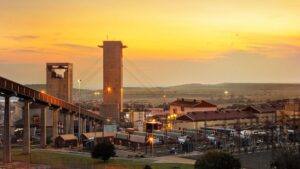
The Swiss commodity-trading house’s venture with Merafe Resources Ltd. issued retrenchment notices and voluntary severance packages to employees effective 1 December and will place the Boshoek and Wonderkop facilities on care and maintenance from 1 January, it said in a statement Tuesday.
South Africa is the world’s largest producer of chrome ore, a stainless steel ingredient.
The domestic processing industry — particularly smelting operations — ceded its title as the biggest producer of ferrochrome to China in 2012 because of inconsistent and insufficient electricity supply.
The company has been in talks with state-owned power utility Eskom Holdings SOC Ltd., but the provider’s proposal only supports the continued operation of the Lion smelter, Merafe said.
Approvals of the notices and packages are conditional until 8 December.
“In the absence of a viable solution from the South African government”, by then, they become binding from 9 December, Merafe said.
The company didn’t say how many jobs may be impacted, but it employs close to 3,000 people on the smelting side of the business.
The country’s other major ferrochrome producer – Samancor Chrome Ltd. – said in late November it may cut as many as 2,496 jobs as it considers closing or slimming down operations because of high energy costs, labour union Solidarity said, citing the company.
Official dispute

Trade union Solidarity announced at the end of November that it had entered into an official dispute with the South African government over the potential loss of tens of thousands of jobs in the coming months.
This follows the failure of a mediation process at the National Economic Development and Labour Council (NEDLAC).
Solidarity declared a dispute against the South African government in terms of section 77 of the Labour Relations Act, regarding the wave of retrenchments earlier this year.
In addition, the union warned of a “work bloodbath before Christmas” as South African smelters and other related heavy industries shut down as the government watches on.
The group said that the thousands of jobs at risk are those in the smelting and steel industries.
Job losses in other sectors, which include mining, new vehicles and the manufacturing of vehicle components, are also at risk.
“All the reasons for the retrenchments are government failures that can be addressed. The first and fairly easy win is the electricity tariff structure,” it said.
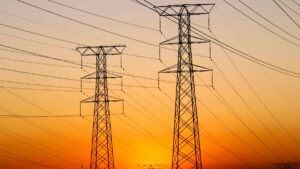
Since 2007, electricity tariffs for smelters have increased by 900%, while inflation has increased by 103%. 40% to 60% of the ferroalloy industry’s costs are electricity.
“The electricity dispensation is destroying the industry with all the downstream industries that follow,” the union said.
Companies in the smelting industry affected include Ferroglobe SA, Transalloys, Samancor Chrome, Assmang and MMC Nelspruit and Glencore-Merafe.
Many other companies have already been plunged into retrenchment processes or have closed for similar reasons.
ArcelorMittal is one such example, with approximately 4,000 direct and indirect jobs having been cut.
Manufacturing at Columbus Stainless Steel was also severely affected in 2025, with production reduced by more than 50%.
“Glencore has completely shut down its ferrochrome operations across all of its plants, encompassing 22 furnaces, a move that has already resulted in the loss of 1,500 jobs in Rustenburg and Lydenburg,” Solidarity noted.
“Samancor has similarly reduced its capacity drastically, with only 4 of its 24 blast furnaces currently in production.”
The union warned that without urgent government intervention, the situation will develop into a full-blown social crisis.
It said that employers are actively engaging with the government in an effort to negotiate solutions and are seeking urgent measures to save this industry, but there has been a distinct lack of action.
“This is going to develop into a social crisis. It has been caused by the government, and they must take responsibility,” it said.
With Bloomberg














 Loading ...