

World-class South African facility collapsed despite R500 million funding


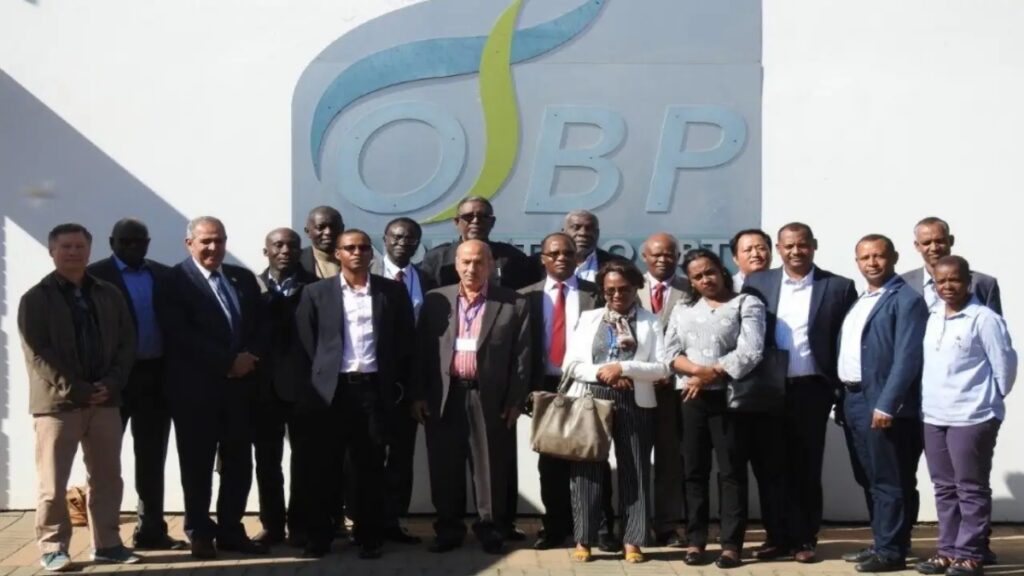
Onderstepoort Biological Products (OBP) went from a world-class facility to a struggling one despite receiving R500 million to revamp it.
Onderstepoort Biological Products is a South African state-owned animal vaccine manufacturing company.
Its mandate is to prevent and control animal diseases that impact food security, human health, and livelihoods.
It plays a key role in South Africa in preventing and controlling animal diseases that impact food security, human health, and livelihoods.
The facility must ensure vaccine affordability and accessibility through varied distribution channels.
However, many agricultural experts and farmers have raised concerns about the OBP not fulfilling its mandate.
The current Foot-and-Mouth Disease (FMD) outbreak, which is wreaking havoc across the country, has brought the facility’s dysfunction into the spotlight.
The situation is so dire that South Africa is currently importing vaccines from Botswana to address a severe outbreak of FMD in livestock.
Since Botswana’s factory alone cannot keep up with the demand, the government is also sourcing vaccines from Argentina and Turkey.
For decades, South Africa produced its own FMD vaccines through the Agricultural Research Council (ARC) and Onderstepoort Biological Products (OBP).
However, the specialised high-security laboratories required to handle live FMD viruses were neglected and eventually lost their ability to adequately serve the local market.
Mismanagement and corruption at state-owned OBP led to a significant decline in manufacturing capacity, leaving the national laboratories silent.
So, instead of farmers getting vaccines from local facilities, the government is paying millions to get FMD vaccines from the Botswana Vaccine Institute (BVI) and others.
R500 million to upgrade the Onderstepoort Biological Products (OBP) facility squandered

A decade ago, the National Treasury allocated approximately R492 million to the Onderstepoort Biological Products to upgrade the facility.
This upgrade was needed to modernise the ageing 1960s-era infrastructure to meet international Good Manufacturing Practice (GMP) standards.
However, a large part of this money seemed to have been squandered, and OBP received a qualified audit from the Auditor General (AG).
In its latest annual report, the AG said it could not obtain sufficient appropriate audit evidence to substantiate certain amounts.
The Auditor General previously revealed that a large portion of a grant to Onderstepoort Biological Products was unspent and unaccounted for.
After Agriculture Minister John Steenhuisen took over the role, he said he was very concerned about OBP, which has been given R500 million to revamp the facility.
He said a large part of the R500 million went missing and is unaccounted for, and promised that a forensic audit would help reveal where the money went.
However, to date, there is not much clarity on what happened to the money or what the forensic audit revealed.
ActionSA Parliamentary Leader Athol Trollip said he was concerned about Steenhuisen’s continued silence on the investigative report.
This investigation should have shed light on the disappearance or improper accounting of approximately R500 million at OBP.
These funds were intended to upgrade vaccine production facilities to meet Good Manufacturing Practice (GMP) standards,” he said.
“This failure lies at the heart of South Africa’s vaccine shortage and undermines confidence in the current strategy.”
He said the Agricultural Research Council (ARC) and Onderstepoort Biological Products (OBP) have lost the ability to produce sufficient vaccines.
Trollip argued that this collapse was due to chronic mismanagement and infrastructural decay at the institutions.
“How can the very institutions responsible for this failure now be trusted to lead a proactive vaccination campaign? Are they capable of doing so?” he asked.
“Instead of dealing with the question, the Minister remarked that it was highly unusual for a Member of Parliament to ask questions at a press briefing.”
Foot-and-Mouth Disease is a national crisis
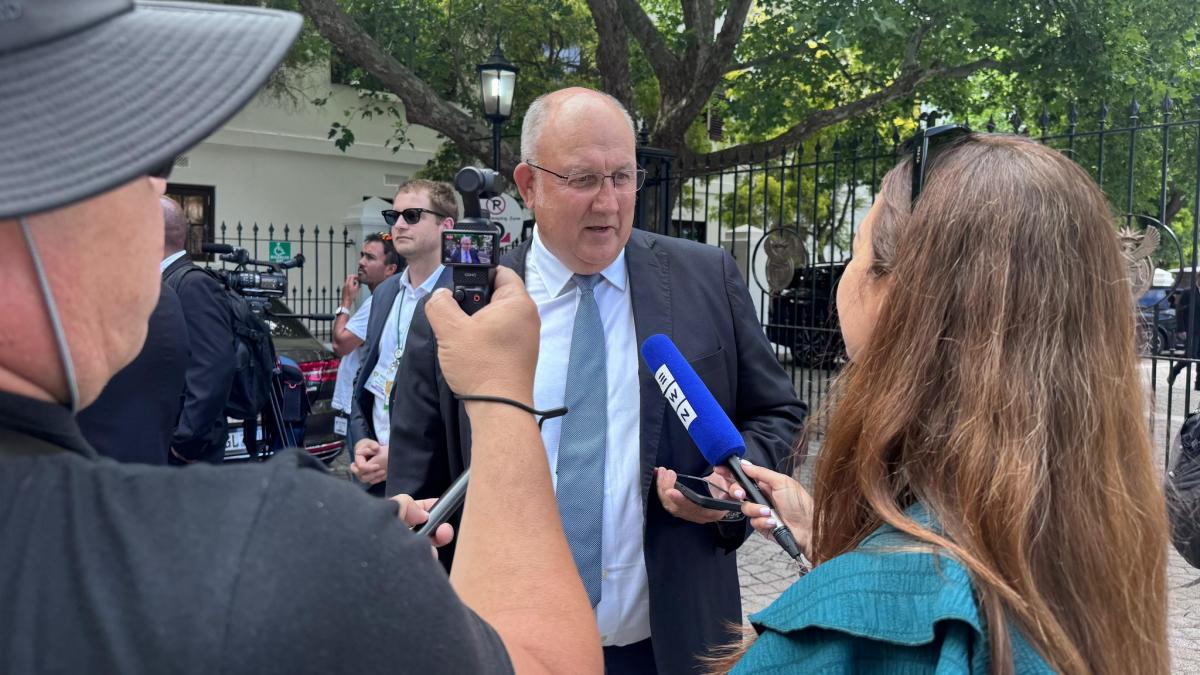
Trollip said his engagements with farmers and industry stakeholders confirmed that the department lacks the capacity to manage the FMD outbreak.
“Foot-and-mouth disease is a state-controlled disease. If the state fails to control it, farmers cannot be expected to bear the full economic burden alone,” he said.
“Even the department’s own head of biosecurity stated that failure to act swiftly allows the disease to spread.”
Trollip argued that the department’s heavy reliance on livestock movement controls alone is fundamentally flawed.
The reason is that it is done in the absence of compensation for production losses, livestock deaths and the loss of irreplaceable genetic material,
“Red zones effectively impose zero income on farmers, create severe price distortions, and place both farming operations and farm workers at risk,” he said.
He warned that, faced with these realities, farmers across the country will inevitably move livestock to survive.
An effective response requires urgent and genuine public-private collaboration in research, vaccine production and vaccination programmes.
“Bureaucratic gatekeeping and rigid adherence to outdated legislation will only worsen the crisis,” Trollip said.
Legislative and regulatory reform is urgently required, as the department lacks the human and technological capacity to manage this outbreak alone.
The availability of effective vaccines in high-risk, disease-prevalent areas remains deeply concerning.
“It also emerged that ARC, OBP and the department have been delinquent in regularly submitting FMD samples to recognised reference institutions,” he said.
“The Minister’s acknowledgement that he has only now instructed that strains be prepared and sent is alarming.”
“This outbreak is a national crisis. The Minister and his department must adopt an all-hands-on-deck approach to extinguishing the foot-and-mouth disease.”
BusinessTech asked Onderstepoort Biological Products (OBP) for comment, and will add their response when received.













 Loading ...