

Prestigious South African military base is now a run-down mess


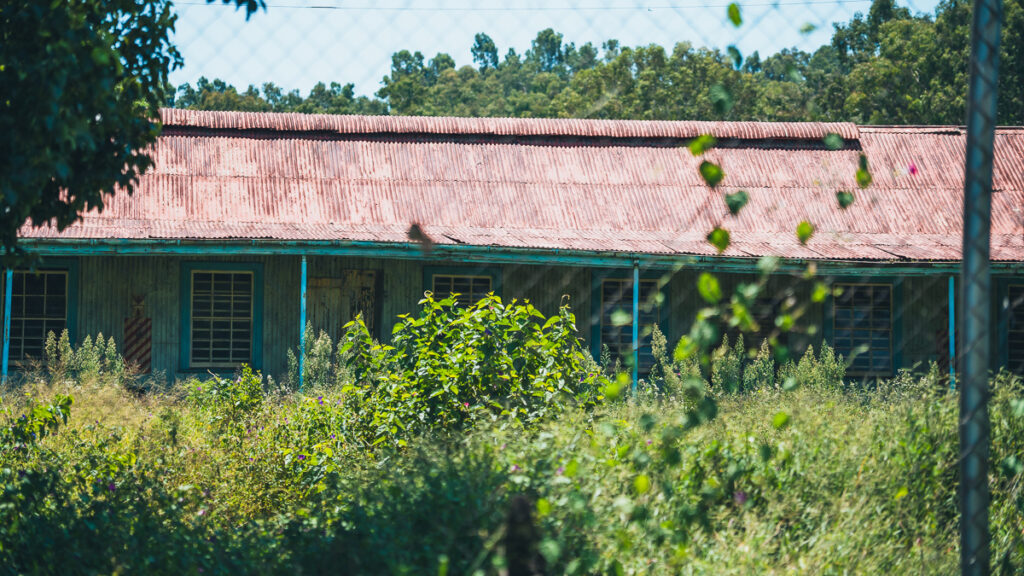
Thaba Tshwane, formerly known as Voortrekkerhoogte, has become so run-down that parliamentarians have sounded the alarm.
Thaba Tshwane is a major military base and area located in Pretoria, Gauteng, which serves as a crucial hub for the South African National Defence Force.
It carries deep historical significance, having undergone several name changes that reflect South Africa’s political shifts.
It was established by the British after the Anglo-Boer War and was known as Roberts Heights from 1905 to 1939.
It has accommodated several high-ranking defence force officers since its founding, including Sir Pierre van Ryneveld.
The nearby block house, which is included in the proclamation, dates from the South African War and is an example of a structure that was commonplace in 1902.
In 1939, the government of the Union of South Africa renamed it Voortrekkerhoogte, following the start of construction of the nearby Voortrekker Monument.
This was a time of growing Afrikaner Nationalism, and the name change represented the strong link to the pioneering Afrikaner Voortrekkers.
On 19 May 1998, following the end of apartheid and the establishment of a new democratic government, it was renamed Thaba Tshwane.
It houses several vital military institutions, including the South African Army College, based in the South African Garrison Institute, and 1 Military Hospital.
It is also home to the Military Police School, the National Ceremonial Guard and Band, and the Steve Biko Artillery Regiment.
The Thaba Tshwane and New Military Cemeteries and the SADF Wall of Remembrance are also linked to the area.
Today, it remains a high-security military zone. While it is an active operational area, certain parts are historically significant to visitors.
The military base is now a run-down mess
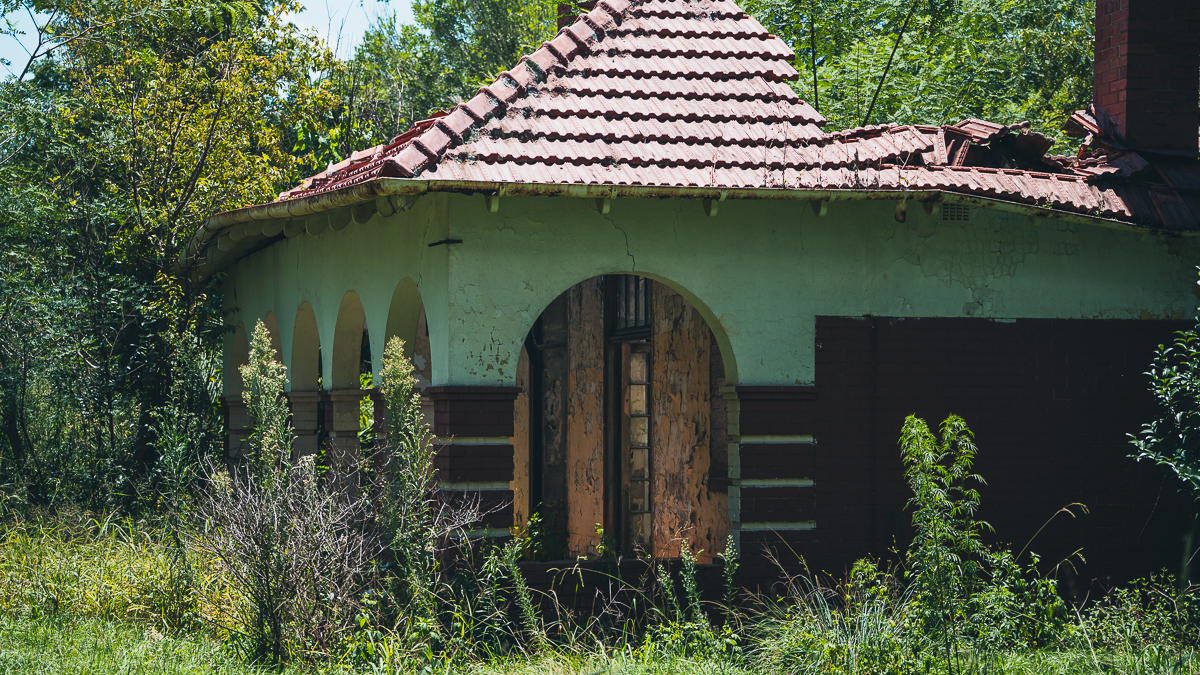
In March and April 2025, the Joint Standing Committee on Defence (JSCD) conducted a joint oversight visit to parts of Thaba Tshwane.
The Committee on Defence was joined by the Portfolio Committee on Defence and Military Veterans (PCDMV).
What they saw was severe neglect, mismanagement, and a lack of progress in maintaining military infrastructure and housing.
Key findings included issues with illegal occupation, subletting, and poor conditions at military accommodations.
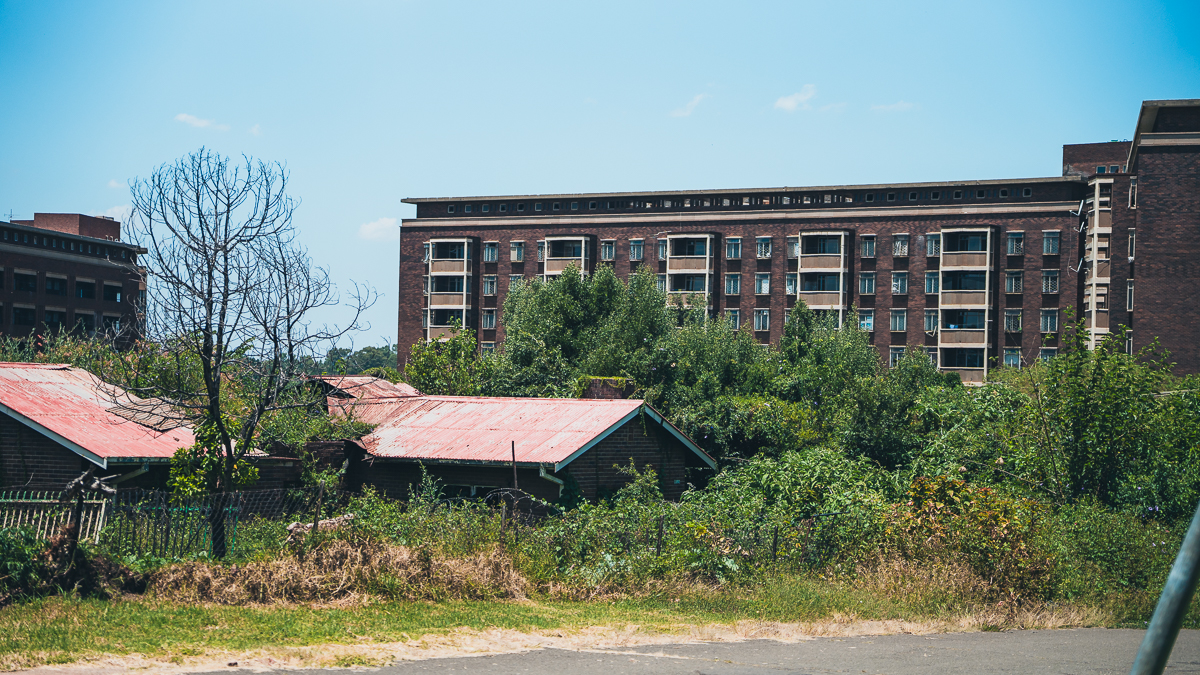
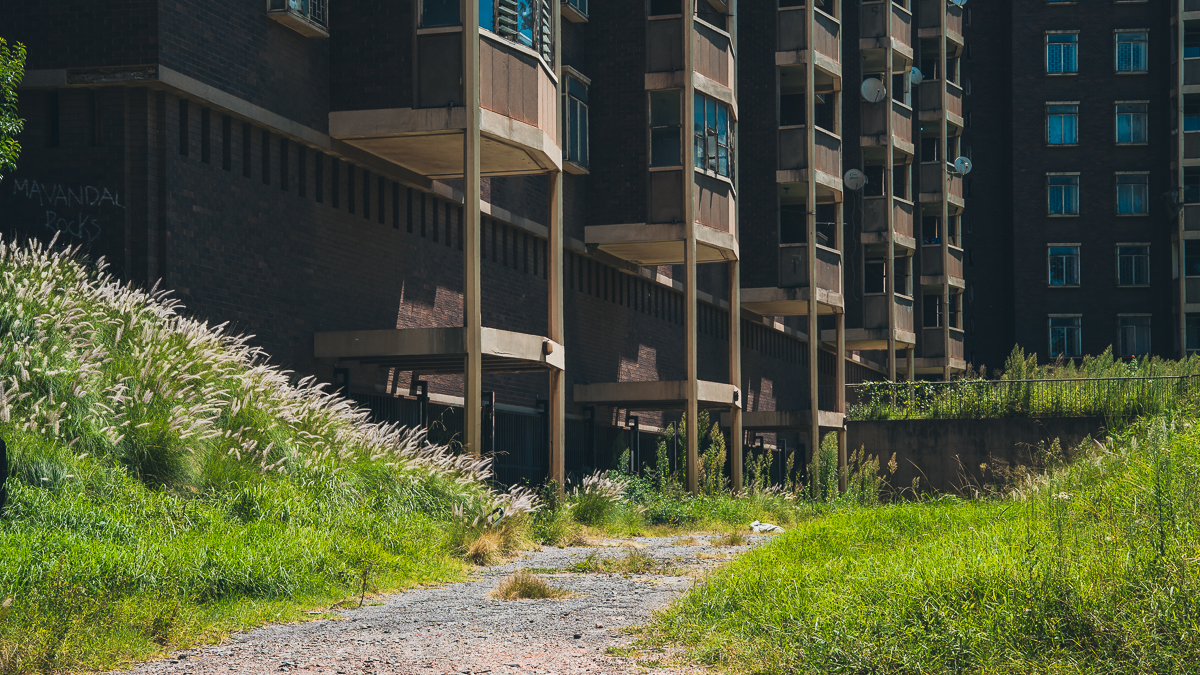
One representative said the so-called ‘brown blocks’ flats in the area stand as a glaring testament to years of neglect and mismanagement.
“These accommodations are not merely sub-standard. They are unfit for human habitation and pose a danger to all who reside within them,” he said.
He added that the buildings are riddled with defects and are in such a dreadfully dilapidated state that they could implode at any moment.
This is not the first time the deterioration of Thaba Tshwane has made headlines. In 2011, former Defence and Military Veterans Minister Lindiwe Sisulu sounded the alarm.
Following her concerns, a street-cleaning campaign was held in Thaba Tshwane, which included maintenance and general cleaning.
However, this had little impact on the long-term deterioration of the once-prestigious Thaba Tshwane area.
This deterioration included illegal shebeens opening in the military base, subletting of rooms in military houses, and increased crime.
Lieutenant General Lawrence Mbatha, the Chief of the South African Army, has big plans to turn the area around.
He wanted to see soldiers given dignity at their home base, Thaba Tshwane, known for decent housing and functional facilities.
His plans included infrastructure rejuvenation and professional discipline, with better security to prevent civilian encroachment and illegal occupation of military land.
Plans also wanted to stop drug dealing, prostitution, armed robberies, illegal taverns, subletting, and illegal occupation of military houses.
BusinessTech visits Thaba Tshwane
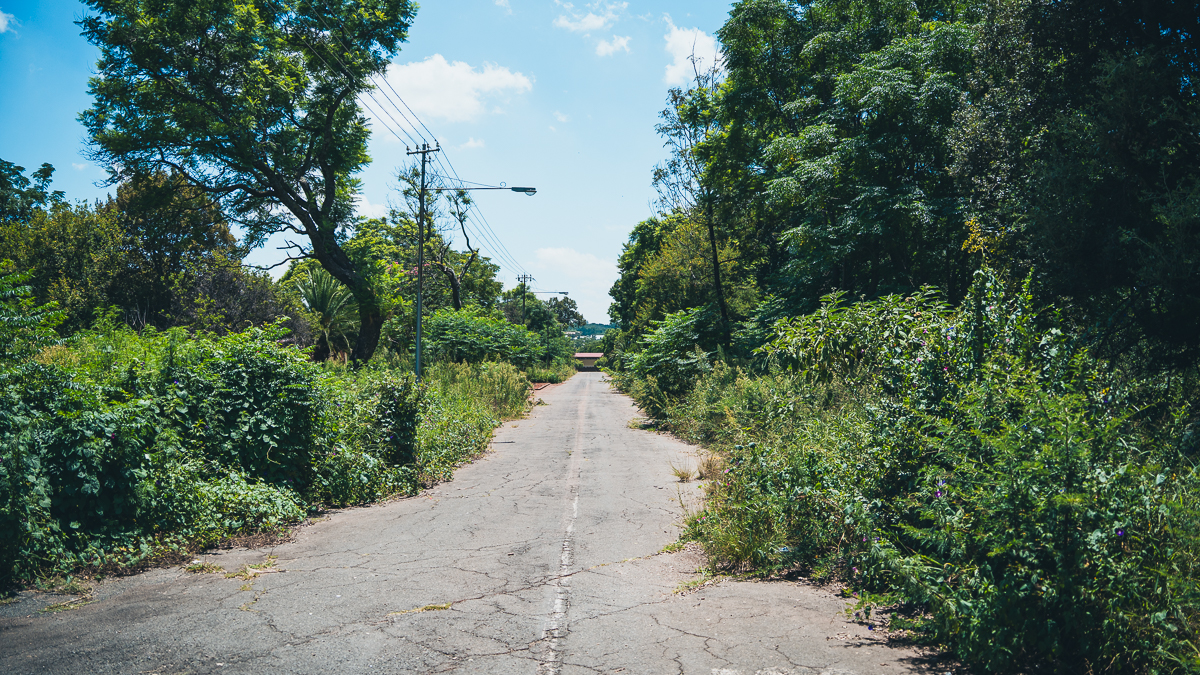
BusinessTech visited Thaba Tshwane in February 2026 to see whether the interventions and oversight visit made a difference.
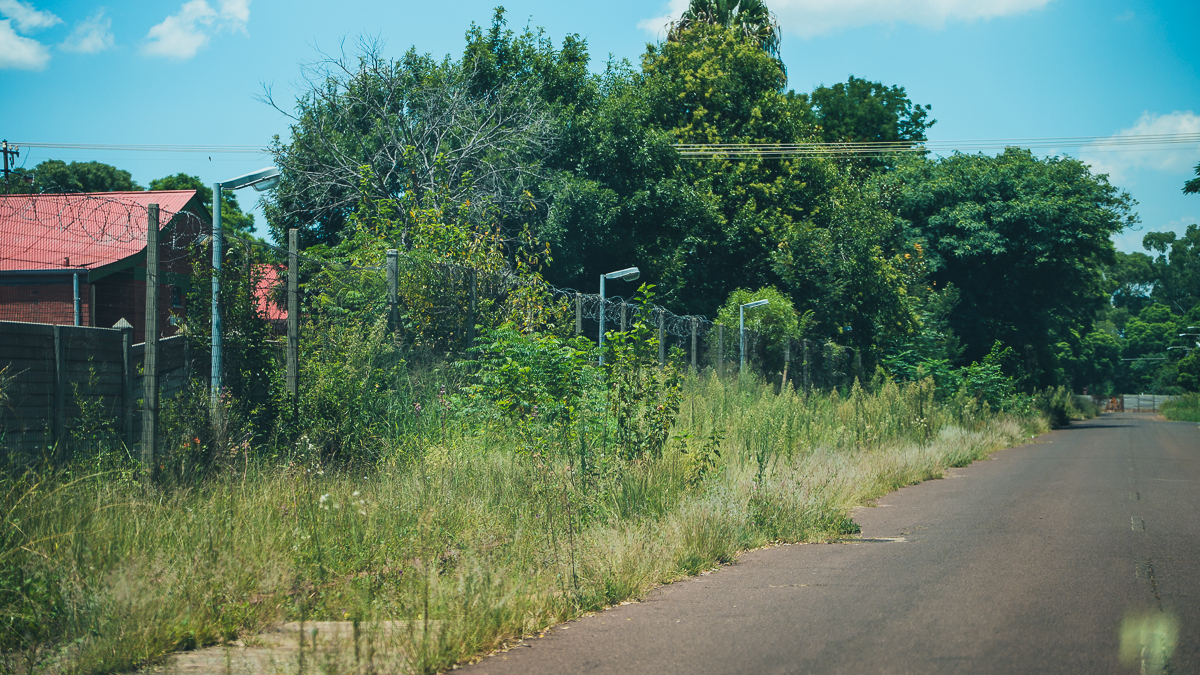
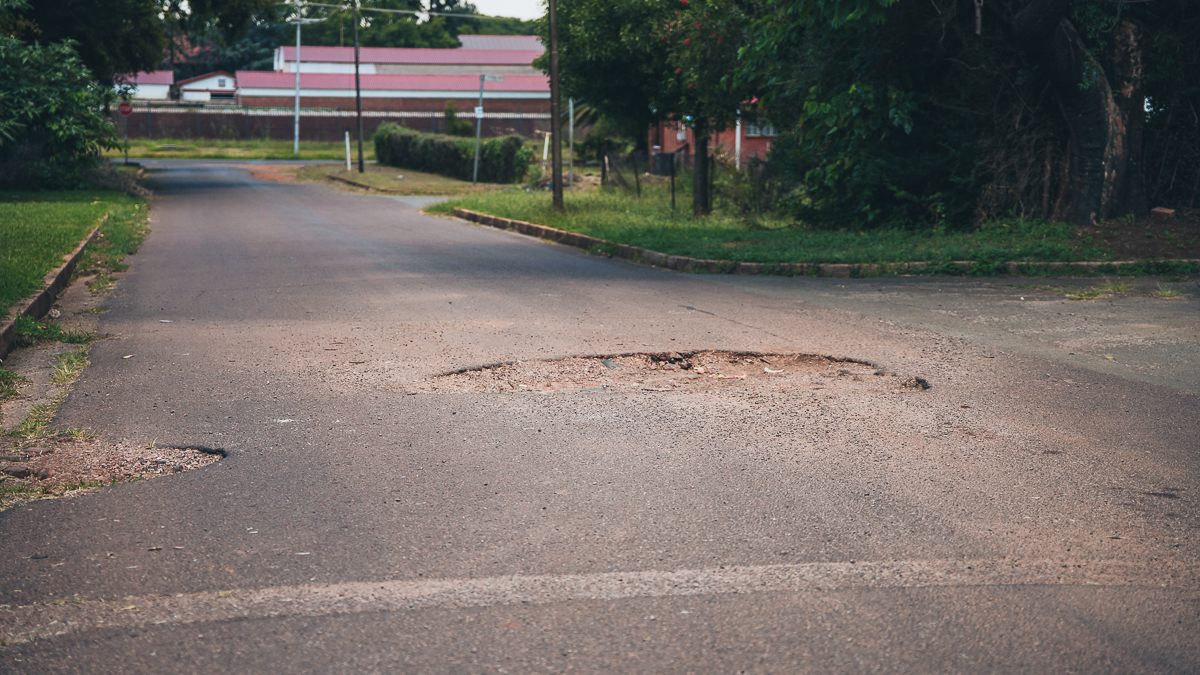
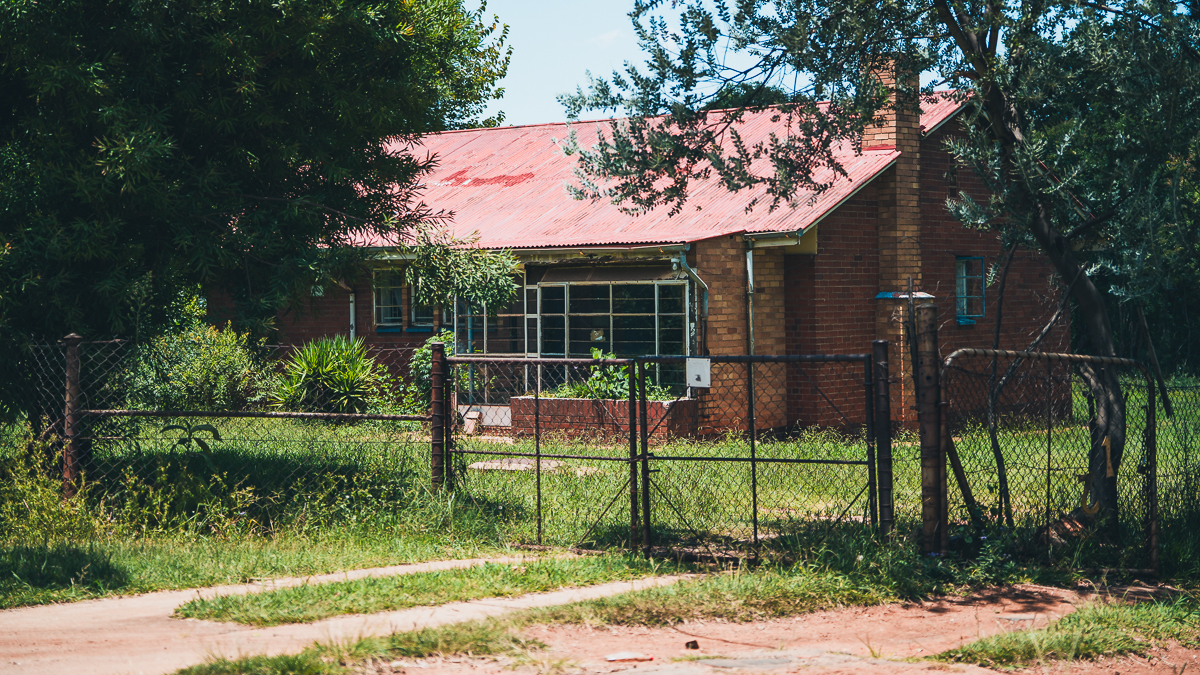
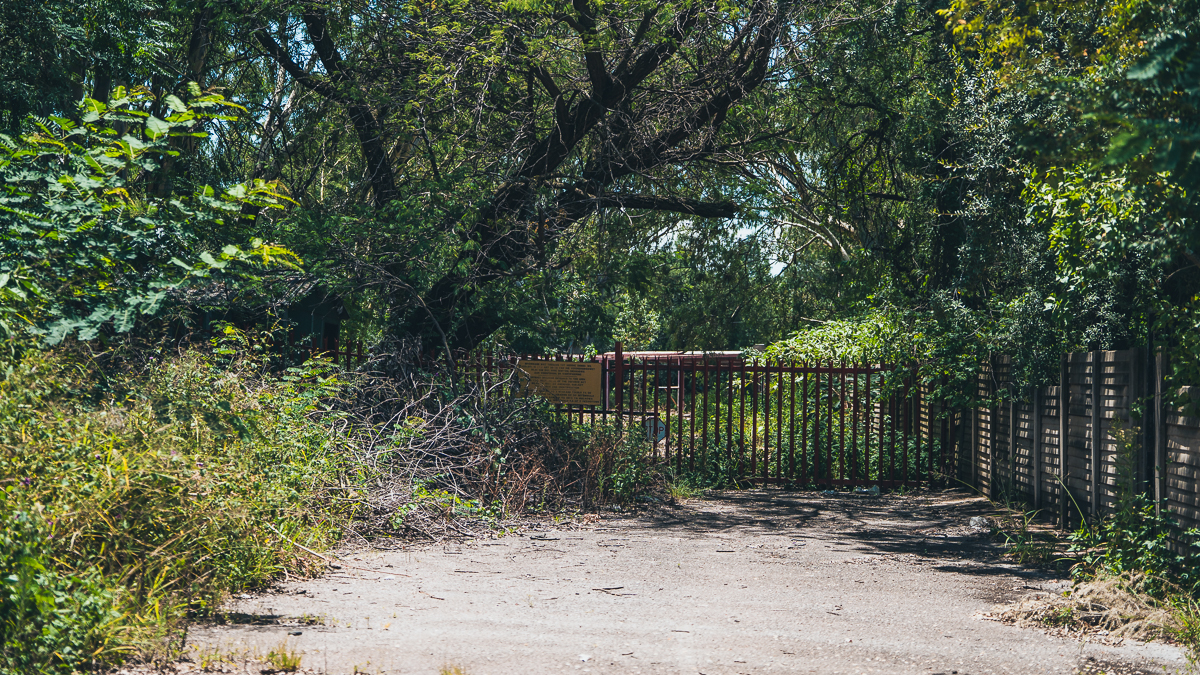
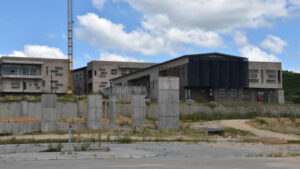
Although we could assess only public areas at the Thaba Tshwane military base, there were clear signs of deterioration.
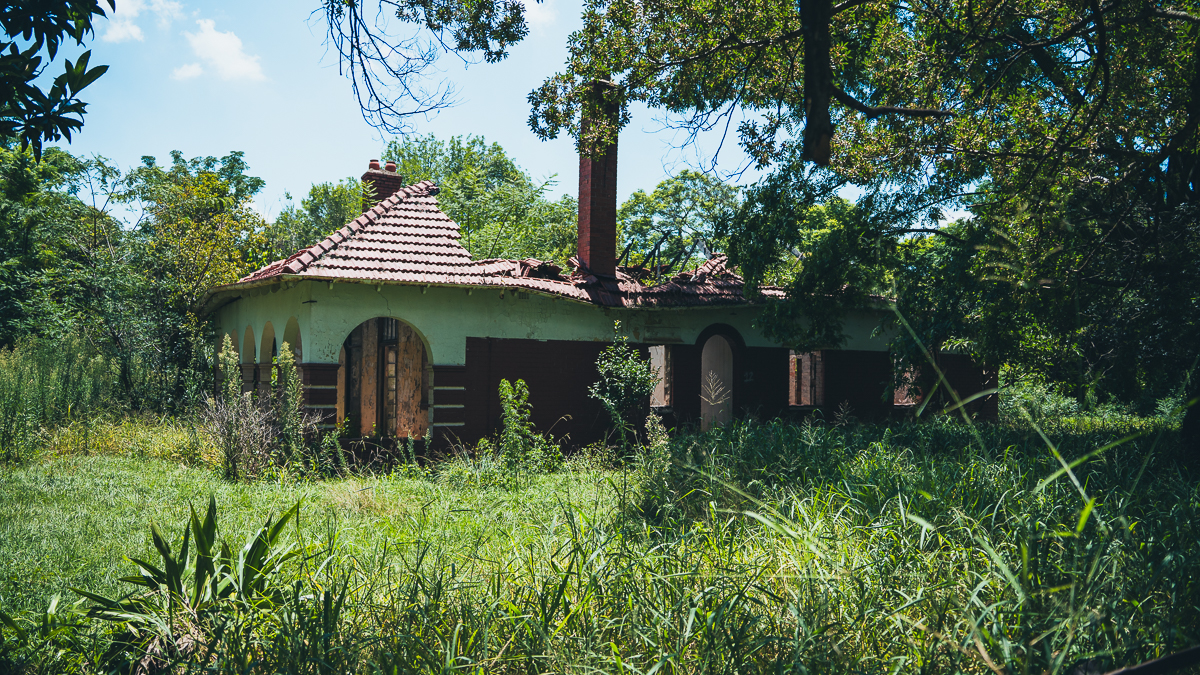
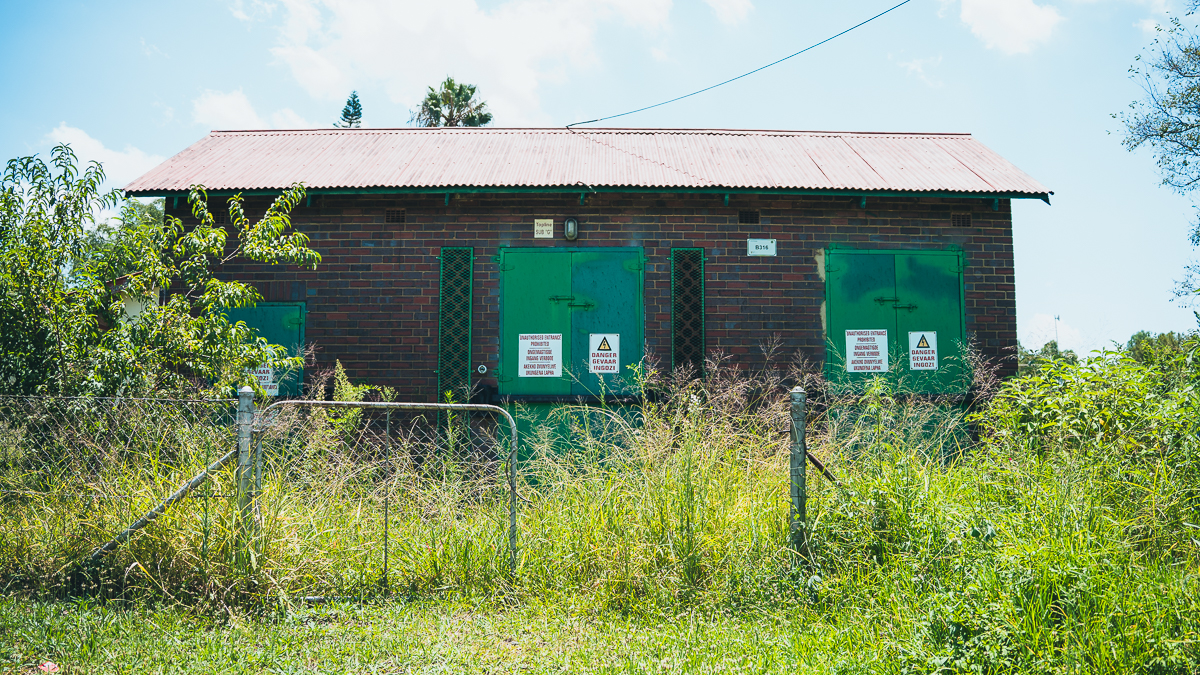
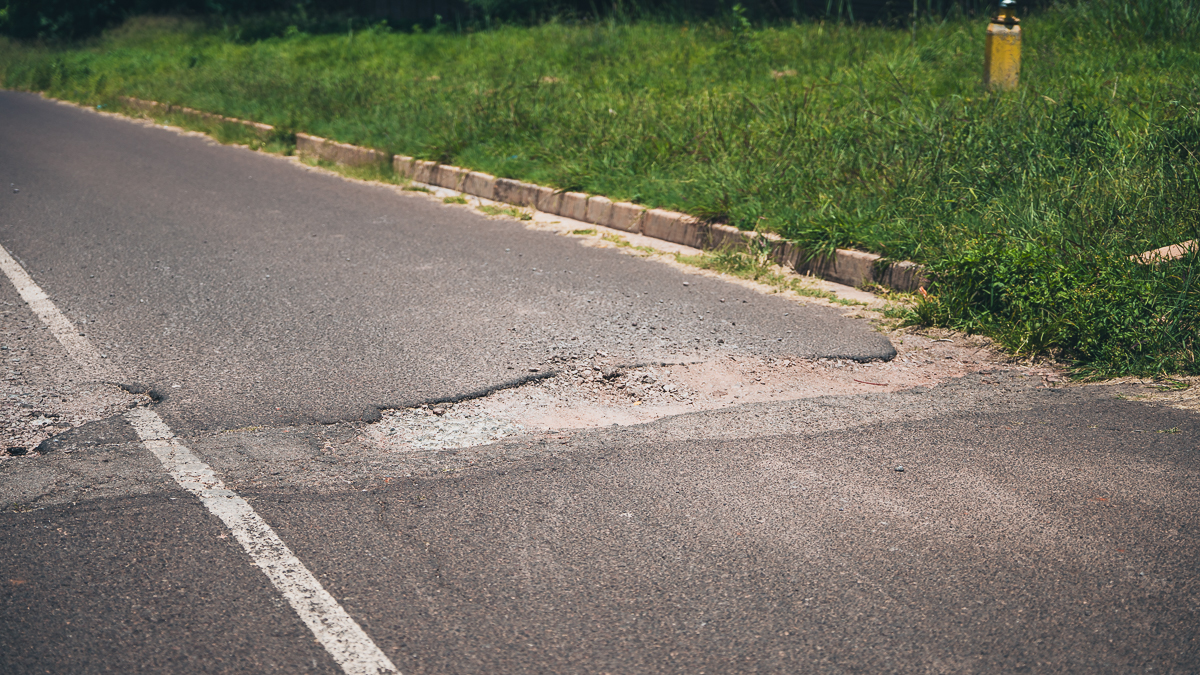
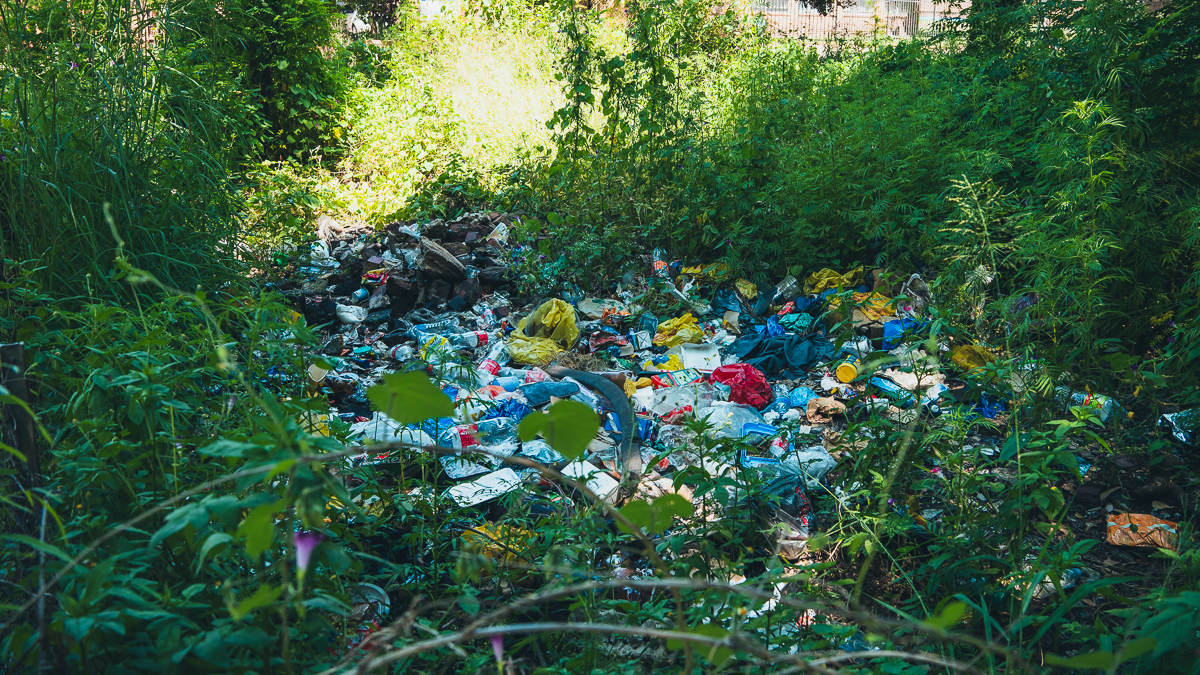
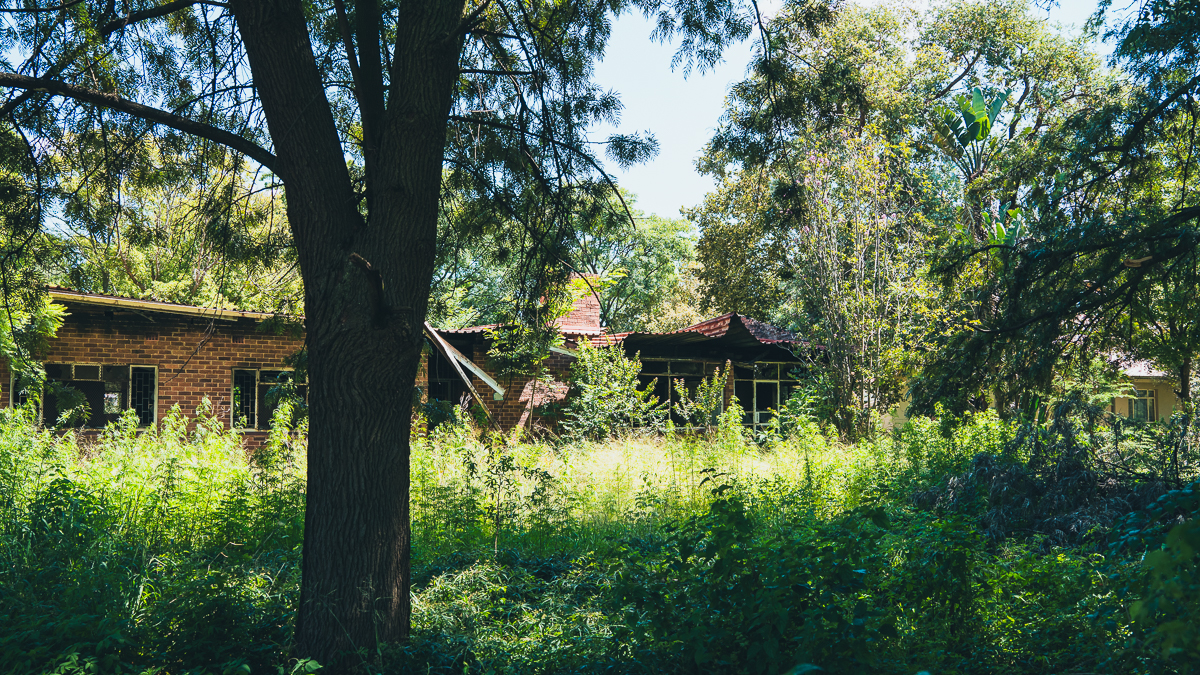
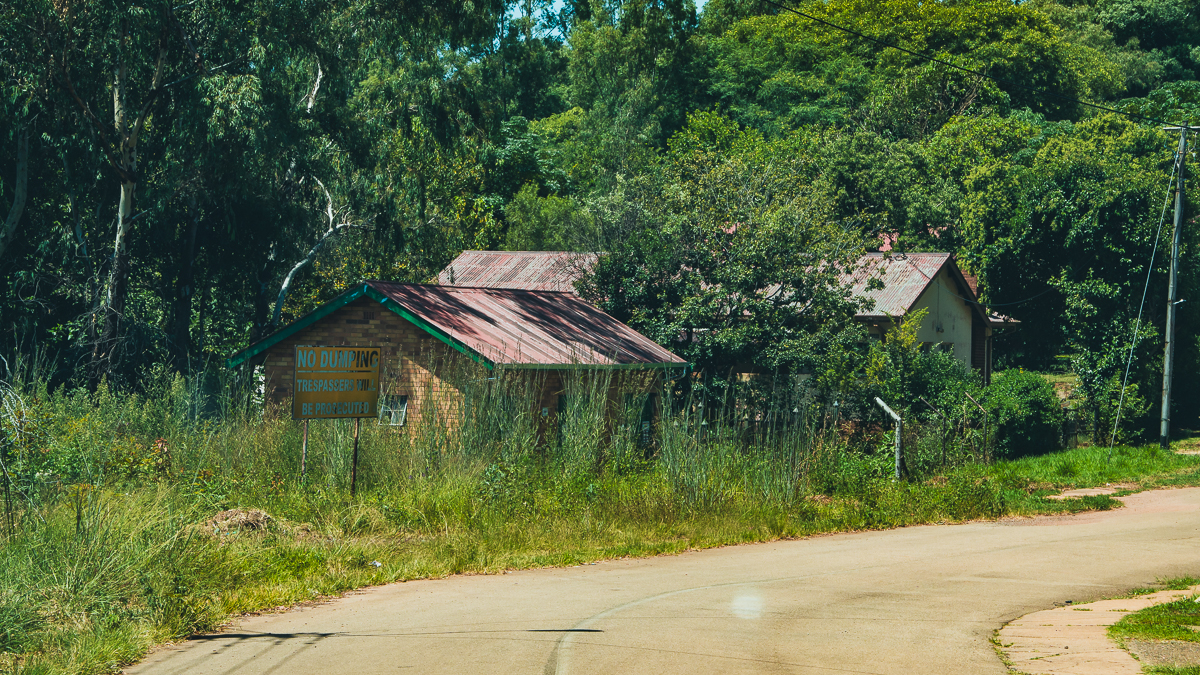
There were weeds on the sidewalks, the roads were full of potholes, and there were many buildings which were run down.
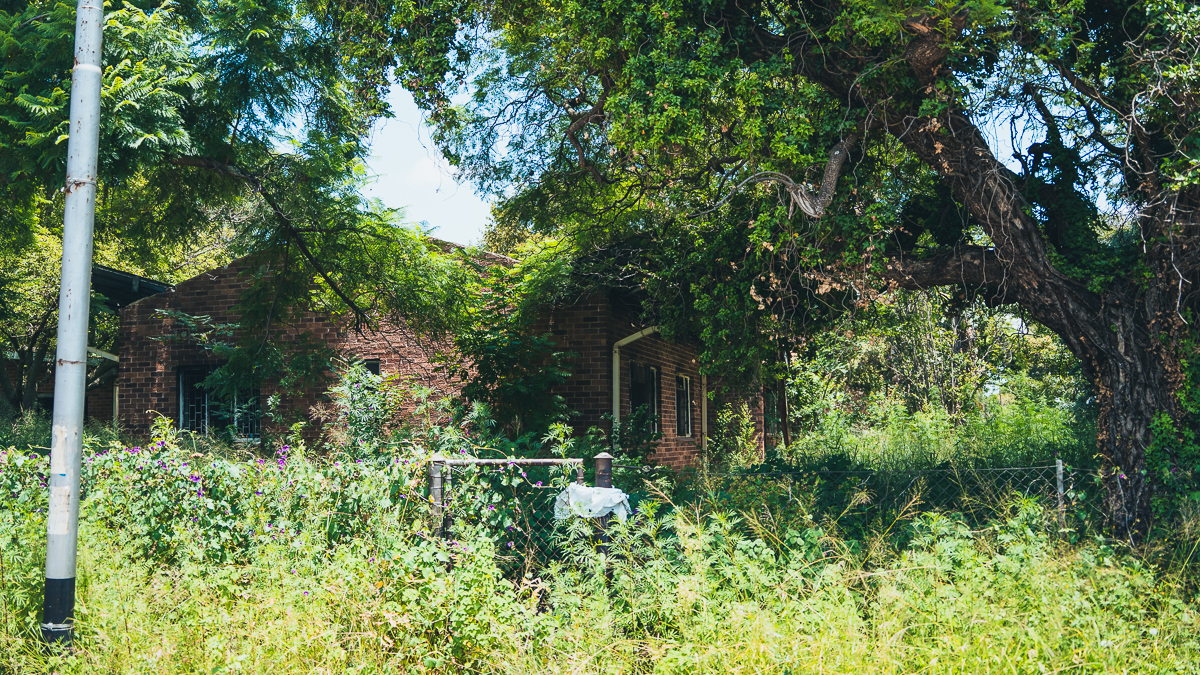
Many houses were clearly neglected, and there was rubbish dumped in one of the areas which we visited.
Thaba Tshwane did not resemble the once-proud military base which once housed and hosted many top army leaders.
Instead, it looked like a neglected and deteriorating town which was in desperate need of attention and rejuvenation.
Photos of the Thaba Tshwane area
















 Loading ...