

Middle East company set to buy 600 South African petrol stations for R16.3 billion


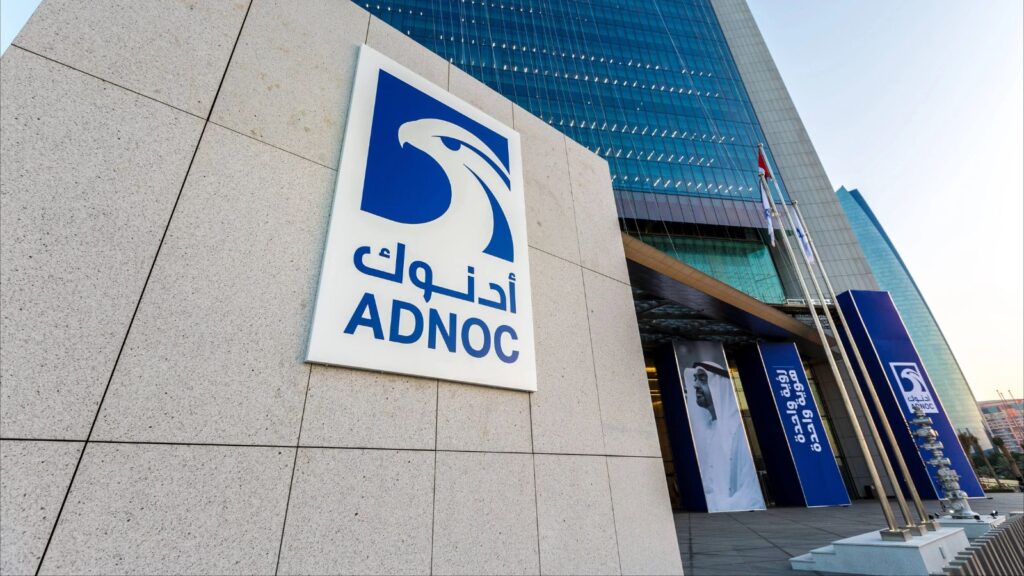
Abu Dhabi National Oil Company (ADNOC) is reportedly in advanced talks with Shell to sell its retail fuel stations in South Africa.
Citing people with knowledge of the matter, Bloomberg reported that ADNOC has emerged as the preferred bidder.
This, after Shell’s talks with Gunvor Group—one of the world’s biggest independent oil traders—fell through.
The people who asked not to be identified as the discussions are private. However, they told Bloomberg that an agreement could be reached as early as this quarter.
Acquiring Shell’s 600 retail fuel outlets will give ADNOC about 10% of the market in Africa’s biggest economy.
The deal is likely to be valued at about $1 billion (R16.3 billion). The sale process started in 2024 and has advanced despite the conflict in the Middle East.
An ADNOC unit also told Bloomberg that the company continually reviews opportunities for growth and declined to comment further. Shell declined to comment.
While Shell declined to comment, it did confirm to BusinessTech in March that it is still in the process of selling those assets.
“Shell Downstream South Africa (SDSA) confirms that the divestment process remains underway,” they said.
“As a matter of policy and principle, we do not disclose information related to confidential commercial processes.”
If the sale is ever concluded, it would mark the end of well over a century of Shell petrol stations operating in South Africa.
In 1902, Shell opened its doors in South Africa. Back then, the company supplied oil to bring light and heat to the homes in the country.
Today, Shell has grown from being an oil company to being an energy and petrochemical giant.
The Outlier reported that Shell owns about 40,000 fuel service stations worldwide, half of which are in the Americas.
There are 591 retail outlets in South Africa, the thirteenth-most among the 61 countries where the petroleum giant has a presence.
Shell’s departure will have little impact
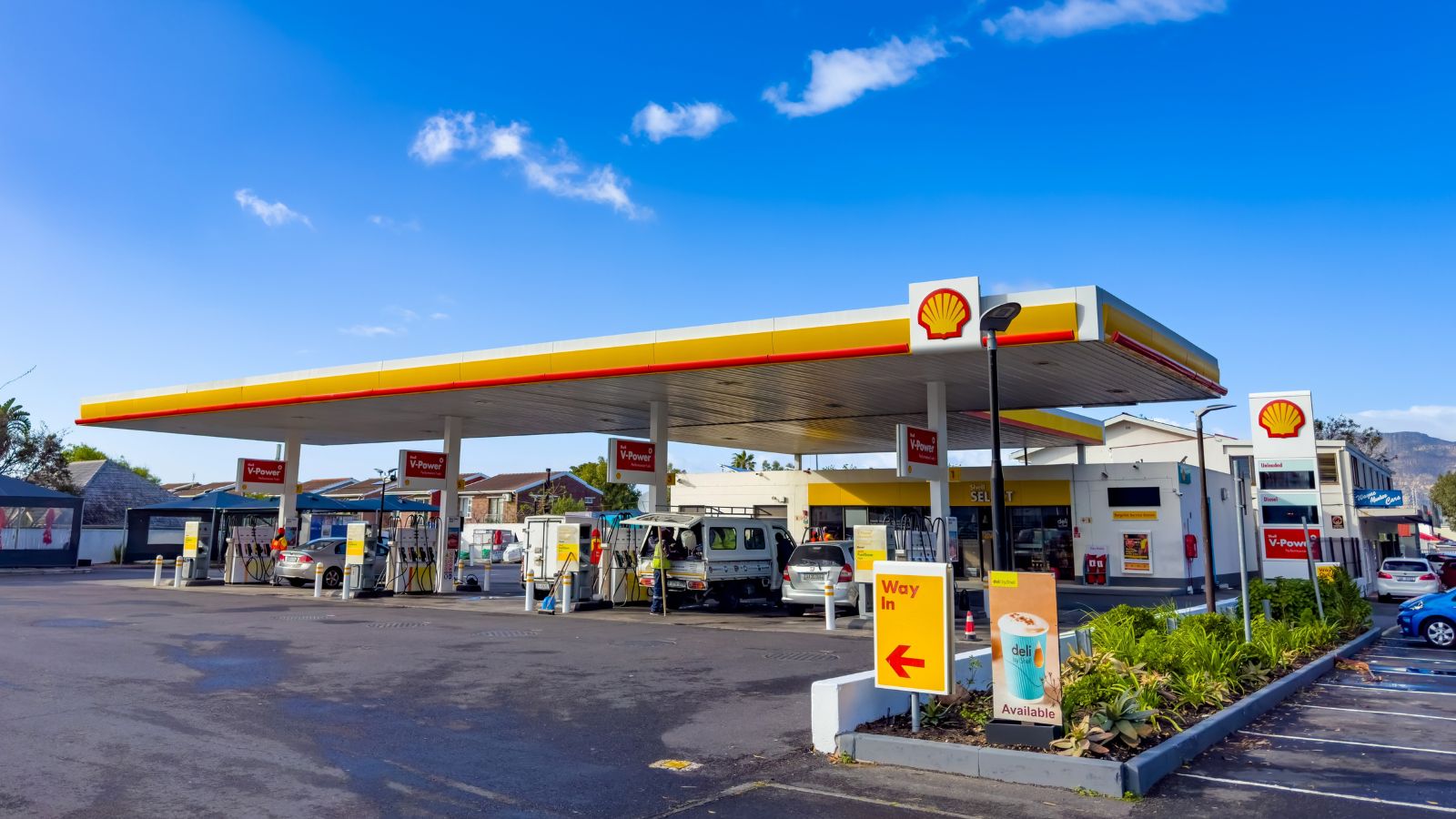
Its refinery in Durban has been inactive since the end of March 2022, when it was decided to suspend operations and spending. A month later, floods severely damaged the plant.
South Africa is not unique. Shell’s divestment from the country is part of a comprehensive review of its global operations.
Shell has sold downstream assets in Australia, Botswana, Burkina Faso, Côte d’Ivoire, Guinea, Kenya, and Namibia.
The company has also been scaling down activity in Malaysia, Uruguay, Paraguay, and Colombia.
Following the announcement of their exit, Peter Morgan, CEO of the Liquid Fuels Wholesalers Association of South Africa, said that he believes Shell’s departure will have little impact on the domestic fuel industry.
The expert expects that Shell will likely leave behind a smaller sub-brand in the country called Viva Energy and retain a minor stake in the fuel franchise while finding an outside investor to take on majority ownership.
Reported with Bloomerg










 Loading ...