

The Western Cape is in trouble


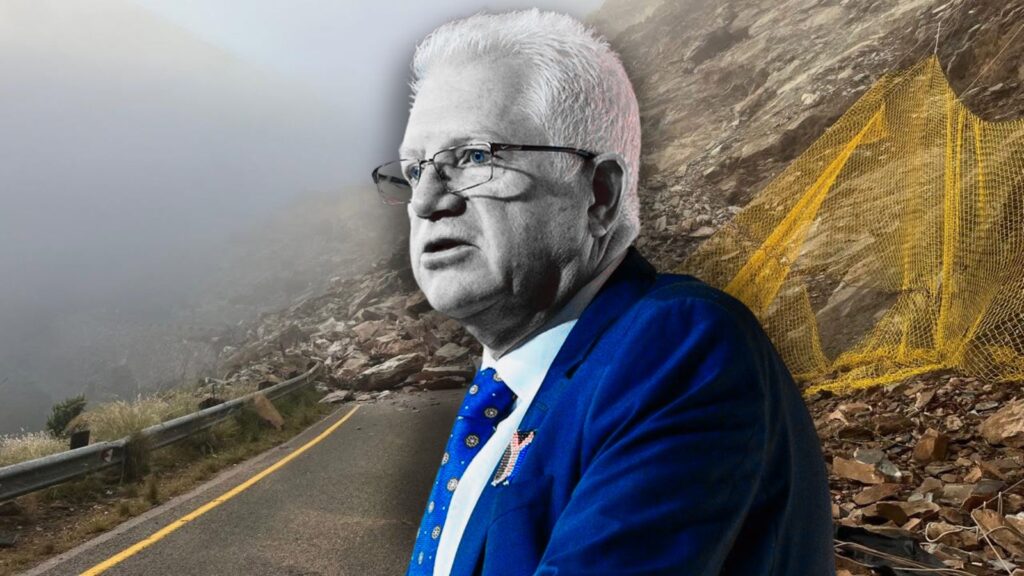
The Western Cape province is in financial trouble following the devastating storms and floods that struck the region last month, with preliminary assessments placing the damage bill at nearly R9 billion.
This is the feedback from Western Cape Premier Alan Winde, who said the current estimate stands at R8.999 billion, but stressed that the figure remains an interim assessment and could still change as engineers and officials complete detailed evaluations.
Speaking in an interview with Cape Talk, he explained that the assessment covers both public- and private-sector losses. Agriculture alone has already reported damages of roughly R5.2 billion, while damage to roads and bridge infrastructure has been estimated at nearly R1.94 billion.
However, Winde noted that some of the highest costs are still being calculated. “You take somewhere like Meiringspoort, where we can get an estimate, but now the engineers are in and busy doing the assessment to see exactly what that cost is,” he said.
The province is working closely with national government officials to verify the figures and determine what funding may be available.
While the final figure may still fluctuate, Winde acknowledged that the overall cost remains enormous. “It is a significant amount, and it’s not budgeted for,” he said.
To fund the recovery effort, the provincial government will have to redirect money from existing projects, delaying planned infrastructure investments.
The province is also seeking support from national government disaster funds, although Winde noted that available contingency funding is limited and must be shared among multiple provinces affected by severe weather events.
“We’ve also said we’ve got to have an engagement at National Treasury because it’s not only the Western Cape that suffered. Other provinces have also had massive damage,” he said.
In the meantime, the provincial cabinet is expected to release some contingency funding immediately to continue urgent repair work already underway.
“We will, at the next cabinet, take some of our contingency money and immediately put it in because we’ve already started. We have to make sure that what we’ve started gets funded,” Winde said.
Upgrades could cost two to three times more

He pointed to the reconstruction of the McGregor Bridge as an example of the challenges facing the province.
Repair work had already begun before engineers discovered additional structural problems, forcing construction to stop and causing further delays for affected communities.
“It is obviously very stressful for communities around the province, but we’ve got to get this money. We’ve got to start building as quickly as we can because we’ve still got so many places that are totally cut off,” he said.
Winde said climate-related extreme weather events are becoming a permanent reality and require a new approach to infrastructure planning. “These extreme weather events are with us. They’re not going to go away,” he said.
The premier argued that rebuilding damaged infrastructure exactly as it existed before would leave communities vulnerable to future disasters.
Instead, roads, bridges and other assets need to be redesigned to withstand more severe flooding and storms.
“When we do build back, for example, Meiringspoort, let’s not just fix the road,” Winde said. “We’ve got to put extra culverts in. We’ve got to have a look at the design and flow of the water, and we’ve got to build accordingly.”
Although such upgrades can cost “two and three times more” than conventional construction, Winde said the government needs to budget for resilience in future infrastructure projects.
“We should have a contingency fund, but we also need a ‘build back for the future’ fund, which is a proactive fund. That does cost more money, but we need to have that budgeted for into the future,” he said.















 Loading ...