

Another new mafia taking hold in South Africa’s richest city


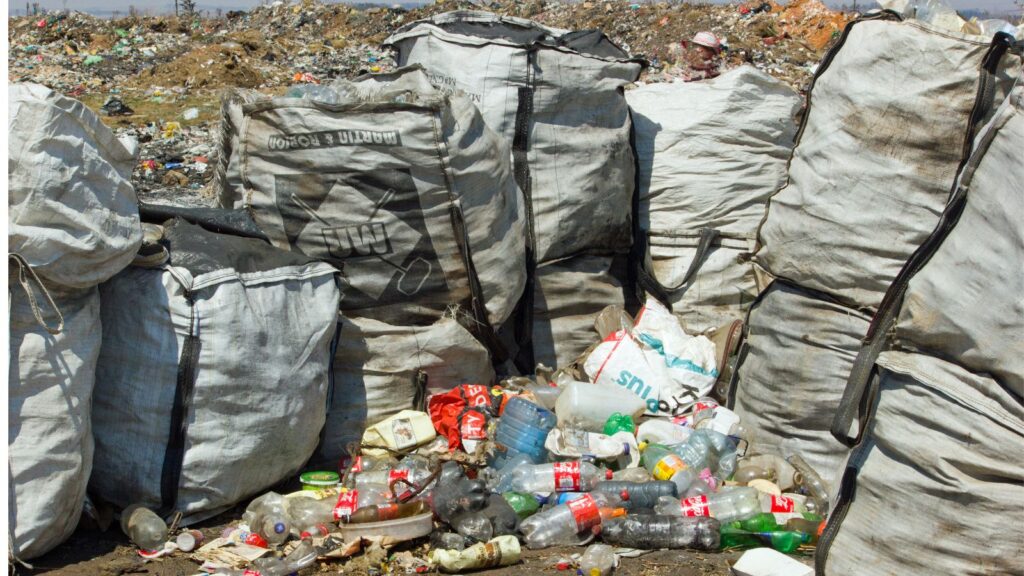
Illegal dumping sites across Johannesburg are being taken over by what community activists describe as sophisticated, mafia-style criminal syndicates.
These criminal groups are making a notable amount of money from charging people and businesses to dispose of waste illegally.
This is the feedback from Keith Elliott, a Johannesburg resident and volunteer director of the Kya Sands Burning Wasteland Community Forum NPC.
In an interview with 702 Drive, he said the groups behind these operations have developed what amounts to an integrated criminal enterprise that extends beyond illegal dumping.
“The modus operandi is simply taking money from people wishing to dump waste, because the city is running out of landfill,” he said.
Once the waste arrives, syndicates extract additional value by mining the sites for recyclable materials and anything else that can be repurposed or resold.
In Kya Sands, the criminal operations have expanded even further. Elliott said one newly created illegal landfill is being used to fill and level a floodplain adjacent to the Kya Sands Spruit.
“They’re actually levelling the flood plain next to the Kya Sands Spruit to sell more plots for shacks in the informal settlement,” he said.
The syndicates have also reportedly moved into other illicit activities. “We’ve been reliably informed that these guys are also selling the illegal electricity connections in the area. So it’s an integrated criminal enterprise,” Elliott said.
The Kya Sands landfill was officially decommissioned in 2010. Elliott said authorities were supposed to rehabilitate the site by capping it with soil and grass to prevent future dumping and pollution.
Instead, Elliott said illegal operators reoccupied the site within a few years. “The dump was decommissioned in 2010, and by 2014, it had been reopened by these illegal operators.”
Residents have attempted to tackle the problem themselves. Elliott said the community raised funds to employ private security, establish four checkpoints and deploy a mobile tactical response vehicle.
“What we proved is that with four checkpoints in the area and one mobile tactical vehicle, we reduced the amount of burning by 80% to 90%,” he said. He argued that this demonstrated that enforcement is possible.
“That just gives the lie to the authorities’ contention that they’re unable to solve the problem because of a lack of resources. The fact is, if JMPD really wanted to do their jobs and enforce the anti-dumping bylaws, they could quite easily do it.”
Sites are popping up all over the city
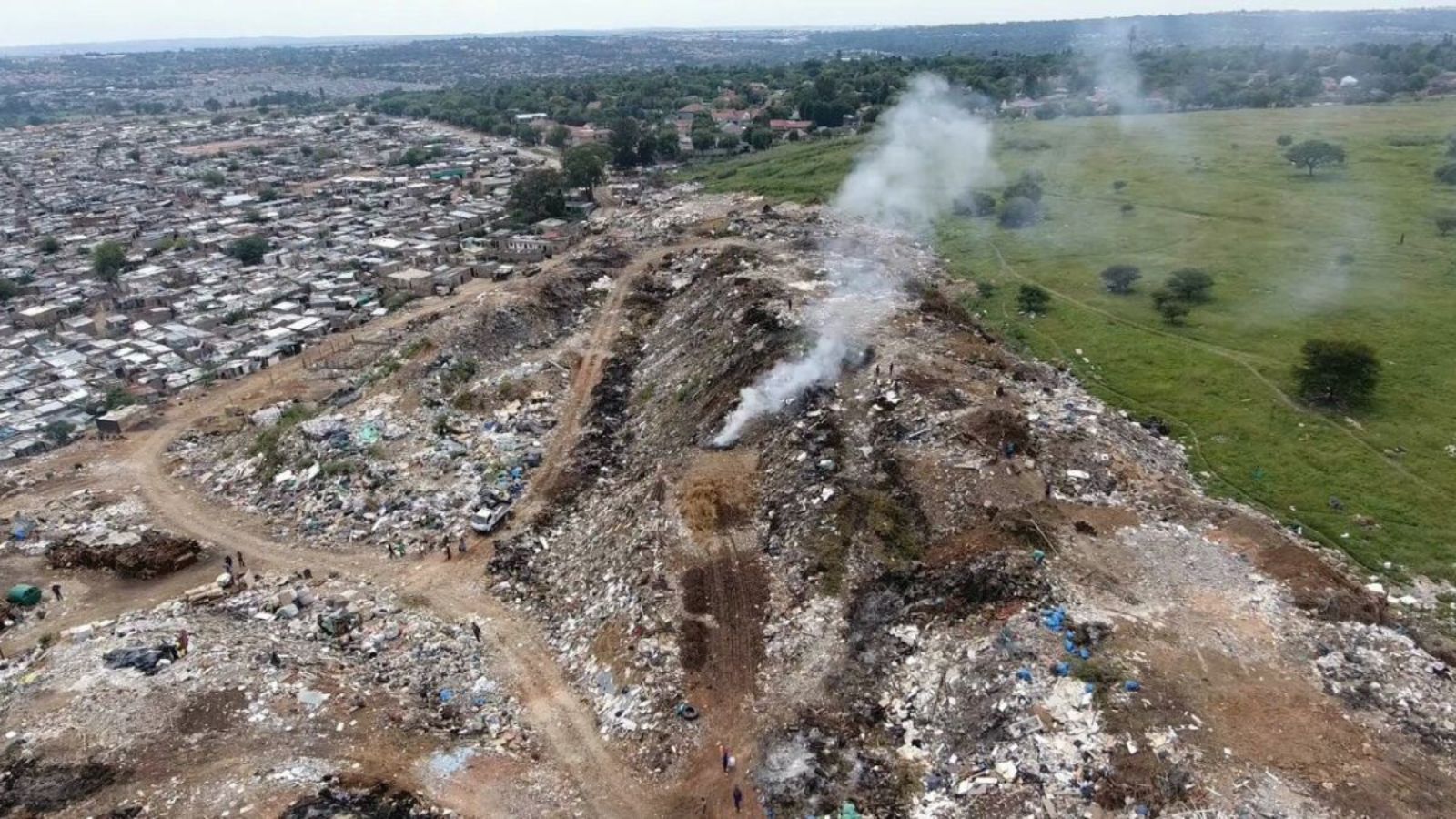
The environmental consequences are severe. Elliott noted that legitimate landfill sites are lined to prevent toxic leachate from contaminating groundwater and surface water, a safeguard absent from illegal dumping operations.
However, Elliott warned that the widespread burning of waste to create space for new loads is more problematic.
The process often involves incomplete combustion of plastics and other materials, producing highly toxic smoke.
“It’s actually partial combustion, so they smoulder, and that leads to even more toxic smoke,” Elliott explained. He warned that the problem is no longer confined to Kya Sands.
“I get almost weekly phone calls from other people across the city of Johannesburg that are facing exactly the same problem that we’re facing,” Elliott said.
He added that many of the new illegal waste sites are appearing in areas that were never intended to receive waste.
“These informal waste dumping, recycling, and repurposing areas are popping up all over the city,” he said.
Some examples include near Main and Witkoppen roads and close to Eskom’s head office in Sunninghill. Elliott believes the cost of combating the problem is relatively small compared to municipal budgets.
The community has recently contracted a security company to provide around-the-clock tactical support and checkpoint operations.
“We’ve just contracted a security company now for R85,000 a month. It’s less than R100,000, which in the context of JMPD or the city’s budget certainly shouldn’t be a problem for them.”


















 Loading ...