

The 100-year-old state-owned town in South Africa that’s only been open to the public since 2007


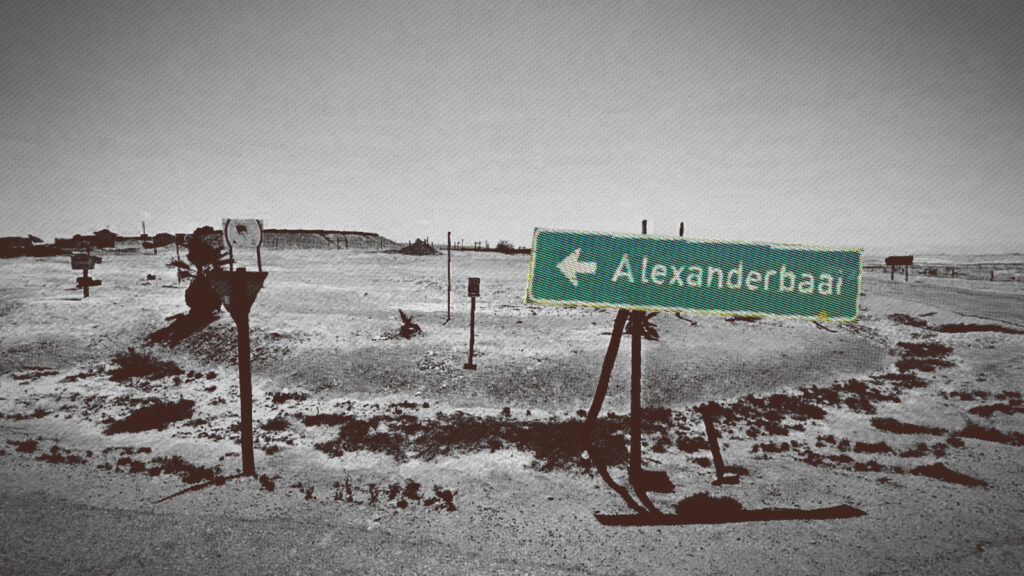
Alexander Bay was founded over 100 years ago in the extreme north-west of the country near the mouth of the Orange River.
The town spent eight decades under strict state-company control, closed off to the public, dotted with security checkpoints, and allowing access and passage only to those with permits.
The town was founded in the thick of the ‘diamond rush’ that gripped the Northern Cape coast after diamonds were discovered in the region in 1925.
For 80 years, the region was under the strict control of the state-owned diamond company, Alexkor, which designated it a “high-security area”.
Alexkor was established as a joint venture in 1928 to mine diamonds at Alexander Bay. It was formalised as a statutory entity via the Alexkor Limited Act in 1992, making it a fully state-owned company.
Because the town was effectively state-controlled, the bay was closed to the public under the banner of combating diamond smuggling and securing state-run mining operations.
This changed in 2007, however, when the town was finally opened up to the public following a landmark court case.
While the town has grown into a unique tourist destination since then, offering historic diamond tours, safaris, and exposure to desert culture, many of the mining operations remain restricted.
It now offers tourists “a feast of indigenous plants, animals and insects, and the wild, totally unspoilt coastline”.
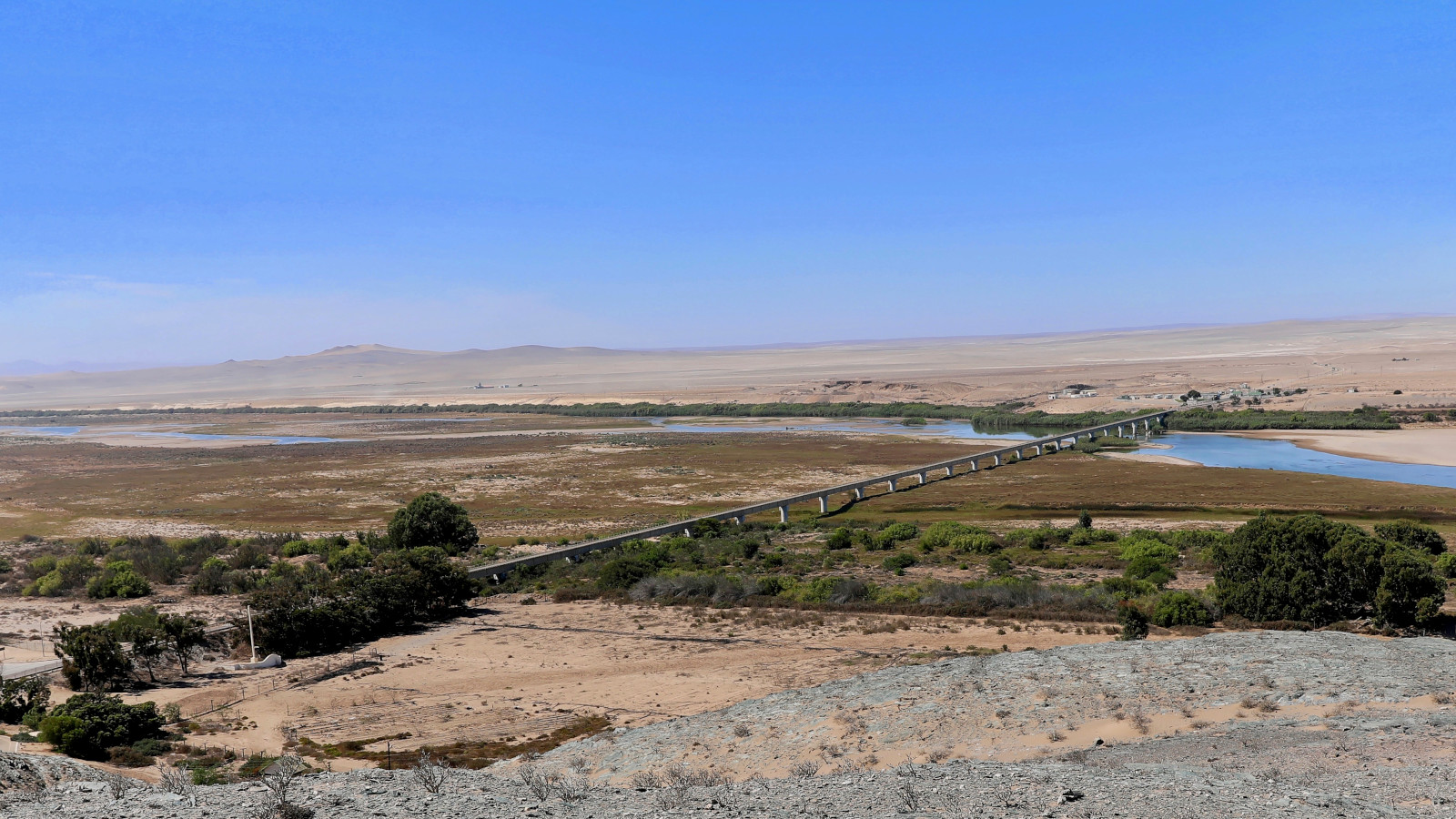
Another feature that may draw travellers’ interest is the Ernest Oppenheimer Bridge, which spans the Orange River and connects Alexander Bay with Oranjemund, Namibia, on the other side.
The 900-metre bridge opened in 1951 and was rebuilt in 1953 to improve durability. It was known at the time as the longest privately-owned bridge in the country.
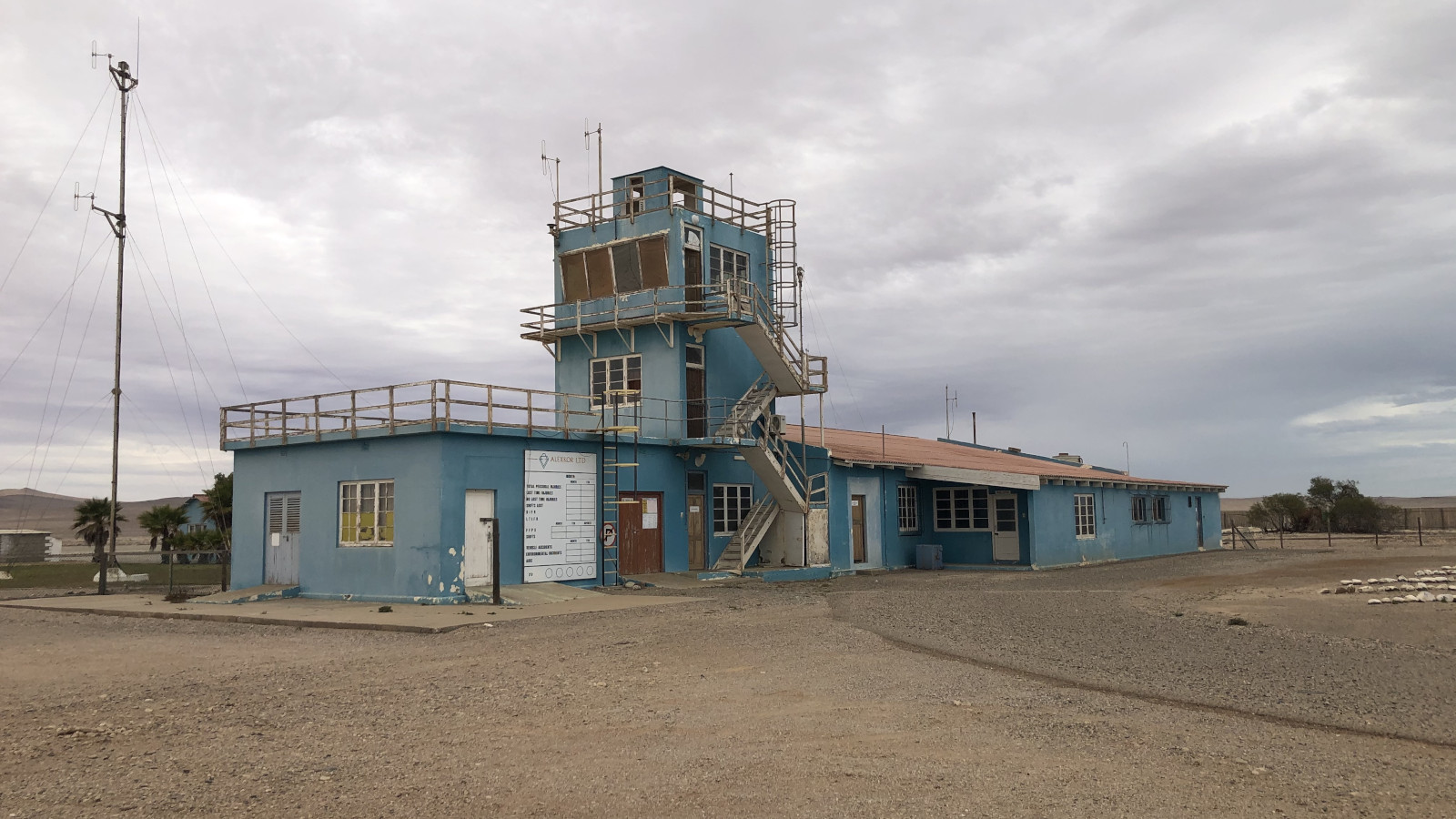
The town also had its own airport to support logistics for the mining operations, but it was closed in 2007 when the town went public.
As the town’s tourism portal states, “there is little more to Alexander Bay than mining houses and wide open, sand-ridden, mine-damaged space”.
The latest available census data for the town showed that it had only 1,736 residents.
The land claim that changed everything
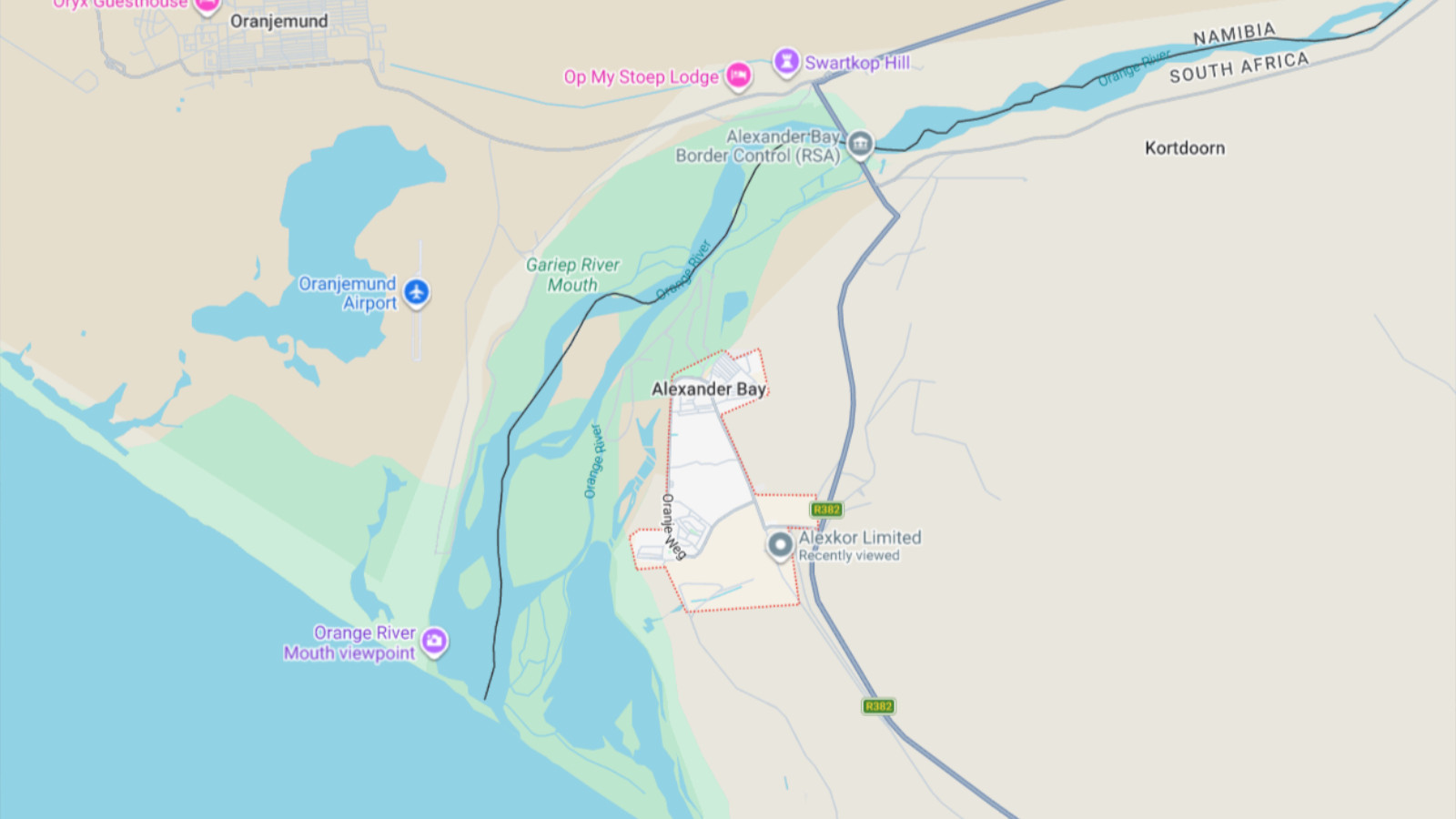
The opening up of Alexander Bay is tied directly to a landmark Constitutional Court ruling in 2003, which ruled in favour of the Richtersveld Community’s land restitution claim.
The Richtersveld is a large area of land situated in the north-western corner of the Northern Cape Province, which has been inhabited by the Richtersveld Community for centuries.
The community laid a formal land restitution claim for a small strip of Richtersveld in 1998, but had been exercising ownership rights to outsiders since South Africa’s British annexation in 1847.
At the time of the claim, the land was registered to Alexkor.
The Land Claims Court dismissed the Community’s claim in 2001, saying the community failed to prove their dispossession was the result of racially discriminatory laws or practices. Leave to appeal was denied.
The community then took the matter to the Supreme Court of Appeal in March 2003, where the LCC’s ruling was overturned.
Alexkor launched an appeal to the Constitutional Court later that year, which the ConCourt ultimately dismissed.
It declared the community was entitled to restitution of the right to ownership of the land, including its minerals and precious stones.
In 2007, the Land Claims Court ordered the return of the land to the Richtersveld community and the transfer of the land mining rights to the Richtersveld Mining Company.
The impact on Alexkor was devastating.
According to the Department of Mineral and Petroleum Resources, under which it now operates, it maintains marine mining rights in the region but lost land in the claim valued at R10 billion.
The losses led to a collapse in revenue and accrual of debt, necessitating billions of rands in government bailouts to keep the company afloat.
The group also suffered under the state capture saga and allegations of corruption, and even in 2026, it is facing investigations and scrutiny for alleged failures in its dealings with the Richtersveld Community.
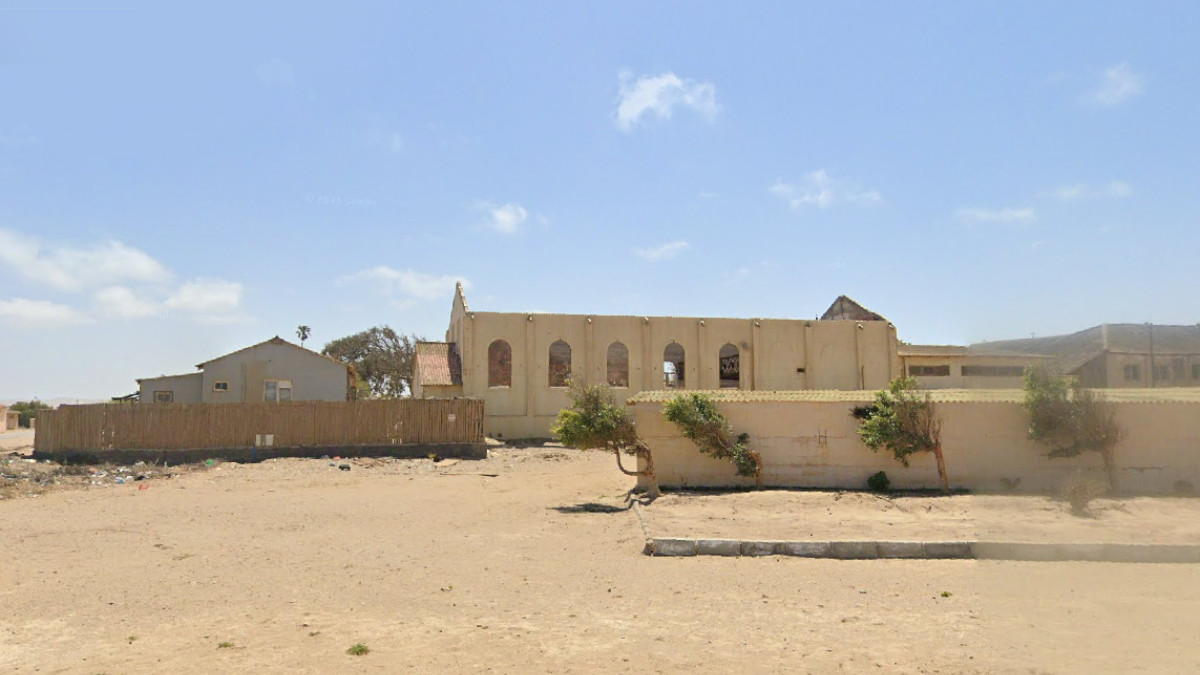
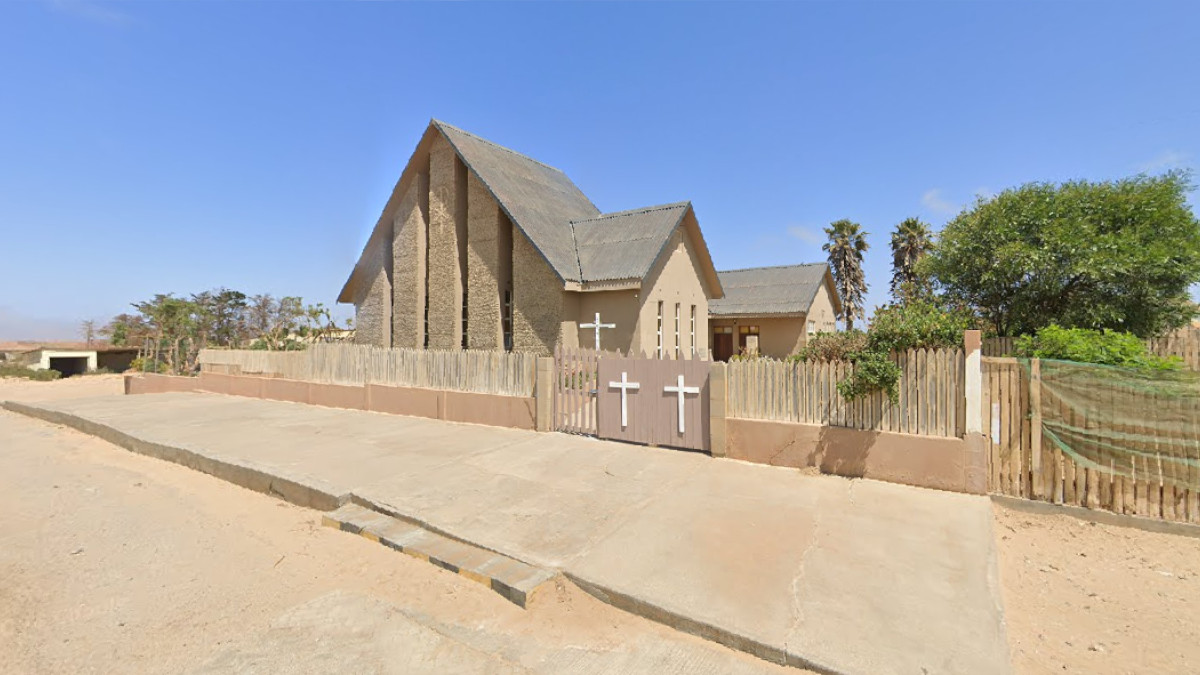
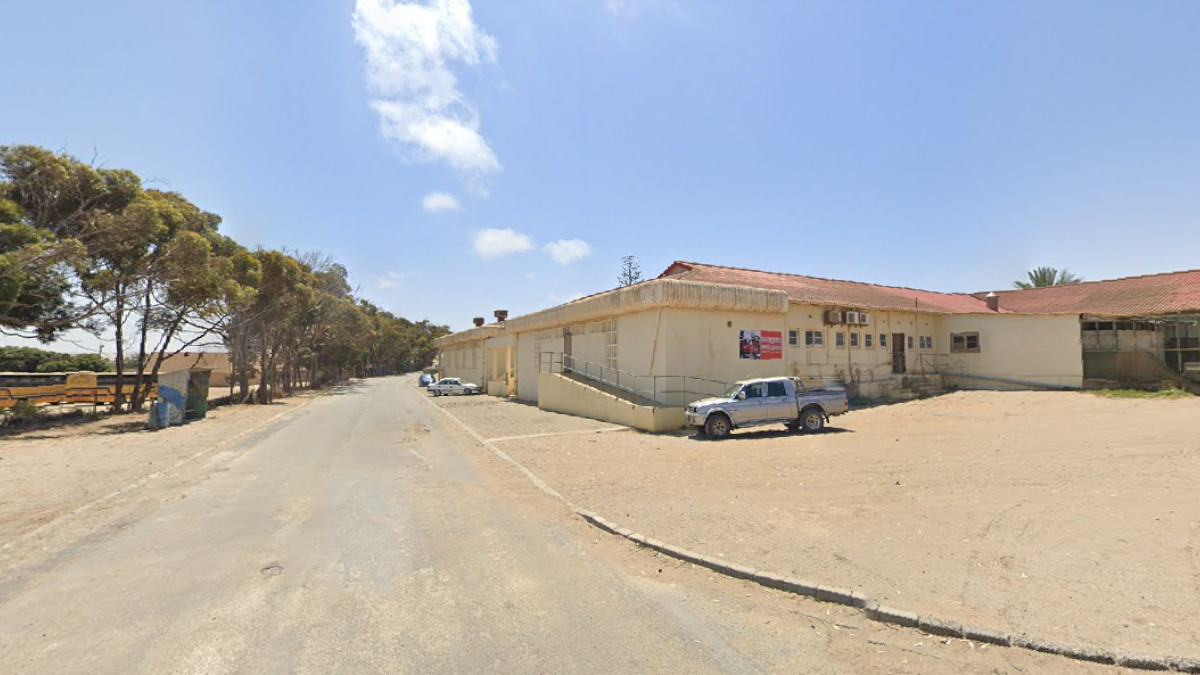
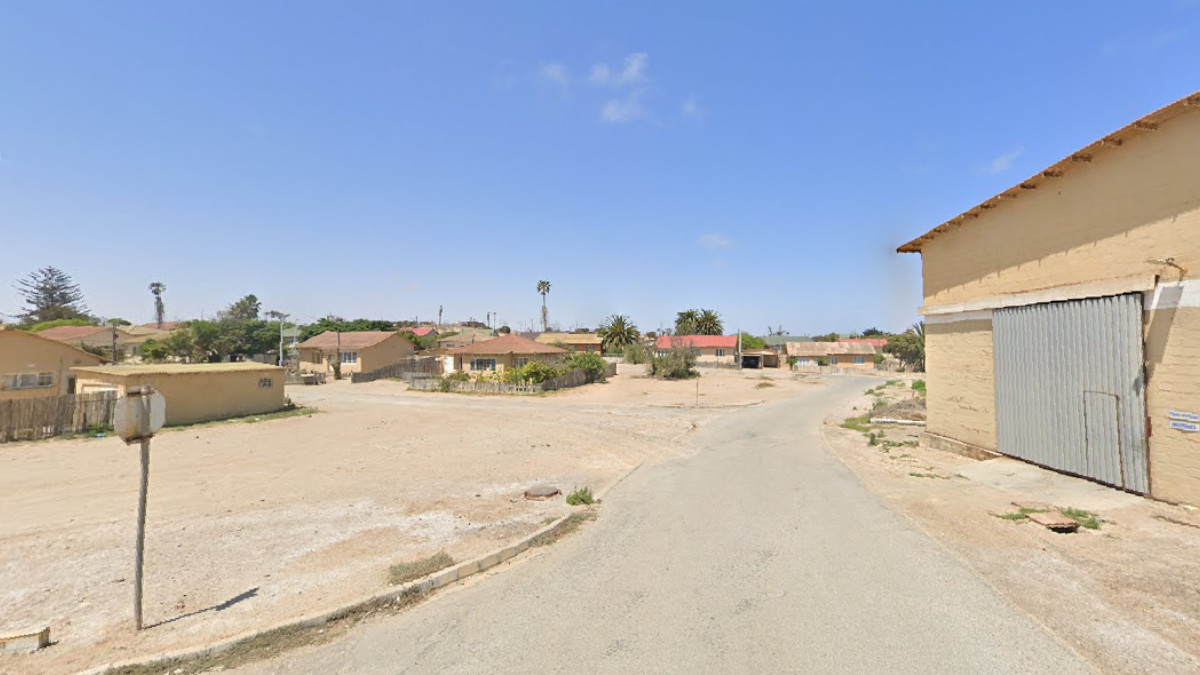
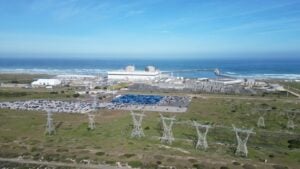
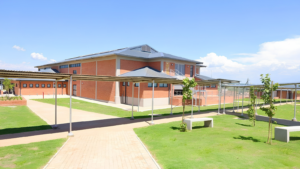
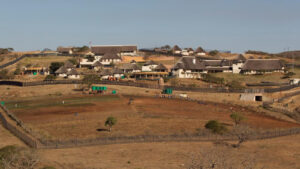
Images of Alexander Bay
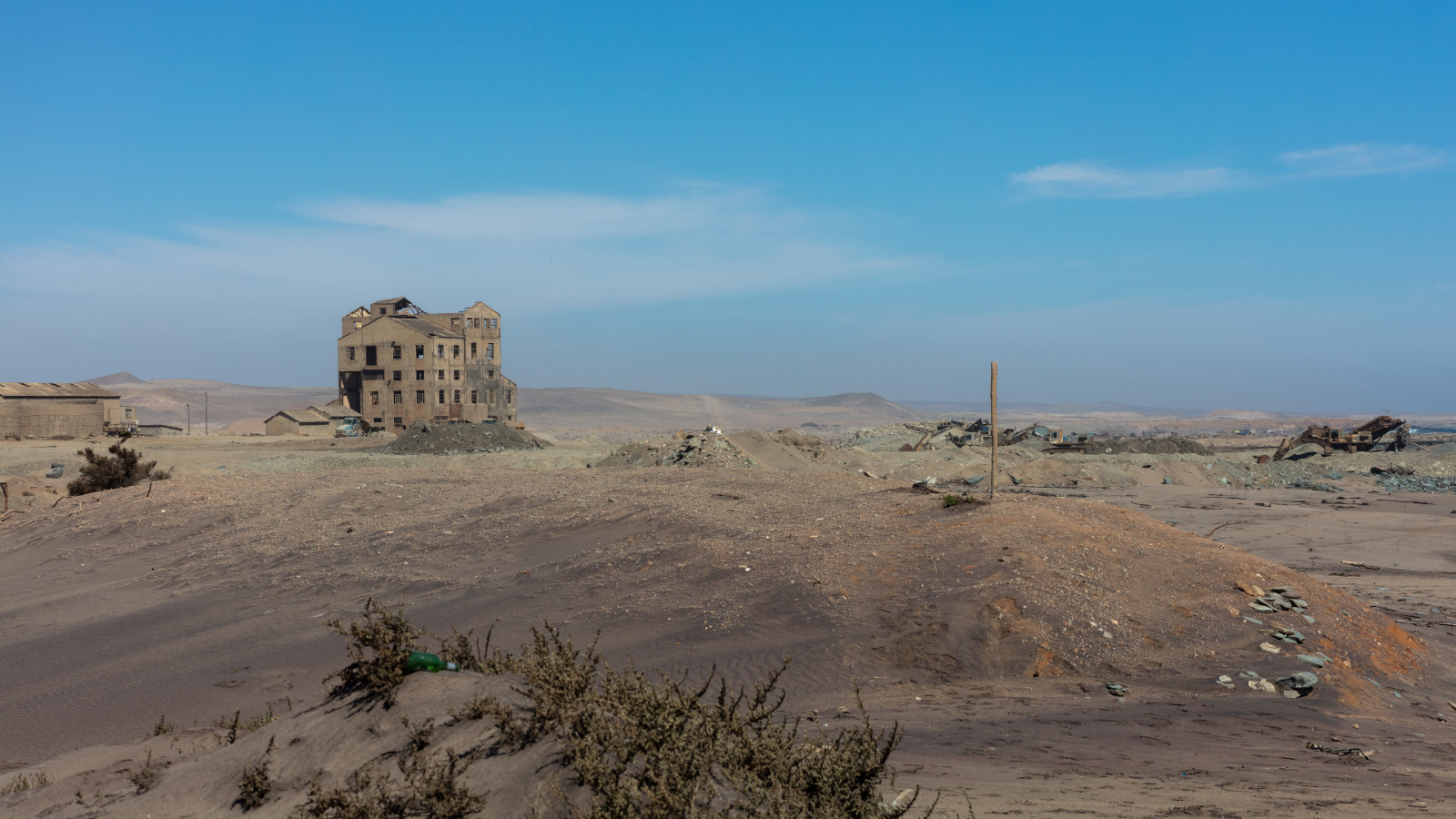
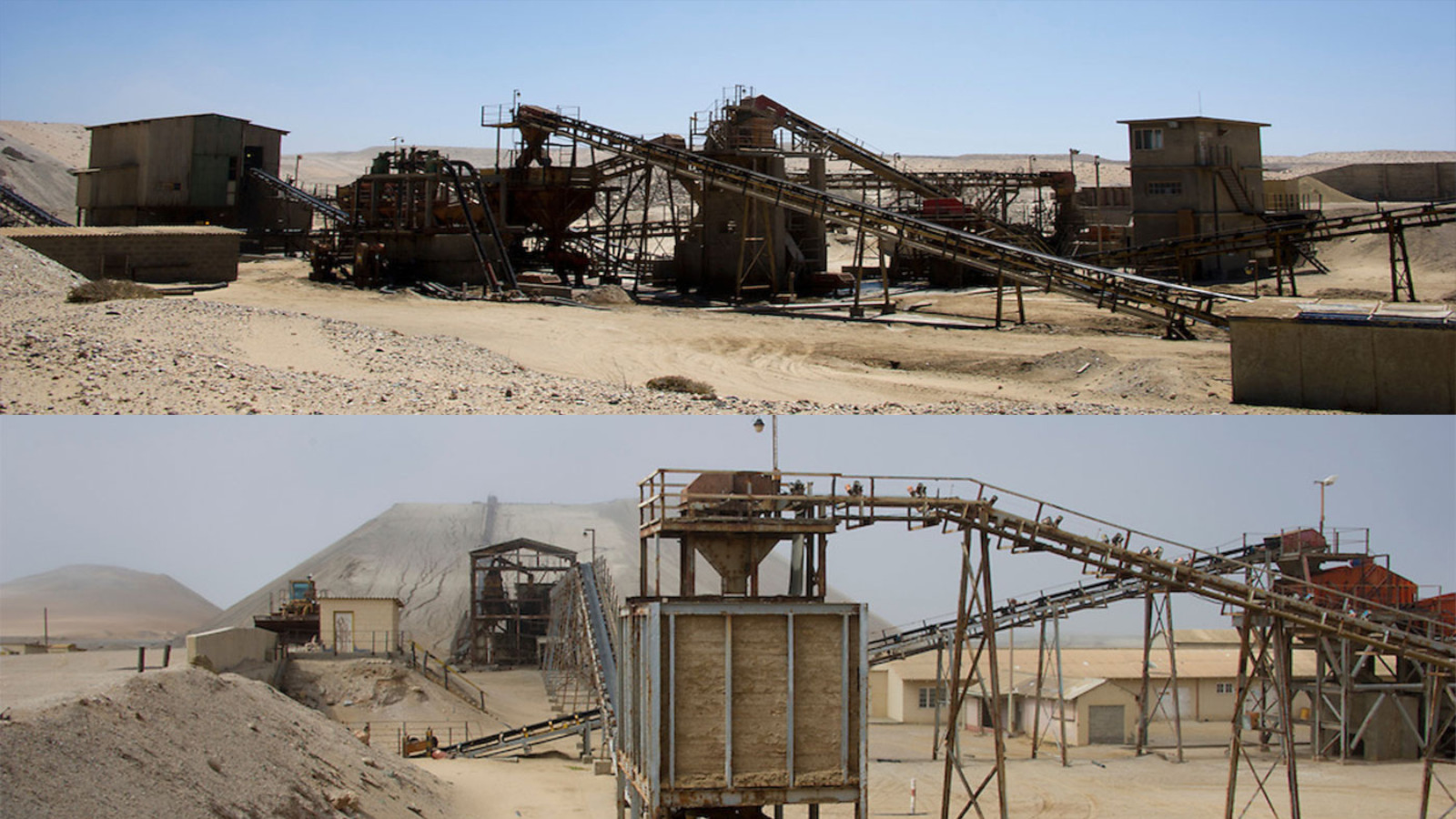
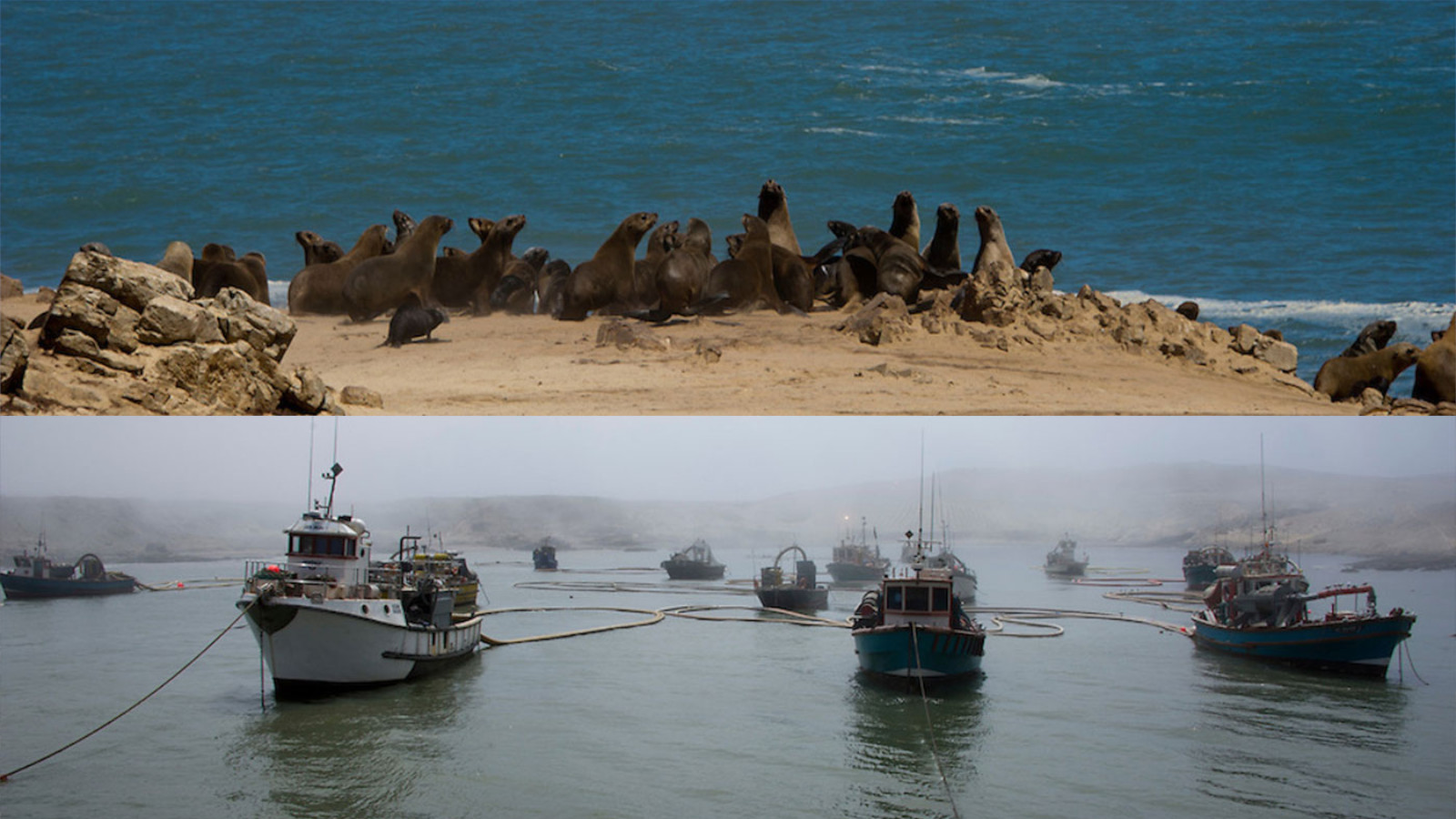
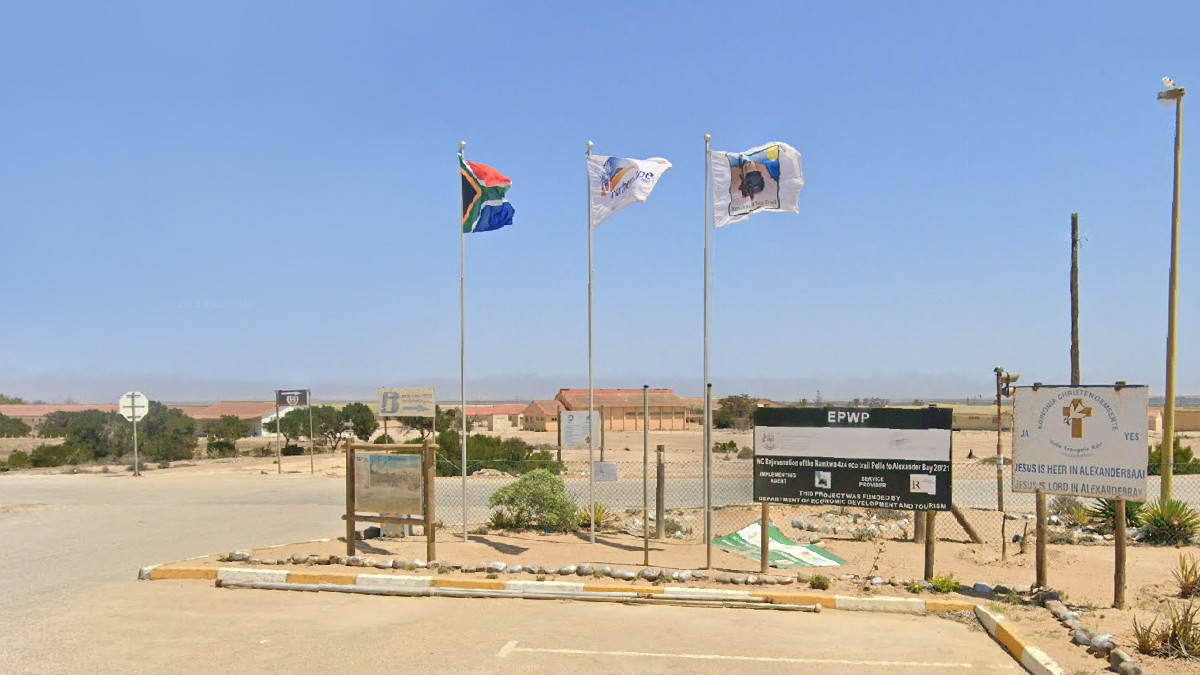
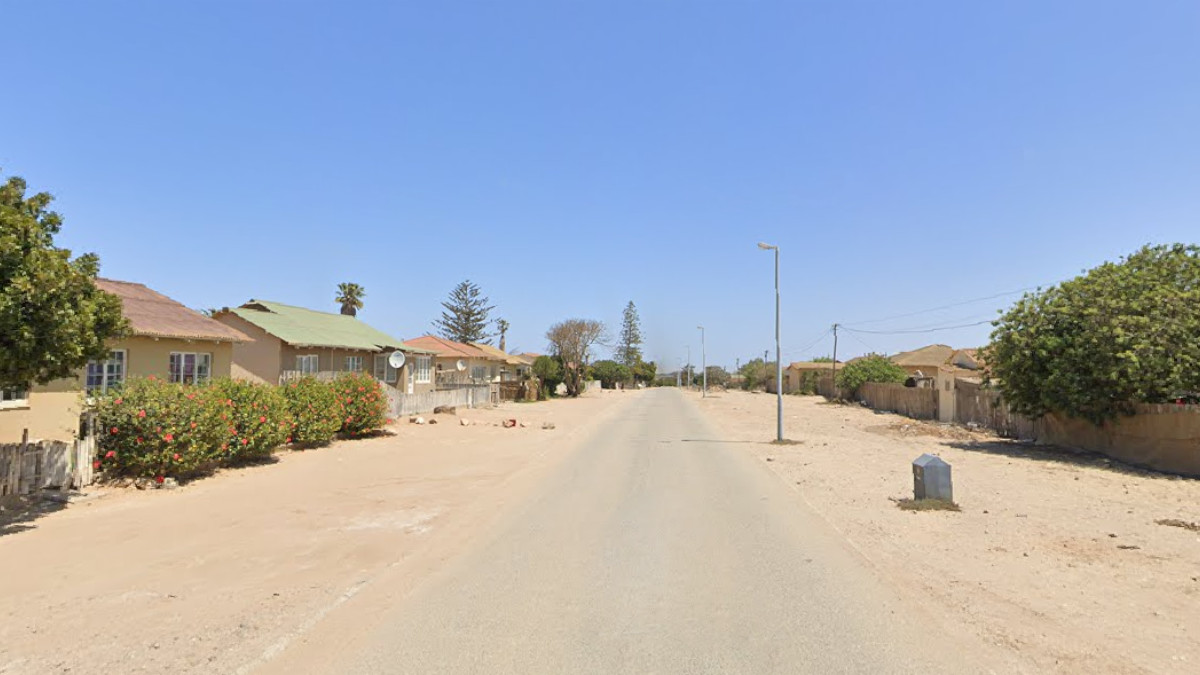
Street view of the town
Given its remote location on fairly recent open access, Google Street View captured pictures of the town in 2024, offering a glimpse to those curious how such a town looks.












 Loading ...