

Americans sued for hiring South Africans and paying them R85 more per hour


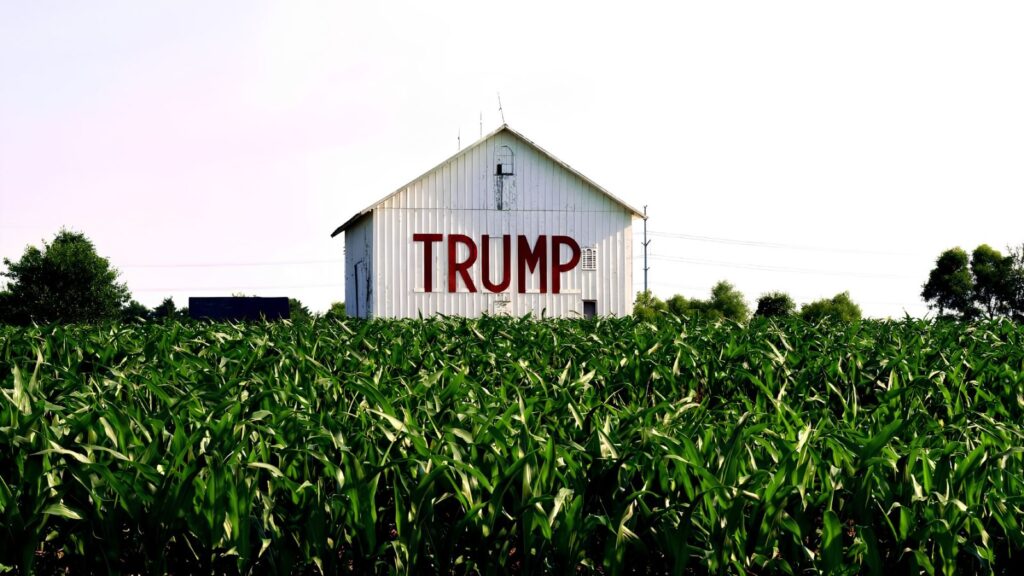
Thousands of South Africans have flocked to the United States, angering local American workers, who have turned to the courts to protect their jobs.
Speaking in an interview with CapeTalk, Rob McDuff, Director of Impact Litigation at the Mississippi Centre for Justice, said the latest lawsuit filed against a Mississippi farmer is part of a broader series of cases alleging that employers are abusing the H-2A visa system.
McDuff stressed that the lawsuit is unrelated to the refugee pathway introduced by US President Donald Trump for some South Africans.
Instead, it centres on the long-established H-2A programme, which allows foreign nationals to work temporarily on American farms.
“This is actually the ninth lawsuit we have filed over the past five years at the Mississippi Centre for Justice, along with our friends at Southern Migrant Legal Services,” McDuff said.
“These lawsuits are against farm operations in the Mississippi Delta for abusing the foreign agricultural worker visa program.”
The lawsuit was brought on behalf of five farm workers from Mississippi, who allege they were treated less favourably than white South Africans employed through the H-2A programme.
McDuff said the lawsuits allege that employers have been “bringing in white South Africans, never a black South African, only white South Africans.”
This, while paying them higher wages, giving them more working hours and providing greater earning opportunities than local workers.
He claimed employers can do this by falsely certifying that they could not find enough American workers to fill available positions.
“The way they do this is by falsely claiming, in order to comply with American law, that they have looked for local workers and cannot find enough to fill the jobs,” McDuff said.
He added that US labour laws require local workers employed alongside H-2A workers to receive the same wages. However, he alleged this obligation is frequently ignored.
A systematic problem

McDuff said the wage difference stems from the operation of the H-2A programme itself rather than the nationality or race of the workers.
“American law requires that they be paid a certain level if they are foreign workers coming into the visa program,” he said.
“So they have been paid that rate, but the local workers are still kept at lower wages, even though the law requires they’d be paid the same as the foreign workers.”
He described the issue as a “systemic problem”, particularly in the Mississippi Delta, where many farms rely on seasonal labour.
McDuff also disputed reports that South Africans were earning up to 800% more than local workers, saying those figures do not appear in the current case.
“In the latest case we have filed, there are South Africans being paid a rate of $15 (R250) an hour and more for some, and farm workers are being kept at $10 (R165) an hour,” he said.
While employers are required to provide accommodation for H-2A workers and may prefer having employees available on-site during busy planting and harvesting seasons, McDuff suggested there may also be a cultural preference.
The lawsuits come as South African migration to the United States has increased through both the H-2A visa programme and Trump’s refugee initiative for Afrikaners.
Trump announced the refugee programme on 7 February 2025, and said it was intended to assist Afrikaners whom his administration regarded as victims of unjust racial discrimination.
The first group of 59 refugees arrived in the United States in May 2025, and the programme expanded rapidly thereafter.
Within a year, about 6,500 South Africans, mostly white Afrikaners, had relocated to the United States through the refugee programme.
Although the United States initially capped refugee admissions for the 2026 fiscal year at 7,500, an emergency declaration later increased the allocation for South African applicants by an additional 10,000 places, bringing the total available to 17,500.
















 Loading ...