

The worst-run municipalities in South Africa


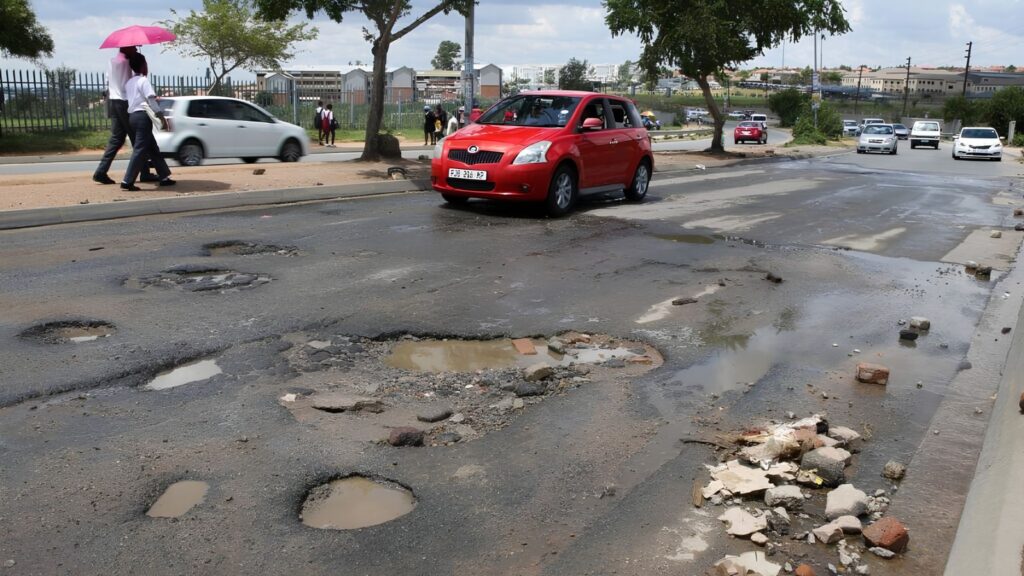
The Auditor-General has warned that dozens of South African municipalities remain in severe financial distress.
Many have battled financial instability for years, and some have been facing uncertainty over their ability to continue operating for more than a decade.
Auditor-General Tsakani Maluleke’s 2024-25 Consolidated General Report on Local Government Audit Outcomes found that 62 municipalities are in severe financial distress, while only 35% of municipalities are considered to have good financial health.
Maluleke said the majority of municipalities face a significant exposure to financial distress and may struggle to sustain operations, meet financial obligations, maintain service delivery and effectively manage public resources.
The report also shows that local government has made little progress over the past five years.
A total of 145 municipalities, or 57%, received the same audit outcome they achieved in 2020-21, while 38 municipalities regressed. These municipalities account for almost a quarter of all local government spending.
“Regressions in audit outcomes should be a rare occurrence, particularly in the absence of significant changes to legislation or reporting requirements,” Maluleke said.
Only 39 municipalities, representing 15% of all municipalities, achieved clean audits during the 2024-25 financial year. Together, they were responsible for just 8% of total local government expenditure.
Although 72 municipalities improved their audit outcomes since 2020-21, including 23 that moved out of the worst possible audit category, Maluleke warned that serious governance failures remain widespread.
A disclaimed audit opinion, the worst outcome a municipality can receive, means auditors could not obtain enough evidence to verify most of the information contained in the municipality’s financial statements.
“The lack of transparency regarding the utilisation of public funds and the delivery of municipal services substantially weakens accountability, which often leads to residents being deprived of basic services and harmed by the municipalities’ actions or inaction,” Maluleke said.
The number of municipalities receiving disclaimer opinions has declined significantly, from 35 in 2019-20 to just eight in 2024-25.
Worst-run municipalities

According to Maluleke, these persistent failures are primarily attributable to inadequate institutional capability and governance deficiencies within the accountability ecosystem.
The report found that 20 municipalities have disclaimer opinions for at least 10 consecutive years, while another 24 have done so for between five and nine years.
Of the 62 municipalities in severe financial distress, 54 disclosed going-concern uncertainty in their financial statements, while a further eight failed to disclose it adequately.
A going concern uncertainty means there are significant doubts about whether a municipality can continue operating because of its financial position.
Maluleke noted that 33 of these municipalities have experienced going-concern uncertainty for four years or more, which shows that many have been unable to restore their financial health despite years of warning signs.
The worst cases include Dihlabeng, Mafube and Matjhabeng in the Free State, each with 16 years of going concern uncertainty.
City of Matlosana and Lekwa Teemane in North West have each recorded 14 years, while Mpofana and uThukela District Municipality in KwaZulu-Natal have each reached 13 years.
Other municipalities with at least a decade of going-concern uncertainty include Mohokare and Letsemeng in the Free State (12 and 10 years, respectively).
Others include Kou Kamma in the Eastern Cape (11 years), Maquassi Hills and Tswaing in North West (11 years each), and Lekwa in Mpumalanga (10 years).
The report stressed that many of South Africa’s worst-run municipalities remain trapped in long-term financial and governance crises that continue to threaten service delivery and their ability to remain operational.
The 62 municipalities facing the most severe financial distress, with going concern uncertainty, were named in the report by province, as shown in the table below.
| Province | Municipality | Type | Consecutive Years in this Position |
|---|---|---|---|
| Eastern Cape | Amahlati | Local | 8 years |
| Amatole | District | 9 years | |
| Blue Crane Route | Local | 2 years | |
| Dr AB Xuma | Local | 1 year | |
| Dr Beyers Naudé | Local | 1 year | |
| Elundini | Local | 1 year | |
| Inxuba Yethemba | Local | 1 year | |
| King Sabata Dalindyebo | Local | 9 years | |
| Kou Kamma | Local | 11 years | |
| Makana | Local | 9 years | |
| Ntabankulu | Local | 1 year | |
| Sundays River Valley | Local | 2 years | |
| Walter Sisulu | Local | 4 years | |
| Free State | Dihlabeng | Local | 1 year |
| Kopanong | Local | 16 years | |
| Letsemeng | Local | 10 years | |
| Mafube | Local | 16 years | |
| Mangaung | Metro | 9 years | |
| Masilonyana | Local | 2 years | |
| Matjhabeng | Local | 16 years | |
| Mohokare | Local | 12 years | |
| Moqhaka | Local | 10 years | |
| Ngwathe | Local | 1 year | |
| Nketoana | Local | 1 year | |
| Gauteng | City of Ekurhuleni | Metro | 1 year |
| Emfuleni | Local | 1 year | |
| Rand West City | Local | 9 years | |
| West Rand | District | 8 years | |
| KwaZulu-Natal | Mpofana | Local | 13 years |
| Okhahlamba | Local | 1 year | |
| Ugu | District | 8 years | |
| uThukela | District | 9 years | |
| Limpopo | Thabazimbi | Local | 13 years |
| Vhembe | District | 1 year | |
| Mpumalanga | City of Mbombela | Local | 1 year |
| Emalahleni | Local | 9 years | |
| Govan Mbeki | Local | 6 years | |
| Lekwa | Local | 10 years | |
| Msukaligwa | Local | 3 years | |
| Nkomazi | Local | 1 year | |
| Thaba Chweu | Local | 2 years | |
| Victor Khanye | Local | 2 years | |
| Northern Cape | Kamiesberg | Local | 1 year |
| !Kheis | Local | 9 years | |
| Renosterberg | Local | 1 year | |
| Tsantsabane | Local | 3 years | |
| North West | City of Matlosana | Local | 14 years |
| Ditsobotla | Local | 6 years | |
| Dr Ruth Segomotsi Mompati | District | 2 years | |
| JB Marks | Local | 2 years | |
| Kagisano-Molopo | Local | 2 years | |
| Kgetlengrivier | Local | 7 years | |
| Lekwa-Teemane | Local | 14 years | |
| Madibeng | Local | 2 years | |
| Mamusa | Local | 8 years | |
| Maquassi Hills | Local | 11 years | |
| Naledi | Local | 7 years | |
| Rustenburg | Local | 3 years | |
| Tswaing | Local | 11 years | |
| Western Cape | Beaufort West | Local | 9 years |
| Kannaland | Local | 7 years | |
| Theewaterskloof | Local | 2 years |












 Loading ...