

Competition authority coming after Chicken Licken, KFC, Pick n Pay, Spar, and others in South Africa


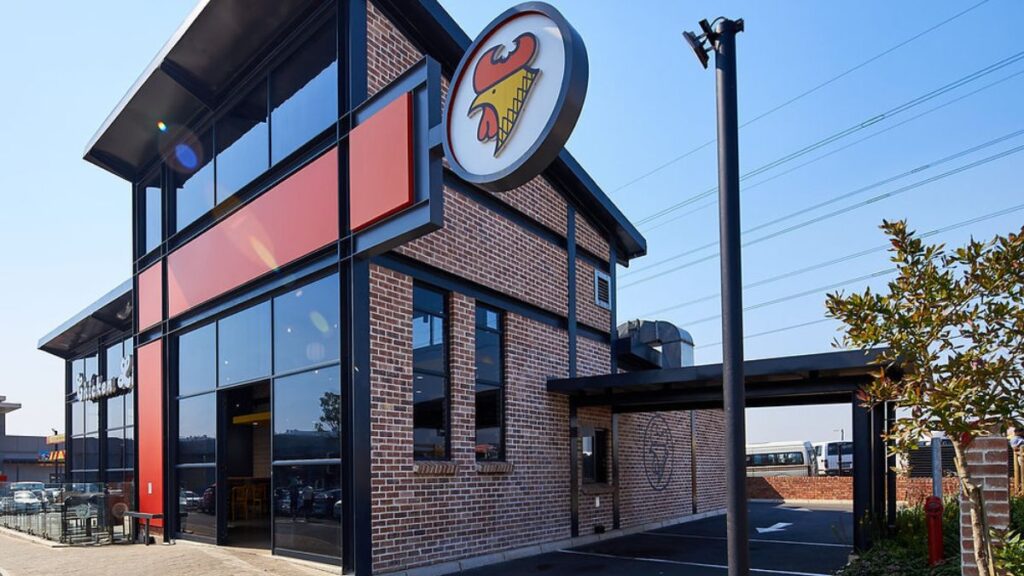
The Competition Commission is preparing to investigate the country’s franchise industry, which could place the business practices of some of South Africa’s biggest brands under intense scrutiny.
This is the feedback from Paul Coetser, Director and Head of Competition, and Kwanele Diniso, Associate at Werksmans Attorneys.
According to the law firm, the Competition Commission’s planned market inquiry could have far-reaching consequences for franchisors.
The companies in the crosshairs include major names such as Chicken Licken, KFC, Pick n Pay, Spar, Midas, Sorbet, Italtile Retail and CTM.
The firm said the Commission published draft Terms of Reference for the inquiry on 26 June 2026, signalling its intention to investigate whether aspects of South Africa’s franchise sector are harming competition.
“The Market Inquiry may herald a significant shift for the South African franchising landscape,” Werksmans said.
It added that market inquiries in South Africa have historically resulted in “binding, remedial actions, including forced changes to long-standing corporate business models.”
The Competition Commission believes there are features within the franchise market that “may impede, distort, or restrict competition.”
It has also noted an increase in mergers and acquisitions in established franchise sectors, which it says has contributed to greater market concentration.
Under the Competition Act, the Commission can launch a market inquiry when it believes competition in a market may be restricted.
In this case, it wants to determine whether current franchise models create barriers that prevent small and medium-sized businesses, as well as historically disadvantaged people, from entering, growing or expanding within the sector.
According to the draft Terms of Reference, one of the Commission’s biggest concerns is that the franchise industry does not adequately reflect South Africa’s demographics.
The Commission said franchising still displays “skewed, racialised patterns of ownership,” limiting the sector’s contribution to economic inclusion and transformation.
It also highlighted the unequal relationship between franchisors and franchisees.
Examine allegations of unfair trading terms

According to the Commission, it has received numerous complaints from franchisees who allege they are subjected to restrictive and potentially exploitative practices by franchisors that exercise extensive control over their businesses and supply chains.
The Commission further believes many franchisees have limited bargaining power when negotiating franchise agreements, leaving them with little opportunity to secure more favourable contract terms before entering a business.
Funding requirements are another key concern. The Commission said large upfront capital contributions required by franchisors or credit providers can make it difficult for new entrepreneurs to enter the market.
It also plans to examine allegations of unfair trading terms and whether franchisors exploit information asymmetries, where they possess significantly greater knowledge about the business model and market than franchisees.
As part of the inquiry, the Commission will investigate whether these concerns exist and, if so, whether they have an adverse effect on competition.
Werksmans said franchisors and franchisees should expect detailed information requests and could also be required to make presentations during both public and private hearings.
The Commission has indicated it may prioritise sectors that have the greatest influence on market dynamics.
These include fast-food chains such as Chicken Licken and KFC, and grocery retailers such as Pick n Pay and Spar.
Others include automotive businesses such as Midas, health and beauty brands such as Sorbet, and construction and hardware retailers such as Italtile Retail and CTM.
The inquiry will assess whether the franchise model is producing fair outcomes for both franchisees and consumers across these industries.
Members of the public have until 7 August 2026 to comment on the draft Terms of Reference. Once the final version is published, the Commission is expected to begin the inquiry within 20 days, aiming to complete it within 18 months.
However, Werksmans noted that this timeline “is probably ambitious” given the breadth of the investigation.
The law firm expects many franchisees, particularly SMEs and historically disadvantaged business owners, to use the inquiry to raise concerns about pricing, funding challenges and one-sided franchise agreements.
It also warned that some franchisors’ long-standing business models could come under pressure.
“We expect that strict supply chain exclusivity clauses, mandatory procurement systems and rebate structures will be subjected to intense scrutiny,” Werksmans said.
The firm advised franchisors to begin reviewing their franchise agreements and operating policies now “to ensure that their houses are in order when the Commission comes knocking.”
















 Loading ...