

The worst-run municipality in the Western Cape for 4 years in a row


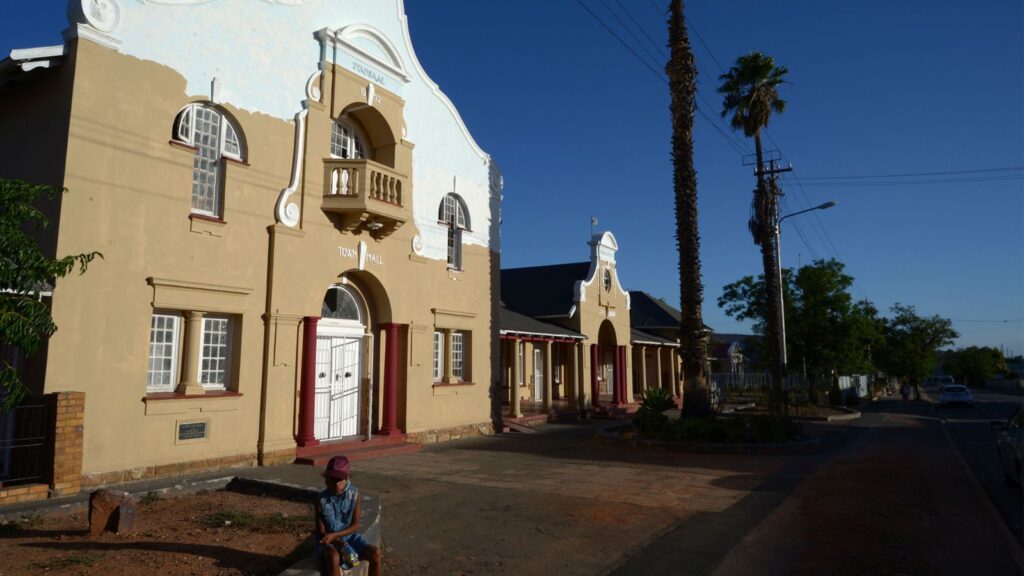
Kannaland Local Municipality could be considered the worst-run municipality in the Western Cape, having now received a disclaimed audit opinion for four consecutive years.
This was highlighted by the Auditor-General’s (AG) Consolidated General Report on Local Government Audit Outcomes for 2024/25, which outlined the persistent failures in governance, accountability, and service delivery.
A disclaimed audit opinion is the worst audit outcome a municipality can receive. According to the Auditor-General, it means auditors cannot verify how public money was spent because the municipality failed to provide sufficient evidence.
“When a municipality receives a disclaimed audit opinion, it means that it could not provide us with evidence for most of the information in its financial statements,” the report explained.
“Therefore, we could not express an opinion on whether its financial statements were credible or determine what it had done with the funds that it received for the year.”
The report added that municipalities with disclaimer opinions typically fail to support the performance achievements they report, do not comply with key legislation and provide little transparency over how public funds are used.
Only seven municipalities across South Africa have repeatedly received disclaimer opinions, with Kannaland standing as the only municipality in the Western Cape. The others are located in the Eastern Cape, Free State and North West.
Located in the Garden Route district, Kannaland serves around 6,333 households in Ladismith, Calitzdorp and surrounding farming communities in the Little Karoo.
The municipality has struggled with high unemployment and poverty, while residents continue to face deteriorating municipal services.
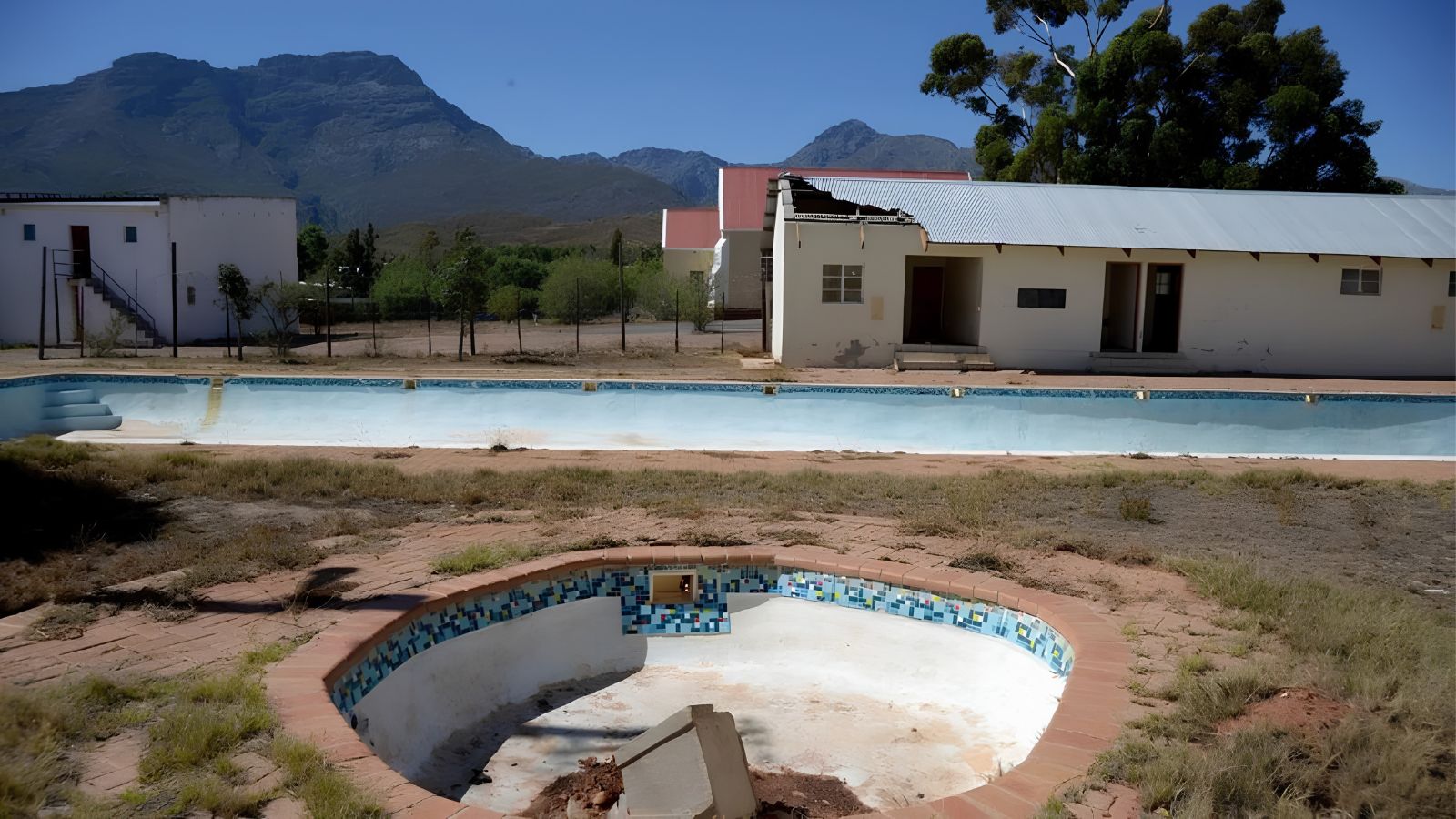
The Auditor-General said residents and businesses are living with poor-quality roads, unfinished wastewater treatment works and poorly managed landfill sites.
The municipality has received disclaimer opinions since the 2021/22 financial year due to key financial disclosures being omitted and accounting records failing to support significant amounts reported in its financial statements.
The outlier in the Western Cape
The audit identified extensive problems with financial reporting, including incorrect or unverified figures for assets, revenue, cash, debtors, creditors and irregular expenditure.
It also found that infrastructure work in progress had been overstated through duplicate and incorrect payments, while the municipality’s performance reports were useless and unreliable.
Kannaland’s financial position has also continued to deteriorate. The municipality has disclosed uncertainty over its ability to continue operating as a going concern for seven consecutive years.
The municipality also recorded R55.96 million in irregular expenditure during the year, bringing its accumulated balance to more than R200 million, while fruitless and wasteful expenditure totalled R9.93 million.
The report further highlighted failures in revenue collection and indigent support. Although Kannaland received R24.58 million in equitable share funding intended to assist 3,612 indigent households, only R17.63 million reached 2,216 households.
The municipality has also been operating its landfill site and wastewater treatment works without valid licences, wastewater discharged failed to meet required standards, and parts of the wastewater infrastructure were not operational.
One of the most significant failures involved the upgrade of the Ladismith wastewater treatment works. A contractor appointed for the R11.9 million project abandoned the site after missing key milestones, leaving the project 11 months behind schedule.
The Auditor-General found weak contract management had resulted in duplicate and incorrect payments, ineffective oversight and expired financial guarantees, causing losses of about R2.6 million.
The municipality will now need an estimated R6.1 million to appoint a new contractor and complete the project, while residents continue facing environmental and public health risks. The report attributed many of Kannaland’s problems to weak institutional capacity.
The municipality experienced prolonged instability in senior management, with repeated changes in accounting officers and chief financial officers, high vacancy levels in its finance department, poor record-keeping and inadequate financial management systems.
Kannaland stands out as an outlier compared to the broader Western Cape. Maluleke said the province continues to record the highest number of clean audits in South Africa.
However, she warned that recent regressions show governance and internal control weaknesses remain.















 Loading ...