

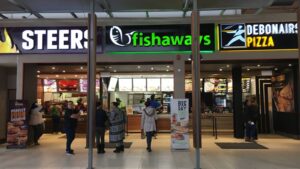
End of an era for 50 iconic stores in South Africa’s major shopping malls, and Rupert’s plan to give more people land and houses


The South African rand strengthened on Thursday, buoyed by a rise in gold prices, even as data indicated a sharper-than-expected decline in domestic manufacturing output.
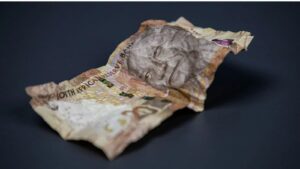
The rand traded at 16.32 against the dollar, about 0.6% stronger than its previous close. The US dollar was down 0.1% against a basket of currencies, while gold prices, a crucial export for South Africa, rose by more than 1%.
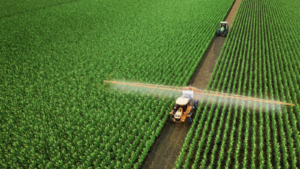
According to data released by the statistics agency on Thursday, South Africa’s manufacturing output fell by 4.3% year-on-year in May, following a 2.9% year-on-year decline in April.
Economists surveyed by Reuters had anticipated a 3.2% decrease, while Nedbank economists had forecast a 3% contraction.
“The sector continues to struggle with high domestic cost structures, driven by inefficient and expensive general economic infrastructure, which has systematically eroded price competitiveness,” Nedbank economists noted in a research report.
They also highlighted that manufacturers have had to absorb increased U.S. tariffs and the recent surge in local fuel prices.
On the Johannesburg Stock Exchange, the Top-40 index closed up 1.1%, driven by gains in mining stocks. South Africa’s benchmark government bond for 2035 remained flat at 8.375%.
On Friday, 10 July 2026, the rand was trading at R16.30 to the dollar, R21.88 to the pound, and R18.64 to the euro. Gold is trading at $4,117.77 an ounce, while oil prices were at $76.65 a barrel.
5 important things happening today
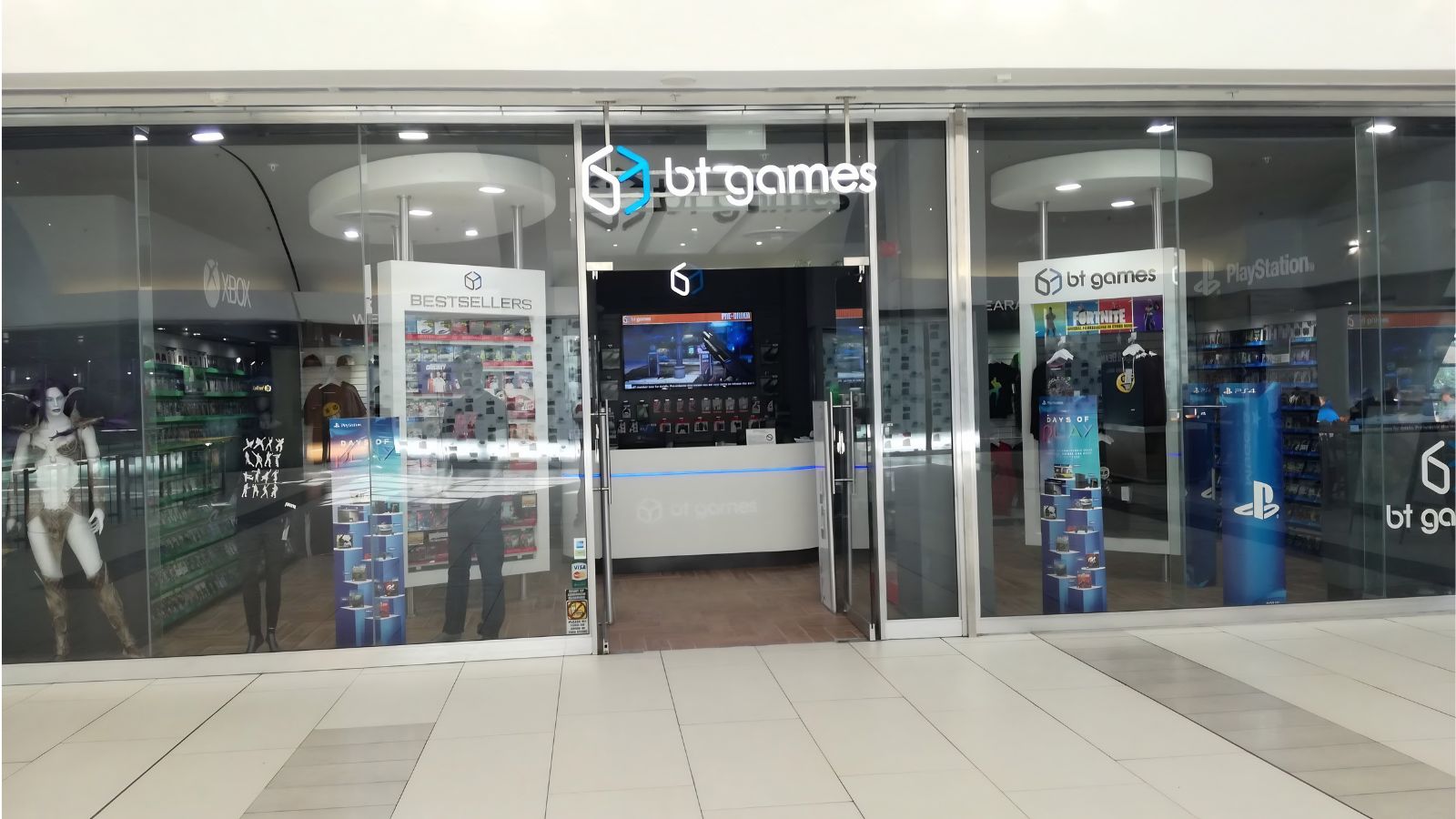
End of an era for 50 iconic stores: The end of video game discs looms for BT Games, South Africa’s iconic physical gaming retailer, as Sony plans to cease physical disc production for new PlayStation releases by January 2028. This shift could mark the end of BT Games if it can’t adapt to a digital-only model. [MyBroadband]
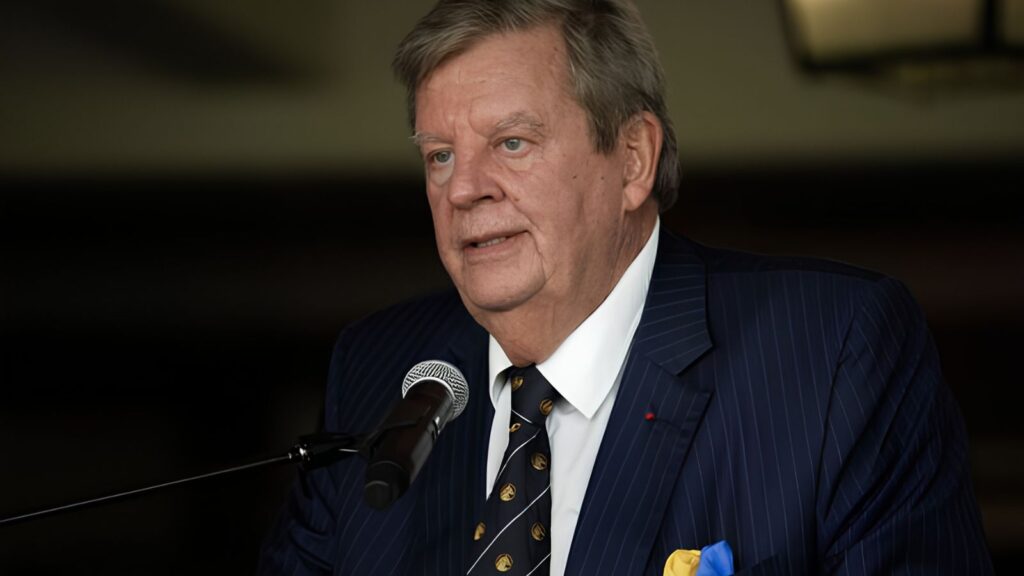
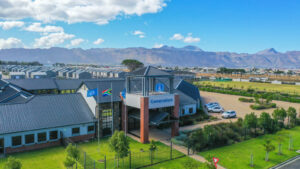
Rupert’s plan to give more people land and houses: Johann Rupert, through the Reinet Foundation and Remgro, has recapitalised the Khaya Lam land reform project to provide land and houses to South Africans. The project collaborates with funders, municipalities, and conveyancers to turn township tenants into homeowners at no cost. By June 2026, Khaya Lam had completed over 24,000 transfers, benefiting thousands of disadvantaged South Africans. [Newsday]
Battle over plan to impose BEE laws on Springboks vs All Blacks Tour: A legal battle is emerging over the government’s plan to grant special protected status to the Rugby’s Greatest Rivalry 2026 Tour. The proposal has faced criticism from trade union Solidarity, which argues that the government is attempting to impose procurement and B-BBEE requirements on a private sporting event. [BusinessTech]
BMW recalls 11,000 vehicles: Premium carmaker BMW has recalled nearly 11,000 vehicles that have been on South Africa’s roads for almost a decade over safety concerns. The National Consumer Commission on Thursday issued a safety recall affecting 10,961 BMW 3 Series, 4 Series, 5 Series, 7 Series, X3 and X4 vehicles sold in South Africa from 2016, which are fitted with the pinion starter.
[Business Day]
South African fast food retailer opening 250 stores a year: In 2024, Hungry Lion CEO Adrian Basson promised that his fast food empire would open 100 stores a year in Africa for the foreseeable future. Basson was wrong. Hungry Lion would achieve a run rate of 250 stores per year over the next two years and cross 750 stores in 2026. [Daily Investor]












 Loading ...