

A single loaf of bread could reach R45 in South Africa


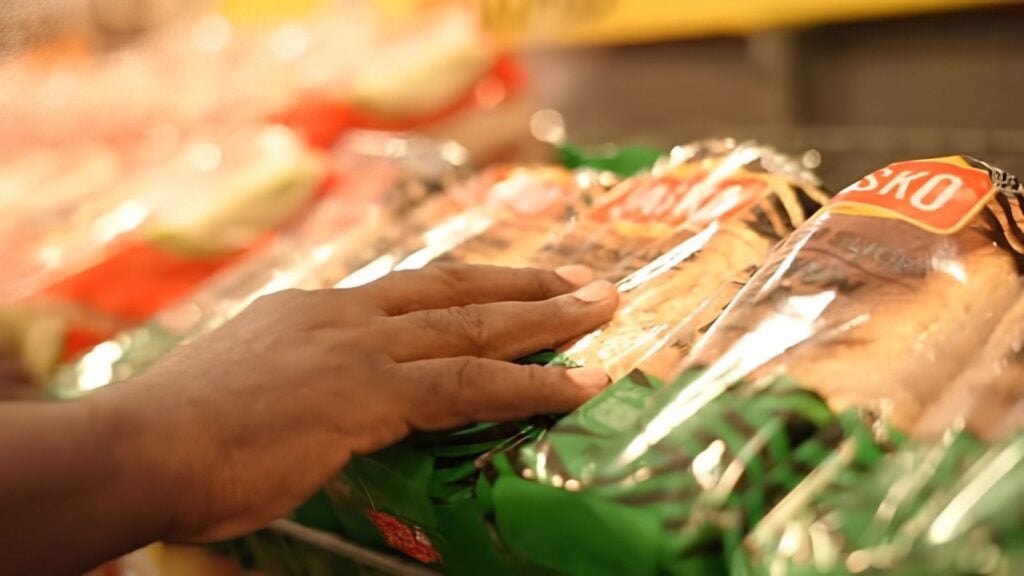
A standard 700g loaf of white bread in South Africa could cost around R45 by 2036 if current upper-end price trends continue.
This is according to a new analysis by data specialists at SEO Backlinks, which noted that while the projection is not a prediction of what shoppers will definitely pay, it serves as a warning.
“The analysis highlights how years of steady price increases could more than double the cost of one of the country’s most widely consumed staple foods,” it said.
The analysis used historical public pricing data to model how bread prices could change over the next decade.
It found that a loaf costing R19.61 on average in urban areas in May 2026 could reach R45.26 by 2036 under its highest growth scenario, which was rounded to R45.
Researchers compared the average urban price of a standard 700g white loaf in December 2019 (R13.51) with the equivalent price in July 2024 (R18.68).
This represented a total increase over a five-year period, which translated into an average annual growth rate of 7.7%.
Applying that annual increase on a compounded basis through to 2036 resulted in the R45 estimate.
The company stressed that this represents an upper-end scenario based on historical price movements rather than a guaranteed future retail price.
The analysis tested different growth methods using available public data before selecting the highest rate.
Statistics South Africa’s latest Consumer Price Index showed food and non-alcoholic beverage inflation slowed to 1.9% in May 2026.
However, the price of a standard white loaf still increased by 3.6% year on year, rising from R18.93 in May 2025 to R19.61 in May 2026.
Daniel Weston, founder of SEO Backlinks, said the exercise was intended to show how relatively small annual increases can accumulate over time.
“At R45, bread would take a much bigger bite out of routine food budgets, especially for larger families,” he said.
“The point of the projection is not to claim the price is certain, but to show how repeated annual increases can build into a serious household cost over time.” For many South African households, bread is purchased several times every week.
Significant pressure on households
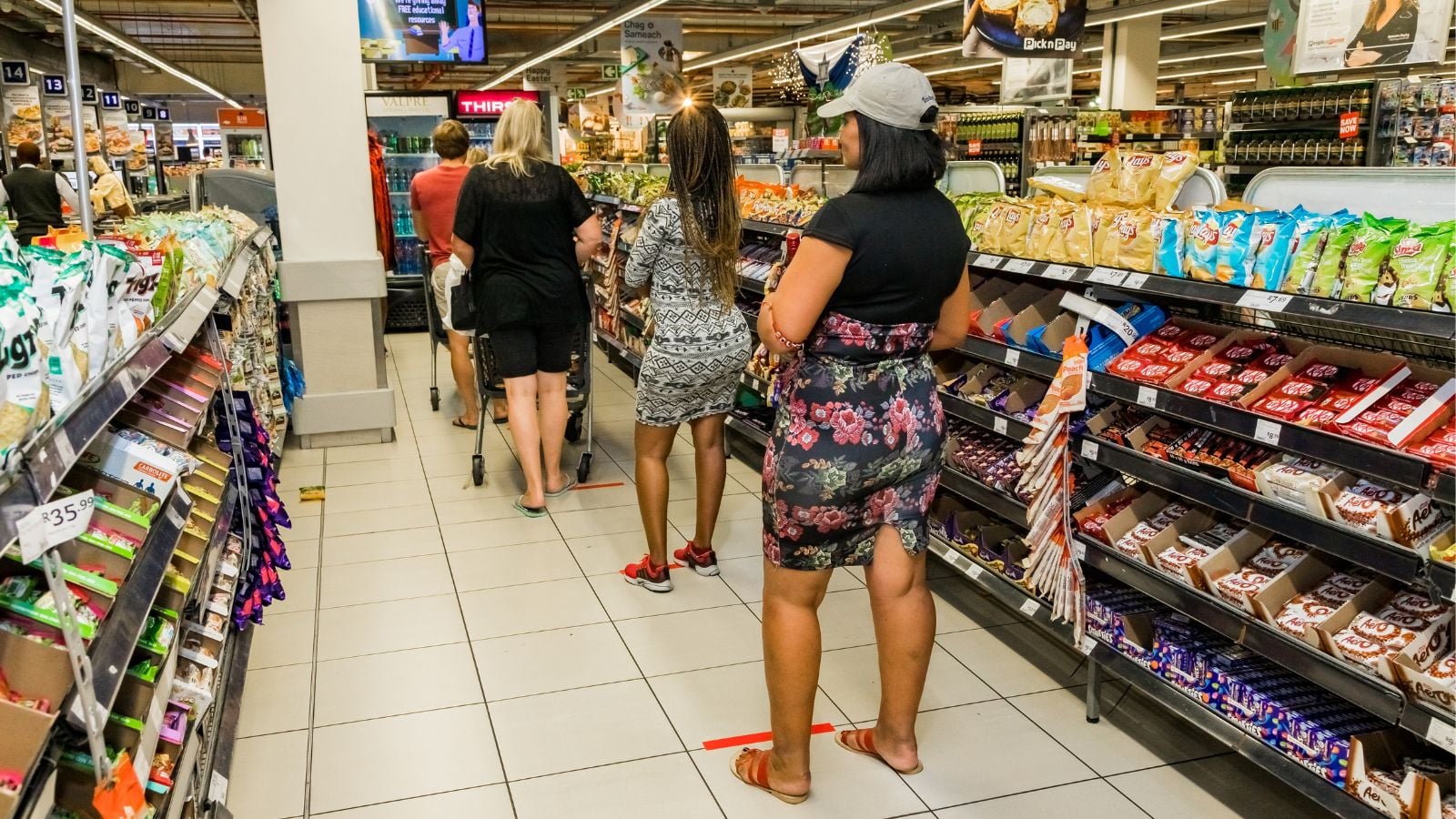
A family buying two or three loaves weekly would see a significant increase in monthly grocery costs if prices reached R45 per loaf, turning an affordable staple into a much larger recurring expense.
The analysis noted that while each individual price increase may appear modest, the cumulative effect of repeated increases in everyday essentials can place growing pressure on household budgets.
The implications are particularly significant for lower-income families, where food already accounts for a large share of monthly spending.
The Pietermaritzburg Economic Justice and Dignity (PMBEJD) group said affordability must always be viewed alongside household income rather than prices alone.
“Workers work to support their families. Workers reasonably expect to cover the costs of goods and services needed for dignity and household functionality off their wages,” the organisation said.
The group explained that most Black South African households rely on a single income to support an average of four people.
Because staple foods are purchased first, increases in their prices leave less money available for more nutritious foods such as meat, eggs, dairy products, fruit and vegetables.
According to PMBEJD, these core staple foods accounted for 53% of the cost of its Household Food Basket in June 2026, costing an average of R2,901.13.
The organisation warned that rising staple food prices force families to remove healthier foods from their diets, negatively affecting nutrition, health and child development.
It also highlighted the strain on minimum-wage households. After paying for transport and electricity, a worker earning the national minimum wage is left with too little money to afford a nutritionally adequate food basket.
PMBEJD said this leaves many families well below the country’s Food Poverty Line, illustrating how continued increases in basic staples such as bread could have serious consequences for South Africa’s most financially vulnerable households.


















 Loading ...