

The 214-year-old town in South Africa where some people are living like it’s 1890


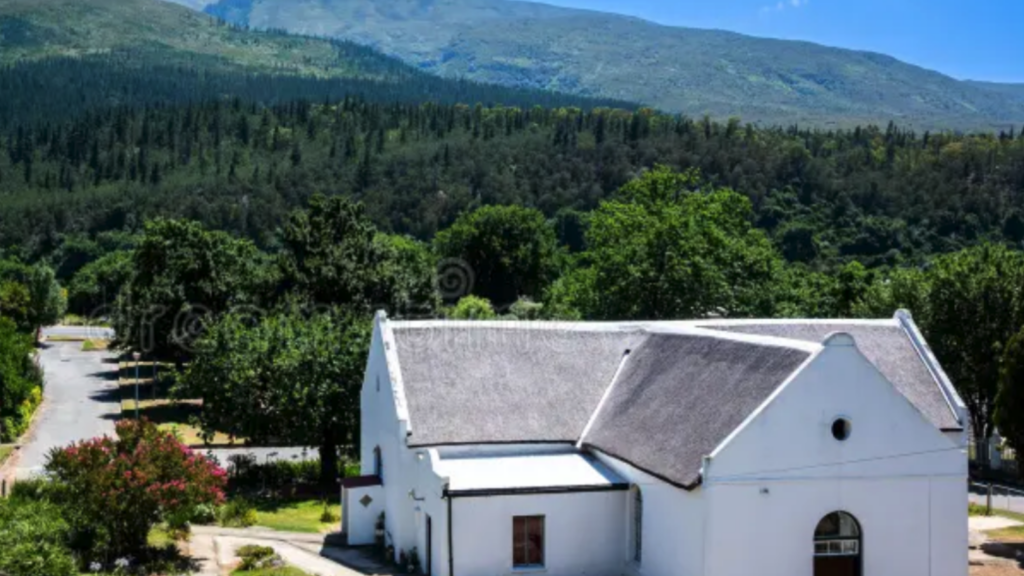
Suurbraak is a 214-year-old town in the Western Cape, originally established as a settlement for the Attaqua Khoi people.
In the town, many residents still cook on wood-burning stoves and use donkey-drawn ploughs, as well as horses and carts for transportation.
These methods harken back to a pre-electricity and pre-motor-vehicle age for South Africa—both of which were introduced in the 1890s.
South Africa first got electricity in 1880, using electric lamps before the first power station was built in 1891. The first car was imported to the country in 1896.
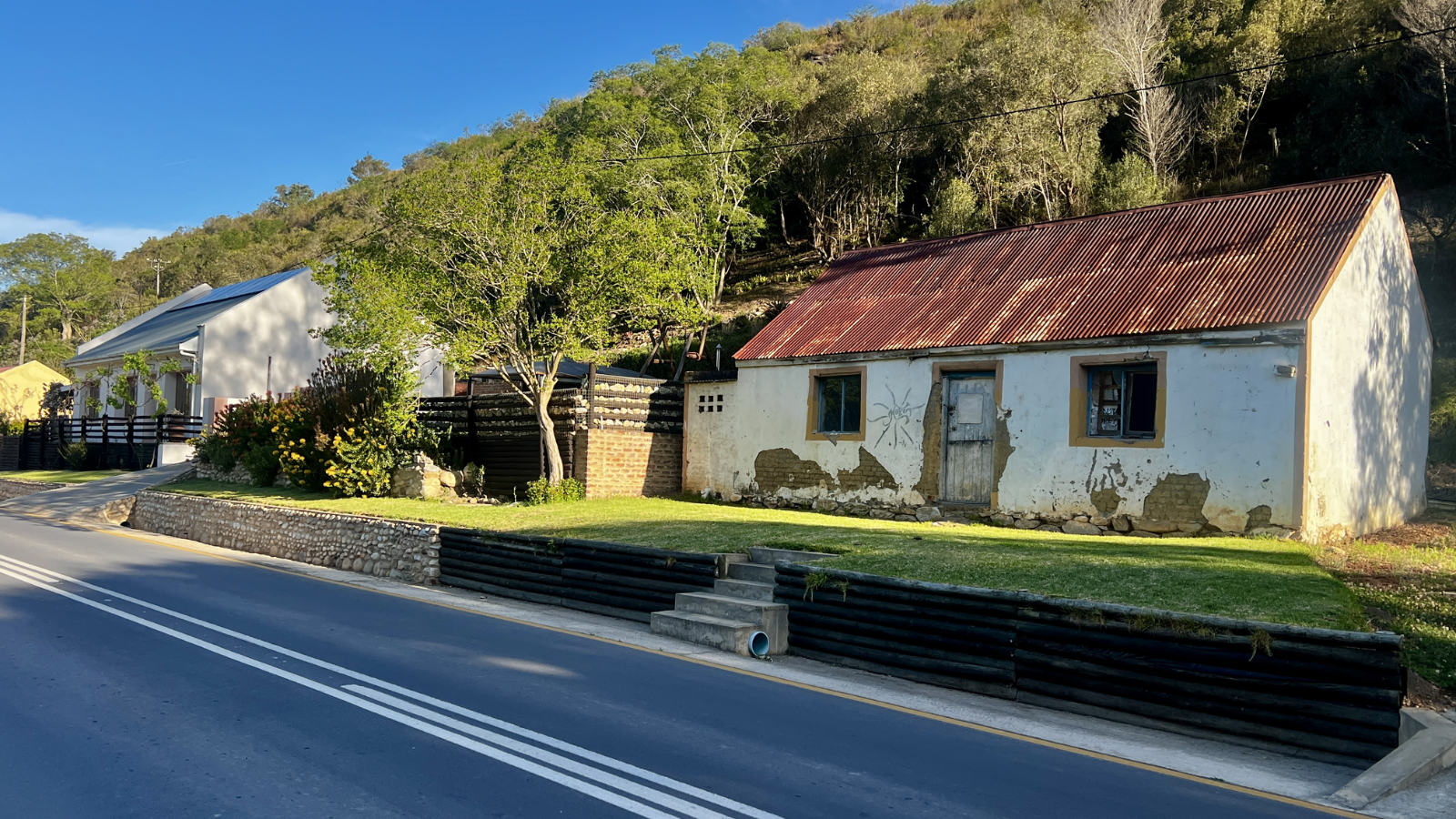
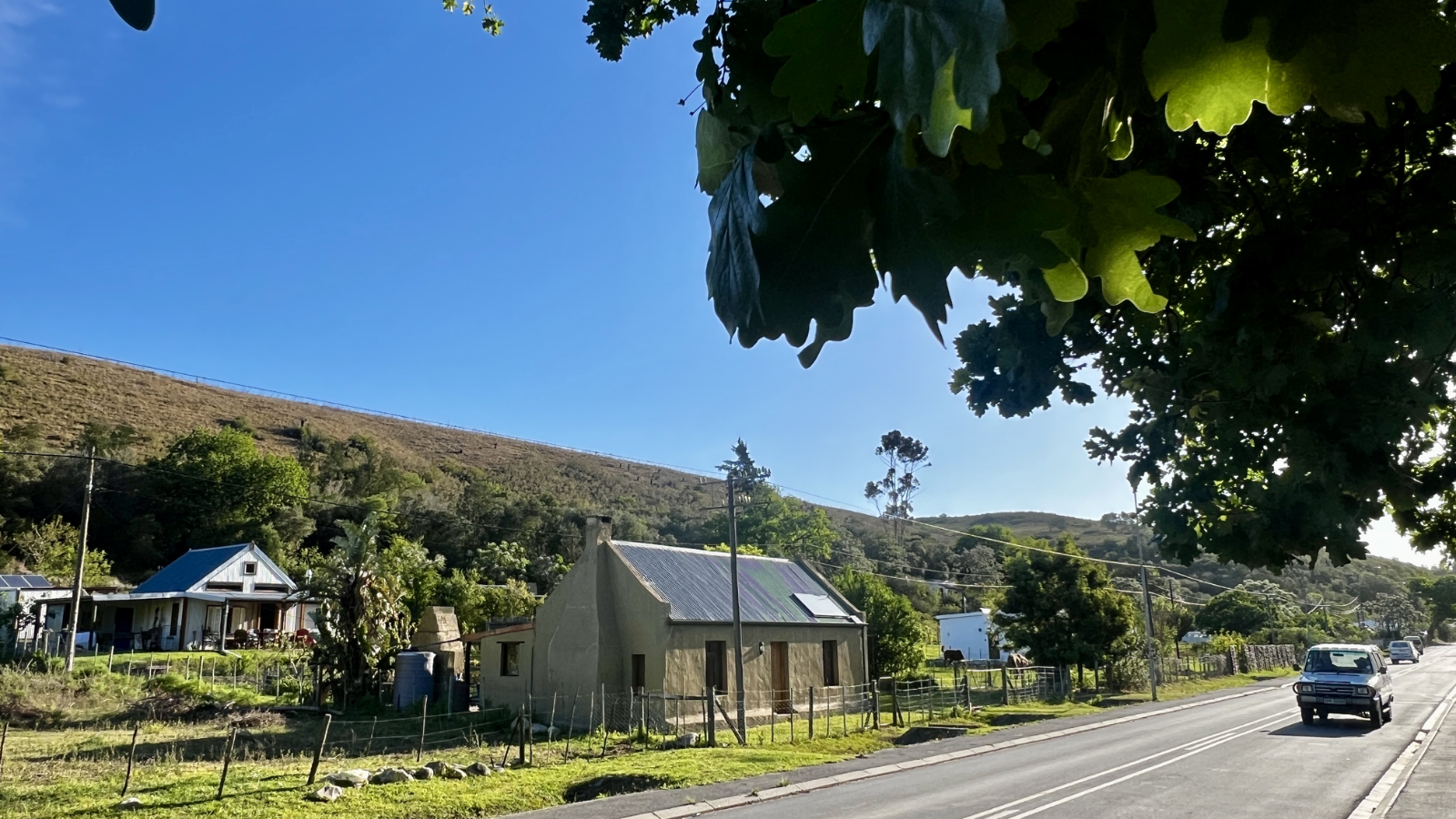
While many in the settlement still turn to these methods—which have become central to the region’s off-grid lifestyle and part of its charm—the town is connected to the national grid and has road infrastructure.
This includes a main regional route passing straight through the main settlement.
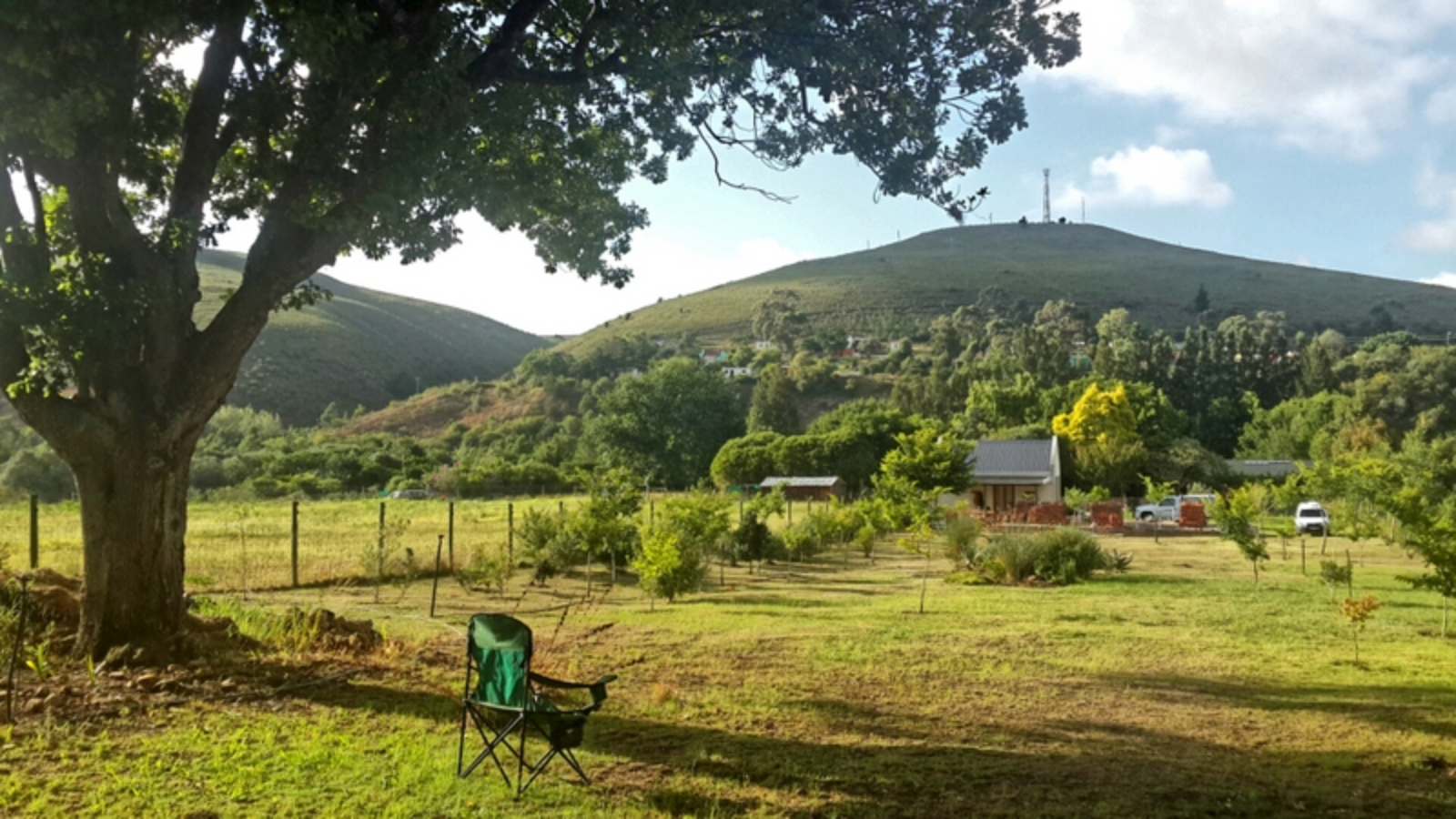
Suurbraak has a population of around 2,252 people, with the majority being Afrikaans speakers. It is situated in a valley at the foot of the Tradouw Pass, about 250 kilometres from Cape Town.
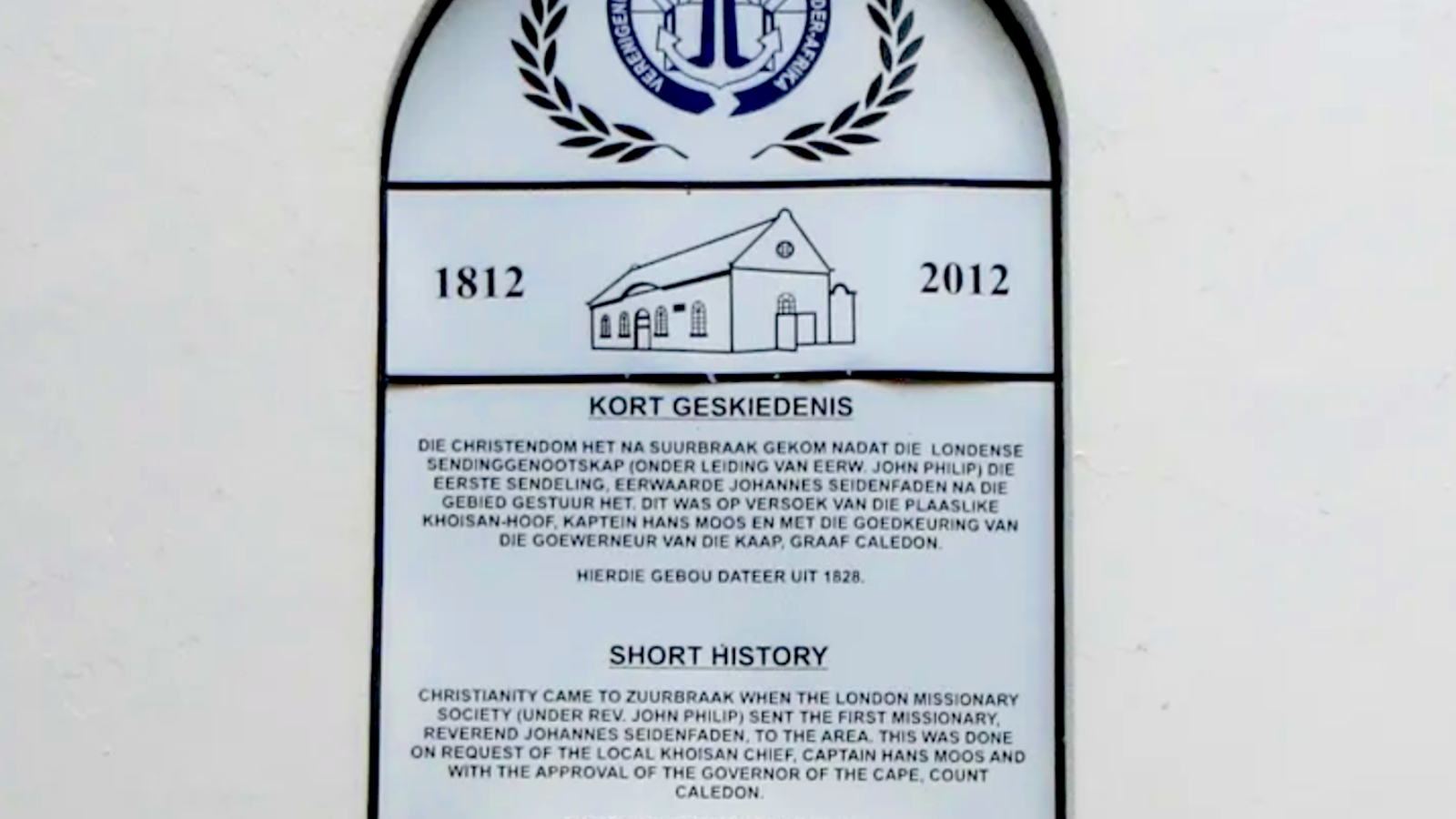
It was founded as a mission station in 1812 when the Khoi, led by Captain Hans Moos, invited Johannes Seidenfaden from the London Missionary Society to settle in the area.
Along with Mamre and Genadendal, it is one of the oldest mission stations in the country.
Seidenfaden remained there until 1825, after which Reverend Heinrich Helm took over and played a significant role in shaping both the spiritual and community life of the village.
Following Helm’s death in 1848, his son, Daniel Helm, continued the mission work.
Adjacent to the main town square are the original church, parsonage, and school, built by the London Missionary Society between 1828 and 1848.
A decade later, Cape Governor Sir George Grey granted the land to the inhabitants, which included the “Attaquas and freed slaves”.
In 1875, the mission was taken over by the Algemeene Sendingkerk, which is known as the Dutch Reformed Mission Church.
In 1880, a rift in the local congregation caused a split, leading to the construction of an Anglican Church. Today, both historic churches still stand as prominent features in the town square.
The ancient Khoi village
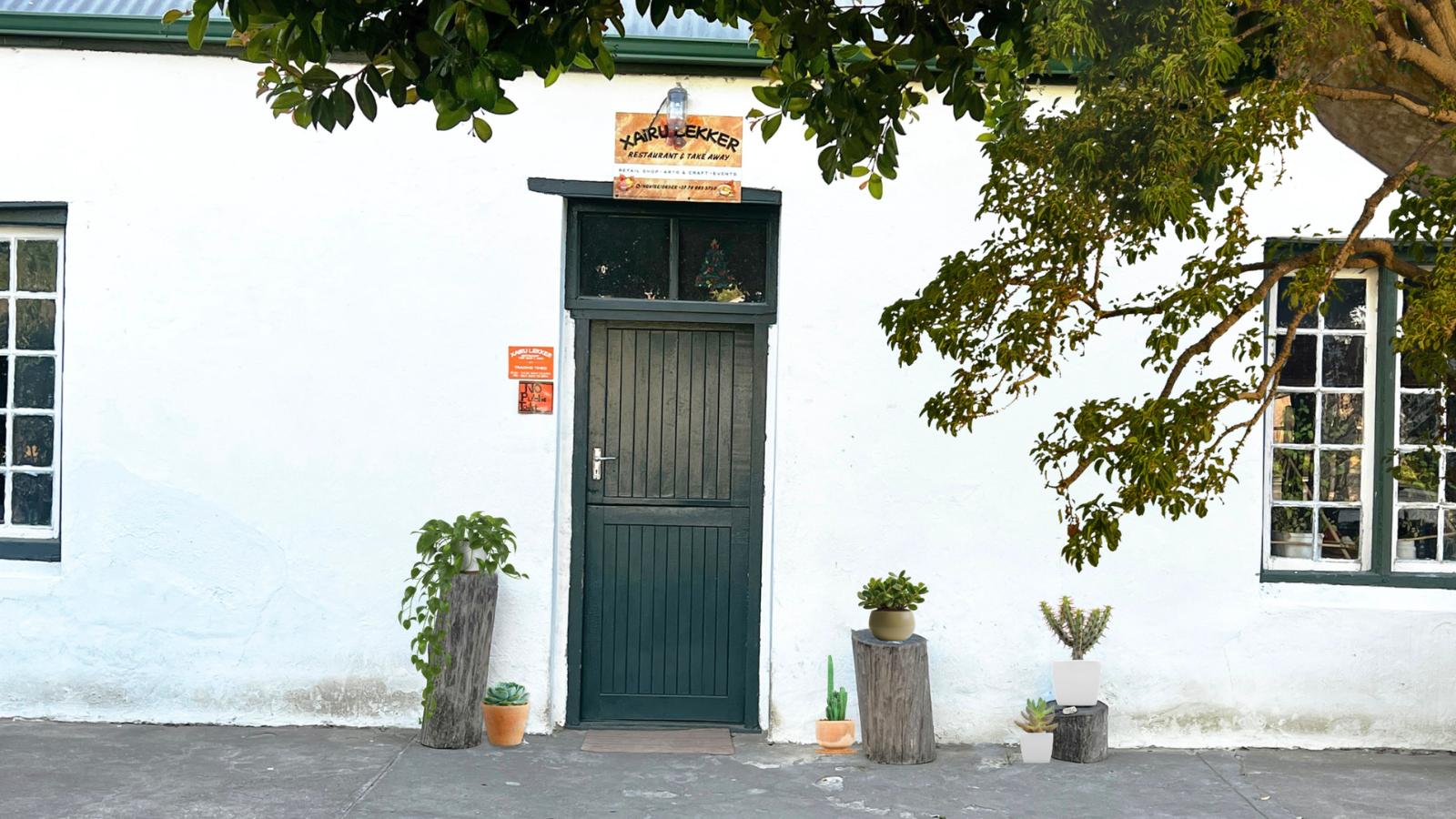
Suurbraak was referred to as ‘Xairu,’ meaning paradise, by the Quena tribe of the Khoi, who were the original inhabitants of the region.
The indigenous name of the town means “paradise,” while the Afrikaans name, Suurbraak, has a more literal meaning.
It translates roughly to “Sour Brake” or “Acid River/Fern.” This name reportedly refers to the local brackish, tannin-rich water of the Buffeljags River.
The Buffeljags River has a distinct rusty-brown, tea-like colour due to the mountain vegetation, though it is still considered safe to drink.
Suurbraak is known for its traditional woodworking. At local cooperatives like the Suurbraak Skrynwerkers, craftsmen still manufacture “Van Gogh-style” chairs by hand, using unseasoned canary pine and woven seats.
This is done through a traditional wood-turning method known as bodging. The town is also recognised as a popular destination for hikers and mountain bikers.
The Wonder Kloof, a significant geological formation within the Langeberg range, has been widely spoken of for its well-known and popular hiking trails.
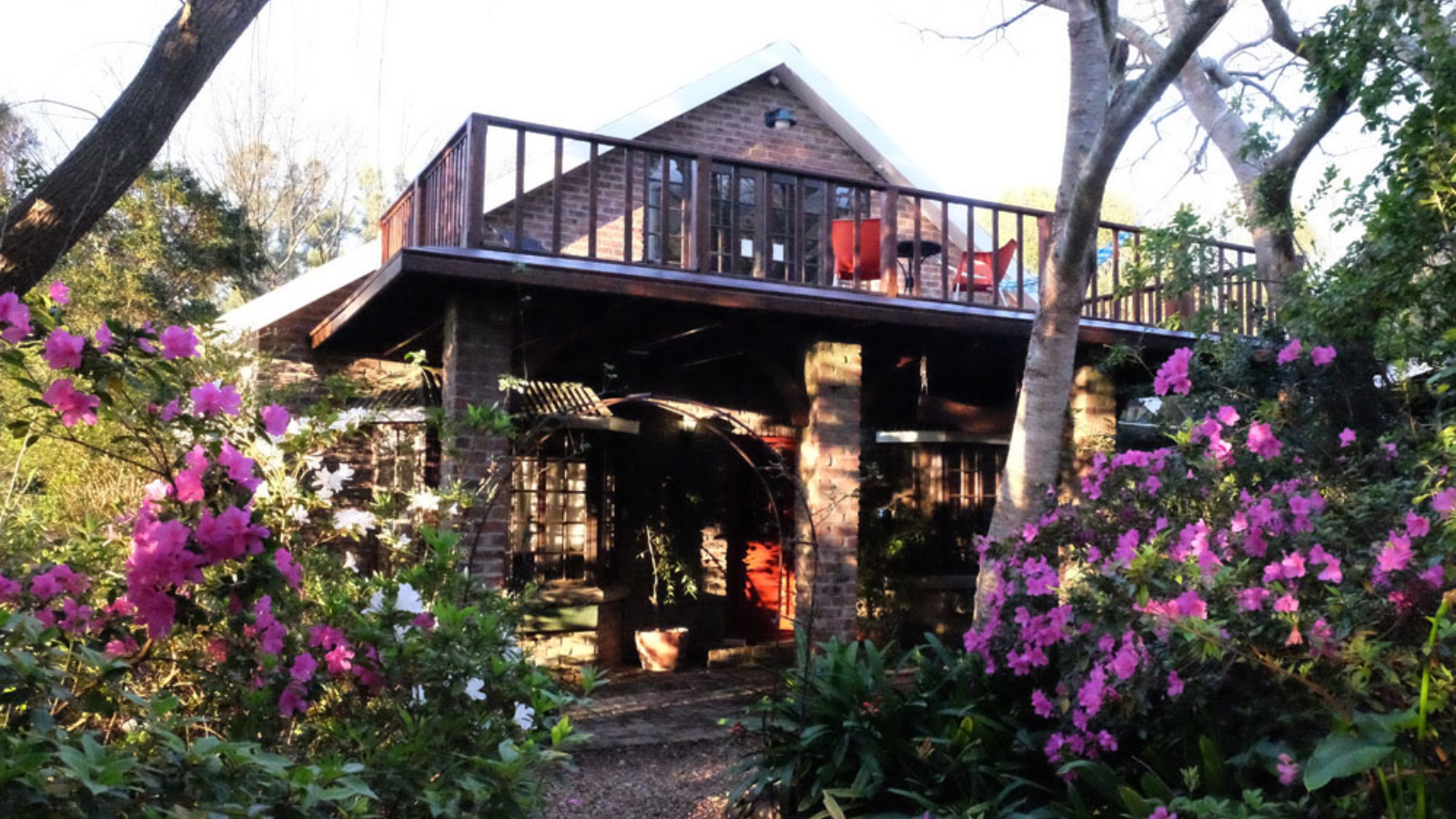
In terms of eco-tourism, the accommodation options range from local bed-and-breakfast establishments to eco-cabins.
The Tradouw Pass near Suurbraak is a popular 17km asphalt road trail located near Barrydale.
In 1868, the Cape administration decided to build a road through a pass and appointed Thomas Bain to oversee its construction.
The road was built using convict labour. In 1873, Cape Governor Sir Henry Barkly officially opened the route and initially named it Southey Pass in honour of magistrate Robert Southey.
However, the name was not well received, and it eventually became known as Tradouw Pass. This route traverses cliffs covered with fynbos, leading down into Barrydale.
The name “Tradouw” is derived from the Khoi words “tarras,” meaning ‘women,’ and “doas,” meaning ‘poort’ or ‘the way through.’
This terminology was reportedly first used by those who travelled the route through the Langeberg mountains.
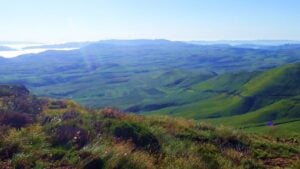
Photos of Suurbraak:















 Loading ...