

Shoprite coming after Pick n Pay and Spar in South Africa


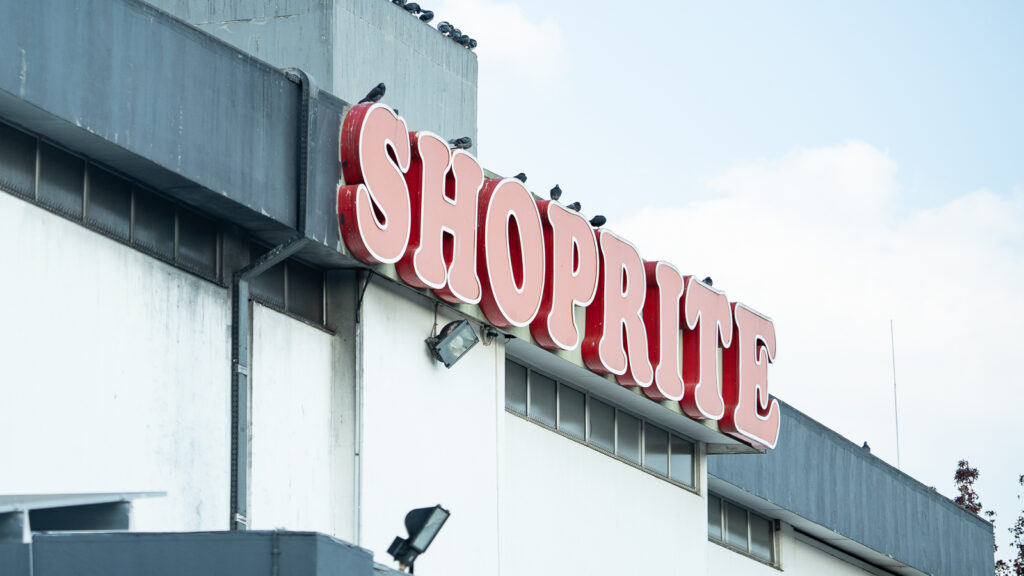
Shoprite is boosting demand with competitive prices as South Africans change how they spend and what they spend on.
South African consumers are currently facing significant financial challenges, primarily due to escalating fuel prices and increased interest rates.
Despite this challenging environment, Foord Asset Management Equity Analyst Dhersan Chetty said that grocery shoppers continue to spend, although their spending habits have changed significantly.
South Africans are adopting more prudent shopping behaviours, which include actively seeking promotions, opting for more affordable brands, and shopping at retailers that provide the most competitive pricing.
This transformation in consumer purchasing patterns has resulted in a pronounced distinction between successful and underperforming grocery retailers.
Chetty said that retailers such as Shoprite, particularly its Checkers brand, and Boxer are experiencing notable success.
“This trend has helped Shoprite and Boxer gain share from Pick ‘n Pay and Spar, which have faced both market pressure and internal challenges,” he said.
“Being price competitive is no longer enough. Retailers also need the right format, stock availability, data and customer loyalty to turn value into repeat business.”
He explained that this is due to effectively attracting customers by offering low prices, leveraging advanced technology to provide targeted discounts, and delivering highly convenient grocery delivery services.
Chetty explained that Shoprite’s Checkers brand has excelled in this regard; its scale provides significant buying power, and its data analytics enable more targeted promotion.
The Sixty60 platform has also shifted customer perceptions of Checkers, transforming it from merely a middle-income supermarket chain to a convenient grocery option for many.
For some consumers, it has replaced their weekly shopping trips to Pick ‘n Pay or quick stops at Spar.
This change is not confined to online shopping; once customers alter their perceptions of a brand, it can influence their in-store shopping habits as well.
He noted that retailers such as Pick ‘n Pay and Spar are experiencing a decline in customer loyalty as they lose market share to more competitive players.
Clothing sector may take a hit
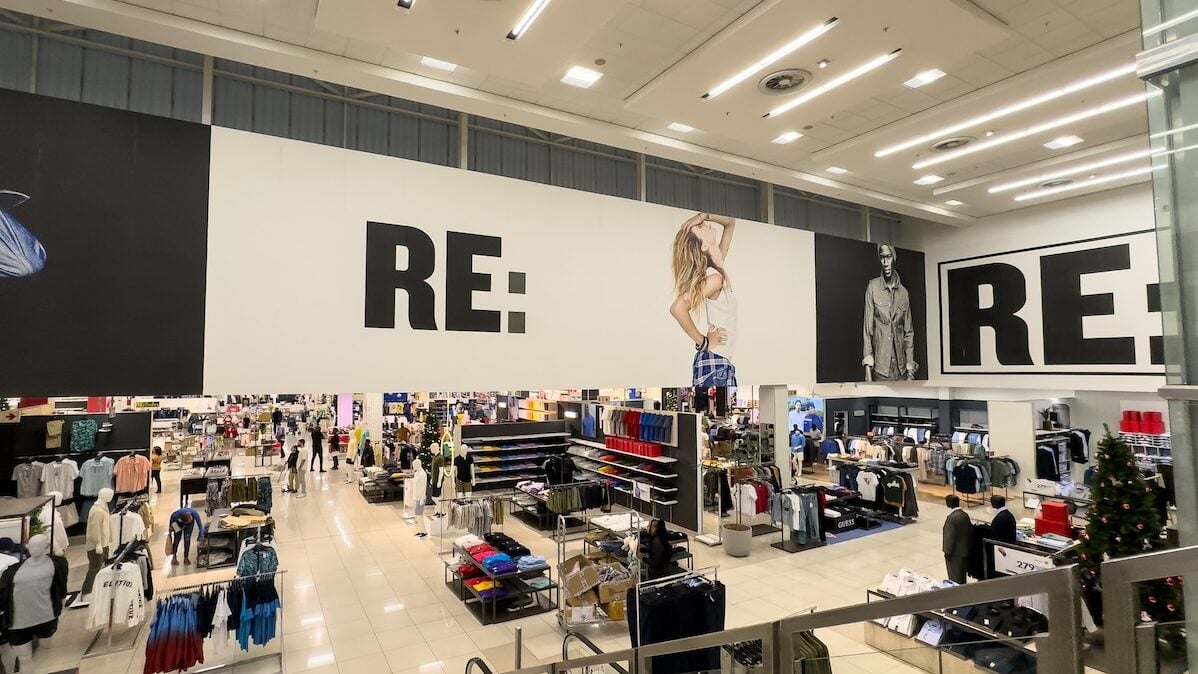
According to Chetty, the clothing sector poses the greatest challenge for retailers, as it is more discretionary and faces intense competition from China.
In contrast, the food retail sector remains relatively safer, though even here, the leading companies are distinguishing themselves from the rest.
“Pick ‘n Pay subsidiary Boxer is winning in a different way. Its discount grocery model is built on a narrower product range, high volumes and low prices,” Chetty said.
He explained that this appeals to shoppers managing tight household budgets, and to suppliers that need scale.
Boxer is expanding from a low market-share base in both attractive nodes and rural or semi-urban areas where formal retail remains underpenetrated.
Woolworths presents a different scenario. Its food business has maintained resilience due to high product quality, brand trust, and a loyal base of middle- to upper-income customers.
However, Chetty highlighted that its online offering lags behind Sixty60, particularly in delivery availability.
While the Woolworths brand remains strong, the convenience gap has become significant as consumer shopping habits evolve.
Private label supermarket sales should, in theory, benefit from price-conscious consumers. However, in practice, growth has been slower than expected.
Penetration of private label products is already reasonably high in South Africa, while local production capacity is limited.
Branded food producers are responding by cutting costs, simplifying packaging, and launching cheaper product variants, which narrow the gap between branded and private-label items.
Lower oil prices may offer some immediate relief to households and retailers’ transport costs, but the benefit is unlikely to reverse the full petrol price increases that followed the on-again-off-again US-Iran war.


















 Loading ...