

Dark clouds gathering for anyone paying for medical aid in South Africa


South Africa is facing a growing medical aid affordability crisis, driven by healthcare costs that continue to rise much faster than inflation.
This trend is unlikely to change, as medical schemes battle rising healthcare demand and worsening economic conditions.
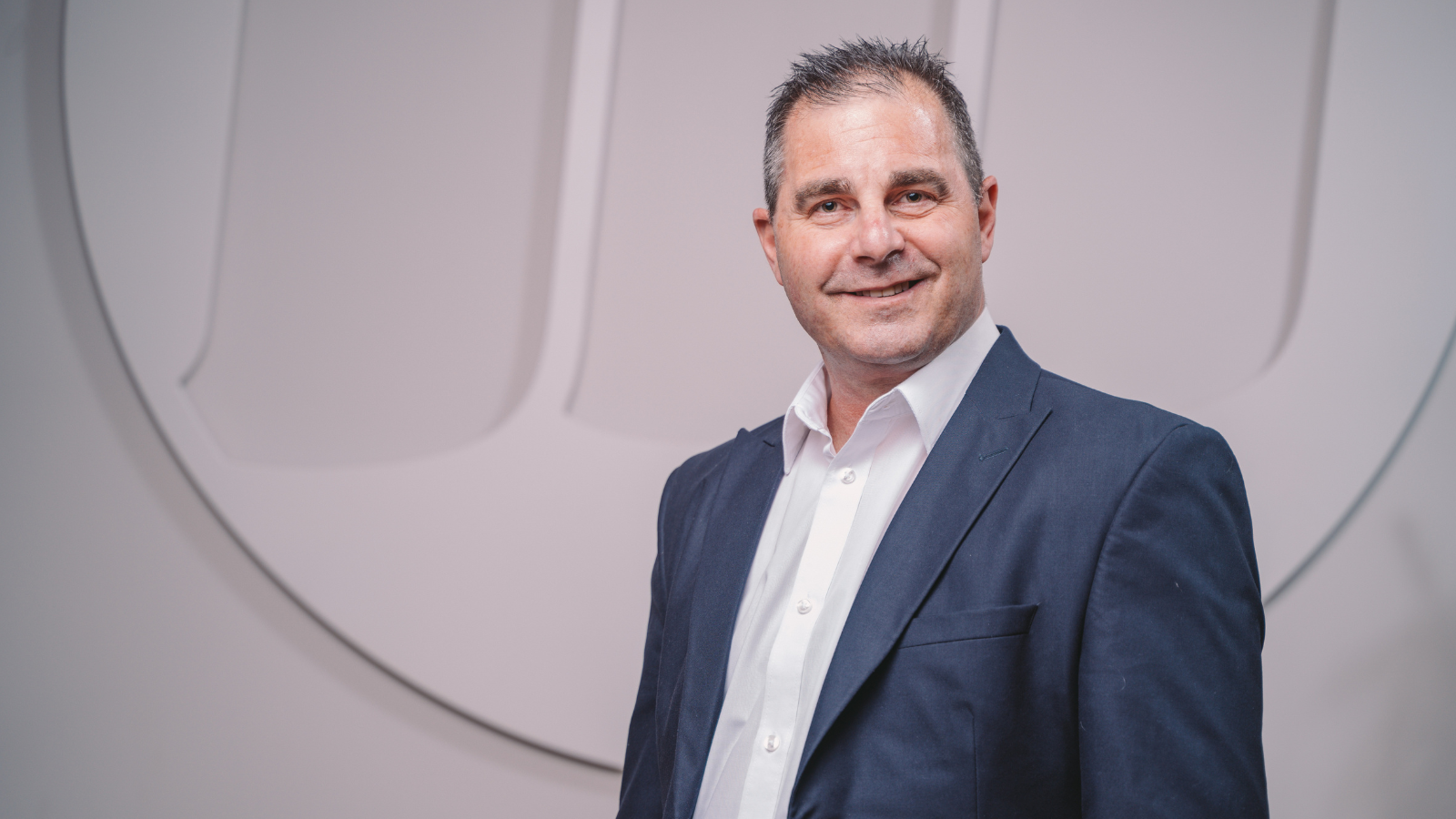
Kevin Aron, Principal Officer at Medshield Medical Scheme, said South Africa’s healthcare challenges are similar to those seen globally, with lifestyle-related illnesses placing increasing pressure on healthcare systems.
“We’re not a healthy country. Here are growing concerns of cholesterol, hypertension, hyperlipidemia, and increasingly mental health,” he said in an interview with BusinessDayTV.
However, Aron said South Africa’s weak economy makes the situation even more severe.
“The South African market is just doing so badly,” he said, noting inflation of around 5%, unemployment of roughly 33%, and widespread poverty.
“At the same time, essential services are increasing at rates well beyond inflation, with electricity tariff increases as an example.”
“What you actually have is you’ve got a major affordability problem. You’ve got an unemployment problem. You’ve got a market and industry that’s not growing,” Aron said. “That puts huge pressure on medical aids in terms of affordability.”
He explained that more South Africans are opting for the cheapest medical aid plans because they simply cannot afford more comprehensive cover.
“What we find is that almost R3,000 is the cap. Any option that’s above R3,000, almost nobody’s joining,” he said.
Additionally, scheme members are increasingly suffering from chronic illnesses, resulting in higher healthcare costs.
“They’re consuming more healthcare spend, and much of this is linked to poor diet, lack of exercise, and growing mental health challenges,” Aron said.
Aron said one of the biggest concerns is the “missing middle”—working South Africans who earn too much to qualify for public healthcare but cannot comfortably afford private medical aid.
“You have people who can’t afford anything above R3,000 a month for medical aid, and even that’s a stretch for them,” he said.
Keeping premium increases to CPI is practically impossible
As a result, these members join the lowest-cost options available, despite their healthcare needs often exceeding what those plans are designed to cover.
“They can’t afford anything better, but their health needs are such that they actually need more than just the very minimum,” Aron said.
He explained that this creates financial strain for medical schemes, with some members contributing around R1,700 per month while consuming roughly R3,500 in healthcare benefits.
Aron also criticised the lack of progress on introducing low-cost medical scheme benefit options.
He said medical schemes have repeatedly submitted proposals for plans costing between R300 and R400 per month, but the regulator has rejected them.
“Our medical scheme, year after year, submits proposals to the Council for Medical Schemes for a low-cost benefit option, and they just get rejected outright,” he said.
Turning to annual contribution increases, Aron said medical inflation has consistently outpaced consumer inflation for many years, making CPI-linked increases unrealistic.
“Medical inflation, for as long as I remember, has typically been almost double CPI,” he said.
Because medical schemes are legally required to remain financially sustainable, he said, matching the regulator’s CPI-based recommendations is “practically impossible.”
“If you do that, you’re basically going to destroy medical schemes’ long-term sustainability,” Aron warned.
While schemes are acutely aware of affordability pressures, Aron said they still have to ensure they remain financially viable.
“We are all very aware of the affordability issue, and we do our absolute best to try to manage contribution increases as close to CPI as possible,” he said.

















 Loading ...