

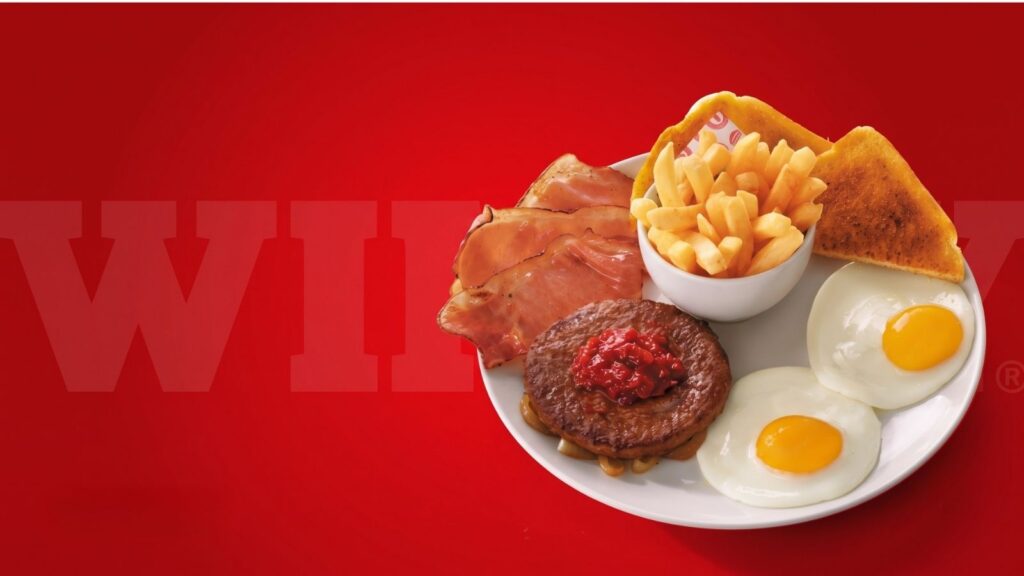
A Wimpy breakfast for R190 in South Africa


This article was updated with the correct figure for the Wimpy Mega breakfast meal price in October 2021, which was R94.90 and not R52.90. This changed the annual increase projection from 25% to 5% per annum. The changes are reflected in the article.
A Wimpy Mega Breakfast could cost as much as R190 by 2036 if its recent pace of price increases were to continue.
The projection was conducted by analysts at a UK digital agency, and it is based on publicly available menu prices. It should not be interpreted as a prediction of Wimpy’s future pricing.
It illustrates what could happen if the average rate of increase observed over the past five years continued for another decade.
According to the analysis, the price of a standard sit-down Wimpy Mega Breakfast increased from R94.90 in 2021 to R119.90 in 2026. This works out to an average annual increase of 5%.
If prices were to continue rising at the same annual rate over the next 10 years, the cost of breakfast would reach approximately R190 by 2036.
The comparison is based on the same standard sit-down Mega Breakfast and excludes promotional offers, delivery prices, Halaal variants, and drink substitutions to ensure a like-for-like comparison.
The 2021 price was taken from an October 2021 Montecasino Wimpy menu, while the 2026 figure came from a publicly available South African menu listing.
Daniel Weston, founder of the agency, said the exercise is intended to demonstrate the impact of sustained price increases rather than forecast Wimpy’s menu prices.
“This is a conditional projection, not a claim about Wimpy’s planned pricing, and it shows why households notice restaurant bills even when each individual rise seems manageable.”
For many South Africans, Wimpy breakfasts have long been associated with family road trips, weekend outings and holiday traditions.
While the R190 figure is hypothetical, it serves as a reminder of how inflation and repeated price increases can affect discretionary spending over time.
Actual menu prices will depend on a range of factors over the coming years, including inflation, operating costs, competition and business pricing decisions.
Weston said families should continue to compare current menu prices, promotions, delivery charges, and branch-specific offers when budgeting for meals out.
South Africans are cutting back on eating out
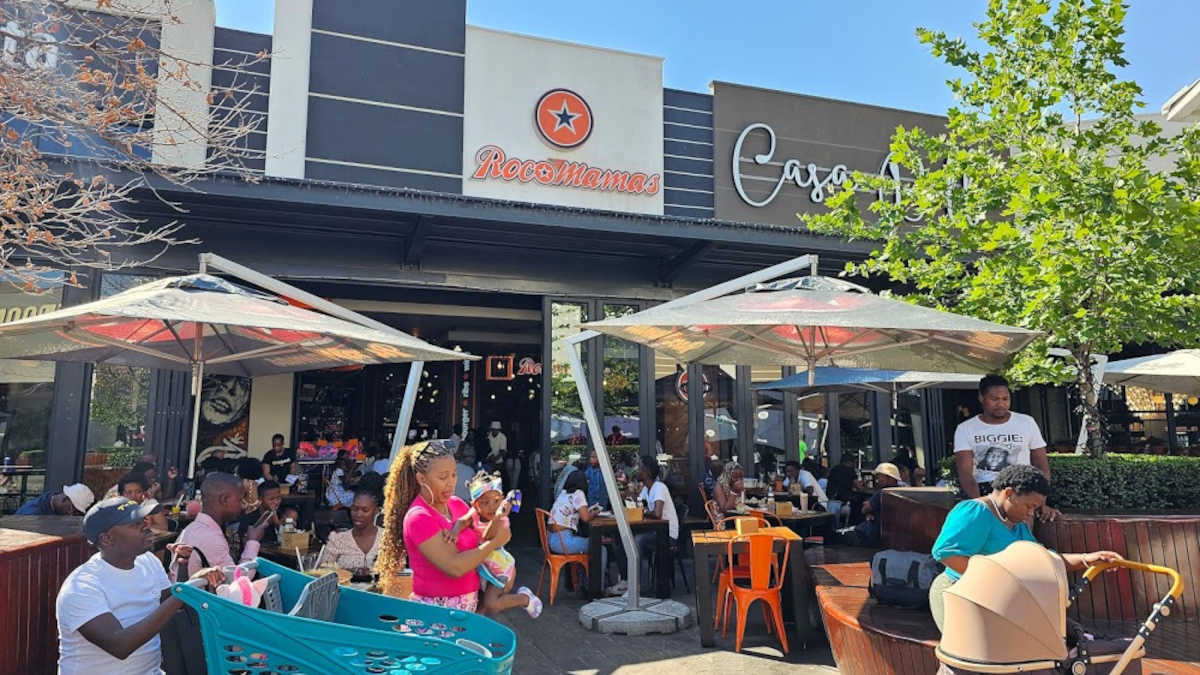
The analysis comes as South African households continue to face financial pressure, with eating out increasingly becoming an area where consumers are cutting back.
Recent findings from TransUnion’s Consumer Pulse Study for the second quarter of 2026 show that many households remain under strain despite signs that financial conditions have stabilised compared with a year ago.
Only 43% of respondents said their finances were better than expected, while 40% reported being worse off than planned, reflecting what TransUnion described as “persistent strain rather than deterioration.”
Inflation remains consumers’ biggest concern, with 79% of respondents ranking it among their top three worries.
According to the credit bureau, the continued gap between income growth and inflation has forced many households to rethink their spending priorities.
As a result, discretionary expenses have been among the first to be reduced. More than half of respondents (53%) said they had already cut spending on dining out, travel and entertainment over the past three months.
Consumers have also scaled back in other areas. Around 24% cancelled or reduced spending on digital services such as internet, cable television or wireless services, while 28% cancelled subscriptions or memberships.
Looking ahead, many households expect to tighten their budgets even further.
About 33% anticipate reducing spending on medical care and services, 37% expect to spend less on bills and loan repayments, 36% plan to cut contributions to retirement savings and investments, and 30% expect to reduce retail purchases.














 Loading ...