

South Africa has finally turned the corner


The National Treasury says that, from a fiscal standpoint, South Africa has turned the corner, helped by the South African Revenue Service’s bumper start to the year.
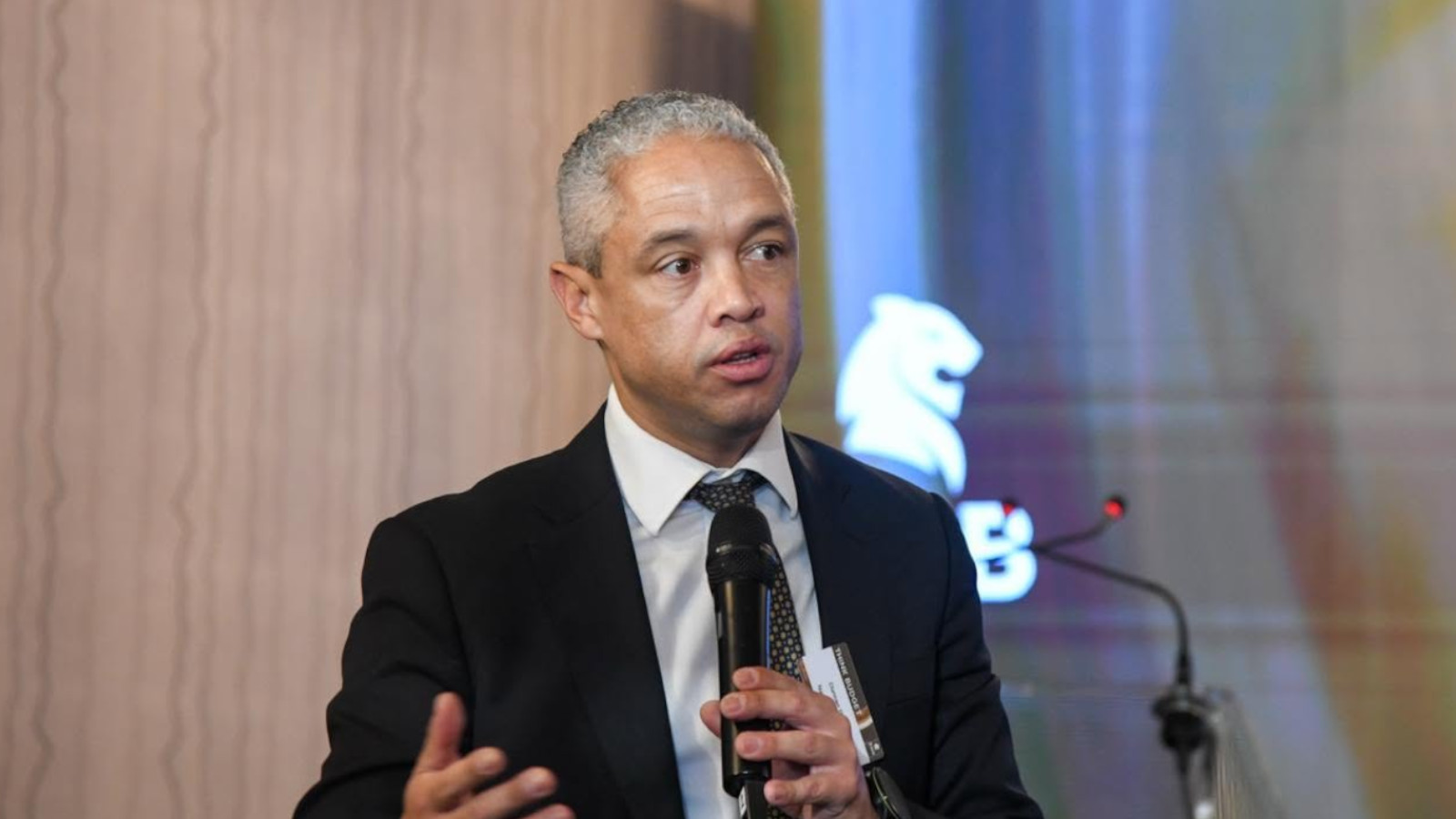
Speaking at the Absa Consumer Conference this week, National Treasury Director General Duncan Pieterse painted a bright and optimistic picture of South Africa’s current fiscal trajectory.
Despite the decidedly negative and chaotic turn in global markets this year due to the United States-Iran War, South Africa’s economic metrics have moved in the opposite direction, he said.
The country has run primary budget surpluses for three consecutive years—each year growing—fiscal targets and promises are being kept, and borrowing costs are declining.
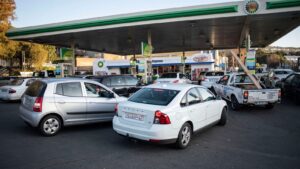
Outside the fuel price shock caused by the war, the country’s headline inflation rates have been moving towards the Reserve Bank’s new 3% target, Pieterse said.
Importantly, these trends have been acknowledged by global ratings agencies, which, contrary to global trends, have made positive rating moves on South Africa’s sovereign.
S&P upgraded South Africa’s rating soon after the Medium Term Budget in November, becoming the first rating agency to do so in 16 years.
Moody’s upgraded its outlook on South Africa in May, even after the US-Iran war broke out. Fitch then unexpectedly upgraded the rating without the usual step of putting it on a positive outlook first.
“This is an endorsement of our view that we are on track with the fiscal strategy, despite global upheavals,” Pieterse said.
“From a fiscal perspective, we believe we have turned the corner.”
SARS is raking in billions in tax
Pieterse also highlighted the outstanding performance in tax collection so far, noting that revenue for the current financial year has exceeded expectations.
This comes off the previous year, where a record R2 trillion in tax was collected.
“We have just released the monthly numbers for June, which is a big month for corporate income tax collections, and our revenue collections are running ahead of our Budget estimates for the year to date,” he said.
Tax revenue collections over the first quarter of April to June 2026 grew at 9.2% compared to the same period a year ago, while provisional corporate tax collections are 25.2% higher, he said.
This revenue growth has occurred despite much lower fuel levy collections due to the fuel levy relief in place over the same three-month period.
“These robust revenue collections will help to buffer the fiscal framework. But we are also firmly focused on making government spending more efficient and more effective,” Pieterse said.
He said the government was implementing reforms and cutting underperforming programmes to direct money to other spending needs.
The cost-cutting has yielded an initial R12 billion of savings in the latest fiscal year, but Pieterse said he expects this to ramp up over the medium term.
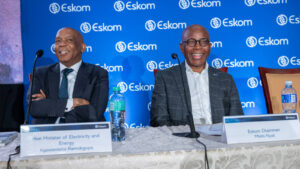
Other reforms aimed at saving costs include identifying ghost workers, verifying social grant recipients, and implementing operational improvements at state-owned companies like Eskom and Transnet.
These, he said, will bring a ‘new era of fiscal sustainability’, and will establish a strong base for higher economic growth and job creation.
“However, to take full advantage of this opportunity, fiscal credibility must be combined with the reforms required to support higher economic growth and investment and faster job creation,” he said.
This includes accelerating the reversal and repair of collapsing local governments and attracting more private-sector and foreign investment to the country.
“We need higher rates of investment and growth. And we need to fix state capacity at local government level,” he said.
“None of this is easy. But the steps we are taking will create a more favourable environment for investment and for consumers in the coming years.”












 Loading ...