

United States shock gives huge boost to the rand


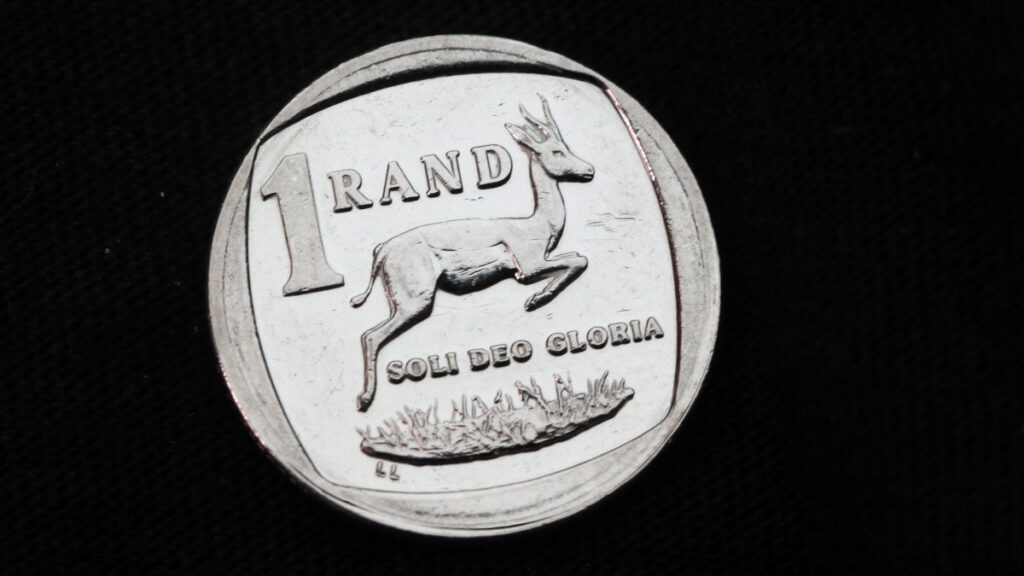
The rand strengthened late on Friday (7 August) following shock jobs data from the United States, which softened the dollar and boosted gold.
The rand hit R16.15 to the dollar after the jobs report, pushing towards the R16/$ resistance level it last crossed before the US-Iran war broke out at the end of February.
The US Bureau of Labour Statistics reported the United States economy had shed 23,000 jobs in July, a shock reversal from the roughly 80,000 to 95,000 gain economists had forecast.
The US unemployment rate ticked down to 4.1% from 4.2%, but that improvement was overshadowed by steep downward revisions.
June’s already modest gain was cut to 20,000 from 57,000, while May’s total was slashed nearly in half to 66,000 from 129,000.
Weak US jobs data usually boosts emerging market currencies as it weakens the dollar. It also tends to push the US Federal Reserve towards looser monetary policy.
The US Fed held interest rates earlier this week—also boosting the rand—with analysts now saying that previously expected rate hikes are unlikely.
According to Nigel Green of the DeVere Group, the jobs data makes a rate hike for the United States difficult to justify.
“Three consecutive months of softening data is not noise. It’s a labour market losing momentum in a way policymakers cannot responsibly ignore,” he said.
The DeVere CEO noted that markets are already repricing accordingly, which was also evident in the rising gold price.
Gold rose over 2.5% on Friday to $4,346 an ounce. The price had been rallying ahead of the release of the jobs data, an indication that safe-haven sentiment was shifting.
“Gold was rallying into this release, and reports of weak hiring will likely extend that move further,” Green said.
“When a currency loses support at the same time a safe-haven asset gains it, that combination tells you plainly which way sentiment has shifted.”
Green said that the dollar was the clearest early casualty of the surprise jobs numbers.
“Fewer jobs and slower wage growth reduce the case for tighter policy, and the dollar tends to weaken quickly once markets stop pricing in a hike,” he said.
“Investors who spent recent weeks preparing portfolios for a September increase now need to unwind that positioning fast.”
South African jobs numbers to follow

Stats SA will publish its own jobs data next week, with the Quarterly Labour Force Survey for the second quarter of the year due on Tuesday, 11 August.
According to economists at Nedbank, the QLFS is likely to show a modest deterioration in the unemployment rate in Q2.
The unemployment rate in South Africa increased by 1.3 percentage points to 32.7% in the first quarter of 2026, as 301,000 people lost their jobs.
The official jobless rate has been above 30% for more than five years and is among the highest in the world.
“Surging fuel costs and heightened uncertainty—stemming from the effects of the escalation in the US-Iran war and the subsequent blockage of the Strait of Hormuz likely weighed on business confidence,” the bank said.
This environment appears to have encouraged firms to adopt a cautious, wait-and-see stance, delaying significant capital expenditure decisions, including hiring.
At the same time, the labour force continues to expand due to a low labour absorption rate, the influx of new entrants into the labour market, and previously discouraged workers re-entering the job market, Nedbank said.

















 Loading ...