

Severe weather causes more problems than expected in South Africa’s biggest city


City Power reported over 6,000 power outages in Johannesburg after severe weather conditions had placed pressure on the grid.
The number of power outages doubled overnight, from 3,000 on Tuesday night to over 6,000 by Wednesday morning.
The utility said that adverse weather conditions are delaying its response times, while lower temperatures across the province have also driven up the demand for electricity.
City Power spokesperson, Isaac Mangena, said that the demand for electricity spiked beyond what the utility had originally expected, which put additional pressure on the grid.
“This is really putting pressure on our systems, especially in the Hurst Hill area, following the outage that happened at the Delta substation on Monday night. That shot up the numbers, with customers demanding answers,” Mangena said.
Mangena told ENCA that City Power teams had been working throughout the night to restore electricity cuts in the affected areas.
“We have all hands on deck, including internal technicians, operators and contractors, so we can be able to respond timeously,” said Mangena.
According to Mangena, City Power’s issues have worsened due to ageing infrastructure, the effects of load-shedding on municipal systems, and contractor delays.
“We are still running old infrastructure within the City of Johannesburg, and the recovery of loads is not as fast as it is supposed to be,” said Mangena.
“This is partly due to a lack of investment in improvement and maintenance,” he said.
The problem of unpaid contractors has also had a significant impact on City Power’s operations.
“We cannot respond as fast as we should because of some of those outstanding payments to our contractors,” said Mangena.
“Our material stock reserves are also depleting faster than we can replenish them. We are hoping that by tomorrow, we should be able to move the needle so we can restore power to those affected,” he said.
Mangena also highlighted that the utility was experiencing a delivery crisis.
“The teams have held their own since the demand started. We are also putting more teams on the ground, and we’ll concentrate on those areas that have the highest number of outages,” he said.
In addition to the utility’s problems, Mangena highlighted the impact of climate change.
“Each time you have a stormy season, we have problems. Now we’ve been hit by this big cold snap,” said Mangena.
“The pressure on the grid is big time. We can’t keep having this on and off all the time,” he said.
Severe weather warnings for South Africa
South Africans have been warned that severe winter weather is disrupting major roads across the country starting Tuesday, August 11.
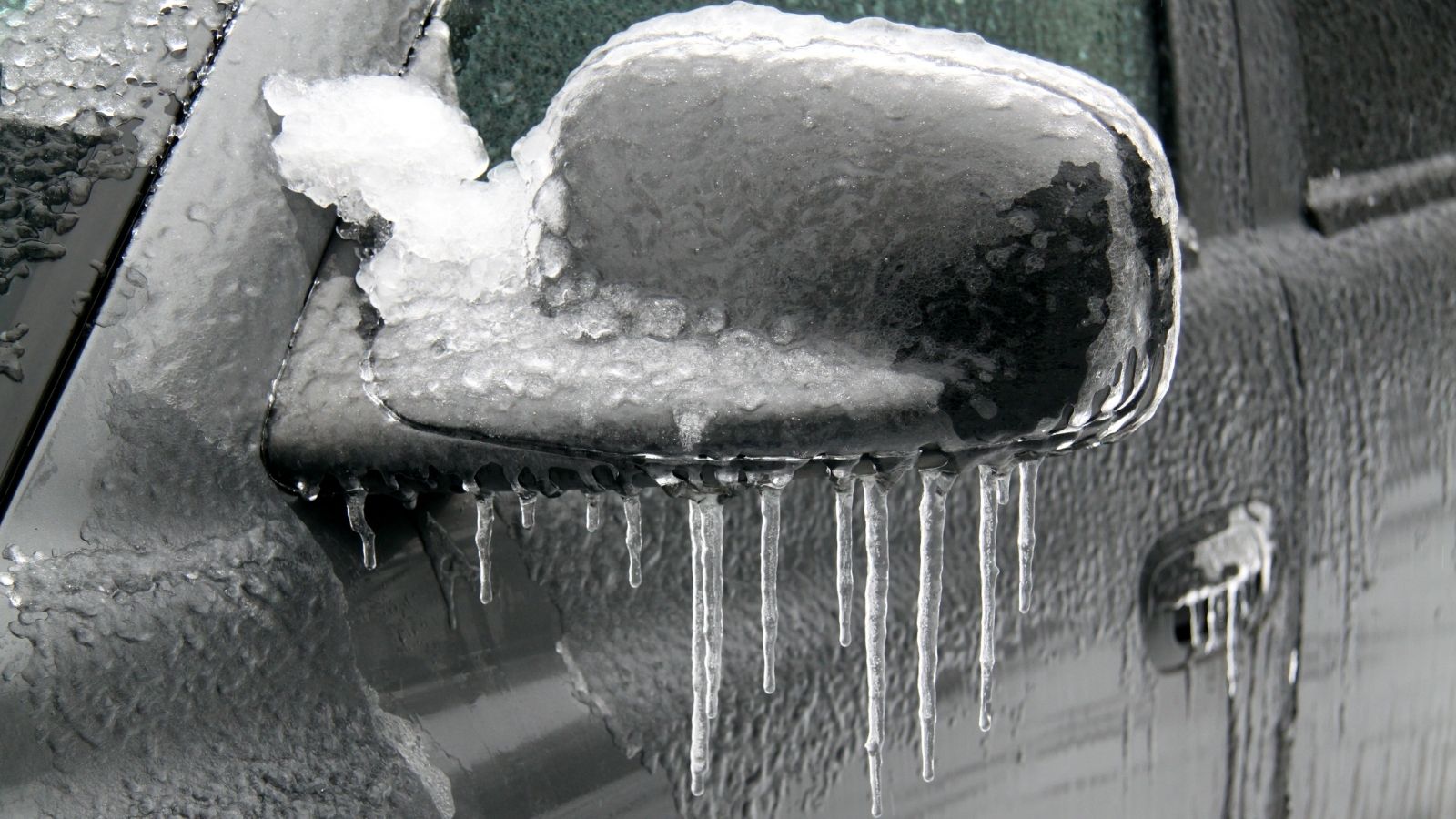
Heavy snowfall, rain, icy conditions, and strong winds are making travel dangerous in parts of the Free State, Eastern Cape, KwaZulu-Natal, Mpumalanga, and Western Cape.
In a statement on Monday, the South African National Roads Agency (SANRAL) urged motorists to postpone non-essential trips whenever possible. They warned that rapidly changing conditions could lead to temporary road closures, delays, and dangerous driving situations.
In the Free State, heavy snowfall is impacting sections of the N1 between Edenburg and Springfontein, although the route remains open. Motorists should expect reduced visibility, limited traction, and icy patches.
The R34 between Welkom and Kroonstad is experiencing rainfall and is susceptible to localised flooding during periods of heavy rain. SANRAL indicated that conditions could deteriorate with little warning.
Snow has also been reported on the N6 between Reddersburg and Smithfield. This road is still open and drivable, but motorists should be cautious of reduced traction and potentially icy sections.
SANRAL’s Free State provincial head, Marlize Nel Verwey, said motorists should take the conditions seriously.
“SANRAL urges motorists to postpone all non-essential travel as adverse weather conditions continue to affect routes across the Free State,” she said.
“Snowfall, icy roads and rainfall may result in hazardous driving conditions, road closures and delays.”
Conditions in the Eastern Cape have been particularly severe, with several mountain passes and key routes closed.
















 Loading ...