

Call to nationalise R150 billion private industry in South Africa


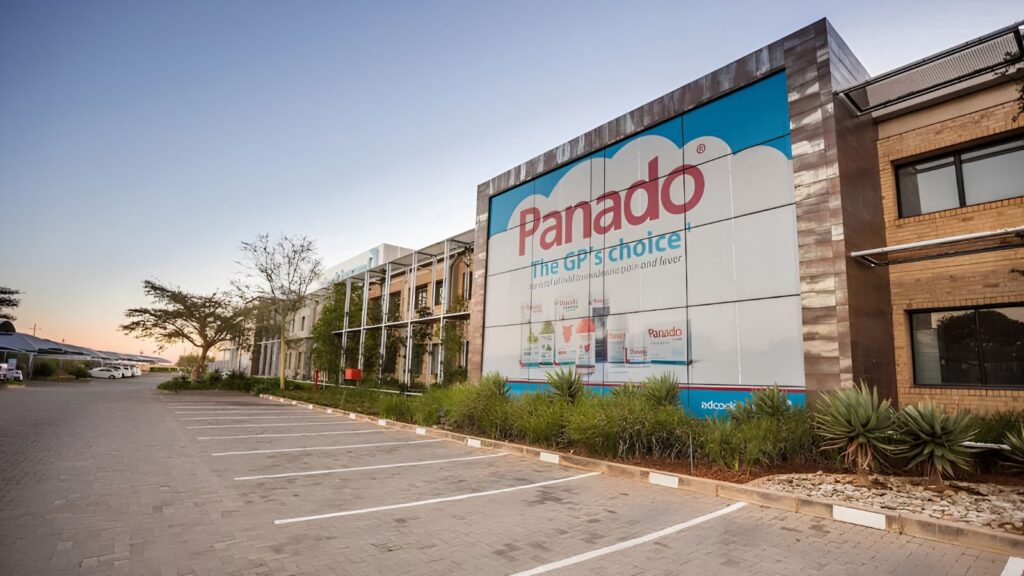
The General Industries Workers Union of South Africa (Giwusa) has called on the government to nationalise South Africa’s pharmaceutical industry.
The union argued that the production of essential medicines is too important to be left primarily in private hands.
South Africa’s pharmaceutical market is estimated at between $8.3 billion and $8.7 billion, equivalent to roughly R150 billion to R160 billion.
It is the largest and most developed pharmaceutical market in sub-Saharan Africa and employs about 20,000 people.
The sector includes major manufacturers such as Aspen Pharmacare, Adcock Ingram and Cipla Medpro.
Giwusa, an affiliate of the South African Federation of Trade Unions (Saftu), represents workers in the pharmaceutical industry and participates in its bargaining council.
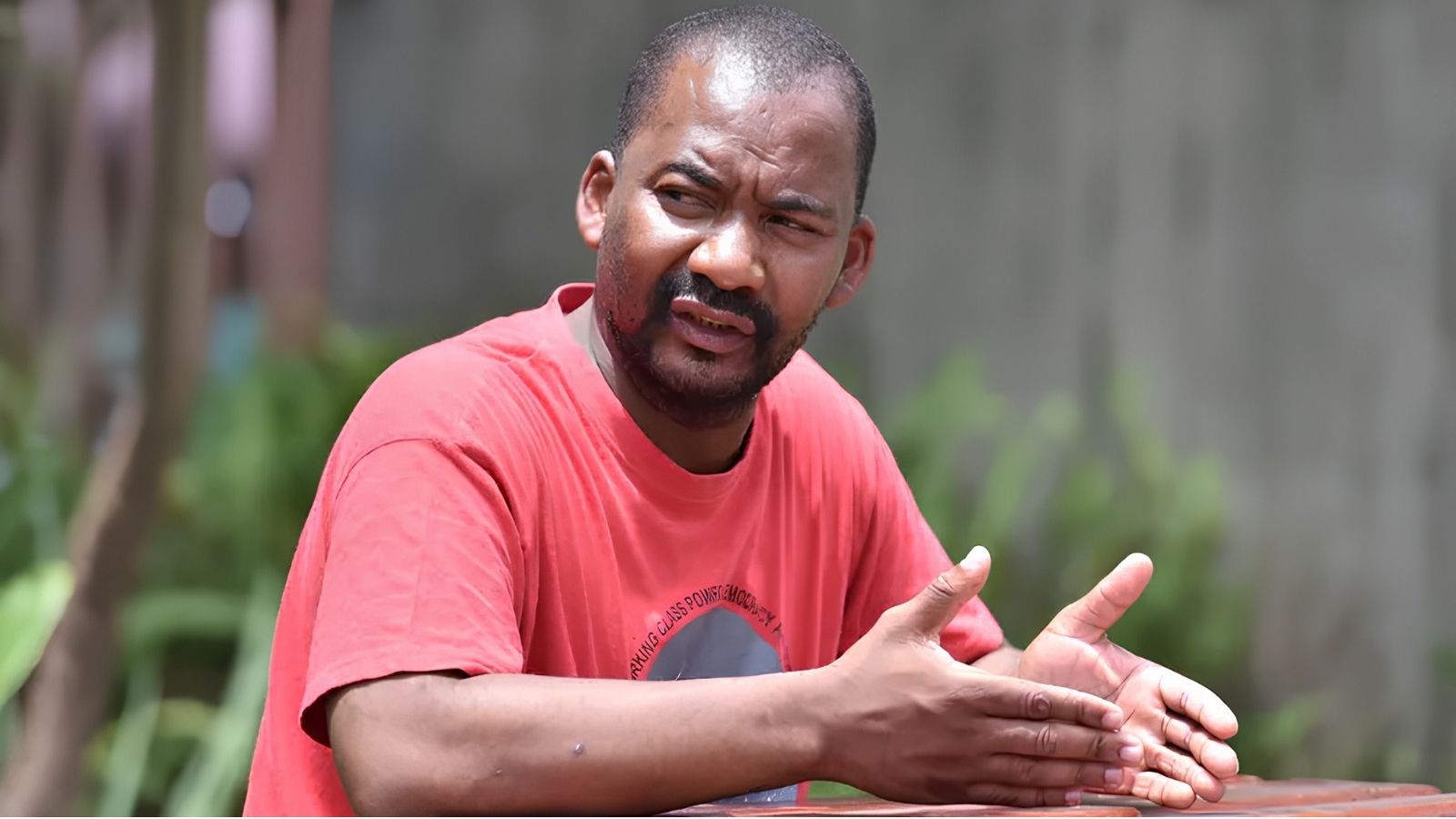
In a statement, Giwusa president Mametlwe Sebei said the union wanted the state to take ownership of pharmaceutical manufacturing capacity and establish a publicly controlled company focused on producing essential medicines.
“The state must take direct ownership and control of manufacturing facilities to ensure that production is driven by social need, not private profit,” he said.
“We demand a public, integrated pharmaceutical company to guarantee the production of essential and life-saving drugs, ensuring security of supply and creating stable, dignified employment.”
Sebei said nationalisation should also include greater worker participation and a broader industrial strategy.
“This nationalisation must go hand-in-hand with genuine workers’ control over production and a comprehensive reindustrialisation strategy,” he said.
The union’s call comes amid concerns about job losses and the closure of manufacturing facilities in the sector.
Sebei said about 2,500 direct jobs had been lost over the past 18 months following the closure of nine local manufacturing plants.
This includes a recent announcement by Adcock Ingram that it planned to retrench more than 240 employees.
“The recent announcement of retrenchments of over 240 workers at Adcock Ingram, on which we are currently being consulted, underscores that this trend is continuing,” Sebei said.
More trouble for Adcock Ingram
The developments also coincide with a Competition Commission referral involving Adcock Ingram Critical Care (AICC).
The commission has referred the company to the Competition Tribunal over allegations that it abused its market dominance and charged excessive prices for certain renal replacement therapy products.
The products include equipment and consumables used for peritoneal dialysis, which can be performed at home, and continuous renal replacement therapy, which is mainly used in intensive care units.
“The complaint referral concerns the products required to provide these treatments, rather than the treatment itself,” said commission spokesperson Siyabulela Makunga.
The commission said its investigation found that AICC was dominant in the South African market for renal replacement therapy products.
It alleges that between July 2019 and June 2024, including during the COVID-19 pandemic, the company’s prices significantly exceeded its economic and operating costs.
“Economic costs include operating costs and costs of capital. This is a prima facie indication of an abuse of dominance in terms of section 8(1)(a) of the Act,” Makunga said.
Competition Commission commissioner Doris Tshepe said pricing of essential healthcare products could affect healthcare costs and access to treatment.
“The commission’s intervention in this matter reflects its commitment to ensuring that firms do not use market power to charge excessive prices for products that are critical to patient care,” she said.
The commission is seeking a finding against AICC and an administrative penalty of up to 10% of its annual turnover.
Adcock Ingram reported group turnover of R9.8 billion for the 2025 financial year, meaning the maximum potential penalty could be about R980 million.
Its hospital division, which supplies critical care products including intravenous solutions and renal dialysis systems, generated R2.19 billion in revenue in the year to June 2025, up from R2.05 billion a year earlier.
Its trading profit, however, declined from R128.4 million to R125.3 million. Adcock Ingram was delisted from the Johannesburg Stock Exchange in November 2025.
India’s Natco Pharma acquired about 35% of the company, while Bidvest owns the remaining approximately 65%.













 Loading ...