

South Africa takes the helm of 16-country community


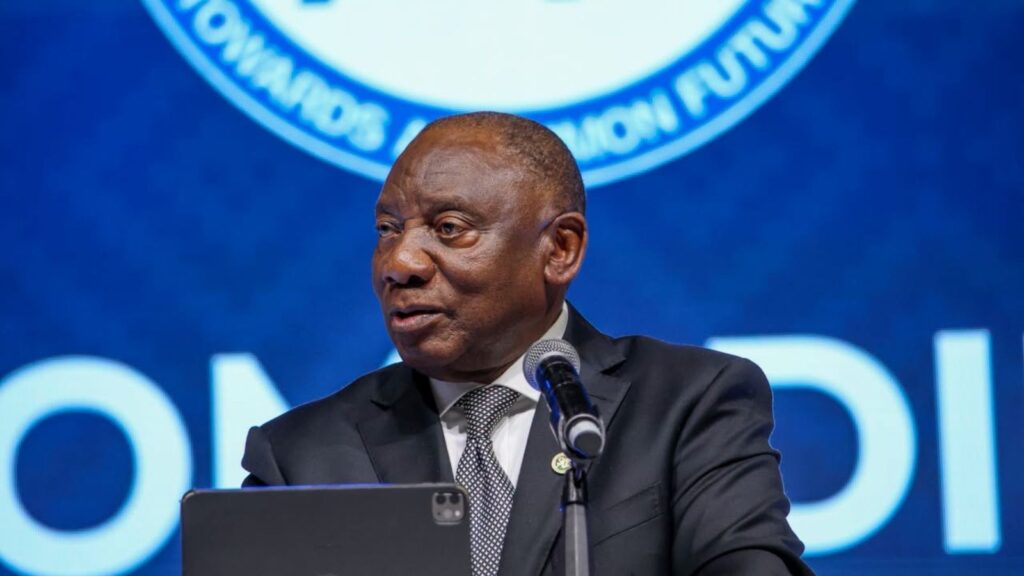
South Africa is taking over leadership of the Southern African Development Community with a push to deepen regional commerce, as the bloc’s own assessment shows it faces tepid economic growth, persistent trade barriers and declining industrialisation.
Pretoria’s ascendancy to the chairmanship of the 16-member bloc this month follows protests against undocumented migrants in South Africa that forced tens of thousands of people, mainly from Zimbabwe and Malawi, to leave the country.
President Cyril Ramaphosa sought to address that issue directly before SADC leaders began a summit on Monday, saying South Africa was “deeply concerned and ashamed” that nationals of other countries had recently faced discrimination and ill-treatment.
“We cannot preach integration at summits and practice exclusion in our streets,” he said.
SADC’s State of the Region report, scheduled to be adopted at the summit in the eastern port city of Durban on Monday, shows intra-bloc trade remains below pre-pandemic levels, with manufacturing losing ground and growth too weak to meet its job-creation and economic development targets.
Intra-regional trade grew to 20% in 2025, according to the report. Nine long-standing non-tariff barriers remain unresolved, while recurring trade disputes, import restrictions and surcharges continue to increase the cost of doing business across borders.
Regional growth increased to 3.4% last year and is forecast at 3.9% in 2026. Yet Zimbabwe was the only SADC member to meet its 7% growth target in 2025, and none are projected to reach it this year.
Manufacturing’s contribution to regional gross domestic product fell to 10.9% in 2025, well short of the bloc’s target of 30% by 2030.
South Africa exported R457.4 billion of goods to SADC in 2024 and imported R109.9 billion, data compiled by the Stellenbosch, South Africa-based Trade Law Centre shows.
The bloc accounted for 91% of South Africa’s intra-African exports, with the country supplying neighbors with industrial goods, machinery, food and consumer products.
The imbalance is also reflected in remittances.
More than R112 billion was remitted from South Africa to SADC countries between 2016 and 2024, according to South African Reserve Bank data.
Remittances to the region rose to R19.3 billion in 2024, with Lesotho, Zimbabwe, Mozambique and Malawi accounting for 90% of payments.
Remittance inflows from SADC countries to South Africa totalled R25.6 billion over the period, leaving an R87 billion difference.
South Africa’s yearlong chairmanship of the bloc will focus on promoting industrialisation, regional value chains and infrastructure, with the government seeking greater processing of critical minerals and agricultural products within the region.
The bloc’s Regional Development Fund is also expected to feature prominently as SADC seeks to mobilise capital for industrial projects and infrastructure. Its 2026-27 corporate plan calls for the implementation of a revised roadmap for the fund.


















 Loading ...