

The decision that could create a ghost town in one of the richest areas in the Western Cape


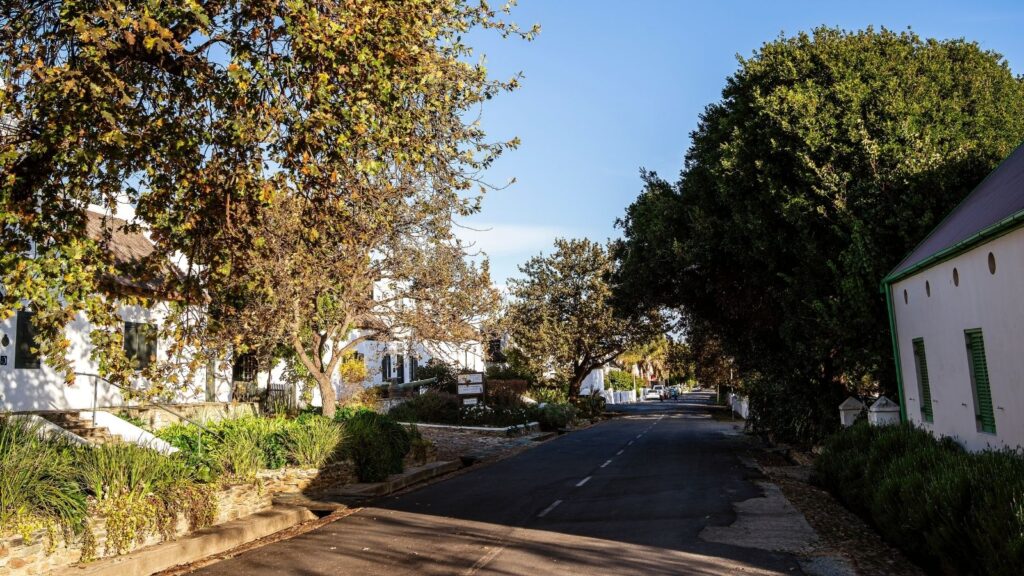
The decision by Premier Foods to shut down its cannery in Tulbagh has raised concerns about the future of the town and its agricultural economy.
Premier Foods confirmed in July that it is in the process of closing the Tulbagh business, which has an estimated value of about R1 billion.
The company said declining global demand, pricing pressure and rising input costs had made the operation “no longer economically sustainable in its current form”.
The factory’s history dates back to the 1940s, when SA Preserving was established to process the Western Cape’s substantial fruit harvest for export following the Second World War.
It later expanded under Del Monte Fruits South Africa, becoming an important supplier to markets in Europe and North America.
The operation has provided employment for generations of workers from Tulbagh and nearby towns, including Gouda, Wolseley and Saron.
Seasonal workers have also travelled from the Eastern Cape to work during the fruit-packing and processing seasons.
According to the Congress of South African Trade Unions (COSATU), the factory employs more than 3,500 people, although only a small proportion are permanent employees.
Most workers are seasonal or employed on fixed-term contracts that are renewed as production demands change.
“Premier recognises that this is a deeply difficult and uncertain time for affected employees, many of whom have given years of service to FPWC,” the company said.
“The company understands the impact that this process may have on employees, their families and the broader Tulbagh community, and is committed to managing the process with care, respect and transparency.”
However, the potential impact extends beyond factory employees.
About 200 to 220 fruit producers supply the cannery, while thousands of farm workers, contractors, transport operators and other businesses are linked to its activities.
Local producers and farm owners are particularly concerned because some have invested heavily in orchards specifically for fruit destined for canning.
The whole town is connected to the factory
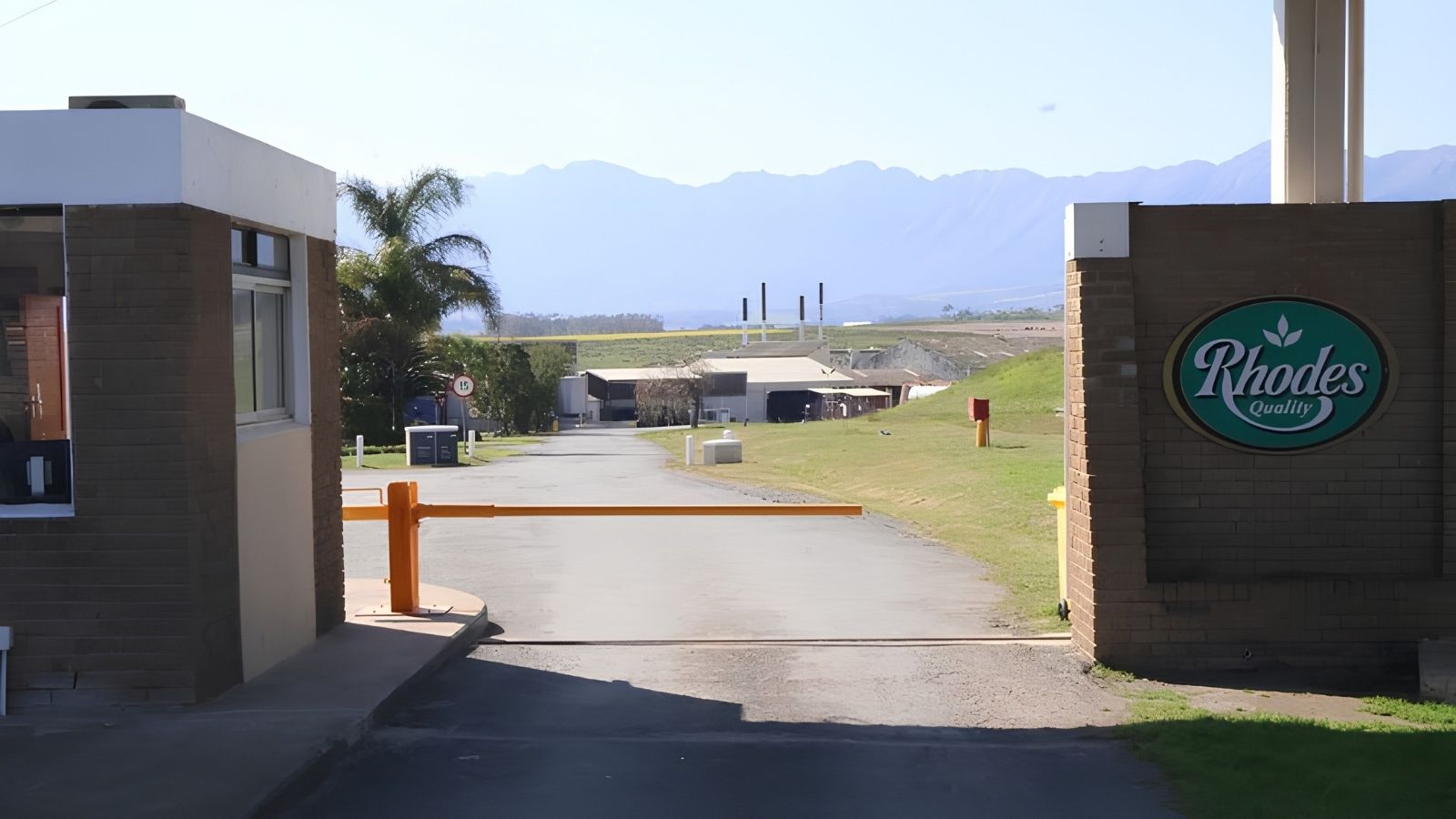
Charl Herbst, chair of the Canning Fruit Producers’ Association negotiations committee, farms about 15 minutes from Tulbagh and sends all his canning fruit to the factory.
He recently invested in pear and peach orchards, which can remain productive for 25 to 30 years.
“Now, we are faced with difficult decisions about whether to pull up that orchard, which also decreases the property value of the farm and affects our margins,” he told GroundUp.
The closure is already being felt in the town, according to community members. “The whole town has connections with that factory. People are not coping and are unable to buy basics,” said Dinene Coetzee, whose mother and sister worked seasonally at the factory.
She added that shops had become quieter and taxis that normally transported workers were already sitting idle. “When the workers get their money, they get transported straight to the shops,” Coetzee said.
Trade unions Solidarity, COSATU, the Southern African Clothing and Textile Workers’ Union and the Agricultural, Food and Allied Democratic Workers’ Union have called on Premier to suspend the proposed closure for 12 to 24 months.
They want the period to be used to investigate alternatives that could keep the factory operating. Solidarity general secretary Gideon du Plessis said the concern was not limited to the loss of factory jobs.
“The factory supports hundreds of producers and thousands of workers, while also creating work for transport operators, contractors, suppliers, service providers, retailers and businesses in Tulbagh, Saron, Gouda, Wolseley, Ceres, Hermon and surrounding areas,” he said.
The unions warned that closing the factory could permanently remove production capacity and specialist expertise from the region.
They have called for producers, investors, government, municipalities, organised labour and communities to work together on a possible solution.
Tulbagh is part of the Cape Winelands, the Western Cape’s second-richest region according to the latest Africa Wealth Report, with about 3,600 dollar millionaires and 16 centi-millionaires.
However, the wealth of the broader region contrasts with the dependence of many rural households on seasonal employment in agriculture and manufacturing.
Du Plessis cited the intervention that helped prevent the closure of the Langeberg cannery in Ashton as an example of what could be achieved through cooperation among stakeholders and the government.
“Stakeholders, the government, municipalities, and the communities concerned must all be given the opportunity to contribute to a solution that protects jobs and sustains this strategically important agricultural and manufacturing ecosystem,” he said.
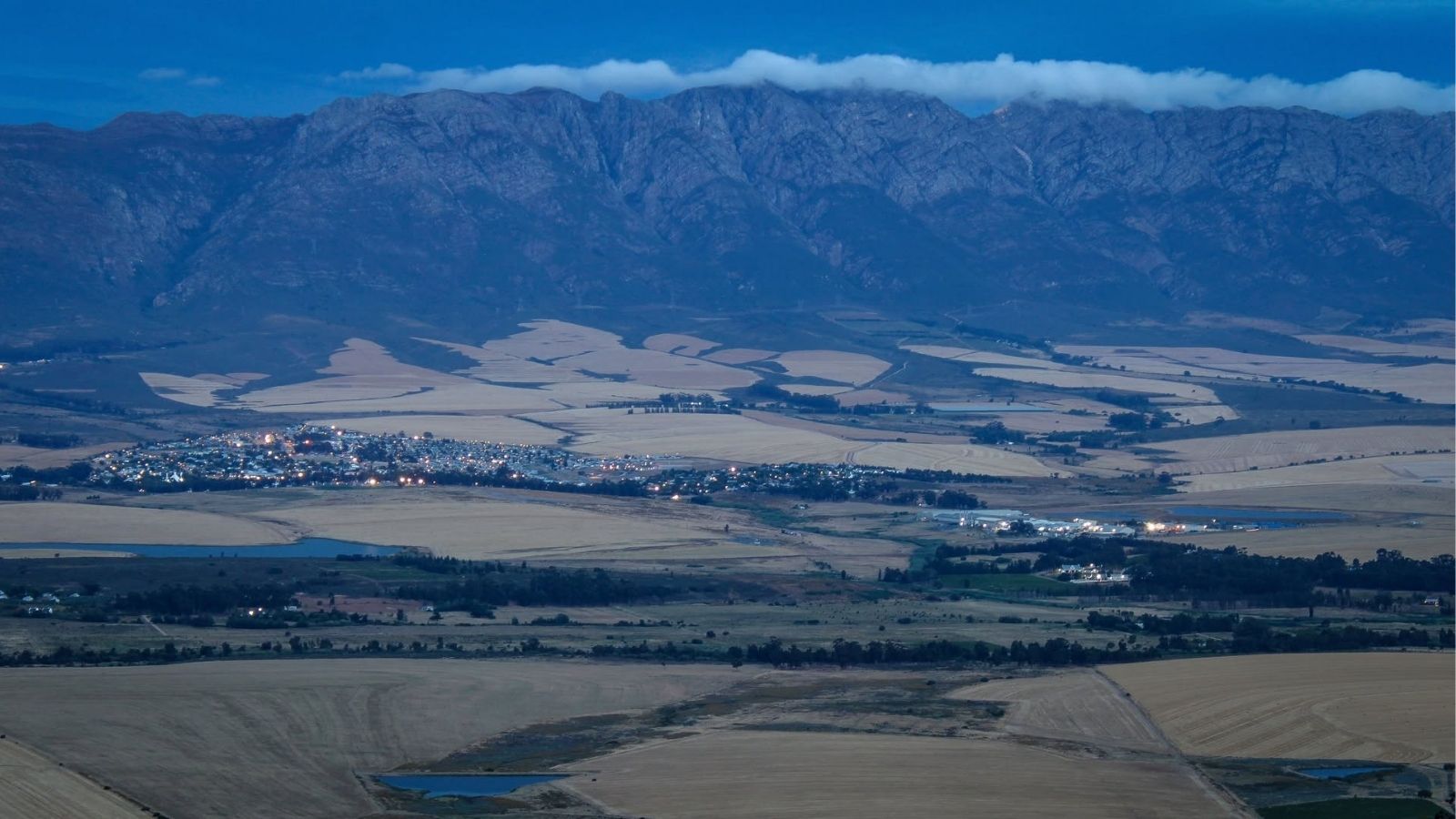
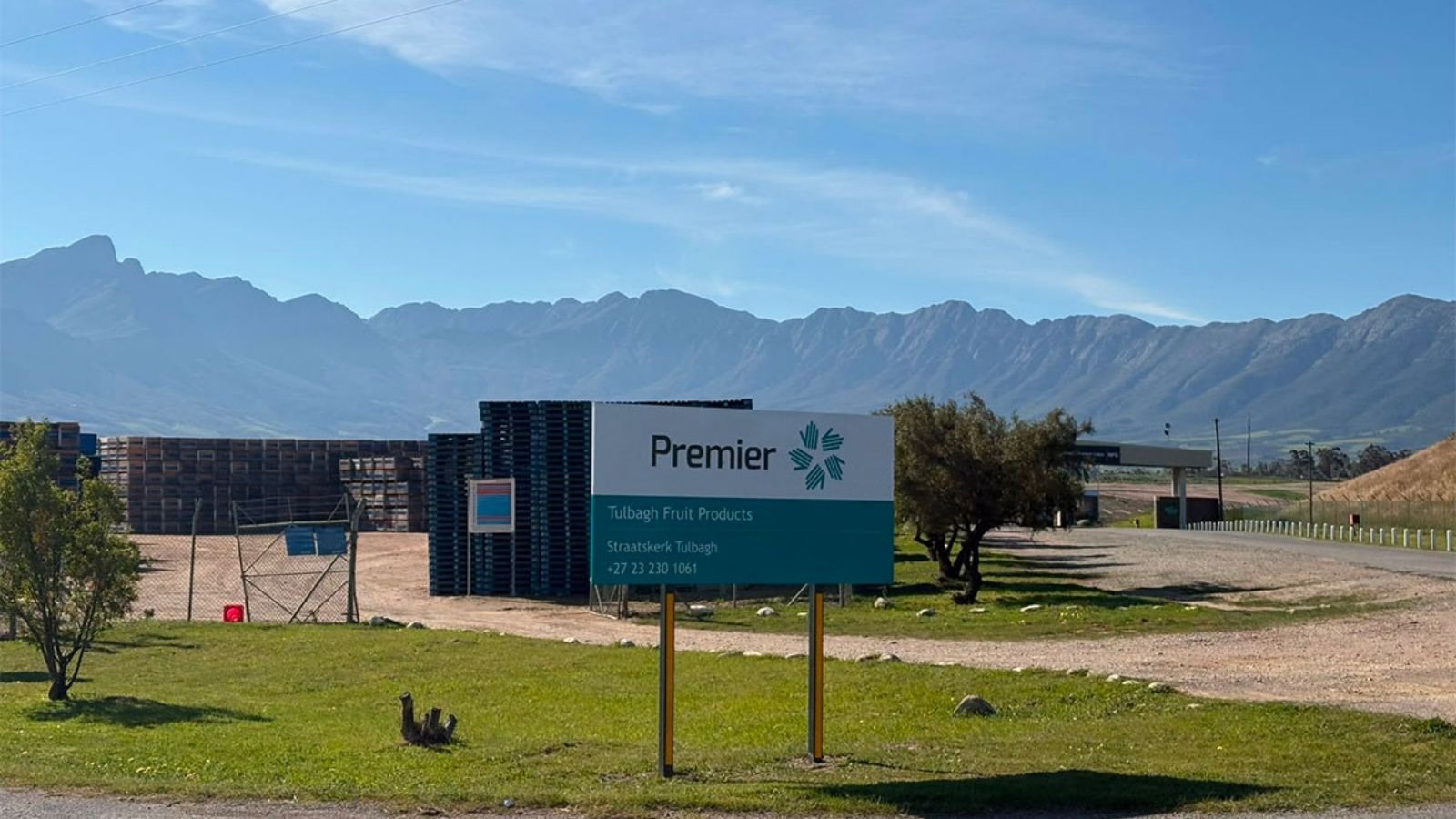
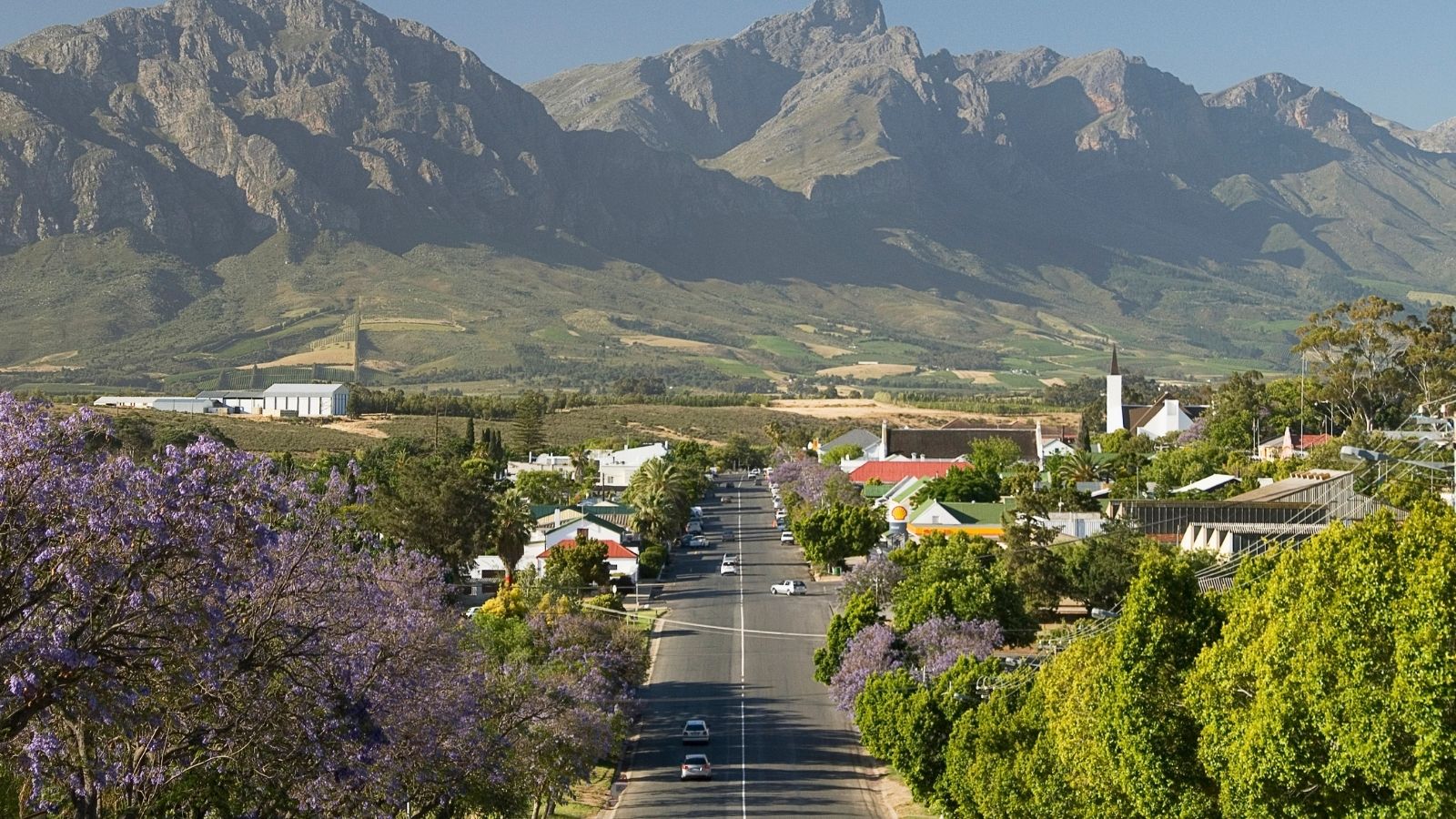
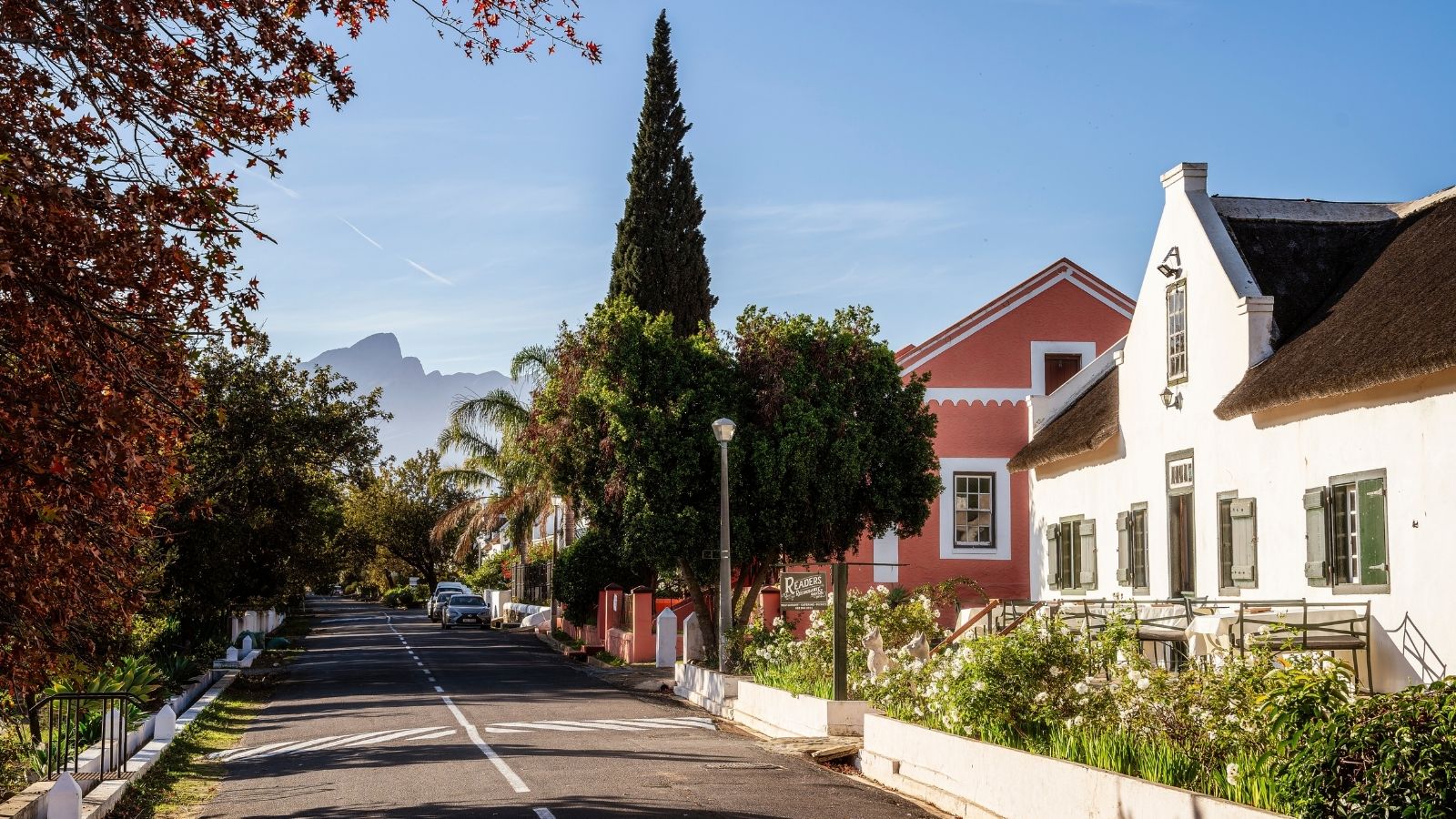
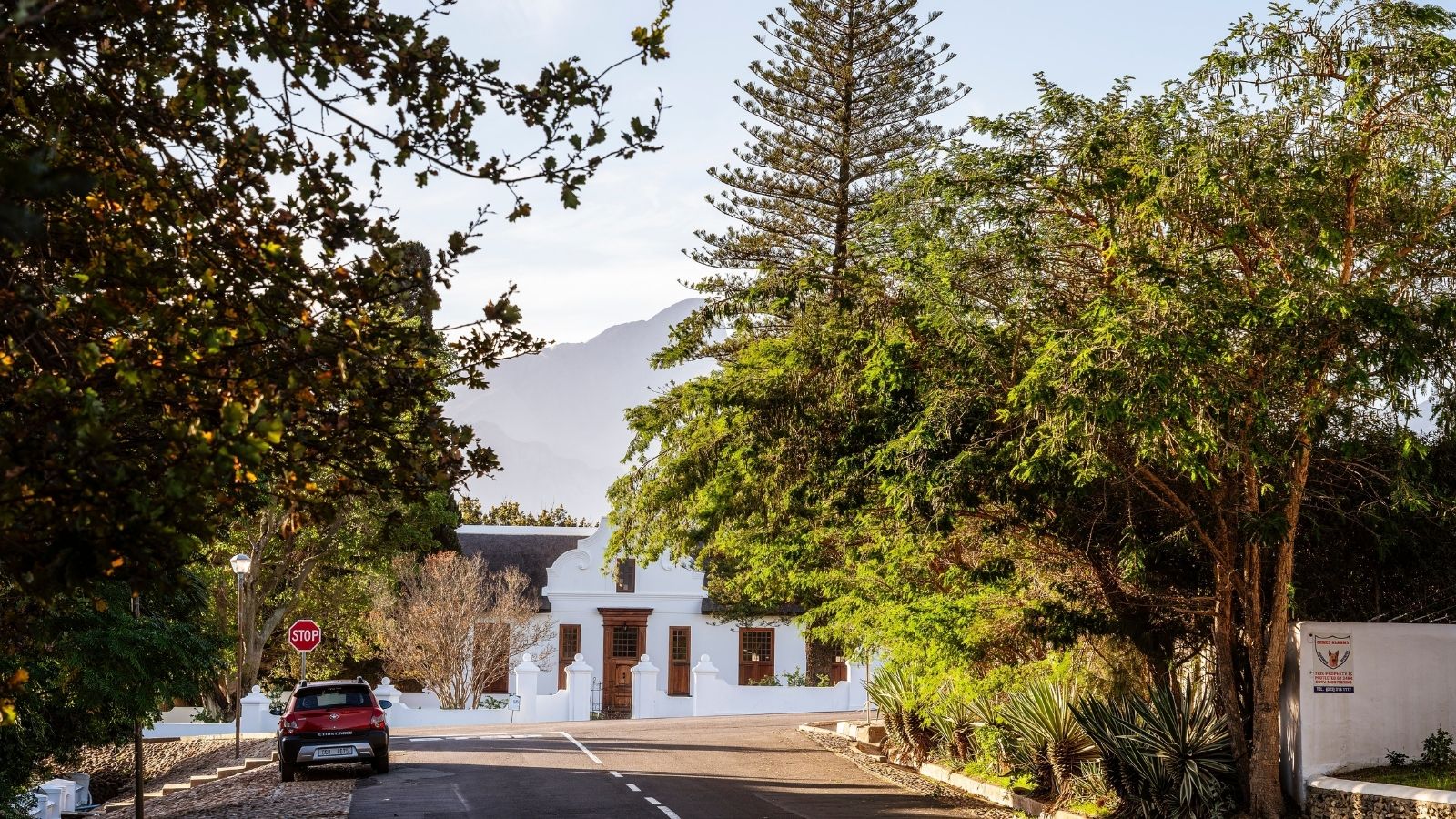
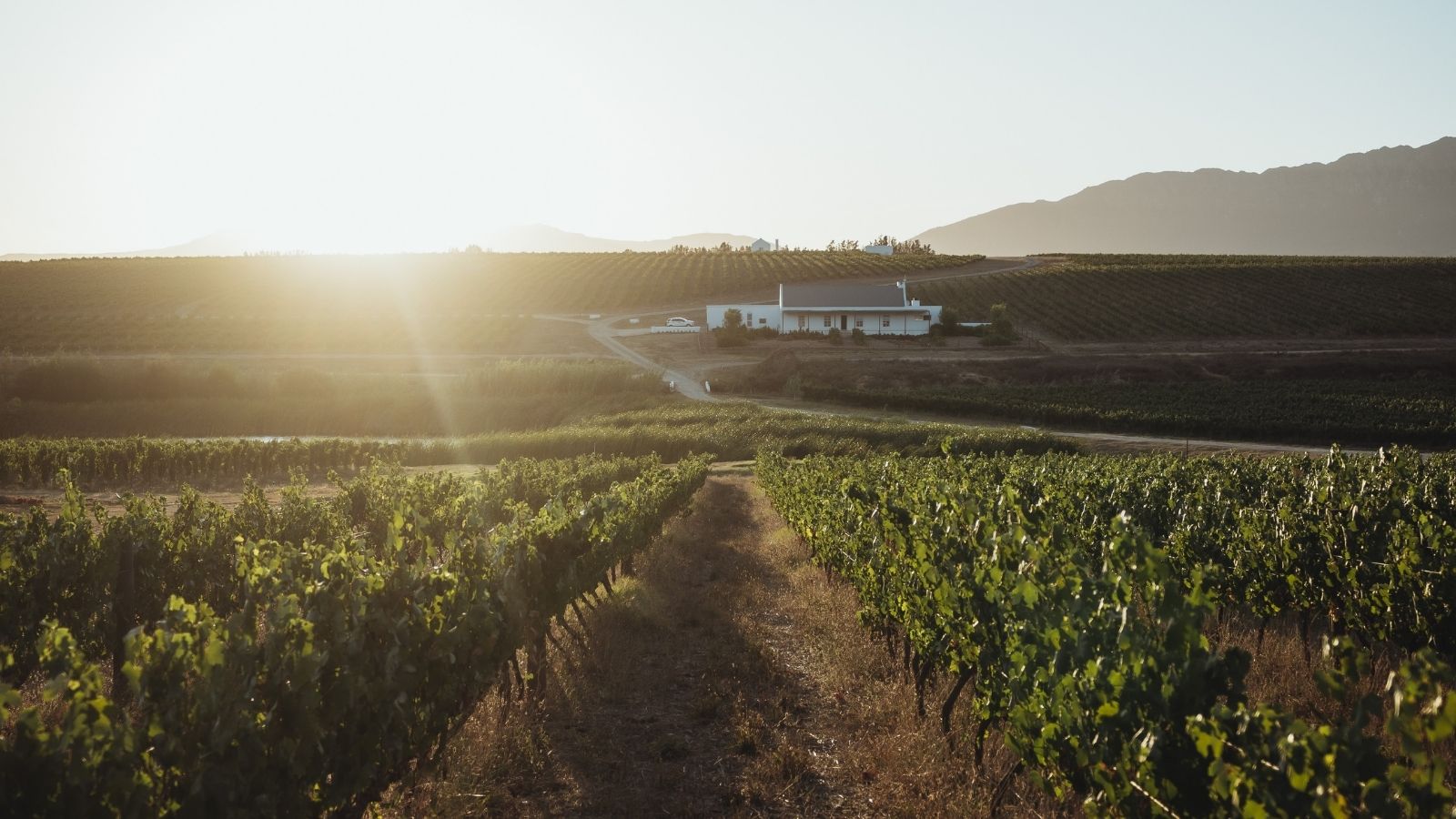
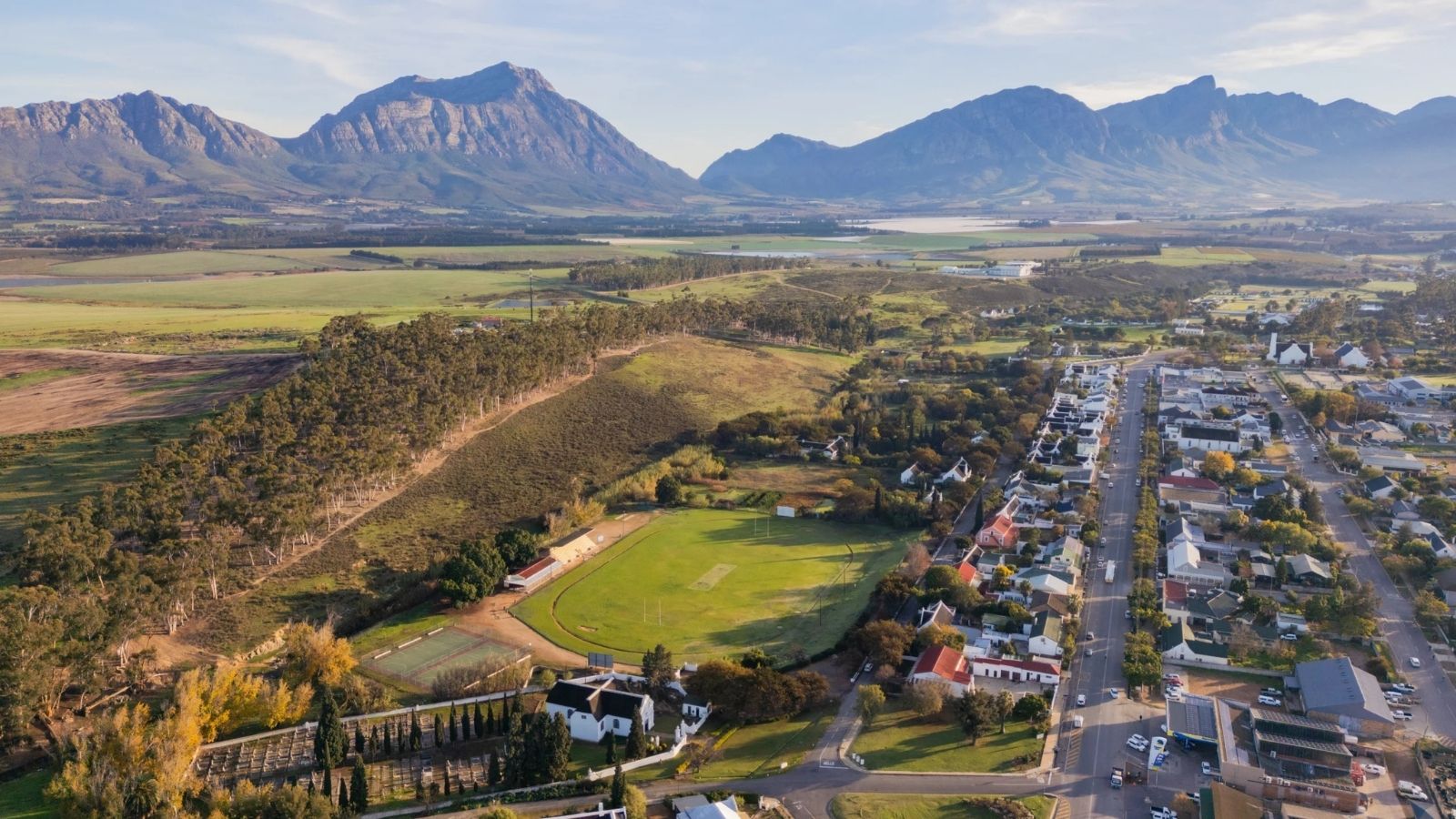
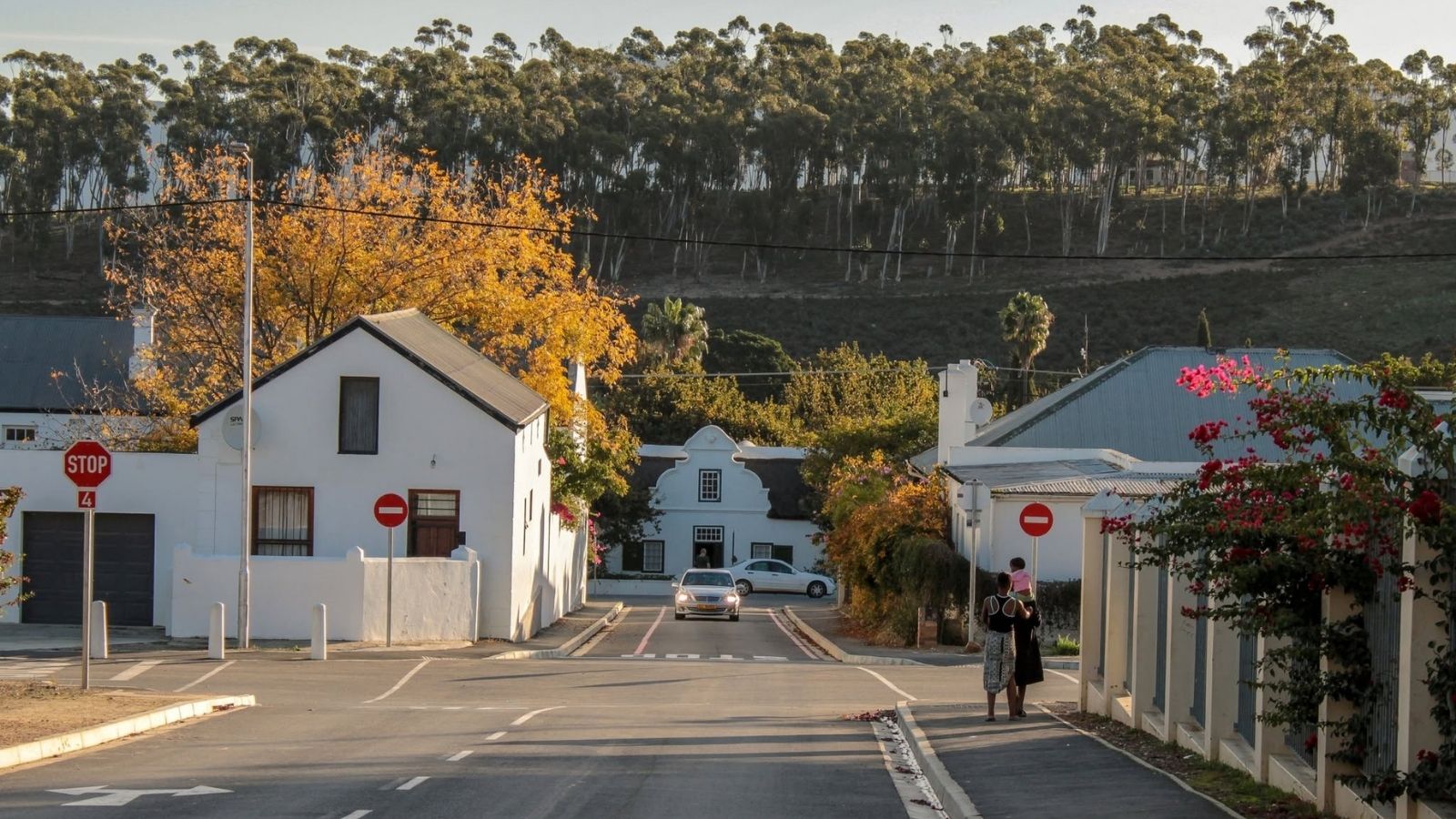
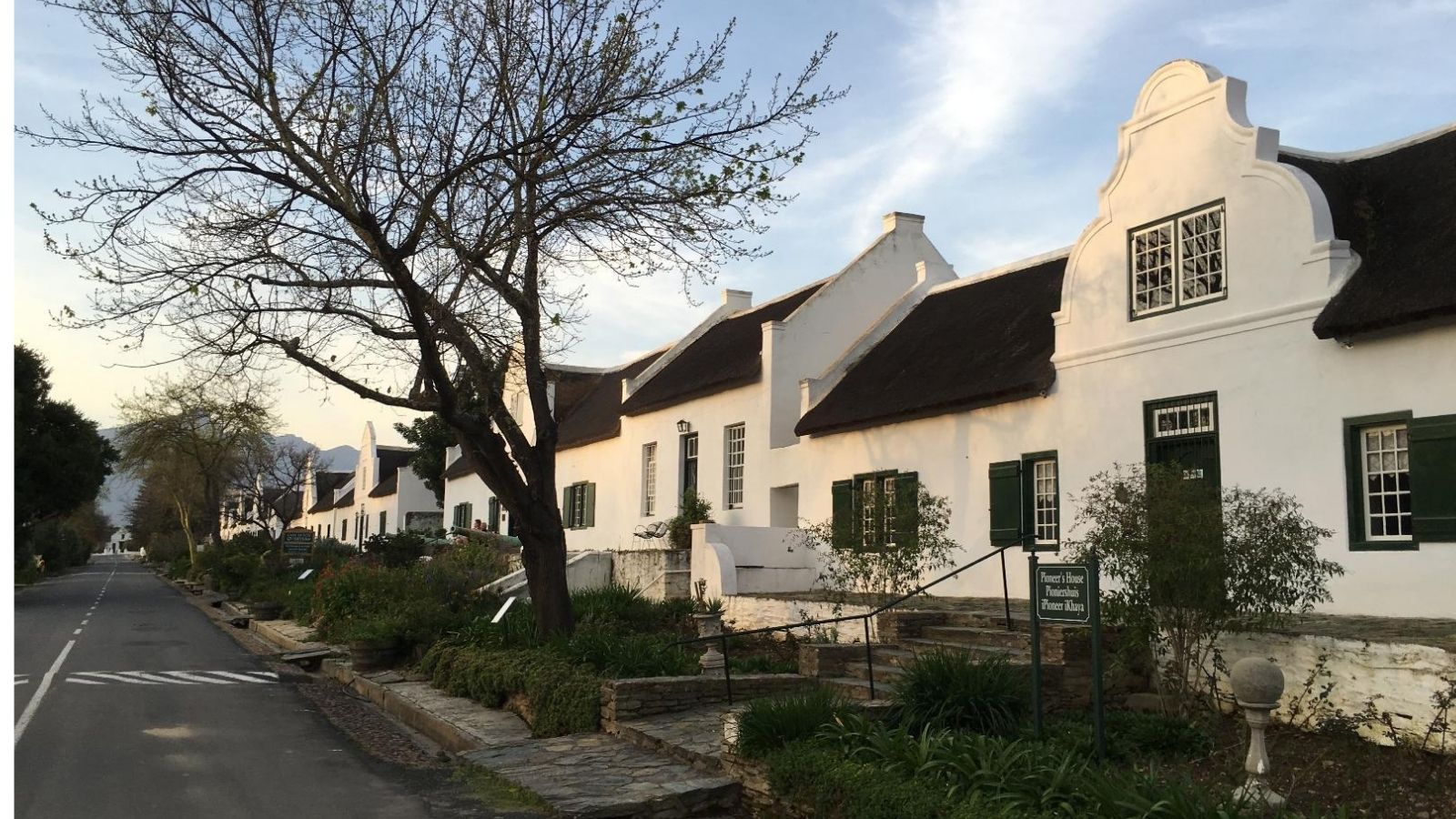
Photos of the town of Tulbagh

















 Loading ...