

One of the best-performing public schools in South Africa that produced two Nobel Prize winners


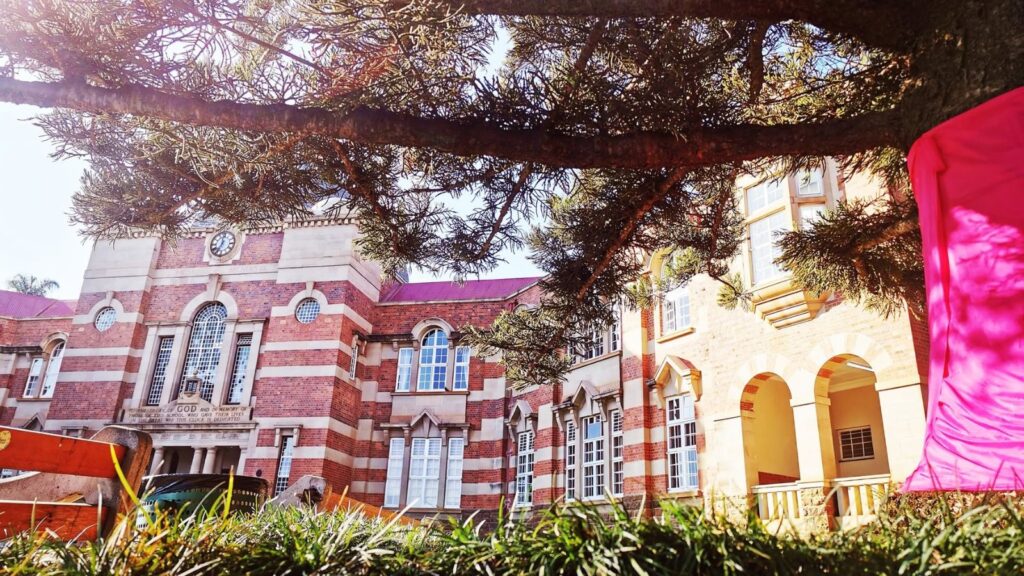
Pretoria Boys High School is renowned for its sporting accolades, impressive grounds and high academic standards, along with educating two Nobel Prize winners.
The school was founded in the 1880s but was soon closed at the start of the Anglo-Boer War, with the building repurposed as a prisoner-of-war facility.
This prisoner of war facility is famously where Winston Churchill was held before escaping and travelling approximately 480 kilometres to safety.
The school reopened in 1901, with the purpose of educating English-speaking children after the Transvaal became a British colony.
It was opened under the headmaster Charles Hope, and initially had 32 pupils, which quickly grew to 132 by the end of the year.
When Hope left after 15 months, the school became an all-boys institution, with the girls moving to a new school.
The remaining boys were split into primary and high schools, and the school has remained an all-boys institution to this day.
Following this, 60 hectares were set aside near Pretoria for the construction of Pretoria Boys High School (PBHS), with the design by Piercy Eagle.
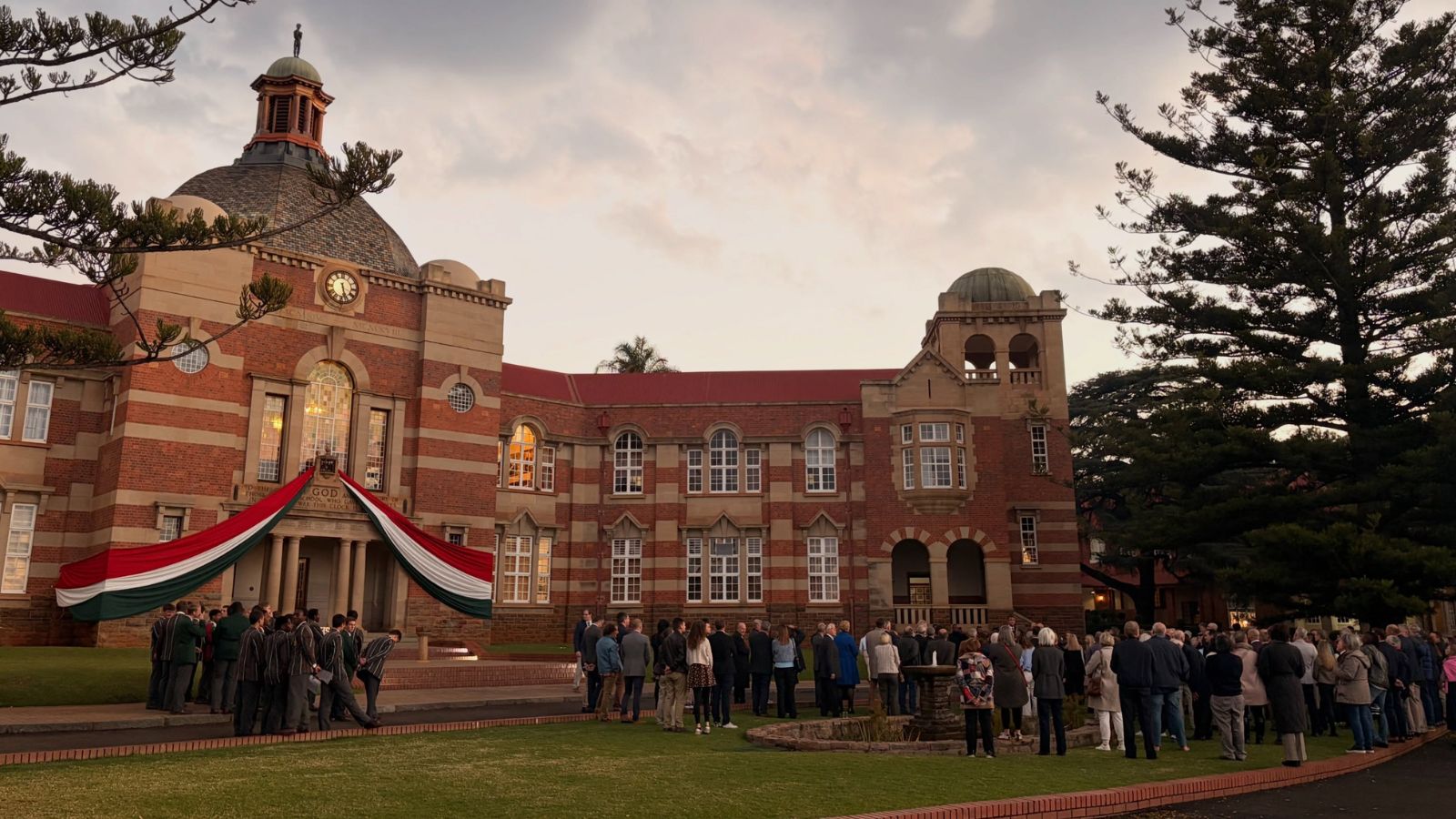
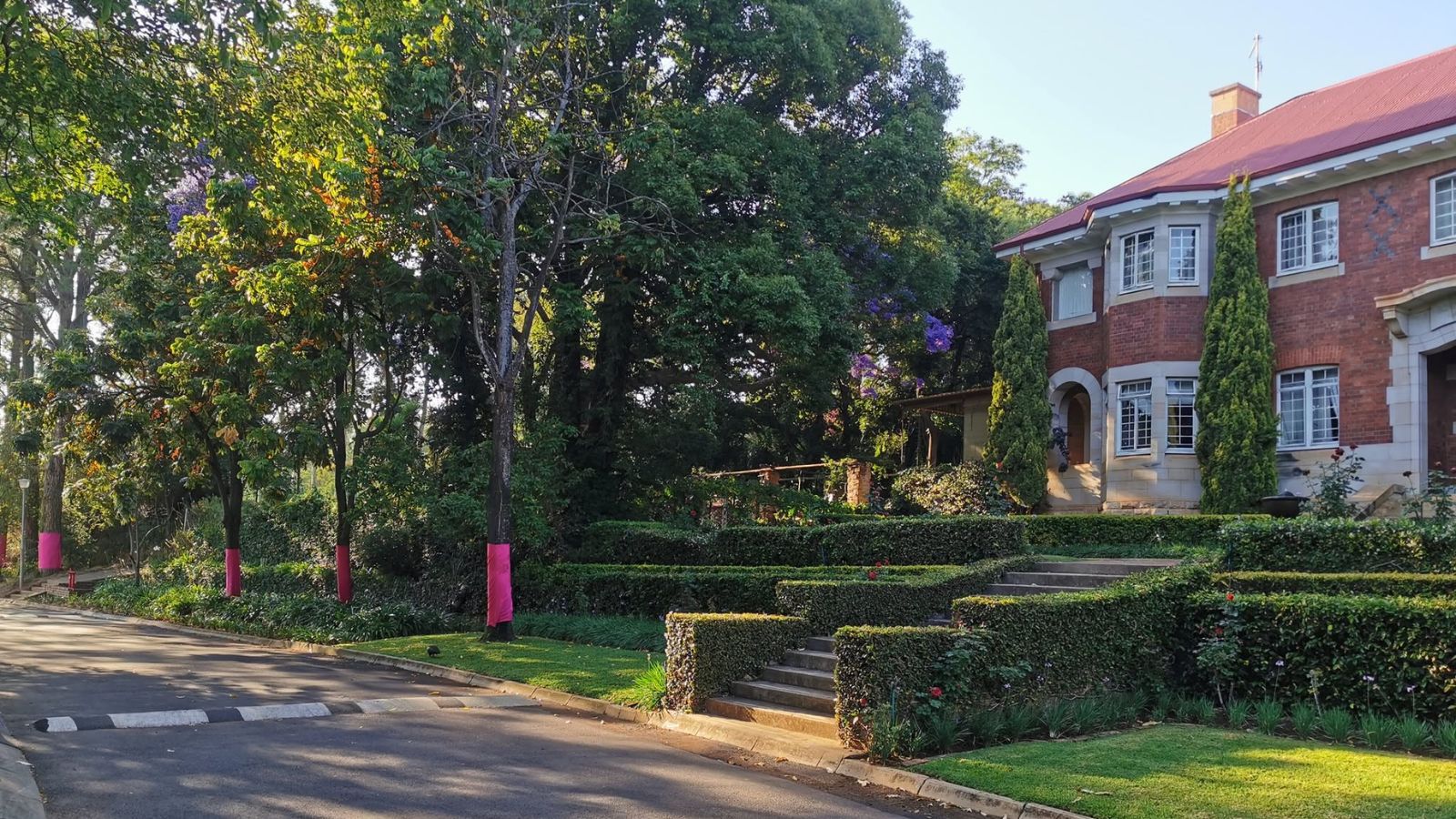
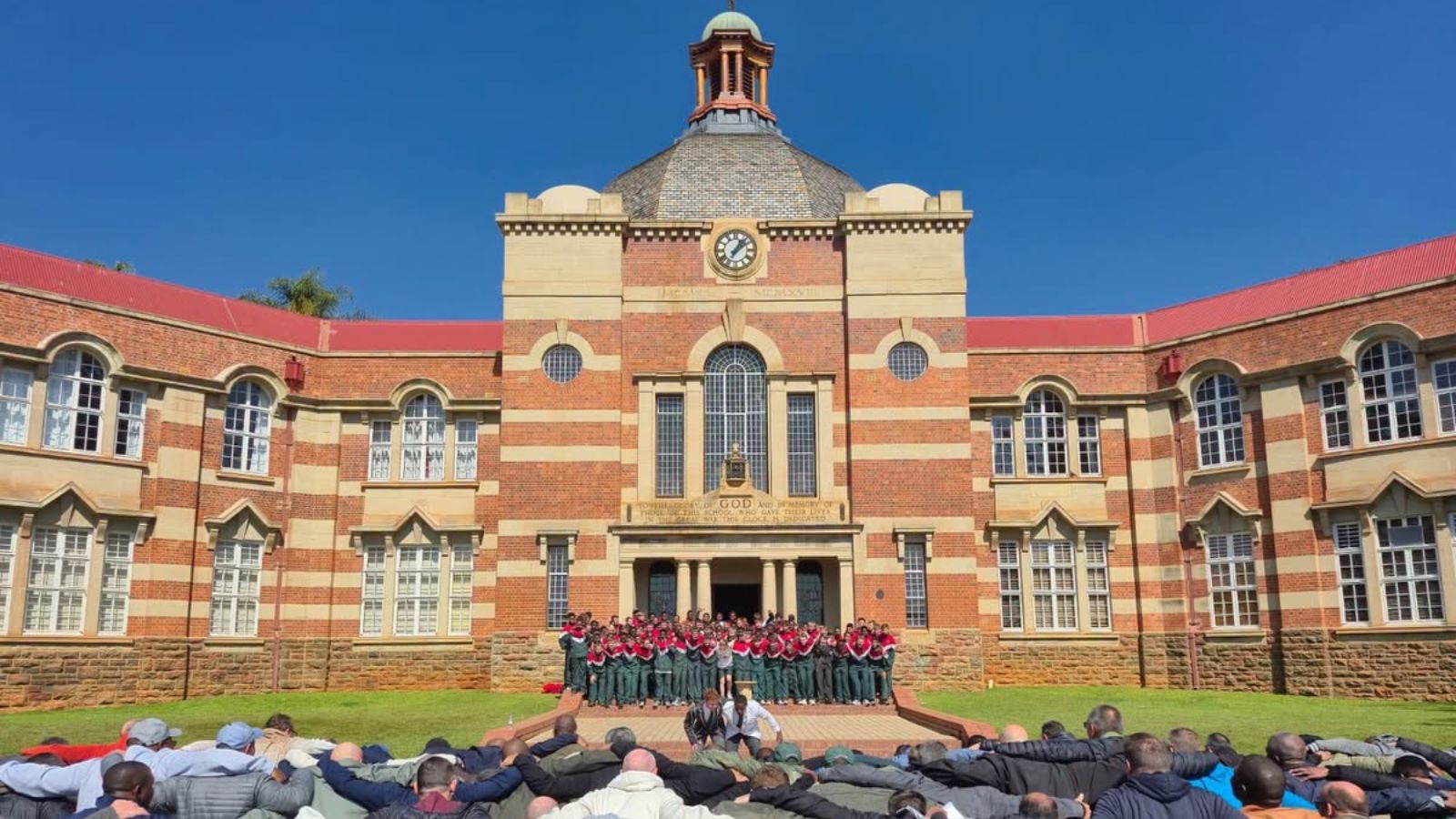
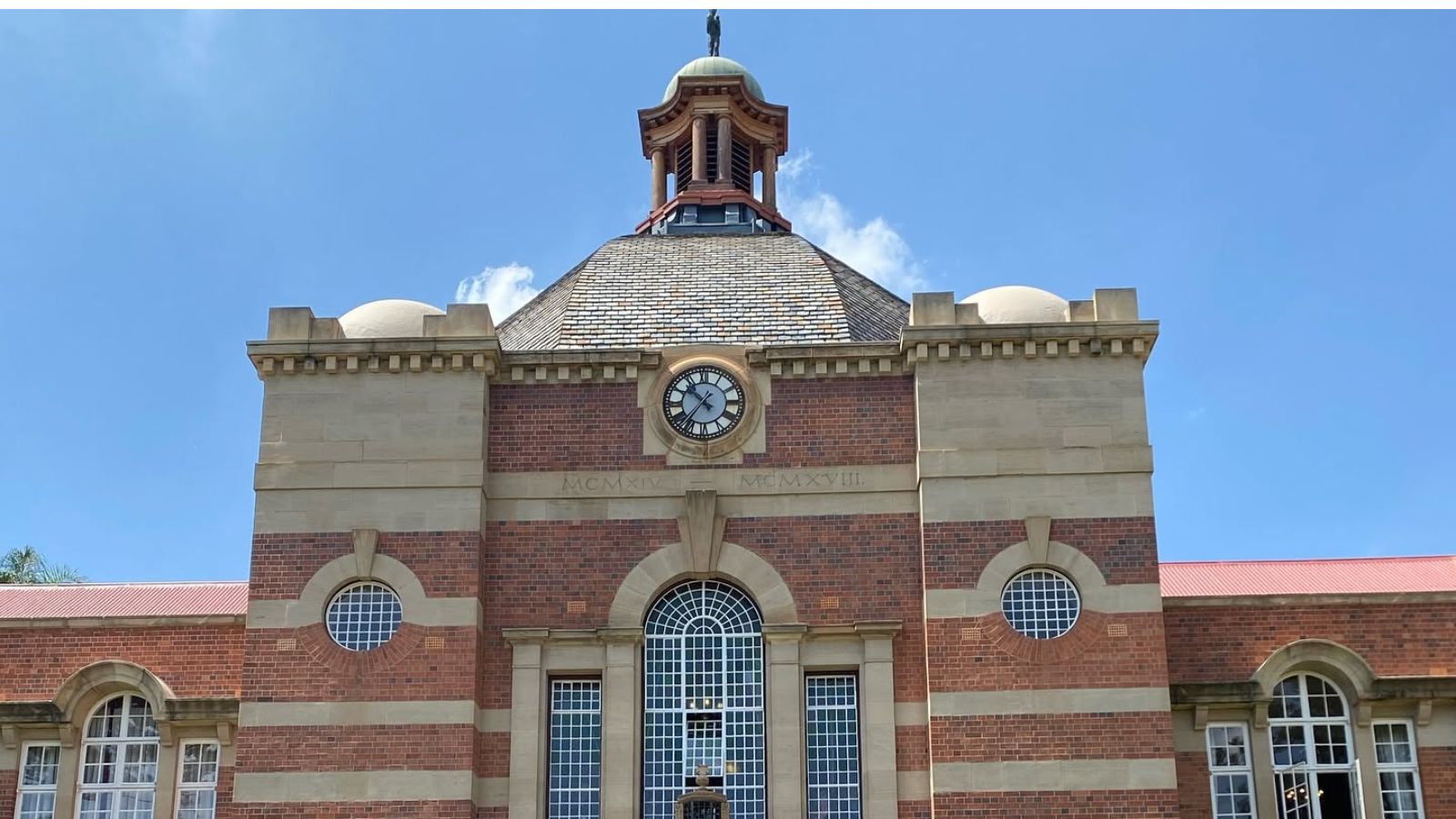
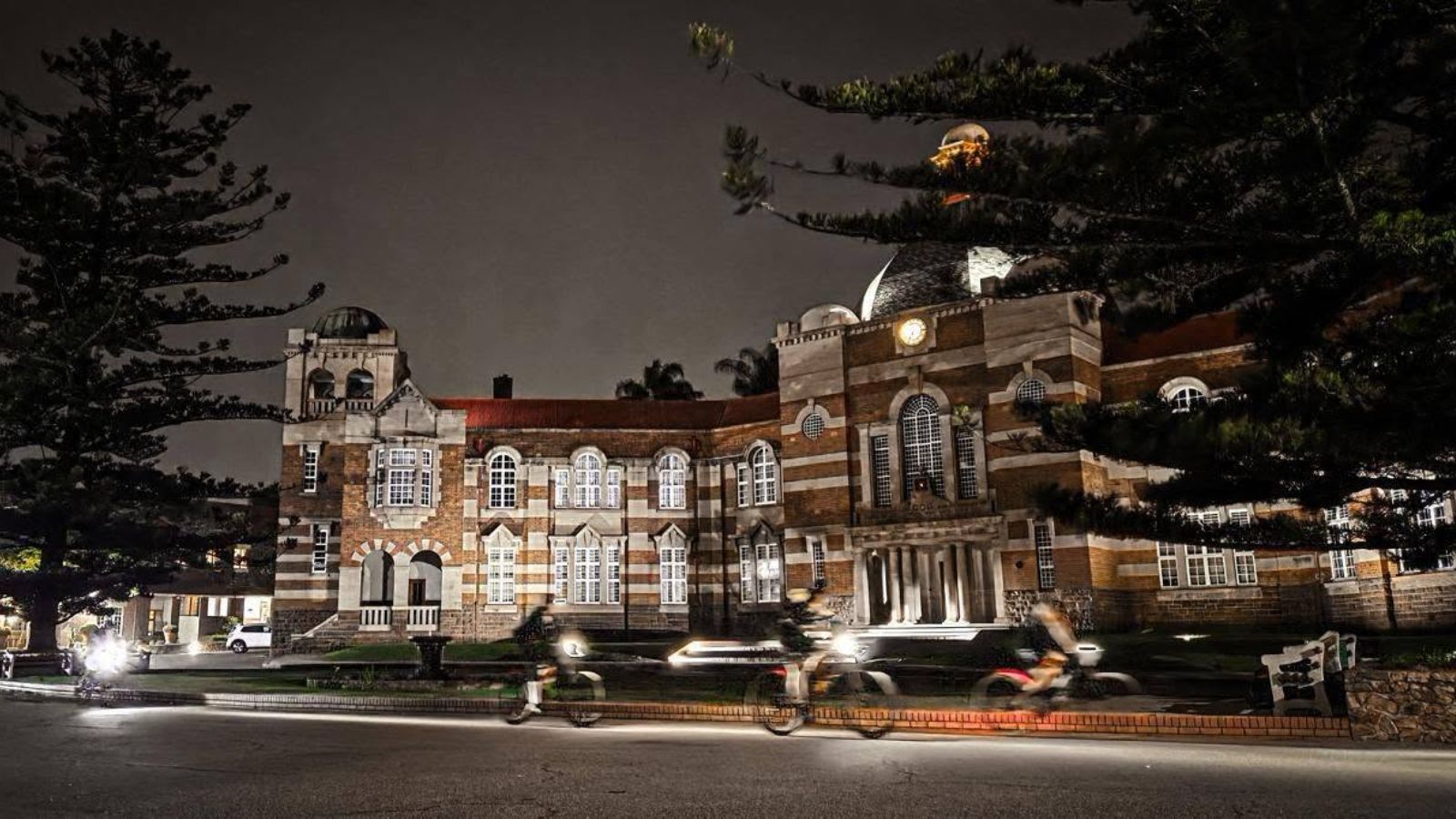
The original buildings are still used by the school, functioning as boarding houses, classrooms, and administrative offices.
At this time, the school came under the guidance of its longest-serving headmaster, William Hofmeyr, who held the position for 25 years.
At the end of the Boer War, the school accepted both English- and Afrikaans-speaking pupils in an attempt to bridge the divide between the two groups.
In the 1920s, this divide became apparent, leading to the creation of the Afrikaans Hoër Seunskool for Afrikaans-speaking children nearby.
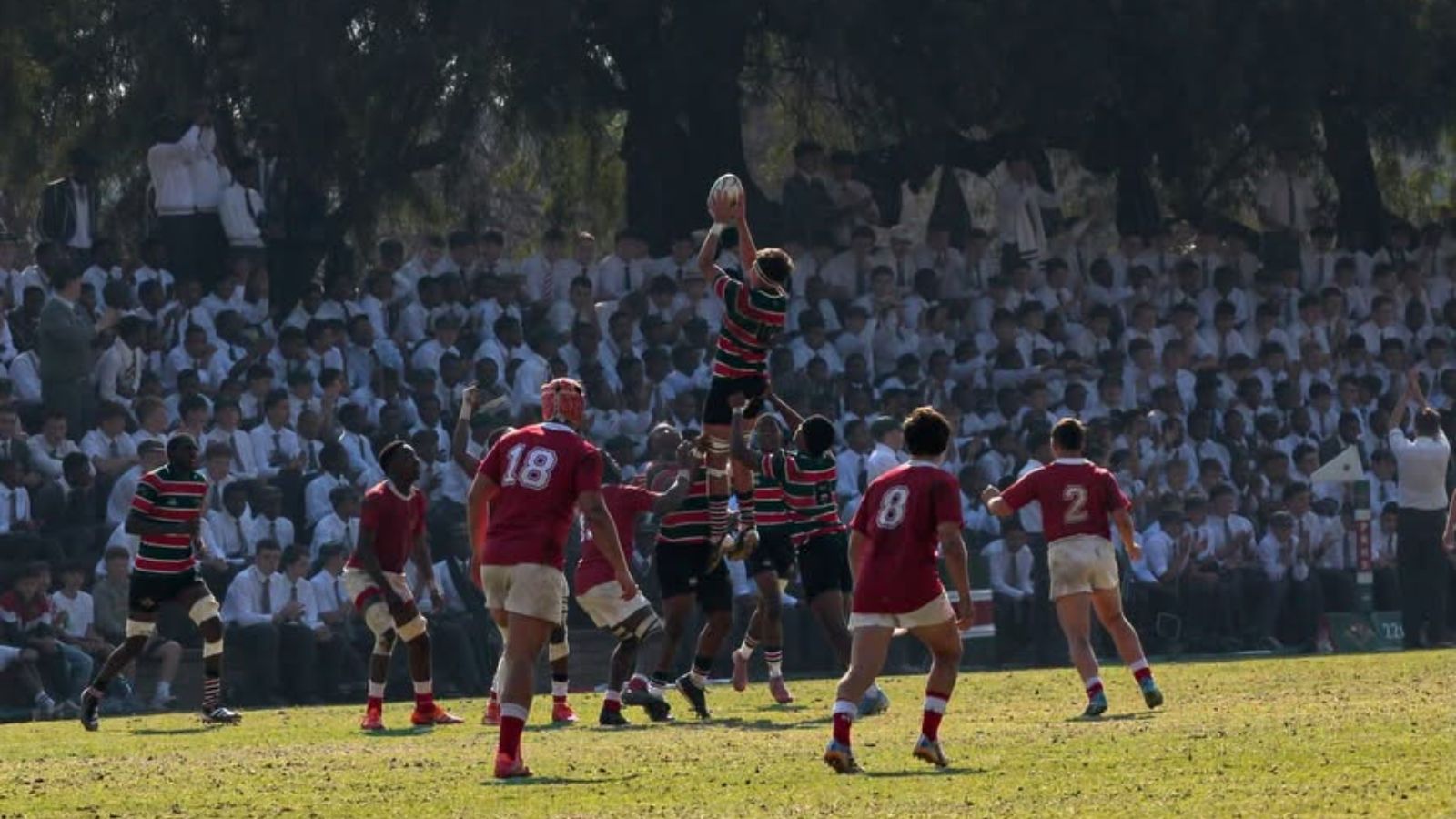
Today, these schools have a close relationship, with sports fixtures between the two having become a key part of South African schoolboy sports.
PBHS underwent many changes and expansions over the years, growing to approximately 1,500 pupils by the 2000s and increasing its number of buildings.
In the 2010s, the school added several facilities, including a sports pavilion, a central dining hall, an artificial hockey field, and three sports fields.
PBHS today
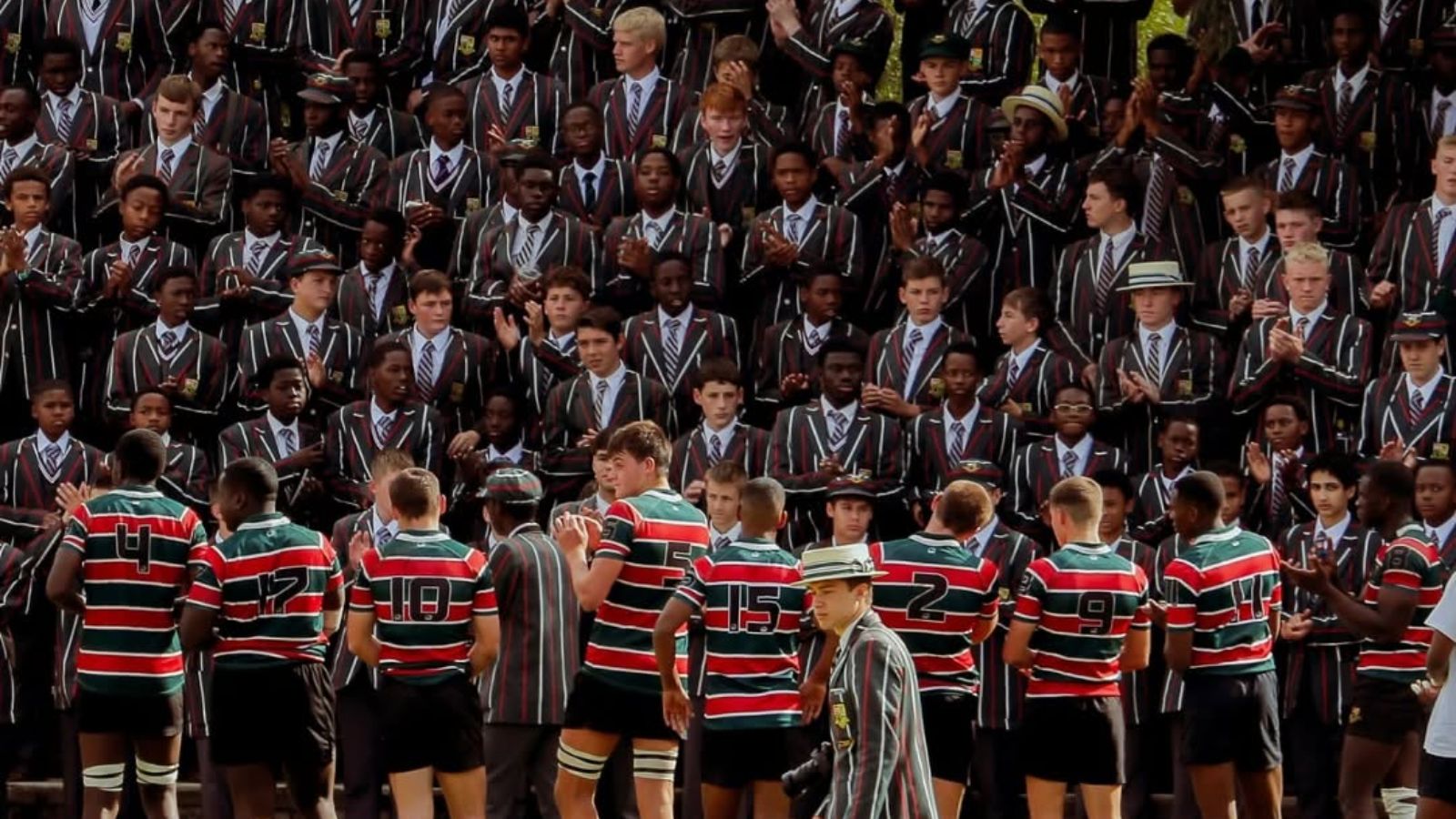
PBHS still uses its original buildings from the 1900s, but has expanded to include 85 hectares in the heart of Pretoria.
The campus is South of central Pretoria and the Union Buildings, and holds approximately 1,500 learners, with 300 being boarders.
The school also has roughly 100 full-time staff across its three boarding houses, 30 classrooms, and other academic facilities.
It has facilities such as computer labs, a library, and a music centre, as well as an impressive array of sporting grounds and equipment.
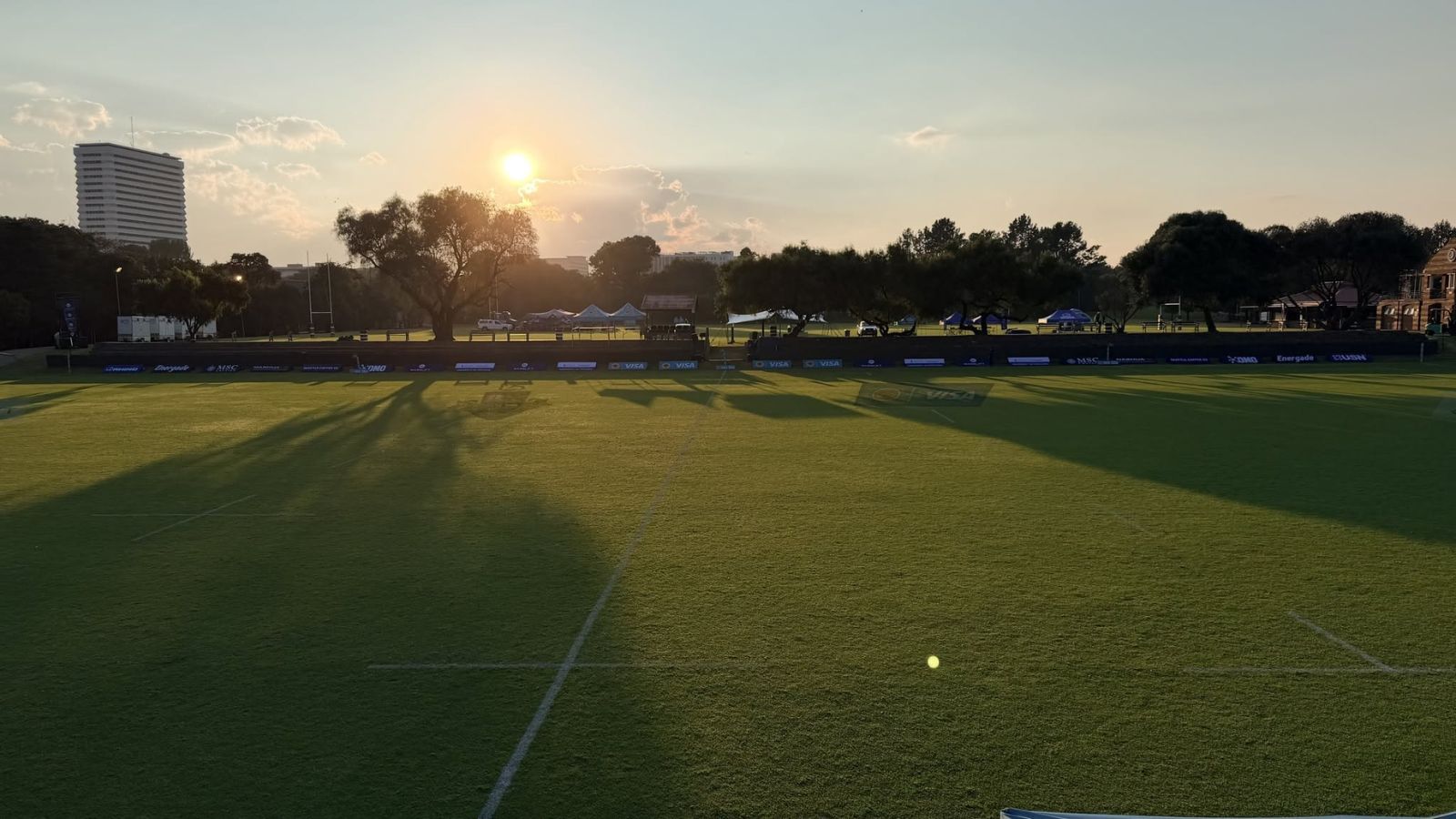
This includes several sports fields spread across the grounds, a hockey astro turf, basketball and tennis courts, swimming and water polo pools, and a shooting range.
The school also has various supporting amenities, such as a tuck shop, wellness centre, school shop and sanatorium.
PBHS also boasts impressive academic standards, achieving a 99.3% matric pass rate in 2025 and 84% of students achieving bachelor’s passes.
In the past, the school’s high academic standard produced Dr Max Theiler and Professor Michael Levitt, two Nobel Prize winners.
Theiler was awarded a Nobel Prize for developing a vaccine for yellow fever, and was the first South African to win the acclaimed award.
Levitt was awarded the Nobel Prize in Chemistry for his work on multiscale models for complex chemical systems, after matriculating from PBHS in 1962.
The school was also host to Elon Musk, the richest man in the world and the first ever trillionaire, following the Initial Public Offering (IPO) of his company SpaceX.
Musk is also known for founding and owning several other companies, including PayPal, Neuralink, Twitter (X), and Tesla.
Photos of Pretoria Boys High School















 Loading ...